For anyone who has ever nurtured a plant outside of the earth—be it a humble houseplant on a windowsill or a vibrant collection of flowers on a porch—the container is a crucial element. It is the vessel that holds the soil, the foundation that supports the roots, and the home in which a plant will either thrive or struggle. But in the world of gardening, the terminology surrounding these vessels can be surprisingly confusing. Are you in need of a pot, a planter, or a container? And does the difference even matter?
While the terms “pot” and “planter” are often used interchangeably, they do, in fact, refer to different types of containers, each with its own distinct characteristics and best uses. Understanding these differences is not just a matter of semantics; it is a key to becoming a more successful and knowledgeable gardener. The right container can make all the difference in the health and happiness of your plants, and knowing what to look for can save you from a world of common gardening woes, from root rot to stunted growth.
This comprehensive guide will delve into the nuanced world of pots and planters. We will break down the key differences between these two types of containers, exploring the nuances of size, material, and intended use. We will also take a deep dive into the various types of indoor and outdoor containers, from the humble nursery pot to the elegant cache pot. Finally, we will provide a wealth of practical tips and expert advice on how to choose the perfect container for your plants, how to pot and repot them for optimal health, and how to create stunning container gardens that will be the envy of your neighborhood.
Whether you are a seasoned green thumb or a budding plant parent, this article will equip you with the knowledge and confidence you need to navigate the world of container gardening with ease. So, let’s dig in and unravel the great pot versus planter debate, once and for all.
The Great Debate – Defining Pots and Planters
At its most basic level, the difference between a pot and a planter comes down to a few key factors: size, capacity, location, and material. While there are always exceptions to the rule, understanding these general distinctions is the first step in choosing the right container for your needs.
Size and Capacity: The Most Obvious Distinction
The most significant and universally agreed-upon difference between pots and planters is their size. As a general rule, pots are smaller, and planters are larger. This difference in size directly correlates with their capacity. A pot is typically designed to hold a single plant, be it a small succulent, a leafy fern, or a flowering African violet. A planter, on the other hand, is a more substantial vessel, designed to hold multiple plants, creating a miniature garden in a single container. Think of a long, rectangular planter box overflowing with a colorful mix of annuals, or a large, round planter that is home to a dwarf tree surrounded by a skirt of trailing ivy.
Location, Location, Location: Indoor vs. Outdoor
The distinction in size and capacity naturally leads to a difference in their intended location. Because of their smaller size and single-plant capacity, pots are most commonly used indoors for houseplants. They are the perfect size for a sunny windowsill, a bookshelf, or a side table. Planters, with their larger size and multi-plant capacity, are primarily designed for outdoor use. They are the workhorses of the patio, the porch, and the balcony, providing a home for everything from seasonal flower displays to edible herb gardens.
Material Matters: Durability and Weather Resistance
The intended location of a container also has a significant impact on the materials from which it is made. Indoor pots, being sheltered from the elements, can be made from a wide variety of materials, from delicate ceramics to porous terracotta. Outdoor planters, on the other hand, must be able to withstand the rigors of sun, wind, rain, and frost. As a result, planters are typically made from more durable and weather-resistant materials, such as thick plastic, fiberglass, concrete, or metal. This is not to say that you can’t find durable pots or delicate planters, but as a general rule, the material of a container is a good indicator of its intended use.
| Feature | Pots | Planters |
|---|---|---|
| Size | Smaller | Larger |
| Capacity | Single Plant | Multiple Plants |
| Location | Primarily Indoors | Primarily Outdoors |
| Materials | Varied (terracotta, ceramic, etc.) | Durable & Weather-Resistant |
A Deep Dive into Container Types
Beyond the basic distinction between pots and planters, there is a whole world of different container types, each with its own specific purpose and benefits. Understanding these different types will help you to make more informed choices when it comes to housing your plants.
The Humble Nursery Pot: The Starting Point
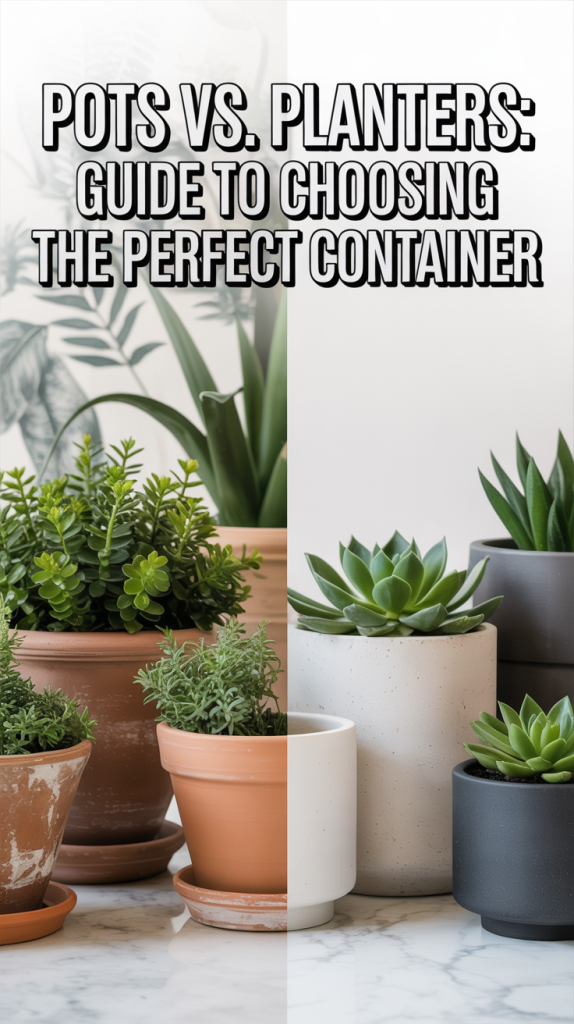
The journey of most houseplants begins in a nursery pot, also known as a grow pot. This is the thin, plastic pot that your plant comes in when you bring it home from the garden center. While not the most aesthetically pleasing, the nursery pot is a highly functional and budget-friendly option. It is lightweight, inexpensive, and, most importantly, it has ample drainage holes in the bottom, which are crucial for preventing root rot. For many gardeners, the nursery pot is simply a temporary home, a vessel to be used until the plant is repotted into a more decorative container. However, there is no reason why you can’t continue to use the nursery pot as your plant’s permanent home, especially if you are on a budget or if you prefer a more utilitarian look.
The Elegant Cache Pot: A Decorative Disguise
For those who want the drainage benefits of a nursery pot but the aesthetic appeal of a more decorative container, the cache pot is the perfect solution. A cache pot (from the French “to hide a pot”) is a decorative pot without any drainage holes. The idea is to simply place the nursery pot directly inside the cache pot. This gives you the best of both worlds: the plant gets the drainage it needs, and you get the beautiful, decorative container you desire. The other benefit of this system is its flexibility. You can easily swap out your cache pots to change up the look of your plants without having to go through the stress of repotting.
The one major caveat with cache pots is watering. Because there are no drainage holes, any excess water will collect in the bottom of the cache pot, creating a swampy environment that can lead to root rot. To avoid this, always remove the nursery pot from the cache pot before watering, and allow it to drain completely before placing it back inside. Alternatively, you can water the plant in the cache pot, but be sure to tip out any excess water that collects in the bottom.
The All-in-One Decorative Pot: Style and Function Combined
Of course, you can also choose to repot your plant directly into a decorative pot with drainage holes. This is a great option if you want a more permanent and integrated look. Decorative pots come in a vast array of materials, from classic terracotta and ceramic to modern plastic and fiberglass. Many of them come with a matching saucer or drip tray to catch any excess water, which is essential for protecting your floors and furniture. When choosing a decorative pot, the most important thing to look for is a drainage hole. If a pot doesn’t have one, it’s best to treat it as a cache pot or to drill a hole in the bottom yourself.
| Container Type | Key Characteristics | Pros & Cons |
|---|---|---|
| Nursery Pot | Thin plastic pot with drainage holes. | Pros: Excellent drainage, budget-friendly. Cons: Not very decorative. |
| Cache Pot | Decorative pot with no drainage holes. | Pros: Aesthetically pleasing, flexible. Cons: Can lead to root rot if not managed properly. |
| Decorative Pot | Decorative pot with drainage holes. | Pros: Stylish and functional. Cons: Requires repotting, can be more expensive. |
The Art and Science of Choosing the Perfect Container
Now that you have a better understanding of the different types of containers, it’s time to get down to the business of choosing the right one for your plants. This is where the art and science of container gardening truly come together. It’s a process that involves not just aesthetic considerations, but also a deep understanding of your plant’s needs and the environment in which it will be living.
Drainage, Drainage, Drainage: The Golden Rule
If there is one rule in container gardening that should never be broken, it is this: your container must have drainage. With very few exceptions, plants do not like to sit in water. Soggy soil leads to root rot, which is one of the most common and surefire ways to kill a plant. So, before you fall in love with a beautiful, decorative pot, flip it over and check for a drainage hole. If it doesn’t have one, you have two options: either treat it as a cache pot and use a nursery pot inside, or get out your drill and make a hole yourself. This is a non-negotiable.
Size Matters: The Goldilocks Principle
When it comes to choosing the right size container, you want to follow the Goldilocks principle: not too big, not too small, but just right. A pot that is too small will restrict your plant’s root growth, leading to a root-bound plant that is stressed and unhealthy. A pot that is too large, on the other hand, will hold too much soil and moisture, which can lead to root rot. As a general rule, when you are repotting a plant, you want to choose a new pot that is only one to two inches larger in diameter than the previous one. This will give your plant enough room to grow without overwhelming it with too much soil.
Material World: The Pros and Cons of Different Materials
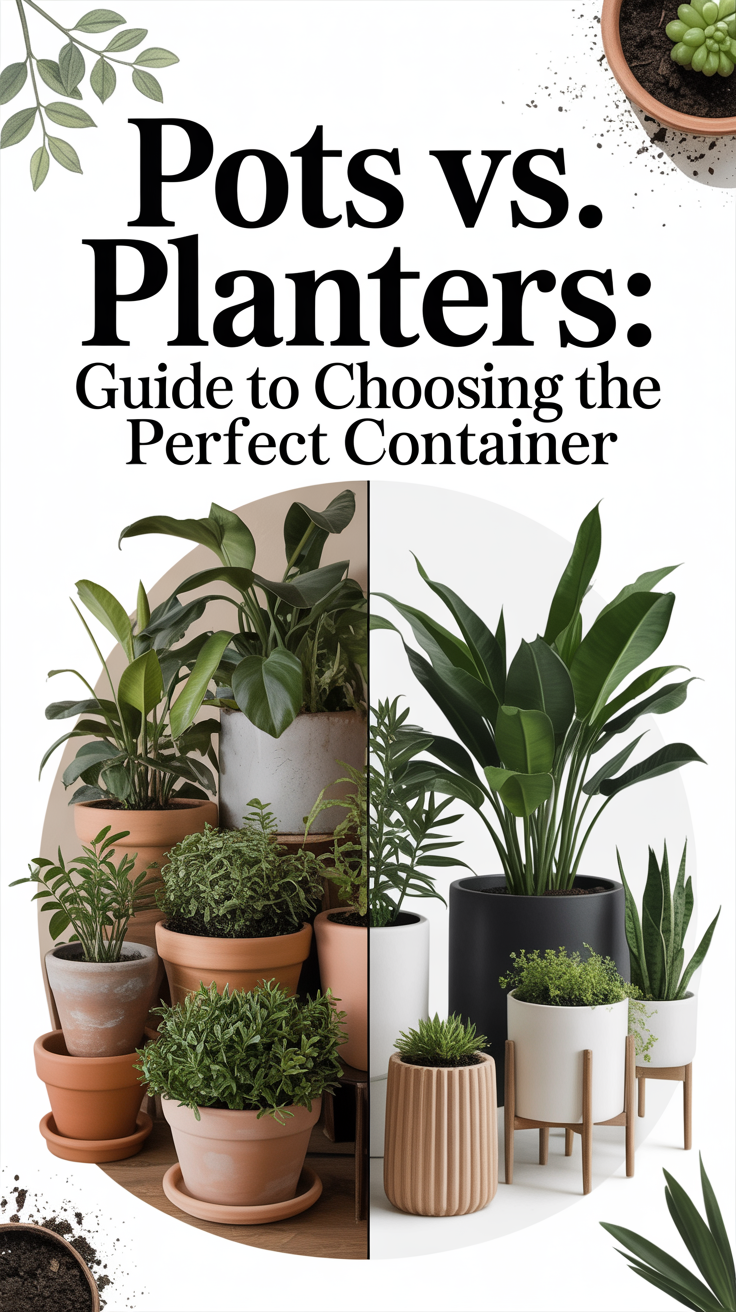
The material of your container can have a significant impact on the health of your plants. Here’s a breakdown of some of the most common materials and their pros and cons:
- Terracotta: This classic, porous material is great for plants that like to dry out between waterings, such as succulents and cacti. The porosity of the clay allows for excellent air and moisture exchange, which helps to prevent root rot. The downside is that terracotta pots can be fragile and they dry out quickly, so they may not be the best choice for thirsty plants or for gardeners who are prone to forgetting to water.
- Ceramic: Glazed ceramic pots are a popular choice for their beauty and durability. They come in a vast array of colors and patterns, and the glaze helps to retain moisture, so they are a good choice for plants that like to stay consistently moist. The downside is that they can be heavy and expensive, and the glaze can sometimes crack in freezing temperatures.
- Plastic: Plastic pots are lightweight, inexpensive, and come in a wide variety of shapes and sizes. They are also great at retaining moisture, which makes them a good choice for thirsty plants. The downside is that they are not as breathable as terracotta, so you need to be careful not to overwater. They can also become brittle and fade over time when exposed to direct sunlight.
- Wood: Wooden planters can be a beautiful and natural-looking addition to any garden. They are also relatively lightweight and provide good insulation for the soil. The downside is that they are prone to rot, so it’s important to choose a rot-resistant wood, such as cedar or redwood, and to make sure that the planter has good drainage.
- Metal: Metal planters can add a sleek, modern touch to your garden. They are also extremely durable and long-lasting. The downside is that they can get very hot in the sun, which can damage your plant’s roots. They can also be prone to rust, so it’s important to choose a planter that is made from a rust-resistant metal, such as galvanized steel or corten steel.
The Thriller, Filler, Spiller Method: Creating Stunning Container Gardens
When it comes to creating a beautiful and balanced container garden in a planter, the “thriller, filler, spiller” method is a classic for a reason. This simple design formula is a foolproof way to create a container that is both visually interesting and well-balanced.
- The Thriller: This is the star of the show, the main focal point of your container. It is usually a tall, upright plant that adds height and drama to the arrangement. Think of a tall, spiky dracaena, a graceful ornamental grass, or a vibrant canna lily.
- The Filler: These are the plants that fill in the middle of the container, surrounding the thriller. They are usually mounding or rounded plants that add fullness and texture to the arrangement. Think of a mass of colorful petunias, a cloud of fluffy coleus, or a mound of silvery dusty miller.
- The Spiller: These are the plants that trail over the sides of the container, softening the edges and creating a sense of abundance. Think of a cascade of sweet potato vine, a curtain of trailing ivy, or a river of colorful calibrachoa.
By combining these three types of plants in a single planter, you can create a container garden that is a true work of art, a miniature landscape that will bring beauty and life to any corner of your home or garden.
The Perfect Home for Your Plants
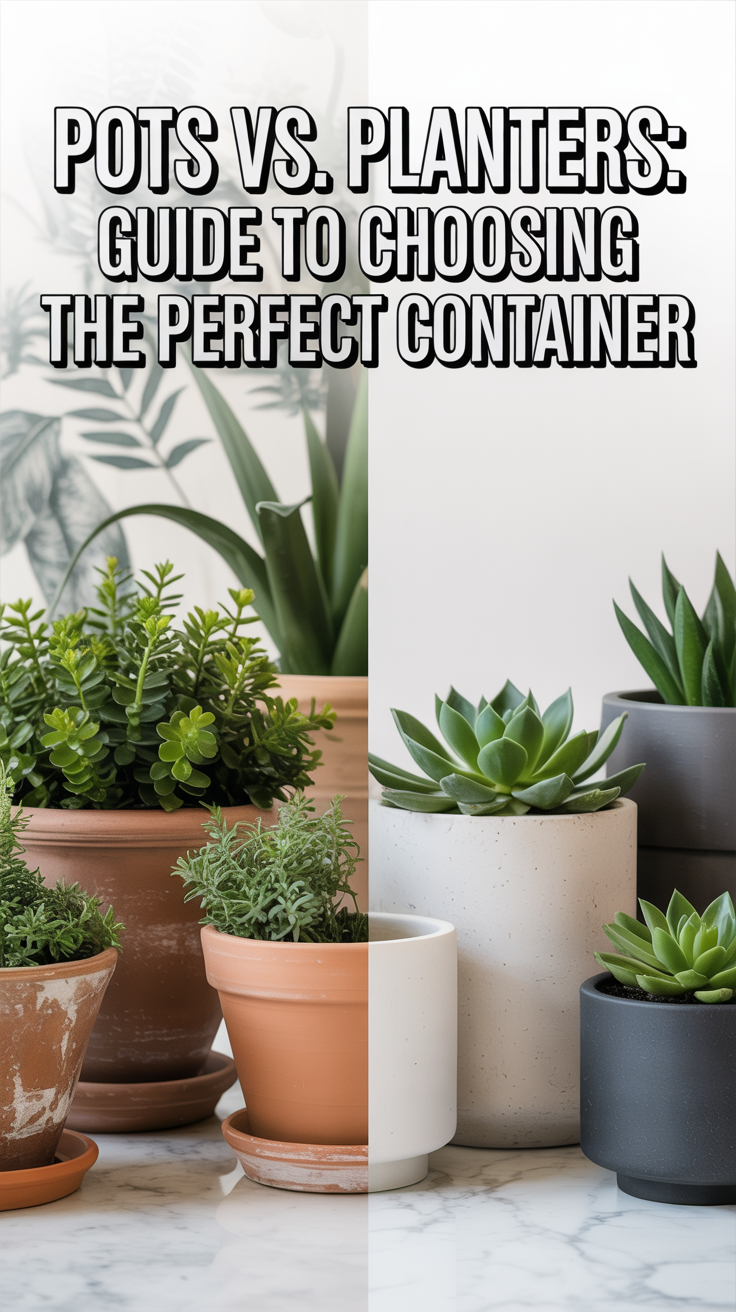
The world of pots and planters is a vast and varied one, full of a dizzying array of choices. But by understanding the key differences between these two types of containers, by paying attention to the fundamental principles of drainage and sizing, and by choosing the right materials for your plants and your environment, you can demystify the process and make choices that will lead to healthier, happier plants.
Ultimately, the container you choose is more than just a vessel; it is a home. It is a place where your plants will put down roots, where they will grow and flourish, and where they will bring beauty and life to your world. So, take the time to choose wisely, to consider the needs of your plants, and to find the perfect container that will allow them to thrive. Your plants will thank you for it, and you will be rewarded with a garden that is a true reflection of your care and your creativity.