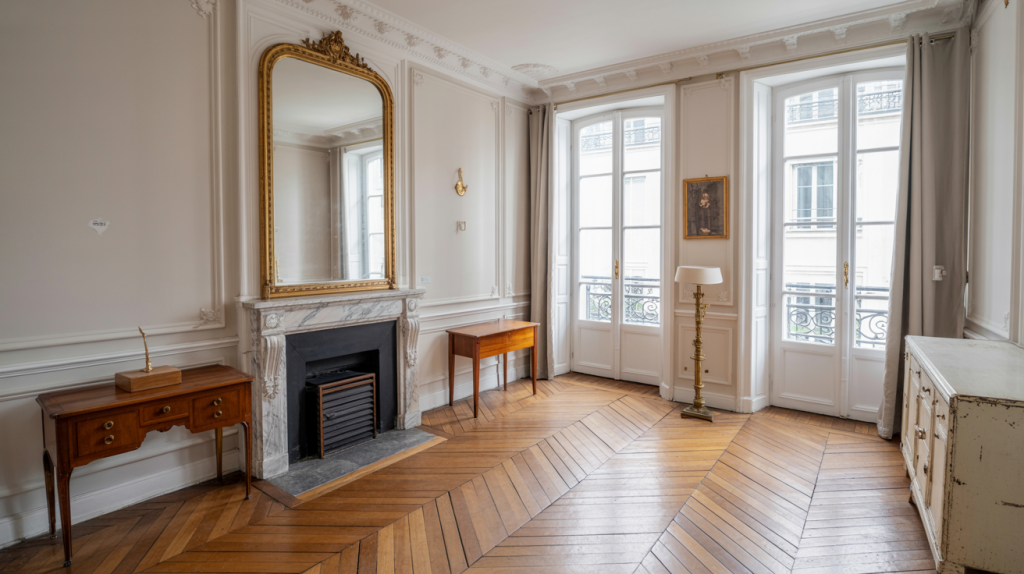
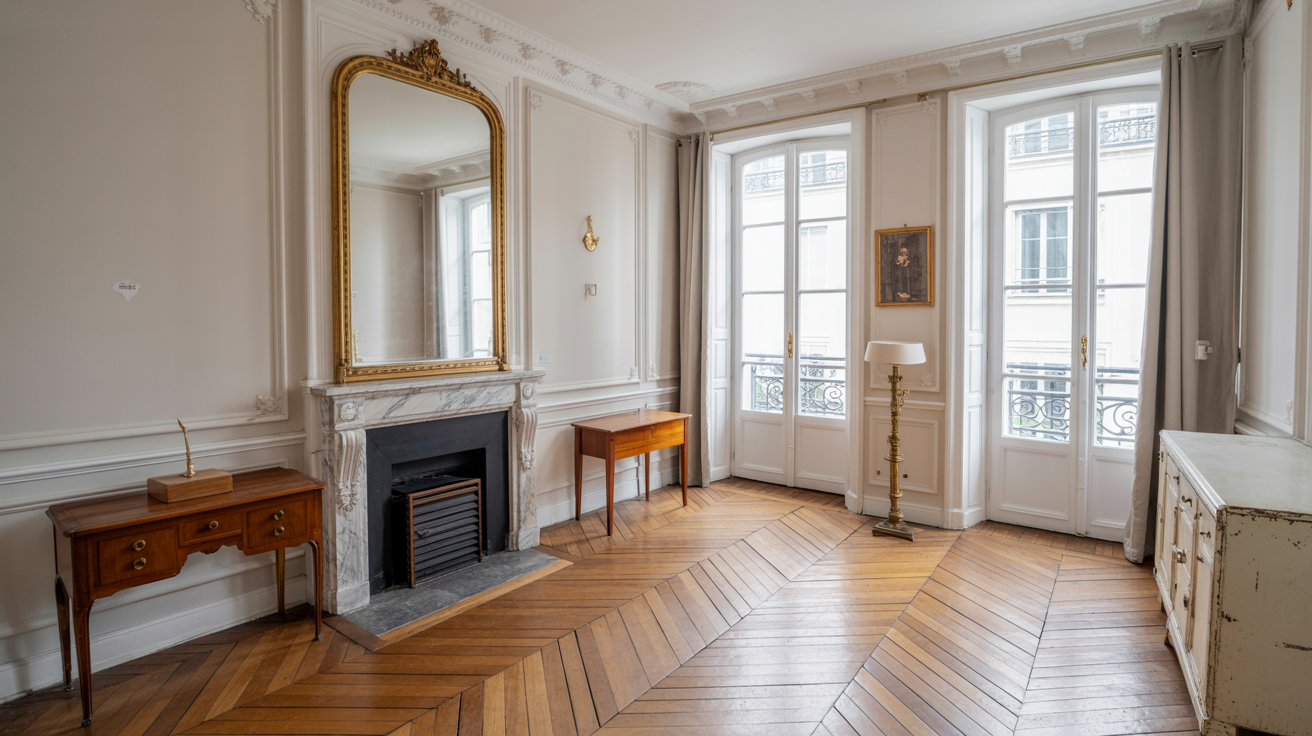
Have you ever returned from a trip to Europe or simply scrolled through photos of a sun-drenched Tuscan villa, a chic Parisian apartment, or a cozy Scandinavian cabin and felt that deep sense of longing? European interiors just have this je ne sais quoi as they say, that feels effortlessly elegant, deeply comforting, and rich with history. The good news is that you do not need to pack your bags, hire a contractor, or knock down walls to capture that feeling in your own home.
Creating a European-inspired sanctuary is less about structural changes and more about a shift in philosophy. It is about embracing the art of living well, prioritizing quality over quantity, and curating a space that tells a story. Whether you are drawn to the rustic charm of the Mediterranean, the refined elegance of France, or the minimalist warmth of the Nordic countries, you can infuse your home with continental flair through thoughtful, intentional updates.
Let’s talk about how to transform your living space into a European escape without a single renovation. From the power of lighting and textiles to the subtle influence of scent and daily rituals, these strategies will help you cultivate a home that feels like a permanent vacation.
The European Design Philosophy: A Shift in Perspective
Before jumping into specific decor changes, it is essential to understand the underlying philosophy that unites various European design styles. While a London townhouse looks vastly different from a Spanish hacienda, they share common threads in how space is approached and utilized.
Embracing Imperfection and History
In many North American homes, there is a pursuit of perfection—matching furniture sets, flawless finishes, and a “photo-ready” aesthetic. European design, conversely, celebrates the beauty of imperfection and the passage of time. A chipped ceramic bowl, a slightly faded vintage rug, or a wooden table with water rings are not seen as flaws; they are markers of a life well-lived. This concept, closely related to the Japanese philosophy of wabi-sabi, is prevalent in European interiors. It encourages us to mix old with new, allowing our homes to evolve organically rather than feeling overly curated or staged.
The Rule of Thirds and Negative Space
Walk into a home influenced by the “Soft Minimalism” movement currently trending across Europe, particularly in Scandinavian and Belgian traditions, and you will immediately notice a palpable sense of calm. The room breathes. This is achieved through the intentional use of negative space. Walls are not always expected to carry art, and shelves are not packed edge-to-edge. Objects are given “air” so the eye has a place to rest. By auditing your surfaces and removing roughly one-third of the decor, you can re-center the remaining items and embrace the empty space as a design element in its own right.
Functionality Meets Aesthetics
European homes are often smaller than their American counterparts, which necessitates a focus on functionality. However, this practicality never comes at the expense of aesthetics. Every item in a room should serve a purpose, whether it is utilitarian or purely there to bring joy. This mindset encourages a more mindful approach to consumption, urging us to invest in fewer, higher-quality pieces that we truly love, rather than filling our homes with disposable trends.
Setting the Foundation: Color, Light, and Texture
The foundational elements of a room—its colors, lighting, and textures—dictate its overall mood. By making strategic adjustments in these areas, you can dramatically alter the atmosphere of your home without touching a single wall.
Shifting to Warm, Muted Neutrals
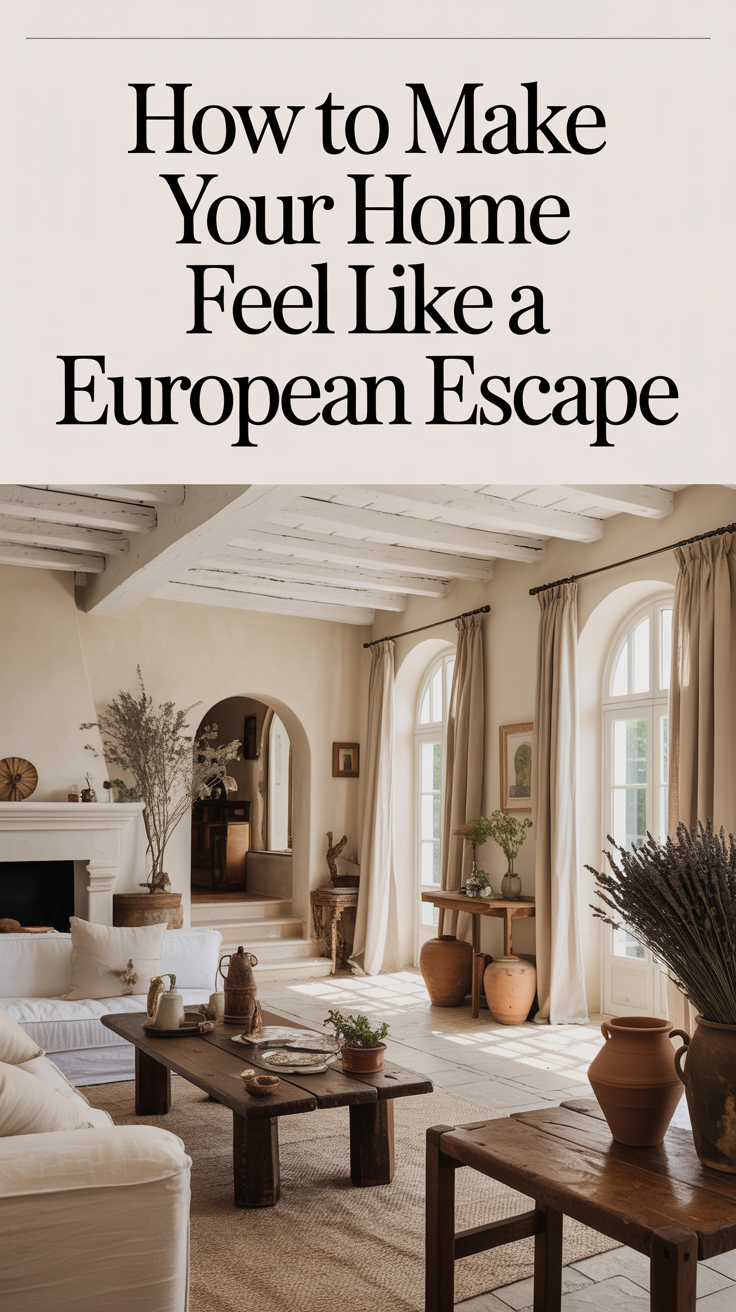
While many modern homes have long favored stark, brilliant whites for a sense of cleanliness, European palettes lean toward muted earthiness. These are tones that absorb light rather than bouncing it aggressively. Think soft bone, muted clay, warm terracotta, and “greige.” These hues feel quieter and more grounded, especially during the low light of winter months.
You do not need to repaint your entire house to introduce these tones. You can bring them in through low-commitment textiles, such as linen curtains, wool throws, or even parchment lampshades. If you do choose to paint, consider a lime wash or Roman clay finish. These treatments add a subtle, mottled texture to the walls, mimicking the aged plaster found in historic European buildings and instantly adding depth and character.
The Art of Atmospheric Layering
In many households, a single, bright overhead fixture is the primary light source. This “big light” can feel harsh and institutional. In contrast, European lighting design focuses on atmospheric layering—the goal being to create a soft, adaptable glow that mimics the natural movement of the sun throughout the day.
To achieve this, aim for three to four smaller light sources per room. Turn off the overhead light and rely instead on a combination of floor lamps, table lamps, and wall sconces. Opt for bulbs in the 2700K range—this “warm white” is the secret to making a room feel intimate and inviting rather than clinical. Do not underestimate the power of candlelight, either. In Denmark, the concept of hygge relies heavily on the warm, flickering glow of candles to create a cozy, comforting environment. A cluster of pillar candles on a wooden tray costs very little but transforms a room entirely.
Prioritizing Tactile Depth Over Statement Pieces
Where some design styles rely on a bold statement piece to grab attention, the European mindset prioritizes tactile depth. It is about how a material feels under your hand, not just how it looks on a screen. Unfinished wood grain, tumbled stone, heavy linen, and matte ceramics add complexity without demanding a visual shout.
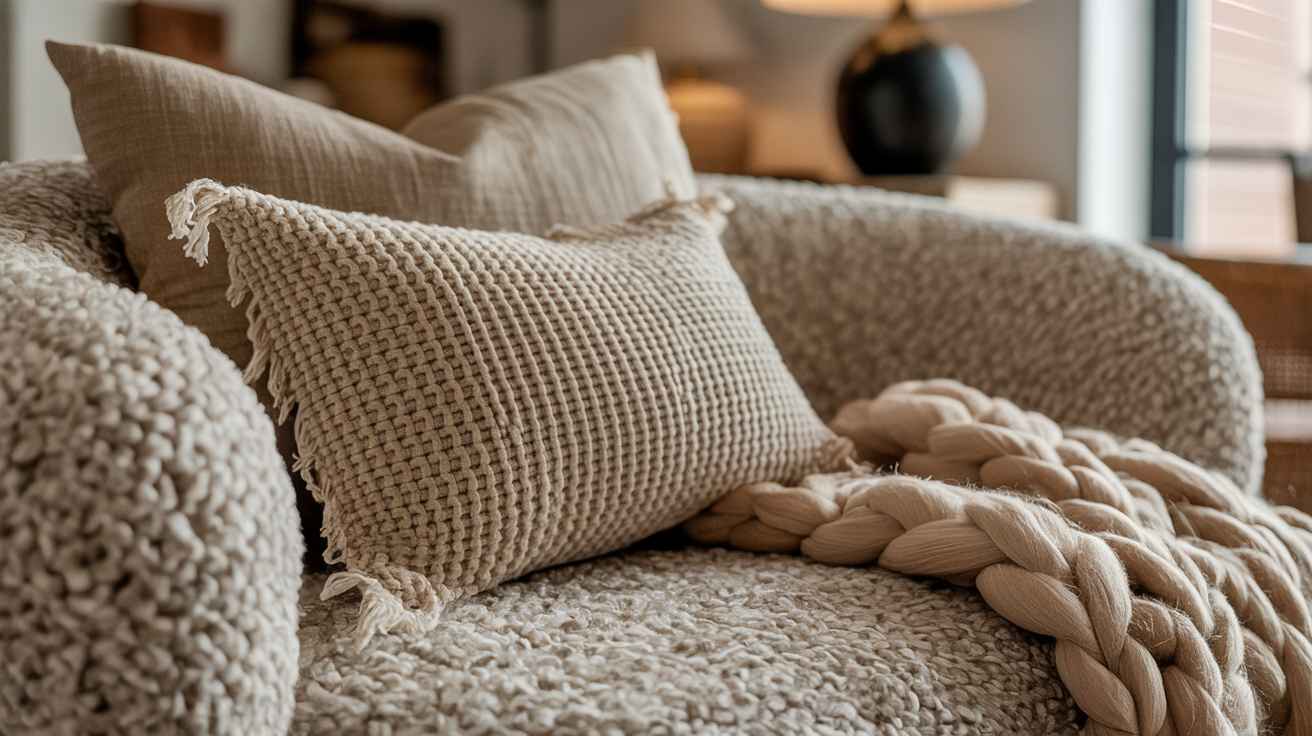
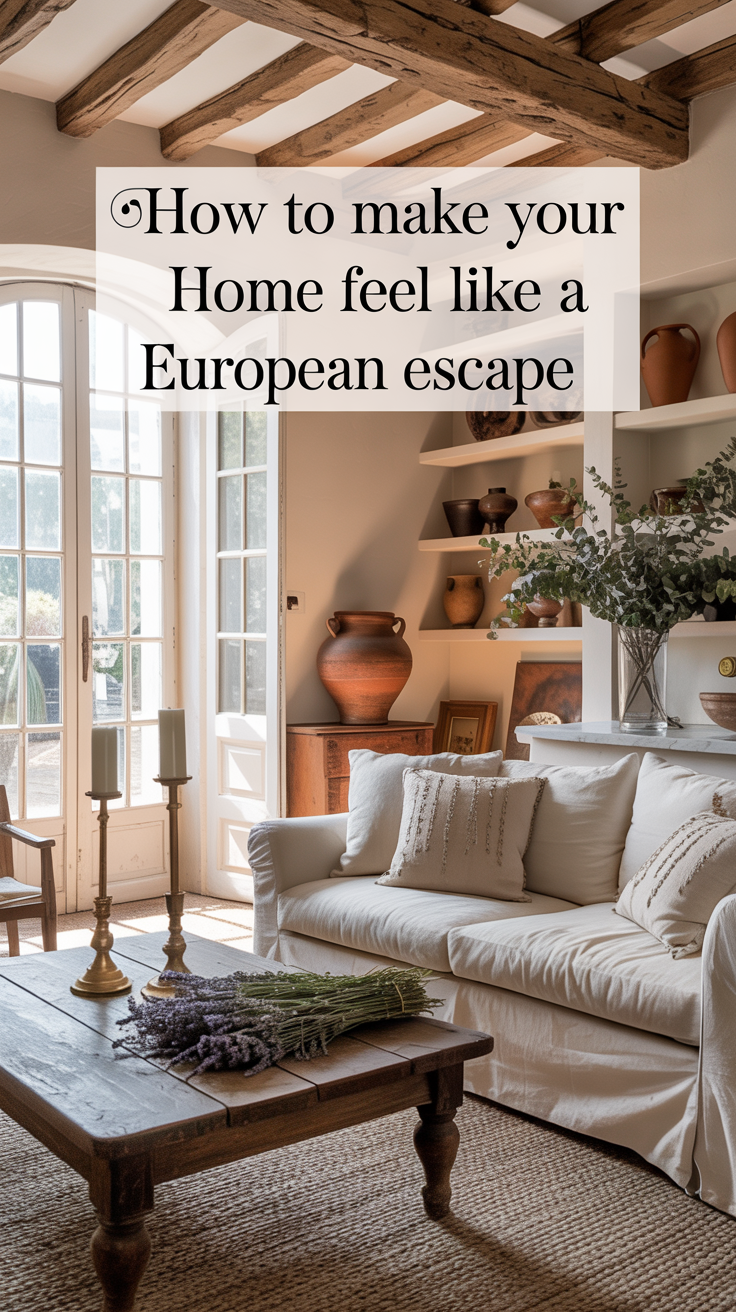
Swap out high-gloss or synthetic materials for organic alternatives. Replace a glass coffee table with a rough-hewn wooden one. Trade polyester throw pillows for covers made of washed linen or nubby wool. These textural elements invite touch and create a sense of groundedness that is central to the European aesthetic.
Curating Your Space: Furniture, Art, and Decor
Once the foundation is set, the next step is to curate the objects that fill your home. This is where you can truly inject your personality and bring your European vision to life.
The Mix-and-Match Approach to Furniture
The quickest way to make a room feel generic is to buy a matching furniture set. European interiors are characterized by an eclectic mix of eras, styles, and materials. A sleek, modern Italian sofa might be paired with an antique French farmhouse table and a mid-century Danish armchair. The result is a space that feels collected, personal, and full of stories.
To achieve this look, start slowly. Scour antique shops, flea markets, and estate sales for unique pieces with character. Do not be afraid to mix wood tones or combine different metals. The goal is to create a space that looks as though it has been assembled over generations, rather than purchased all at once from a single catalog.
Elevating the Everyday with Natural Materials
To give your home that welcoming, lived-in feel of European interior design, embrace natural materials like marble, limestone, terracotta, wood, and plaster. Even if you cannot install a new marble countertop, you can incorporate these materials through smaller decor items. A marble tray on the coffee table, a set of limestone bookends, or a terracotta vase filled with fresh branches can instantly elevate a room. Wooden decor, from simple bowls to intricately carved picture frames, complements nearly any color palette and brings a natural warmth to your space.
Vintage-Inspired Artwork and Mirrors
Art is a crucial component of European design, but it does not need to be expensive or perfectly matched to your furniture. Second-hand shops and yard sales are treasure troves for vintage-inspired artwork. Look for landscapes, seascapes, or portraits that evoke a sense of history. Reproductions of classic artists or simple, elegant line drawings can also add a touch of sophistication. The key is to choose pieces that feel meaningful to you, not simply decorative.
Mirrors are another powerful tool. A large, ornate, gilded mirror leaning against a wall or placed above a fireplace mantel instantly channels the elegance of a Parisian apartment. Not only do mirrors add a touch of glamour, but they also reflect light, making smaller spaces feel larger and more open—a trick that European designers have relied upon for centuries.
The Importance of Textiles
Textiles are the unsung heroes of interior design. They soften hard edges, add color and pattern, and provide essential comfort. In European homes, textiles are often used to introduce a sense of luxury and warmth without a significant investment. Invest in high-quality, natural fabrics. Drape a mohair or cashmere throw over a cozy armchair. Line up throw pillows in jewel-toned silk or rich velvet on an understated, neutral sofa. When it comes to rugs, a vintage or vintage-inspired Persian or Turkish rug can anchor a room and provide a beautiful, faded color palette to build upon.
Room-by-Room Inspiration
To help you visualize how these concepts come together, here is how to apply European design principles to every corner of your home.
The Entryway: Setting the Tone
The entryway is the first impression your home makes, and in European design, it is never an afterthought. It is a transitional space that sets the tone for the rest of the house, signaling to guests and to yourself that you are entering a place of comfort and style.
Instead of a cluttered drop zone for keys and mail, treat your entryway as an opportunity to create a beautiful vignette. A vintage console table or a small antique chest of drawers provides both storage and a surface for display. Top it with a carefully curated selection of objects: a ceramic bowl for keys, a stack of art books, and a vase filled with fresh or dried flowers. European entryways are also highly functional. Instead of a bulky coat rack, consider installing a row of classic brass or wrought-iron hooks directly onto the wall, paired with a woven wicker basket below for umbrellas and scarves. The moment you open the door, you should also be greeted by a subtle, welcoming scent like a reed diffuser or a carefully placed candle can make an immediate and lasting impression.
The Kitchen: The Heart of the Home
In many European cultures, the kitchen is the undisputed heart of the home—a place for gathering, cooking, and lingering over long meals. To capture this feeling, focus on creating a space that feels warm and utilitarian rather than sleek and sterile. Instead of hiding everything behind closed cabinet doors, display your most beautiful and frequently used items. Hang copper pots from a ceiling rack, display wooden cutting boards on the counter, and keep a bowl of fresh fruit or vegetables out in the open. Swapping out standard cabinet knobs and drawer pulls for unlacquered brass or antique bronze hardware is a simple, inexpensive update that adds instant character. Potted herbs on the windowsill complete the picture, adding both charm and practicality.
The Living Room: A Space for Connection
The European living room is designed for conversation and relaxation, not just for watching television. Pull your furniture away from the walls and arrange it in a way that encourages interaction, creating cozy seating areas with a mix of sofas, armchairs, and floor cushions. Layer a smaller, patterned vintage rug over a larger, neutral jute or sisal rug to add texture and visual interest. Create a gallery wall using a mix of vintage art, personal photographs, and interesting objects, using mismatched frames for an eclectic, collected look. The goal is a room that invites people to sit down, stay a while, and talk.
The Dining Room: More Than Just a Meal
In many European cultures, dining is not merely a biological necessity; it is a ritual, a time for connection, and a celebration of life’s simple pleasures. A European-inspired table setting is rarely stiff or overly formal—it embraces a relaxed, “undone” elegance. Start with a linen tablecloth or runner that has been washed and air-dried, allowing its natural wrinkles to show. Mix and match your dinnerware, perhaps pairing vintage floral plates with simple, modern glassware. For lighting, rely on the soft glow of a pendant light hung low over the table, supplemented by the warm flicker of taper candles. A simple, unstructured arrangement of seasonal flowers or a few sprigs of olive branches makes for a beautiful, organic centerpiece.
The Bedroom: Cultivating Rest and Romance
The bedroom should be the ultimate escape—a place dedicated entirely to rest, relaxation, and romance. European beds are often styled with a relaxed, slightly rumpled look that invites you to dive in. Opt for high-quality, breathable fabrics like linen or percale cotton in crisp white or soft, muted tones. To create a truly restful environment, minimize distractions by keeping technology out of the bedroom whenever possible. Instead of a television, create a small reading nook with a comfortable armchair and a good reading lamp. For window treatments, layer sheer linen curtains with heavier drapes in a rich fabric like velvet or thick cotton, adding both depth and the ability to control light and privacy.
The Bathroom: A Sanctuary of Self-Care
Even a small, standard bathroom can be transformed into a European-inspired oasis with a few thoughtful touches. Replace mismatched, worn-out towels with a cohesive set of high-quality Turkish cotton or waffle-weave linen towels. Decant your shampoos, body washes, and lotions into beautiful glass or ceramic pump bottles to eliminate visual clutter. Do not be afraid to bring elements typically reserved for other rooms into the bathroom—a small vintage rug, a piece of framed botanical art, or a potted fern can make the space feel more like a proper room and less like a purely utilitarian one.
The Outdoor Space: An Extension of the Home
Whether you have a sprawling backyard, a modest patio, or a tiny apartment balcony, your outdoor space should be treated as an extension of your living area. In Europe, outdoor spaces are cherished and utilized as much as possible, serving as places for dining, relaxing, and entertaining well into the evening hours. If space allows, set up a small area for al fresco dining. A simple bistro set, perhaps a wrought-iron table and two chairs, can instantly evoke the feeling of a Parisian café. For larger spaces, a long wooden farmhouse table surrounded by mismatched chairs creates a welcoming, communal atmosphere perfect for long, lazy summer dinners.
Outdoor spaces should be just as comfortable as indoor ones. Add weather-resistant cushions to your seating, and keep a basket of lightweight throws nearby for chilly evenings. An outdoor rug can help define the space and add a layer of coziness underfoot. For lighting, string lights draped overhead or woven through tree branches create a magical, festive atmosphere, while lanterns placed on tables or along pathways provide a soft, romantic glow. The goal is to create an inviting environment that encourages you to linger outside long after the sun has set.
The Invisible Elements: Scent, Sound, and Lifestyle
Creating a European escape is not just about what you see; it is also about what you experience. The invisible elements of a home—its scent, its soundscape, and the way you live within it—are just as important as the furniture and decor.
The Power of Scent
Scent is closely tied to memory and emotion. The right fragrance can instantly transport you to a different time and place. To evoke a European atmosphere, choose scents that are natural, complex, and subtle. For a French mood, think lavender, rose, fig, and fresh linen. For an Italian atmosphere, opt for citrus notes like lemon and bergamot, paired with rosemary, basil, and sea salt. For a Scandinavian feel, choose pine, cedar, woodsmoke, and cardamom. Avoid overly sweet or synthetic air fresheners. Instead, use high-quality candles, essential oil diffusers, or simmer pots filled with natural ingredients like citrus peels, herbs, and spices.
Curating a Soundscape
The sounds in your home contribute significantly to its atmosphere. A blaring television or the constant hum of traffic can disrupt the sense of peace you are trying to cultivate. Create playlists that reflect the mood you want to achieve whether classical music, French jazz, acoustic guitar, or even the ambient sounds of a bustling café can dramatically enhance the European vibe. Equally important is the embrace of silence. Turn off the background noise and allow yourself to simply be present in the space. If you are lucky enough to have access to nature sounds, birds singing, wind in the trees, or rain on the window open your windows and let them in.
Adopting European Lifestyle Habits
Ultimately, the most effective way to make your home feel like a European escape is to adopt some of the lifestyle habits that define European culture. Europeans are known for their ability to slow down and savor the moment. Take the time to enjoy a leisurely breakfast, linger over a cup of coffee, or read a book in the afternoon. Adopt the Italian tradition of the aperitivo—a pre-dinner drink and light snack meant to stimulate the appetite and encourage conversation. Set out some olives, cheese, and a glass of wine, and transition mindfully from the workday to the evening.
Europeans also place a high value on ventilation and fresh air. Make it a daily habit to open your windows, even in the winter, to let the stale air out and the fresh air in. This simple act can make your home feel instantly more vibrant and alive. Finally, make meals an event. Set the table, use real cloth napkins, light a candle, and turn off your devices. Eating should be a sensory experience and an opportunity for connection, not just a necessity.
Your Personal Escape
Transforming your home into a European escape does not require a massive budget or a team of contractors. It requires a shift in perspective, a willingness to embrace imperfection, prioritize quality, and curate a space that reflects your personal history and values.
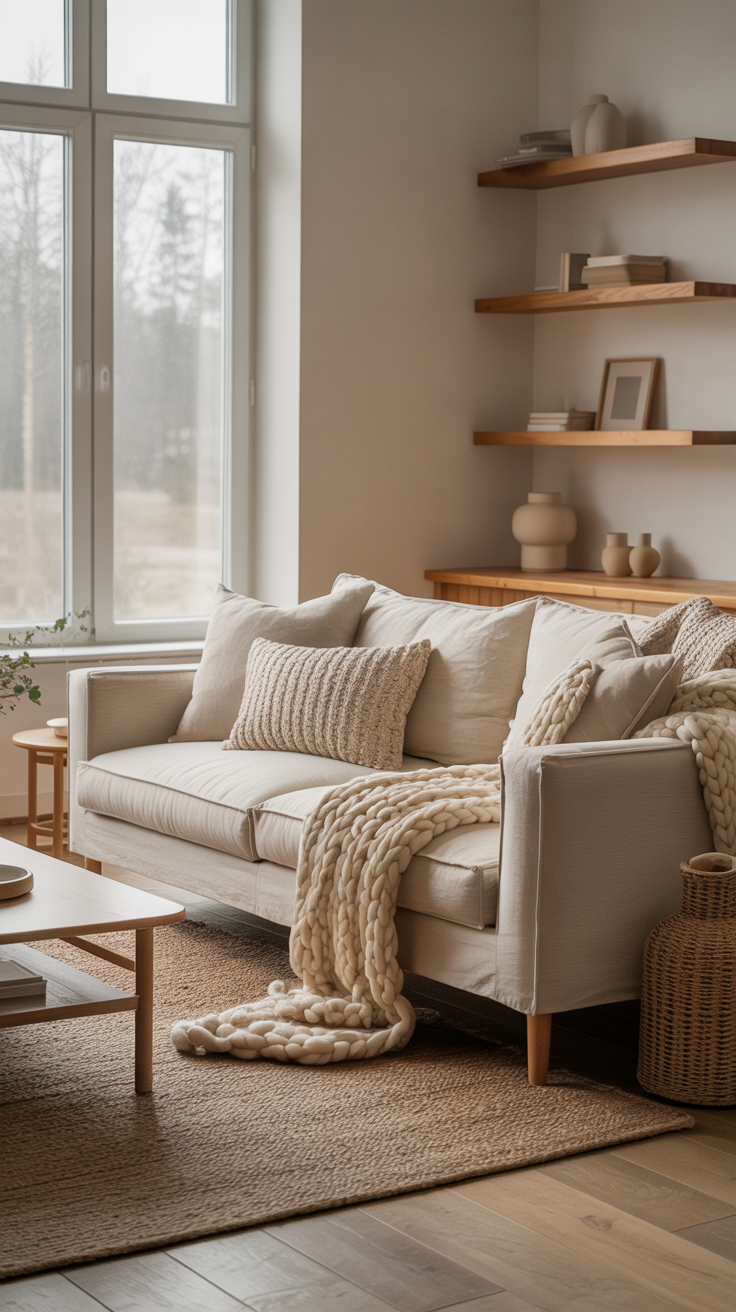
By softening your lighting, introducing warm, muted colors, layering natural textures, and adopting a slower, more intentional lifestyle, you can create a sanctuary that feels miles away from the hustle and bustle of everyday life. Remember that creating a home is a journey, not a destination. Your space should evolve with you, reflecting your experiences, your travels, and your changing tastes. Do not rush to finish a room or fill every empty corner. Allow your home to grow organically, adding pieces over time that you truly love and that tell a story.
Your home should be a place where you can exhale, relax, and savor the simple pleasures. With these thoughtful, non-structural changes, you can capture the magic of Europe and enjoy that vacation feeling every single day, right in your own living room.