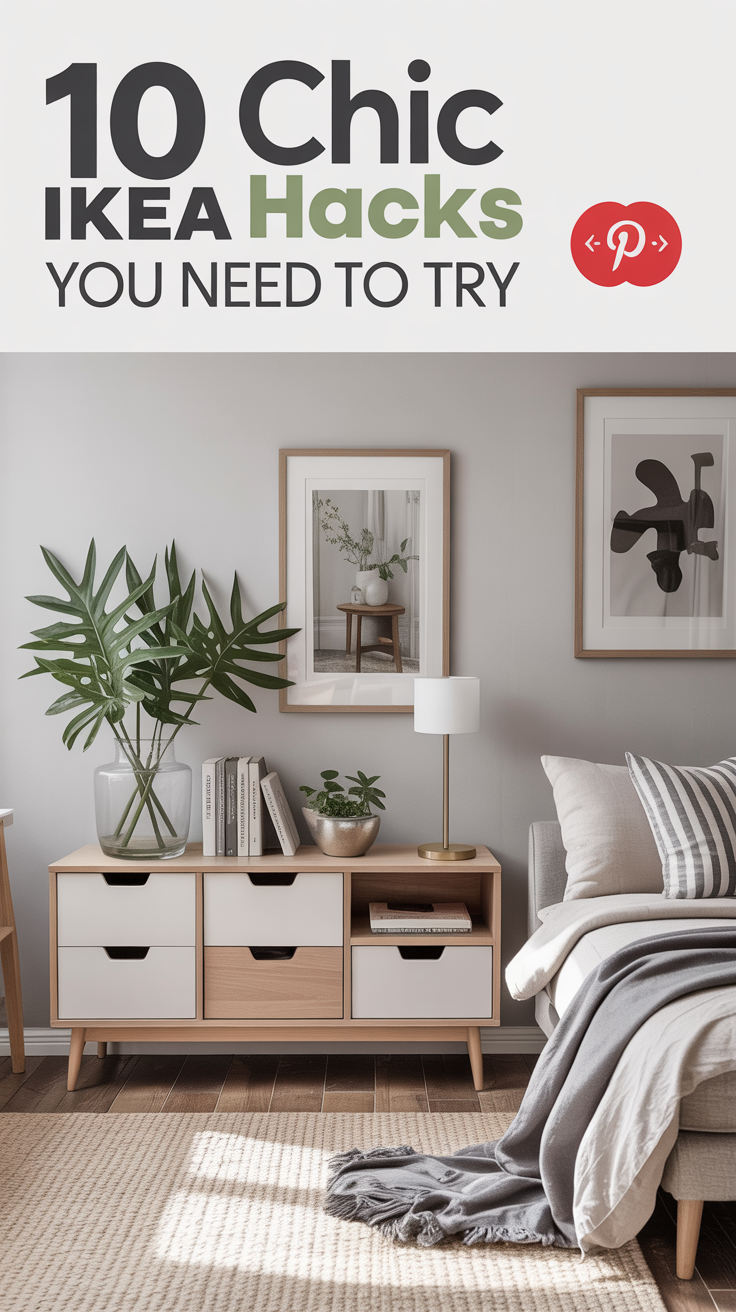
A console table is one of the most versatile pieces of furniture in your home. It can act as a catch-all in entryways, a stylish display surface in living rooms, or even a functional staging area behind a sofa. But let’s be honest: console tables can quickly turn into clutter magnets. Mail, keys, random candles, and decorative knick-knacks can accumulate, leaving a surface that looks chaotic rather than curated.
So, how do you style a console table in a way that feels intentional, elegant, and clutter-free? In this guide, we’ll walk through everything you need to know to style a console table with purpose, including design principles, layering tips, and creative inspiration.
Why Console Tables Are a Design Dilemma
Console tables are unique because they sit at the intersection of functionality and style. They are often small, narrow, and highly visible, which means every object placed on them is immediately noticeable.
Here’s why they can feel tricky:
Limited Surface Area – Unlike a dining table or coffee table, console tables have limited space, so every item counts.
High Visibility – They’re often placed in entryways or behind sofas, where guests notice them immediately.
Functional Catch-All – Keys, mail, and random household items naturally accumulate, creating clutter.
Multiple Styling Possibilities – With so many ways to style a console table, it can be overwhelming to know where to start.
The key is finding the balance between practical use and visual appeal. Let’s break it down.
Step 1: Define the Purpose of Your Console Table
Before styling, ask yourself what role your console table serves:
Entryway Catch-All: Are you using it primarily for keys, mail, and bags?
Decorative Display: Is it meant to showcase art, family photos, or decor items?
Functional Storage: Do you need drawers, baskets, or shelves for practical storage?
Once you know its purpose, it becomes easier to choose the right items to display. Remember: every object should serve a purpose or enhance the visual appeal.
Step 2: Start With a Clean Slate
Clutter is inevitable if you start on top of clutter. Take everything off the console table and evaluate each piece:
Keep items that are functional, sentimental, or decorative.
Remove anything that doesn’t belong or feels random.
If it’s not adding value, it probably doesn’t belong on the table.
Think of your console table as a blank canvas—less is more, and starting fresh allows you to style intentionally.
Step 3: Choose a Cohesive Color Palette
One of the easiest ways to avoid visual chaos is to stick to a cohesive color palette. This ensures that items feel coordinated rather than mismatched.
Neutral Base: White, beige, or grey objects create a calm backdrop.
Accent Colors: Add one or two pops of color, like navy, emerald green, or blush.
Metallic Touches: Gold, brass, or silver can elevate the overall look without adding clutter.
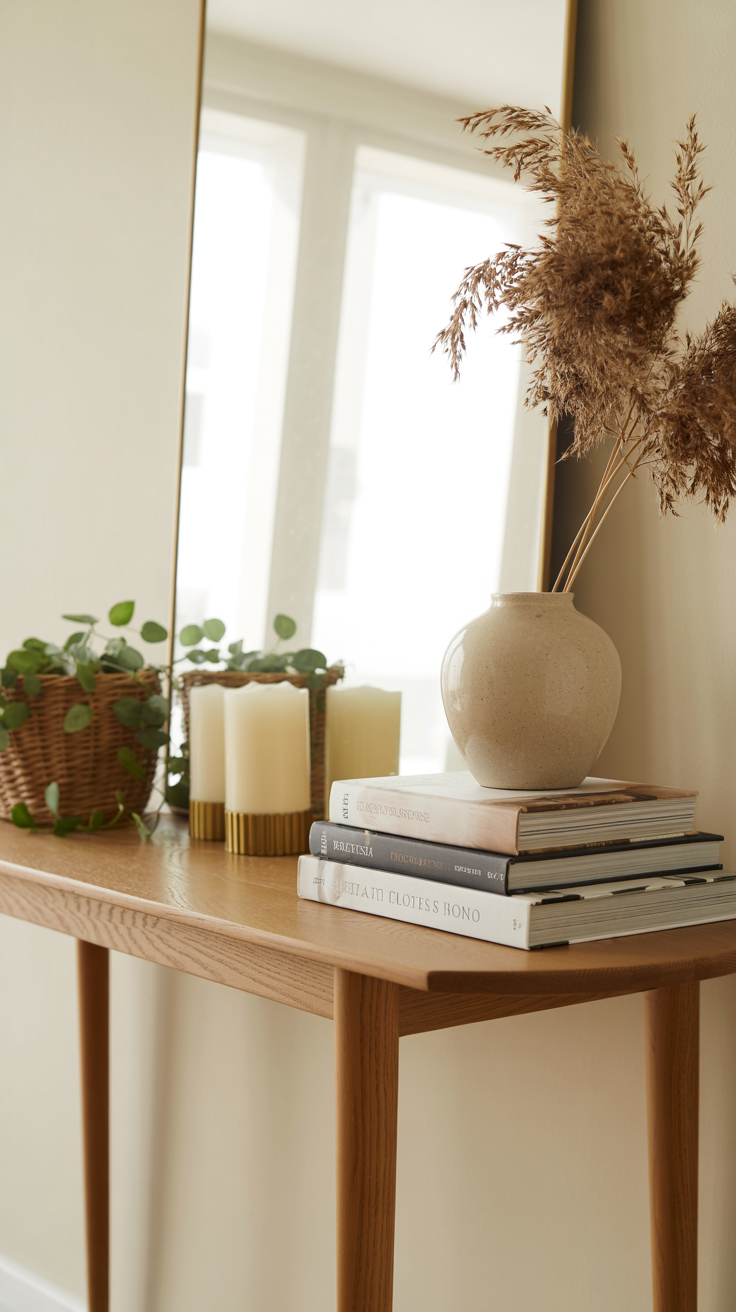
Tip: Choose colors that complement your room’s overall palette. This creates cohesion and makes the console table feel like part of the space rather than a separate piece.
Step 4: Layer Items Strategically
Layering is key to creating a designed yet effortless look. Here’s how to do it:
1. Start With a Backdrop
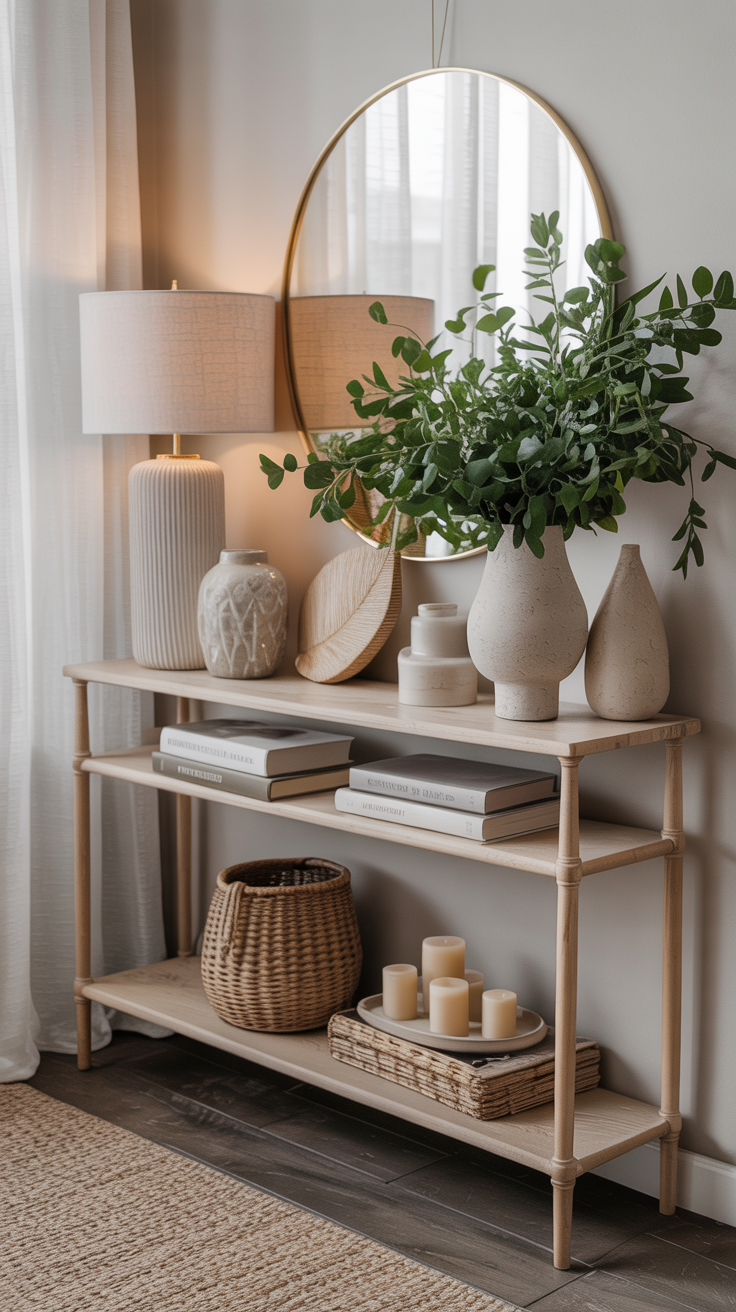
Use a mirror, artwork, or tall sculpture as the anchor.
The backdrop gives height and visual interest, preventing the table from looking flat.
2. Vary Heights
Place items of different heights together to create dimension.
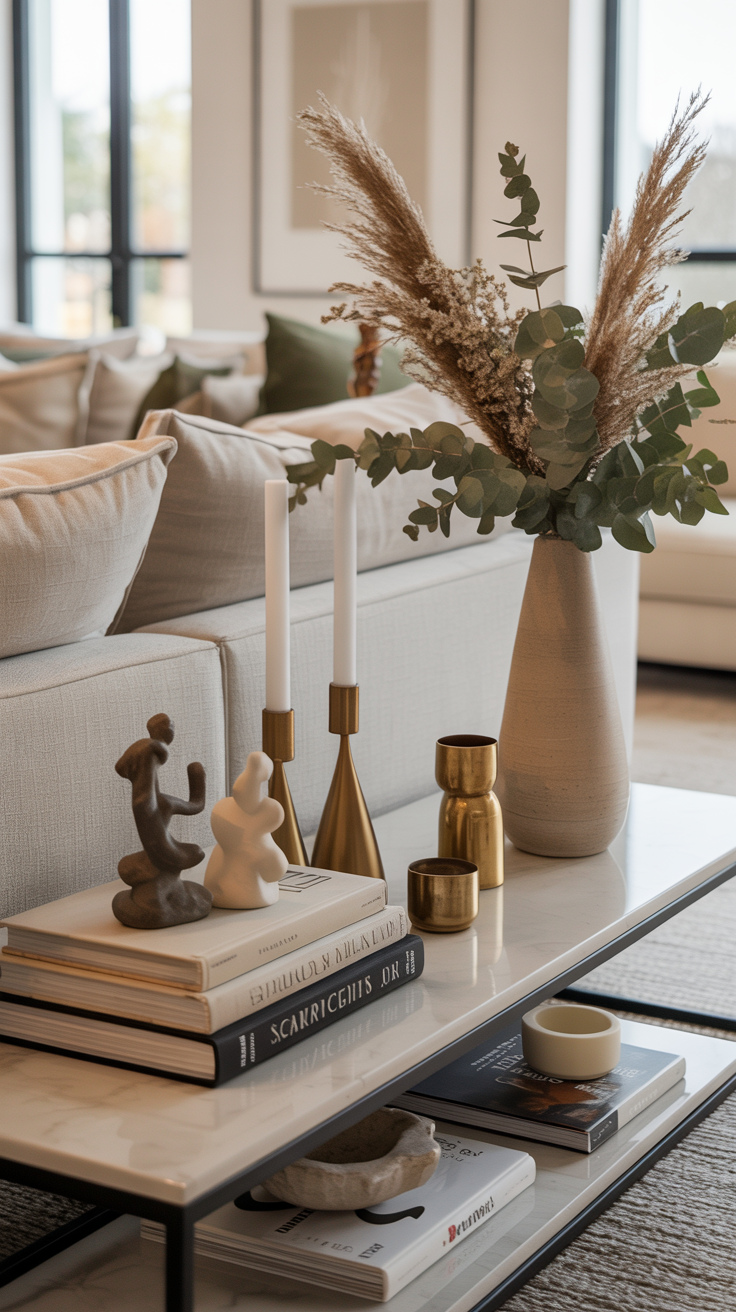
For example: a tall vase next to a low tray or stack of books.
3. Group in Odd Numbers
Grouping in 3s or 5s feels more natural than 2s or 4s.
Odd numbers create visual tension and flow, which the eye finds appealing.
4. Balance Symmetry and Asymmetry
Symmetrical Styling: Perfect for formal areas or classic interiors. Example: identical lamps on either side with a centerpiece in the middle.
Asymmetrical Styling: Feels relaxed and modern. Example: tall vase on one side, stack of books with a small sculpture on the other.
Step 5: Incorporate Functional Accessories
Even decorative items can serve a purpose. These pieces reduce clutter because they organize or hold items:
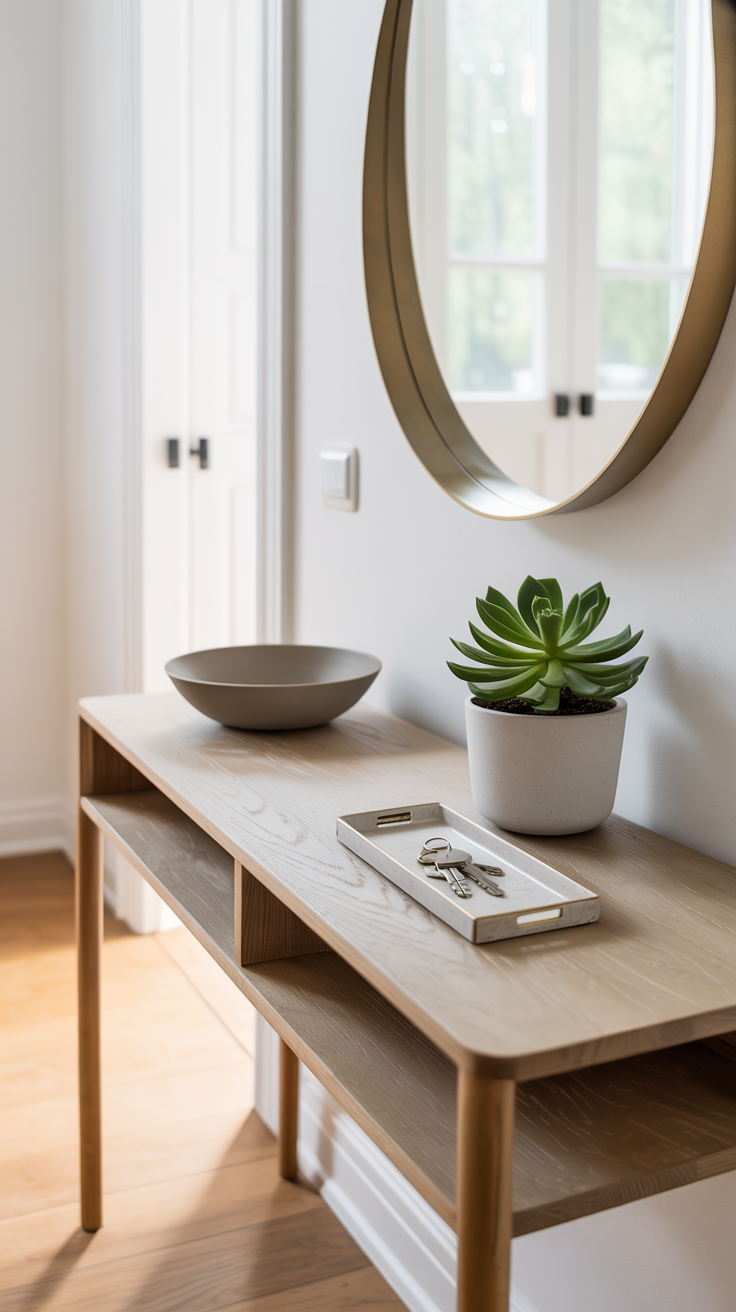
Trays: Perfect for corralling keys, mail, or small decorative items.
Bowls or Catch-All Dishes: Great for holding change, sunglasses, or jewelry.
Baskets: Ideal for storing miscellaneous items under the console table.
Books: Not only decorative but functional for raising objects to different heights.
Tip: Use containers that complement your design—metallic trays, wooden bowls, or ceramic dishes elevate functionality.
Step 6: Mix Textures and Materials
Texture adds interest and depth, preventing your console table from looking flat. Consider combining:
Glass & Metal: Reflective surfaces add shine and sophistication.
Wood & Natural Fibers: Adds warmth and tactile appeal.
Ceramic or Stone: Creates weight and grounding for lighter items.
Fabric or Linen: Table runners, folded napkins, or soft baskets add softness.
The mix of materials makes your table feel curated and intentional without needing to overfill it.
Step 7: Add Greenery or Natural Elements
Plants and natural elements bring life and freshness to your console table:
Potted Plants or Succulents: Small plants add greenery without taking up much space.
Cut Branches or Flowers: Seasonal blooms in a tall vase create drama.
Decorative Twigs or Dried Flowers: Perfect for minimal styling with a modern touch.
Natural elements also soften edges and add a calming, organic vibe to your display.

Step 8: Incorporate Personal Touches
Your console table should tell a story about you. Add personalized elements that are meaningful:
Family Photos: Use a small frame or a cluster of 2–3 photos.
Travel Souvenirs or Trinkets: Showcase your experiences without overcrowding.
Small Art Pieces or Sculptures: Choose one or two statement objects that reflect your style.
Tip: Avoid adding everything you own. Pick a few favorites and rotate seasonally.
Step 9: Use Vertical Space Wisely
Console tables are narrow, so vertical layering is key:
Tall Lamps or Candlesticks: Adds height and elegance.
Wall-Mounted Mirrors or Art: Visually extends the table upwards.
Stacked Books or Boxes: Use them to elevate smaller decorative objects.
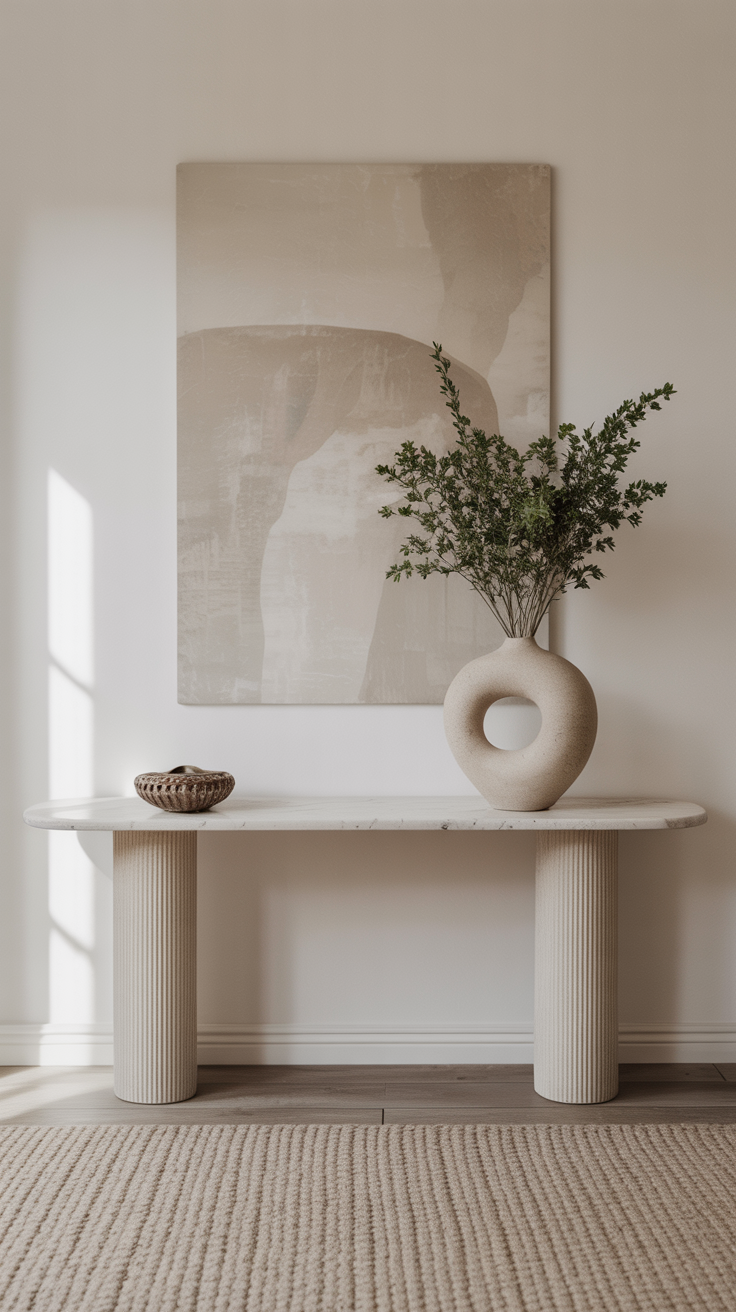
Verticality creates balance and prevents the table from feeling cluttered.
Step 10: Keep It Seasonal
Switching up your console table styling seasonally keeps it fresh without overcomplicating your design:
Spring: Fresh flowers, pastel accents, light textures.
Summer: Bright colors, shells, and greenery.
Fall: Pumpkins, dried florals, warm-toned candles.
Winter/Holidays: Pinecones, festive ornaments, metallic accents.
Seasonal styling makes your table dynamic and interesting without feeling cluttered.
Step 11: Edit Ruthlessly
The difference between clutter and style is intentional editing. After styling, step back and ask:
Does each item serve a purpose or add visual appeal?
Are items grouped in a balanced way?
Could removing one item improve the overall look?
Remember: Less is more. Leave negative space—empty areas help items breathe and elevate the table’s overall aesthetic.
Step 12: Lighting Matters
Even a beautifully styled console table can look messy in poor lighting. Consider:
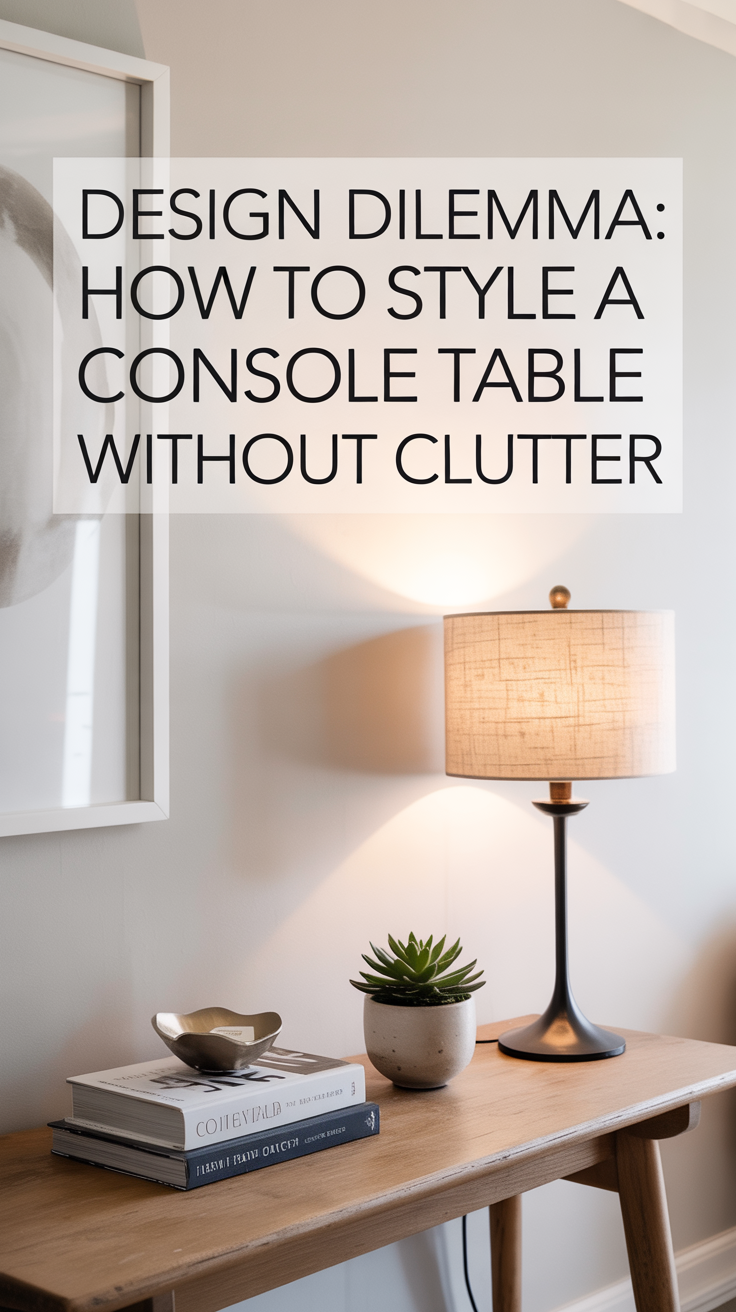
Table Lamps: Adds warmth and doubles as a decorative element.
LED Candles or String Lights: Create ambiance without clutter.
Natural Light: Position near a window if possible to highlight your styling.
Good lighting highlights your curated display and makes the table feel inviting.
Step 13: Styling Mistakes to Avoid
1. Too Many Small Objects
Avoid overfilling your table with tiny, unrelated items—they create visual chaos.
2. All Same Height
A flat, monotonous table is uninteresting. Use varying heights to create depth.
3. Ignoring Function
A console table in an entryway should be practical. Don’t sacrifice usability for style.
4. Forgetting Balance
Items shouldn’t all be on one side—consider symmetry or intentional asymmetry for visual harmony.
5. Neglecting Color
Objects that clash or compete with each other make your display feel cluttered. Stick to a cohesive palette.
Step 14: Examples of Console Table Styling
Entryway
A tray for keys and sunglasses
A small potted plant
Tall mirror as a backdrop
Decorative bowl for mail
Living Room
Pair of lamps for symmetry
Stack of books with a small sculpture on top
Vase with seasonal flowers
Minimal decorative objects grouped in 3
Behind the Sofa
Horizontal mirror or artwork
Candleholders in varying heights
Bowl with seasonal decorative objects
Low stack of books for interest
Step 15: Seasonal Rotation and Refresh
To maintain a clutter-free table:
Rotate items every 2–3 months.
Swap seasonal decor for minimal neutral pieces in off-seasons.
Store unused items in baskets or boxes to avoid visual overload.
Regular refreshes keep your console table looking intentional and stylish year-round.

Step 16: Final Styling Tips
Anchor a Statement Piece: One standout object creates focus.
Repeat Shapes or Colors: Repetition creates cohesion.
Leave Negative Space: Less is more; don’t fill every inch.
Think Vertically: Layering in height adds dimension.
Blend Function and Decor: Objects can be both useful and beautiful.
By following these tips, your console table will go from cluttered chaos to a polished, intentional display that enhances your home.
Styling a console table without clutter isn’t about perfection—it’s about curation, balance, and intention. By defining its purpose, starting with a clean slate, choosing a cohesive palette, layering objects thoughtfully, and editing ruthlessly, you can create a console table that looks designed, feels functional, and complements your home’s style.
Remember: a console table is an opportunity to showcase your personal style, celebrate seasonal decor, and add function without sacrificing beauty. With these tips, you can tackle the design dilemma and transform your console table into a statement piece that elevates any room.