

Lighting can make or break a space—this is something every designer, DIY home decorator, and homeowner eventually discovers. You can buy the nicest furniture, choose the perfect paint color, and layer textures like a pro… but if your lighting temperature is off, the entire room can feel flat, cold, yellow, dated, or simply wrong.
Lighting temperature—measured in Kelvins (K)—has a powerful influence on how we perceive color, mood, space, and even how comfortable or productive we feel. Yet it’s one of the most overlooked and misunderstood elements in home design.
This comprehensive guide will teach you exactly how to choose the right lighting temperature for every room, how to avoid common mistakes, and how to create cohesive lighting throughout your entire home for a polished, magazine-worthy aesthetic.
Let’s dig in.
What Is Lighting Temperature? (And Why It Matters)
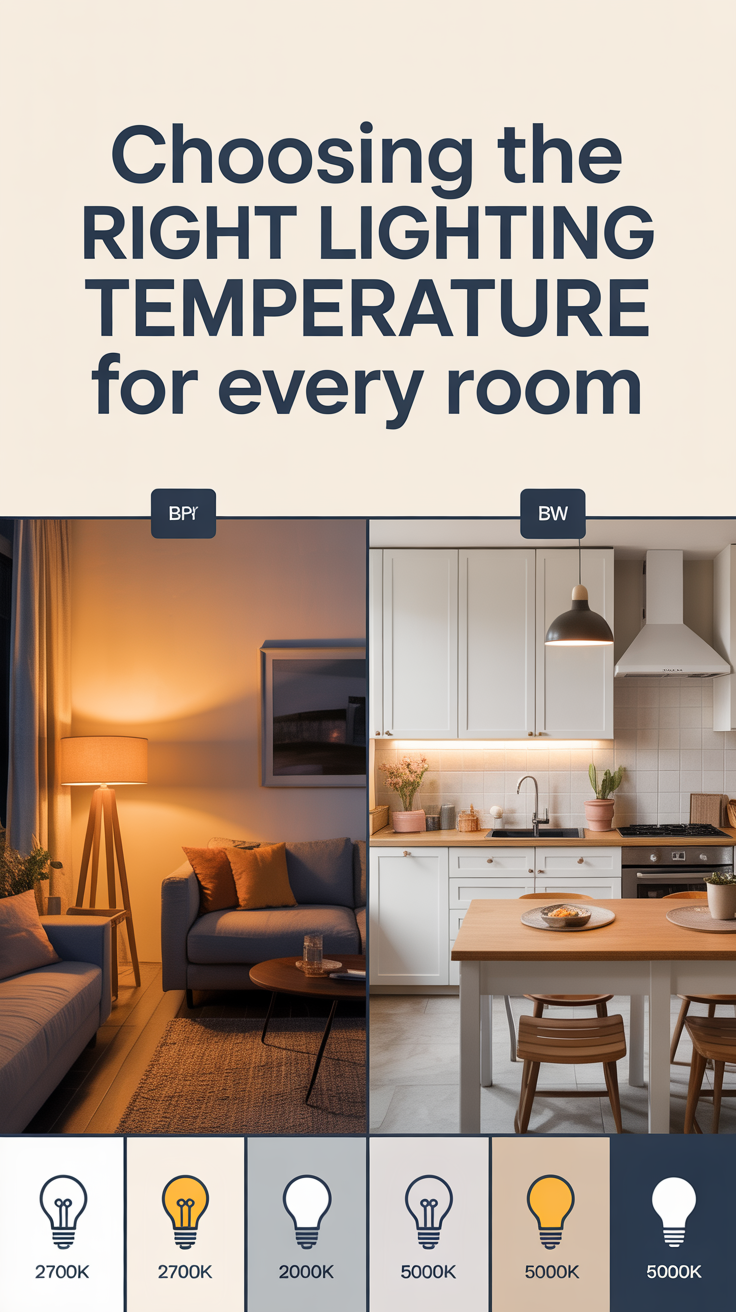
Lighting “temperature” refers to the color appearance of light, measured on the Kelvin scale. The lower the number, the warmer (more yellow/orange) the light appears. The higher the number, the cooler (more blue/white) the light becomes.
Common ranges:
2700K – 3000K: Warm, cozy, ambient
3500K – 4000K: Neutral white
4500K – 5000K: Cool, bright, daylight-like
5000K – 6500K: Crisp daylight (mostly for task lighting, garages, and photography)
Lighting temperature impacts:
The overall mood of a room
How your paint colors appear (a huge detail homeowners often miss)
The perceived cleanliness of a space
Eye strain and productivity
How your furnishings look in real life and in photos
Sleep and circadian rhythm
Choosing the wrong temperature can make your freshly painted walls look totally different at night. It can make a modern kitchen look dingy… or make a cozy living room feel harsh and clinical.
Choosing the right temperature, however, can elevate your home instantly, without changing anything else.
The Biggest Mistake Homeowners Make With Lighting Temperature
Here it is:
Mixing too many temperatures throughout the home.
One room might have warm 2700K bulbs…
Another has bright white 4000K…
The bathroom vanity is cool blue 5000K…
The hallway light is a leftover bulb from 1999…
Soon, each room feels disconnected or visually chaotic—even if the décor matches.
Consistency is key.
Not everything has to be the same temperature, but it should coexist intentionally.
So now let’s explore what temperature works best for each space—and how to combine them like a true designer.
The Best Lighting Temperature for Every Room in Your Home
Below, you’ll find room-by-room guidance to help you confidently select the perfect Kelvin range.
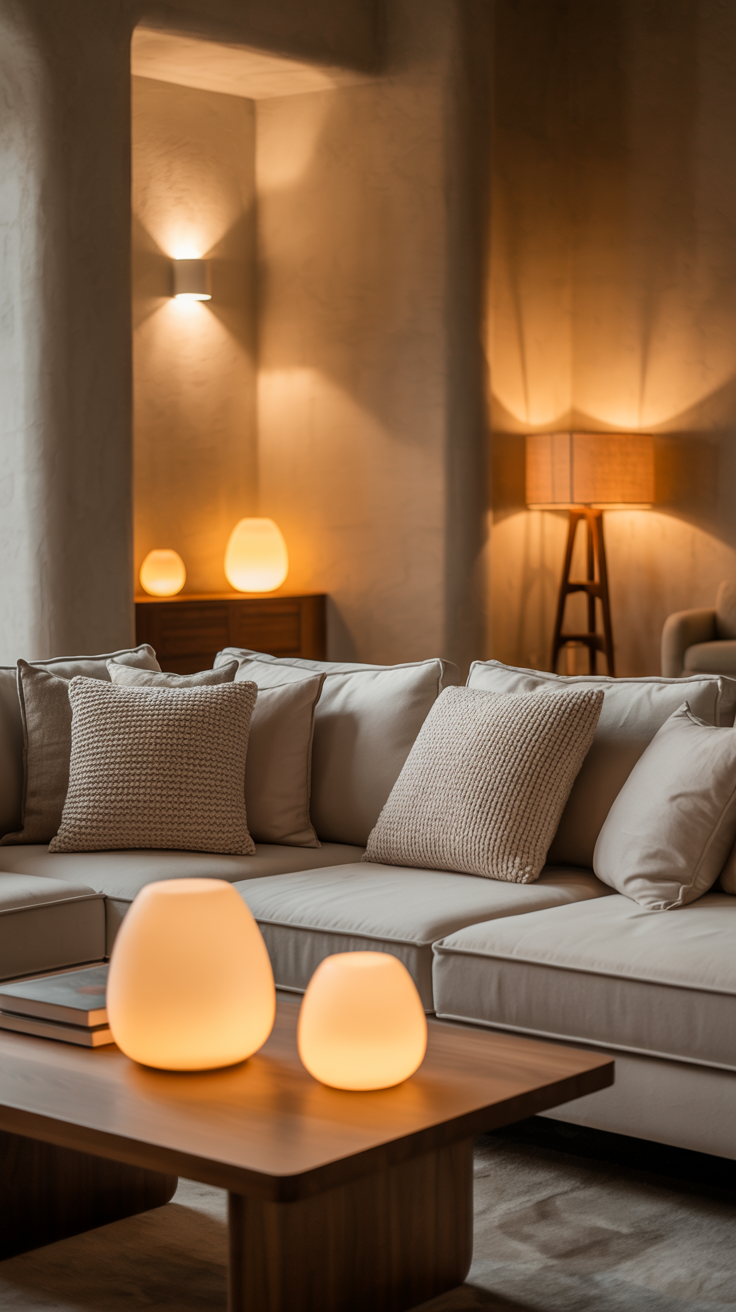
1. Living Room: 2700K–3000K (Warm, Cozy, Inviting)
Your living room is the heart of relaxation. It’s where you unwind at night, entertain friends, watch movies, or curl up with a book. In most cases, warm lighting works best because it creates a sense of comfort and softness.
Best Temperature: 2700K–3000K
Cozy, calm, and flattering
Brings out wood tones, leather, and textiles
Enhances warm paint colors
Matches the “lamplight glow” most people prefer at night
What About Cool Light in Living Rooms?
Cooler light (3500K+) is generally too stark for living rooms, unless your design is ultra-modern, minimalist, and monochrome. Even then, most designers still add warm accent lighting for balance.
Top Living Room Lighting Tips
Mix overhead lighting with floor and table lamps.
Use dimmers—they’re your design superpower.
Choose smart bulbs so you can adjust warmth based on mood.
2. Kitchen: 3000K–4000K (Neutral and Functional)
Kitchens need a balance of warmth and clarity. You want the space to feel inviting, but also bright enough for cooking and food prep.
Best Temperatures:
Overhead/main lighting: 3000K–3500K
Task lighting (under-cabinet): 3500K–4000K
Accent lighting (pendants): 2700K–3000K
This layered lighting approach creates a high-end look that designers rely on.
Why Not Cool 5000K Kitchen Lighting?
Because it often makes:
Food look unappetizing
Stainless steel appear harsh
White cabinets turn slightly blue
Warm wood floors clash with the light
Unless your home is a commercial kitchen, keep it in the neutral zone.
3. Dining Room: 2700K (Warm, Flattering, Ambiance-Focused)
Your dining room should always lean warm. Think candlelight—soft, amber, and flattering.
Best Temperature: 2700K
Warm light makes food look richer and more appetizing. It also flatters skin tones, which is ideal when you’re hosting.
Design Tip
Install dimmable warm LED bulbs in chandeliers or pendant lighting. This helps create beautiful ambiance for dinners, holidays, and gatherings.
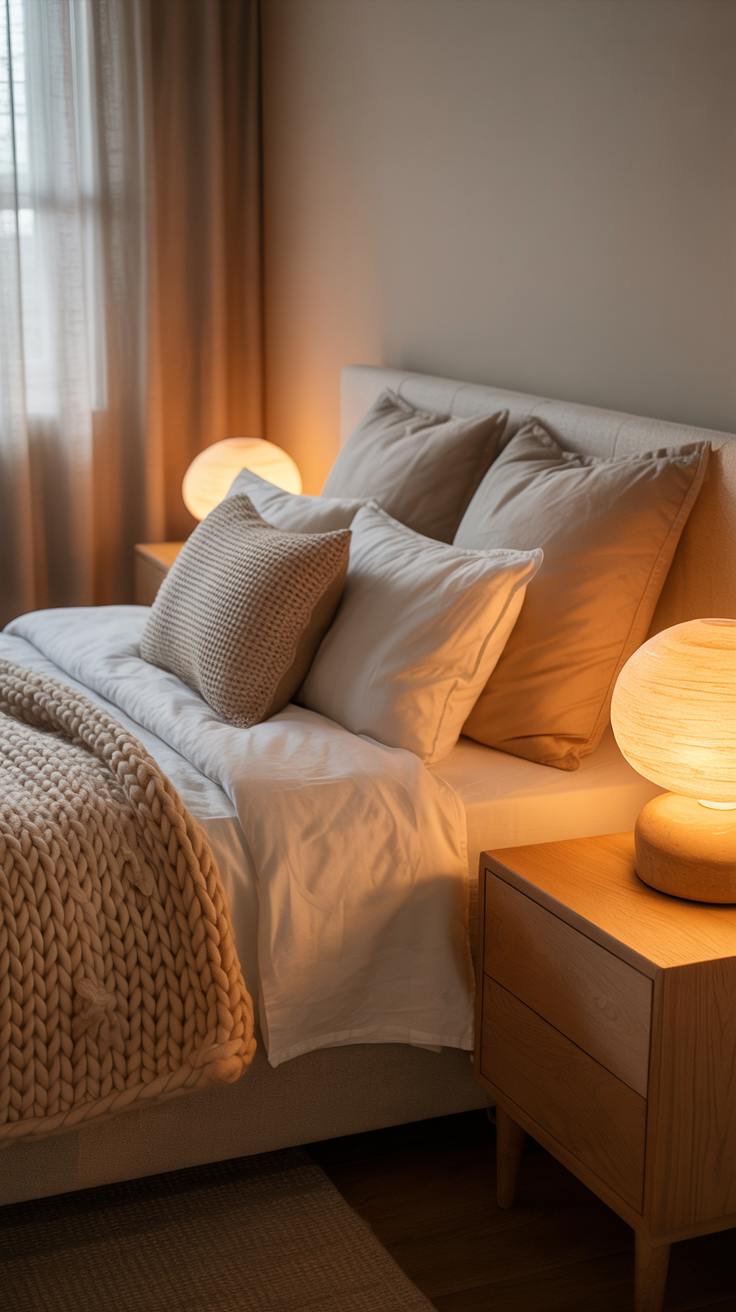
4. Bedroom: 2700K–3000K (Warm and Restful)
Bedrooms should promote relaxation and support healthy sleep. Warm lighting is essential because blue-toned light interferes with melatonin production.
Best Temperature: 2700K–3000K
Perfect for night-time wind-down
Softens the room
Works beautifully in bedside lamps
Enhances cozy textures: bedding, rugs, curtains
Avoid: 4000K+
Cool lighting in bedrooms feels jarring and unrelaxing—especially in the morning or late evening.
5. Bathroom: 3000K–4000K (Bright, Clean, But Still Warm Enough)
Bathroom lighting can be tricky because you have two different goals:
Daily tasks: shaving, makeup, skincare
Relaxation: think spa vibes
Best Temperature At the Vanity: 3500K–4000K
This range mimics daylight and provides accurate color rendering, which is essential for grooming.
Spa Lighting: 2700K–3000K
For baths or relaxation time, add softer, warmer lighting through:
Wall sconces
Overhead dimmable fixtures
Smart bulbs
This dual-temperature approach lets you switch between functional and relaxing.
6. Home Office: 3500K–5000K (Productive, Focused Light)
The right office lighting can drastically impact your focus and productivity.
Best Temperature: 4000K
It’s bright, crisp, and close to natural daylight—ideal for reducing eye strain and boosting alertness.
For Detailed Work: 5000K Task Lamps
This is helpful if you do:
Design work
Fine detail work
Color-sensitive tasks
Photography editing
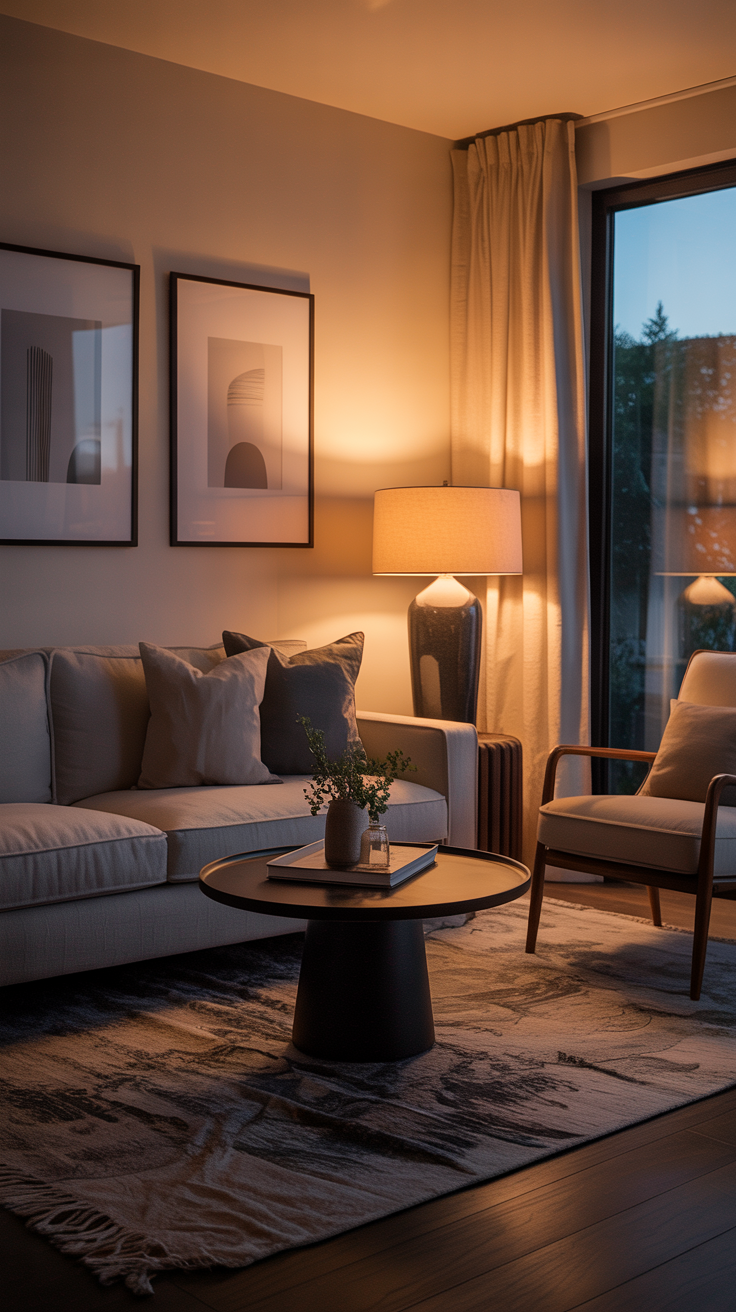
Avoid Too-Warm Lighting in Home Offices
Warm light (2700K) tends to make people sleepy and reduces focus—perfect for a living room, not an office.
7. Hallways & Entryways: 3000K (Balanced and Welcoming)
These transitional spaces should feel connected to the rest of the home. A neutral warm white (around 3000K) does exactly that.
Why Not Too Warm or Too Cool?
Too warm looks dim and dated
Too cool looks commercial and out of place
Stick to 3000K so your hallways feel polished yet comfortable.
8. Laundry Room & Utility Spaces: 3500K–5000K
These areas benefit from bright, functional lighting.
Best Temperatures:
General use: 3500K–4000K
High-visibility tasks: 5000K
Cooler lighting makes laundry sorting and cleaning easier, especially with white fabrics.
9. Garage: 4000K–6500K
Garages need bright, crisp lighting—especially if you use the space for hobbies, storage, or projects.
Best Temperatures:
Everyday clarity: 4000K–5000K
Maximum visibility (workshops): 5000K–6500K
How Lighting Temperature Affects Paint Colors
Lighting is one of the biggest reasons people regret a paint color.
Warm Lighting (2700K):
Enhances warm tones (beige, cream, terracotta)
Can make cool tones look muddy or greenish
Neutral Lighting (3000K–3500K):
Makes most colors appear truer
Best for mixed-tone color palettes
Cool Lighting (4000K+):
Enhances cool tones (gray, blue, black, white)
Can make warm colors appear dull or brownish
Pro Tip:
Test your paint samples in both natural light and nighttime artificial light before committing. Many colors look completely different once the sun goes down.
How to Create a Cohesive Lighting Plan Across Your Home
Even if each room uses a slightly different temperature, the home should feel unified.
Step 1: Choose a Lighting “Base Temperature”
Most designers choose either:
2700K for warm, cozy homes
3000K for balanced, modern homes
Then they layer neutrals or cool temps strategically where needed.
Step 2: Use Consistent Temperatures Within Each Room
Never mix:
2700K lamps with 5000K overheads
Warm pendants with cool under-cabinet lighting
Choose one temperature per zone.
Step 3: Use Smart Bulbs for Flexibility
Smart bulbs allow you to adjust:
Temperature
Brightness
Scheduling
Scenes (e.g., “Relax,” “Focus,” “Dinner,” “Morning Routine”)
This is a modern solution to a classic design dilemma.
Design Tips for Perfect Lighting
1. Always Add Dimmers
Dimmers are one of the cheapest upgrades with the biggest impact.
Transform one light into three moods instantly.
2. Layer Your Lighting
Each room should have at least:
Ambient light (overhead)
Task light (lamps, under-cabinet, vanity)
Accent light (picture lights, sconces, LED strips)
Layered lighting creates depth and dimension.