

A concrete patio is a staple of many backyards, offering a durable and functional foundation for outdoor living. However, over time, a plain gray slab can begin to look tired, stained, or simply uninspired. The good news is that a concrete patio provides the perfect blank canvas for a stunning outdoor makeover. Whether you are working with a tight budget or planning a luxurious outdoor retreat, there are countless ways to breathe new life into your concrete patio.
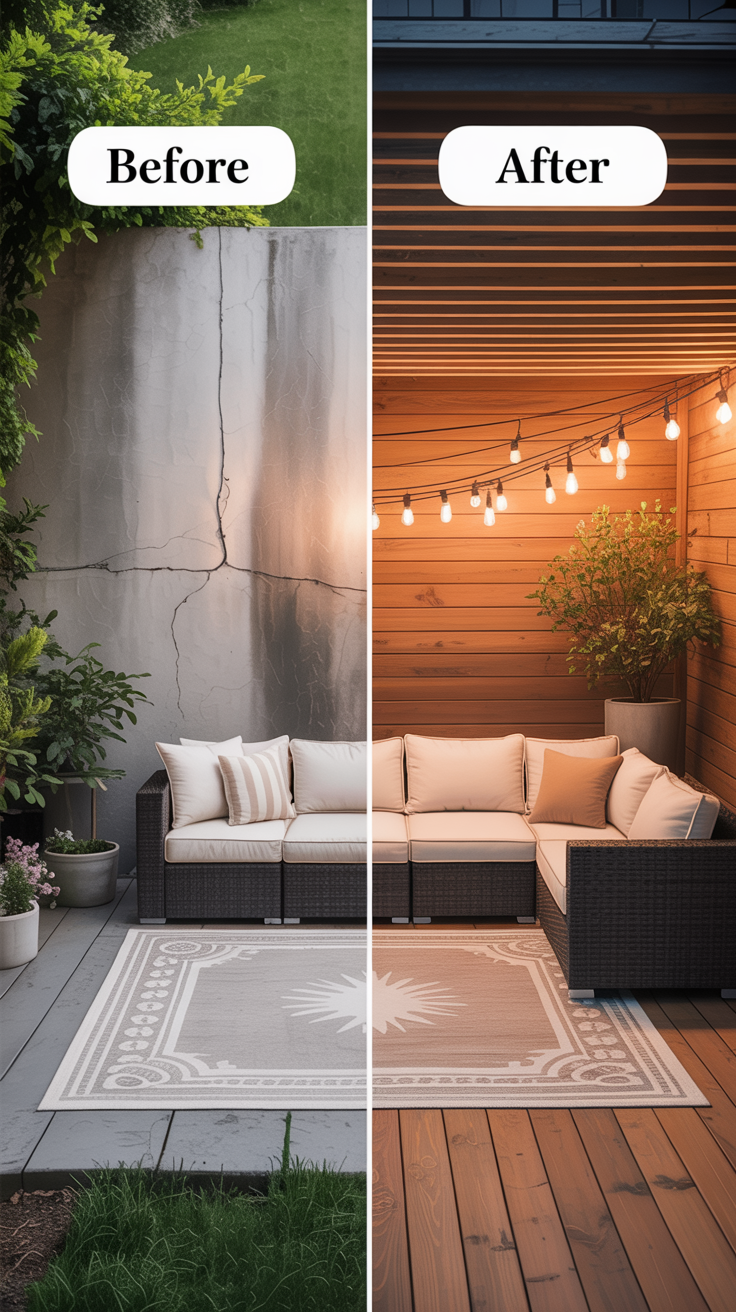
The Foundation: Cleaning and Repairing Your Concrete Patio
First step is to address the fundamental condition of your concrete patio. A clean, structurally sound surface is crucial for the success and longevity of any subsequent treatments or additions.
Deep Cleaning for a Fresh Start
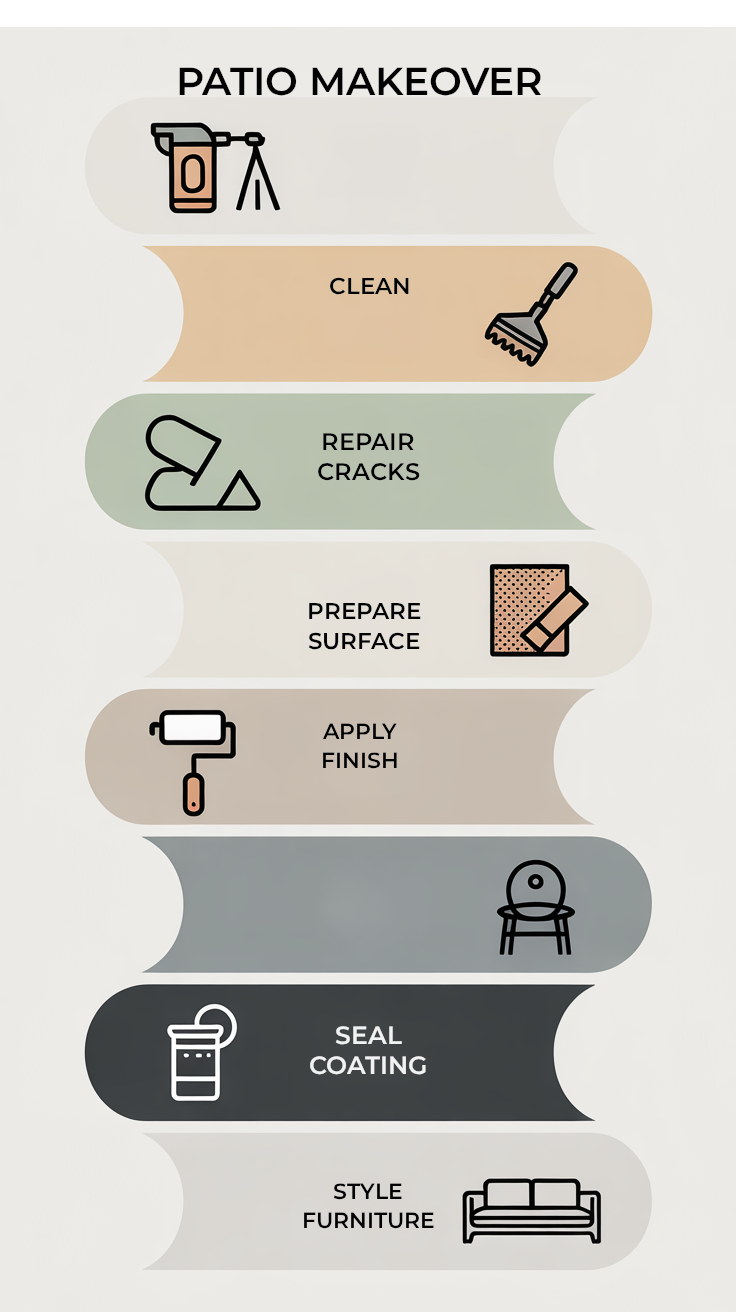
The first step in any patio makeover is a thorough cleaning. Over the years, concrete accumulates dirt, grime, mold, mildew, and various stains from leaves, rust, or spills. A heavy-duty power washing is often the most effective way to strip away these layers of buildup. For stubborn stains, specialized concrete cleaners or degreasers may be necessary. Removing this debris not only improves the immediate appearance of the patio but also ensures that paints, stains, or overlays will adhere properly to the surface.
Addressing Cracks and Imperfections
Once the patio is clean, inspect it carefully for cracks, spalling, or uneven areas. Small hairline cracks are common and can usually be filled with a flexible concrete caulk or liquid crack filler. Larger cracks or areas where the concrete has chipped away (spalling) require more substantial repairs using a concrete patching compound. It is important to address these issues promptly, as water can seep into cracks, freeze during colder months, and cause further damage. If your patio has significant structural issues or severe settling, you may want to call in the pros to determine if repairs are feasible or if a replacement is necessary.
Surface Transformations: Painting, Staining, and Resurfacing
If your concrete is in good condition but lacks visual appeal, altering the surface itself is a highly effective way to achieve a dramatic transformation. These methods range from budget-friendly DIY projects to more involved professional applications.
The Power of Concrete Paint
Painting is one of the most accessible and cost-effective ways to update a concrete patio. Specially formulated exterior concrete paints are designed to withstand foot traffic and weather conditions. You can choose a solid color to create a clean, modern look or use multiple colors to paint patterns, such as classic checkerboard, bold stripes, or intricate faux-tile designs. When painting concrete, proper preparation is paramount. The surface must be etched or primed according to the manufacturer’s instructions to ensure the paint bonds securely and resists peeling or chipping.
Enhancing with Concrete Stain
For a more sophisticated and natural appearance, concrete staining is an excellent option. Unlike paint, which sits on top of the surface, stains penetrate the porous concrete, creating a translucent, mottled effect that resembles natural stone, leather, or marble. There are two primary types of concrete stains: acid-based and water-based. Acid stains react chemically with the minerals in the concrete, producing rich, earthy tones that are permanent and unique to each slab. Water-based stains offer a broader spectrum of colors, including vibrant hues, and are generally easier to apply. Staining requires careful application and must be sealed afterward to protect the color and enhance its depth.
Complete Renewal with Concrete Overlays
If your patio surface is heavily pitted, discolored, or has numerous minor repairs, a concrete overlay or resurfacing kit can provide a brand-new, flawless finish. These polymer-modified cement blends are applied in a thin layer over the existing concrete. Overlays can be troweled smooth for a sleek, contemporary look or textured to mimic the appearance of slate, flagstone, or brick. Many resurfacing products also incorporate color or can be stained after application. While resurfacing is a more labor-intensive process than painting or staining, it offers a durable and highly customizable solution that completely revitalizes the patio’s appearance.
Adding Texture and Pattern: Stamped Concrete and Pavers
To elevate your patio beyond a flat surface, introducing texture and pattern can create a high-end, custom look. These methods often involve adding materials over the existing concrete or utilizing specialized techniques during a resurfacing project.
The Elegance of Stamped Concrete
Stamped concrete is a popular technique that involves pressing flexible polyurethane stamps into freshly poured concrete or a thick concrete overlay before it fully sets. These stamps are designed to replicate the textures and patterns of natural materials like cobblestone, wood planks, or ashlar slate. When combined with integral colors and antiquing release agents, stamped concrete can achieve a remarkably realistic appearance at a fraction of the cost of the actual materials. If you are applying an overlay to your existing patio, stamping is an excellent way to add significant visual interest and architectural character.
Laying Pavers Over Concrete
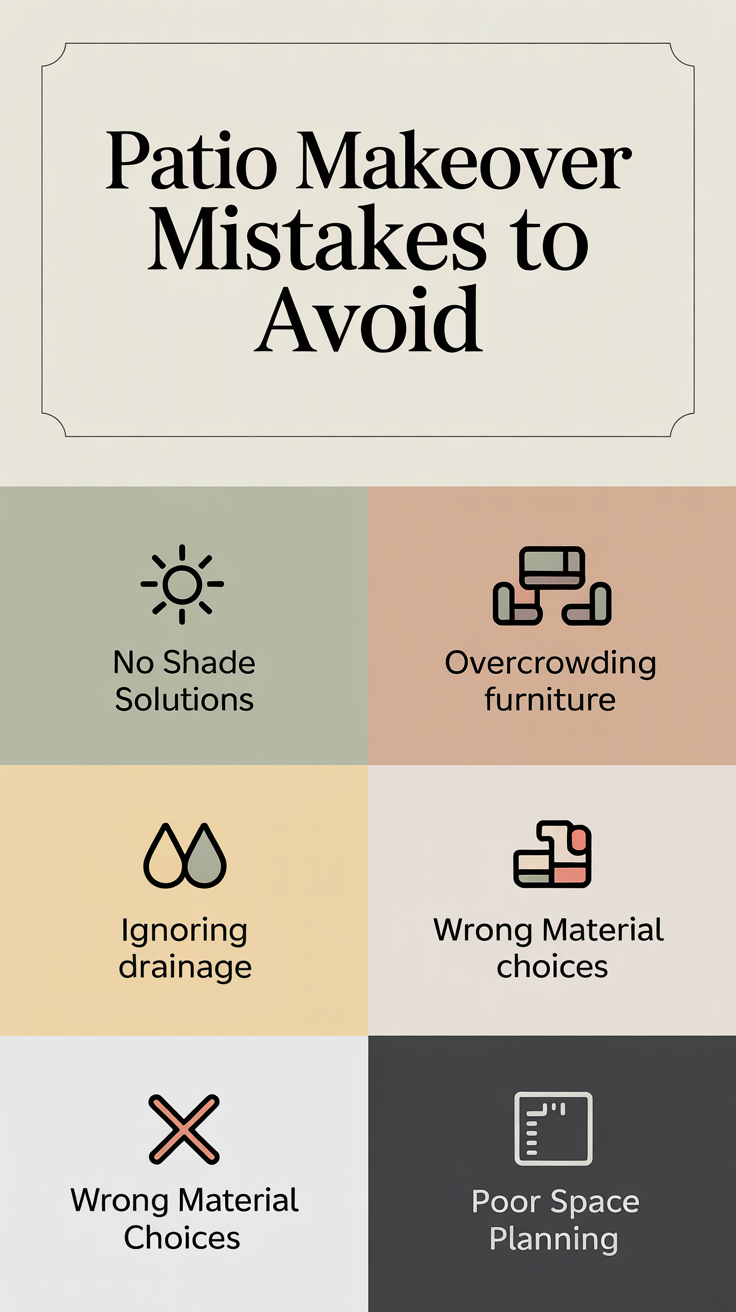
Another transformative approach is to install interlocking pavers directly over your existing concrete patio. This method eliminates the need to demolish and remove the old slab, saving time and money. Pavers come in a vast array of materials, including concrete, brick, and natural stone, offering endless design possibilities. When laying pavers over concrete, it is crucial to ensure proper drainage. A layer of sand or a specialized mortar bed is typically used to level the surface and secure the pavers. The perimeter must also be contained with a solid edge restraint to prevent the pavers from shifting over time. This approach not only upgrades the aesthetic but also adds a layer of durability and can help correct minor leveling issues in the original slab.
Elevating with Outdoor Flooring: Tiles and Decking
For a truly refined and comfortable outdoor living space, consider covering your concrete patio with specialized outdoor flooring materials. These options provide a polished look that seamlessly extends your indoor style to the outdoors.
The Sophistication of Outdoor Tiles
Tiling over a concrete patio can instantly elevate its elegance. Porcelain and ceramic tiles designed for exterior use are highly durable, frost-resistant, and available in an incredible variety of styles, colors, and patterns. You can choose tiles that mimic natural stone, rustic wood, or intricate geometric designs. Terracotta tiles offer a warm, Mediterranean feel, while sleek, large-format porcelain tiles create a modern, minimalist aesthetic. When installing tile over concrete, it is essential to use an appropriate outdoor thin-set mortar and flexible grout to accommodate temperature fluctuations and prevent cracking. Ensuring the concrete slab has a proper slope for water runoff is also critical before beginning a tiling project.
The Warmth of Composite Decking
If you prefer the warmth and texture of wood but want to avoid the maintenance associated with traditional timber, composite decking is an outstanding choice for covering a concrete patio. Composite boards are made from a blend of wood fibers and recycled plastics, making them highly resistant to rot, warping, and insect damage. They require no staining or sealing and are available in various realistic wood-grain finishes and colors. To install composite decking over concrete, a low-profile sleeper system or framework is typically constructed to support the boards and allow for airflow and drainage beneath the deck. This approach creates a seamless, elevated platform that feels luxurious underfoot.
Creating Comfort and Ambiance: Furniture and Decor
Once the foundation and surface of your patio are established, the next phase of the makeover involves furnishing and decorating the space. The right furniture and accessories transform a bare patio into a welcoming and functional outdoor room.
Selecting the Right Outdoor Furniture
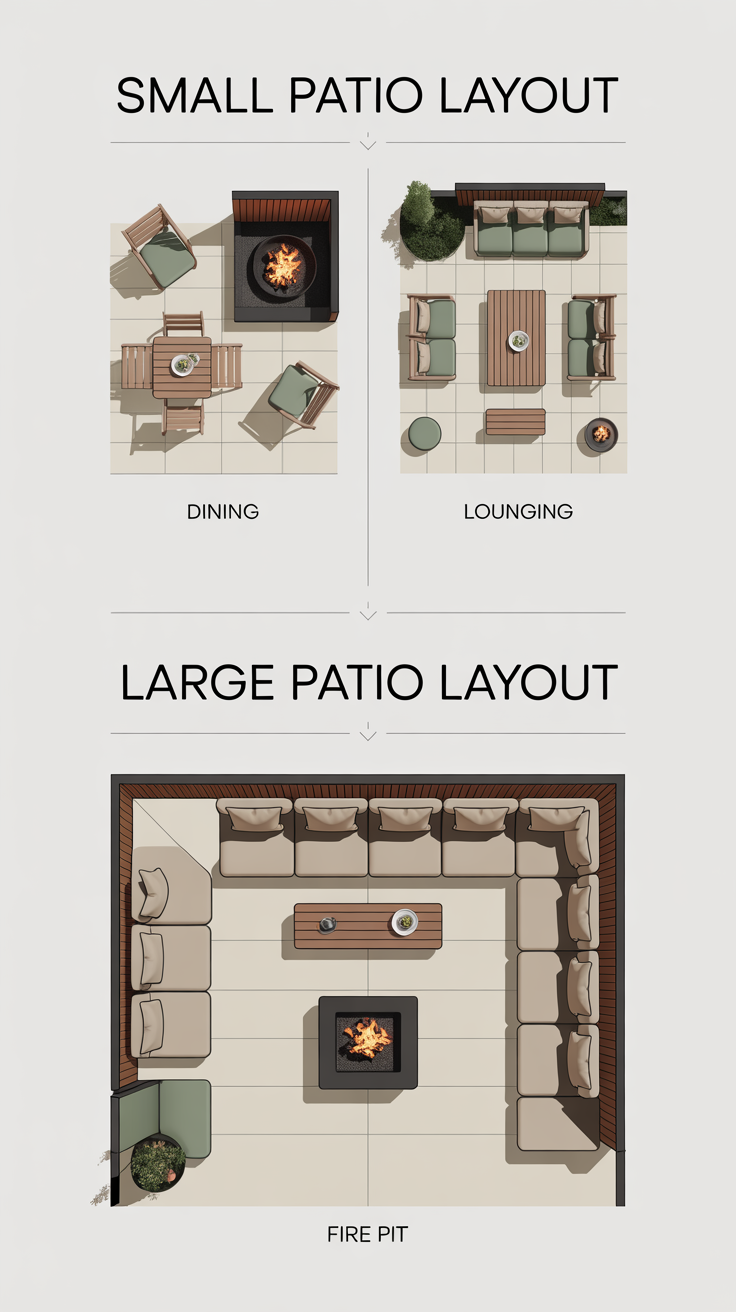
The furniture you choose dictates how your patio will be used. Consider your primary goals for the space: is it for dining, lounging, entertaining, or a combination of these? For outdoor dining, a sturdy table and comfortable chairs made from weather-resistant materials like teak, powder-coated aluminum, or synthetic wicker are ideal. If relaxation is the priority, invest in deep-seating lounge chairs, a plush outdoor sofa, or a cozy sectional. When selecting cushions and pillows, opt for high-quality, UV-resistant, and water-repellent fabrics that can withstand the elements while providing vibrant color and comfort.
Defining Spaces with Outdoor Rugs
An outdoor rug is a simple yet highly effective tool for defining different zones within your patio and adding a layer of coziness. A well-chosen rug can anchor a seating arrangement or dining area, making the space feel more intentional and put-together. Outdoor rugs are typically made from durable synthetic fibers like polypropylene, which are easy to clean and resistant to mold and fading. They offer an excellent opportunity to introduce bold patterns, textures, and colors that complement your overall design scheme and soften the hard surface of the concrete.
Incorporating Shade Structures
Providing relief from the sun is essential for maximizing the usability of your patio, especially during the hot summer months. Shade structures not only offer comfort but also add significant architectural interest to your outdoor space.
- Pergolas: A pergola is a classic and elegant shade solution. Whether constructed from wood, vinyl, or aluminum, a pergola defines the patio area while allowing dappled sunlight to filter through its slatted roof. For additional shade, you can train climbing vines to grow over the structure or install retractable fabric canopies.
- Umbrellas and Shade Sails: For a more flexible and budget-friendly option, large cantilever umbrellas or tensioned shade sails provide excellent coverage. Shade sails, in particular, offer a modern, sculptural look and can be overlapped in various configurations to create dynamic shade patterns.
- Gazebos and Pavilions: If you desire complete protection from both sun and rain, a solid-roofed gazebo or pavilion transforms your patio into a true outdoor room, allowing you to enjoy the space regardless of the weather.
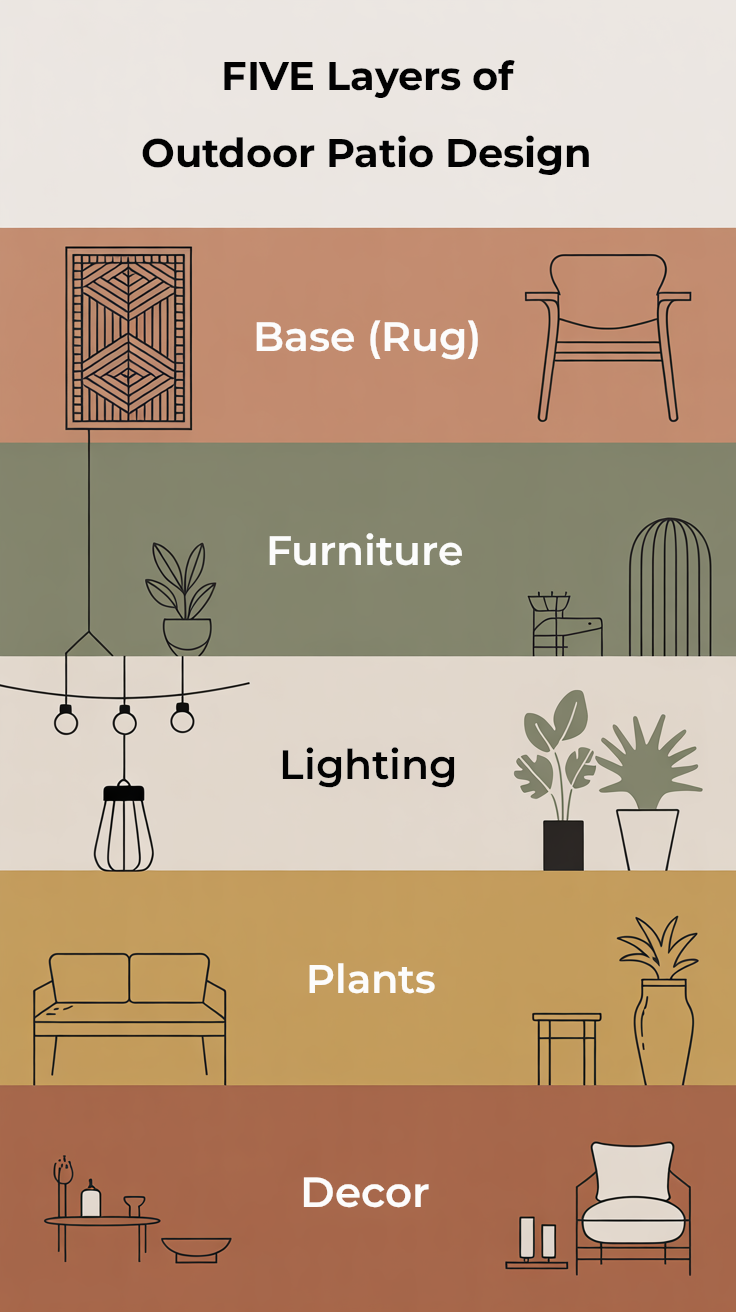
Illuminating the Night: Outdoor Lighting Strategies
A successful patio makeover extends the usability of the space well into the evening. A thoughtfully designed lighting scheme enhances safety, highlights architectural features, and creates a magical ambiance after dark.
Layering Your Lighting
The most effective outdoor lighting designs incorporate multiple layers of light to serve different purposes.
- Ambient Lighting: This provides overall illumination for the patio. String lights draped overhead or across a pergola are a popular and festive way to create a warm, inviting glow. Wall-mounted sconces or post lights can also provide broad, ambient light.
- Task Lighting: Task lighting is focused on specific areas where activities take place, such as a dining table or an outdoor kitchen. A pendant light suspended over a dining area or bright, focused lights near a grill ensure these spaces are functional at night.
- Accent Lighting: Accent lighting is used to highlight landscaping, architectural details, or specific features of the patio. Uplighting directed at trees, spotlights illuminating a water feature, or subtle LED strips installed under the lip of a seating wall add depth and drama to the nighttime landscape.
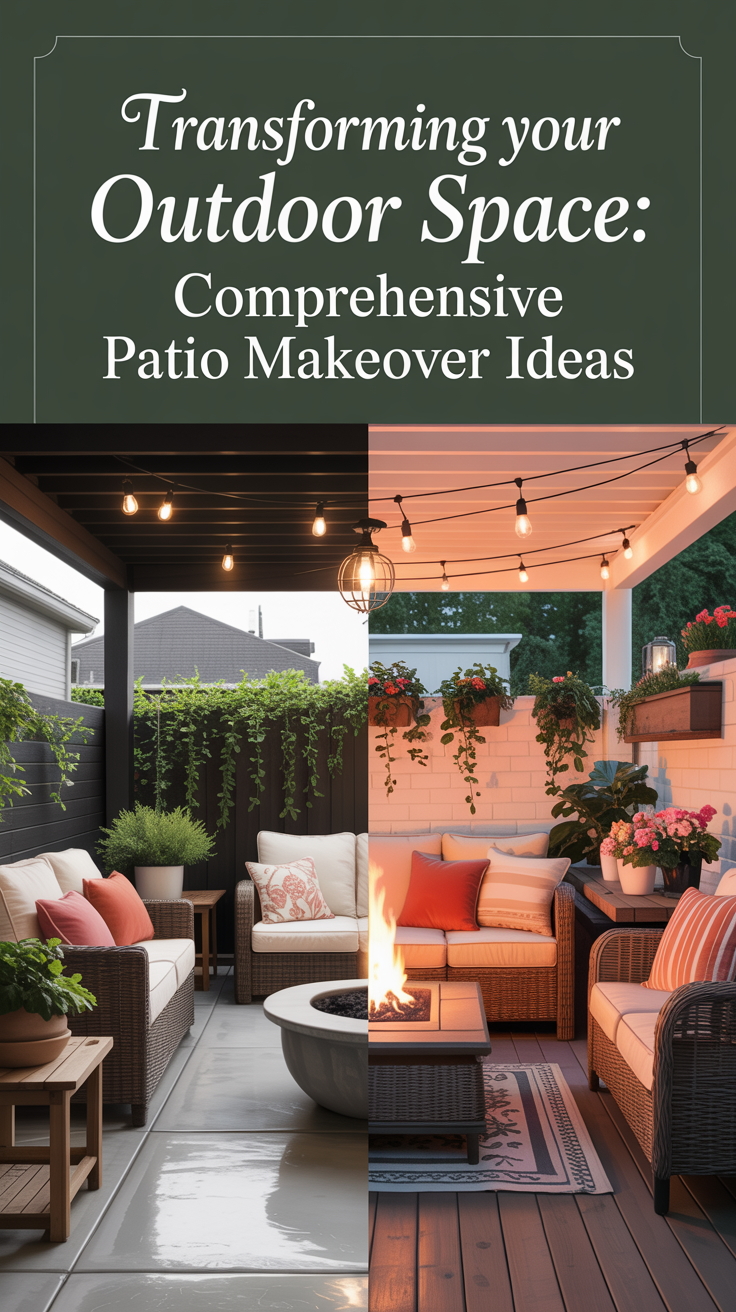
Embracing Fire Features
Incorporating a fire feature is one of the most impactful ways to enhance the atmosphere of a concrete patio. Fire provides warmth, light, and a natural gathering point that encourages conversation and relaxation.
- Fire Pits: A fire pit is a versatile and popular choice. They range from simple, portable metal bowls to elaborate, built-in structures clad in stone or stucco. Whether wood-