

Adding color to your home can be one of the most exciting and transformative parts of interior design—but for many homeowners, it also comes with anxiety. Fear of commitment, concerns about clashing shades, or the idea that color will limit future design choices can leave rooms feeling safe but uninspired. If this sounds familiar, you’re not alone.
The good news? You can introduce color strategically and confidently, even if you’re hesitant to make permanent choices. This guide explores methods, tips, and examples to infuse life into your home without feeling trapped by your color decisions.
Why Many People Fear Color
Before we explore solutions, it’s helpful to understand why color intimidates so many homeowners:
Permanent Commitment Anxiety
Choosing paint, wallpaper, or upholstery often feels like a long-term decision. The thought of making a “wrong” choice can be paralyzing.Fear of Clashing
Some people worry that introducing a bold hue will clash with existing furniture, flooring, or accessories.Overwhelm from Options
With thousands of paint swatches, fabrics, and decor items, decision fatigue is real.Psychological Associations
Colors carry emotional weight—red is bold and energizing, blue is calming, yellow is cheerful. Choosing the wrong color can feel like it might disrupt the mood of your space.
The key to overcoming this fear is introducing color in ways that are flexible, subtle, and layered.
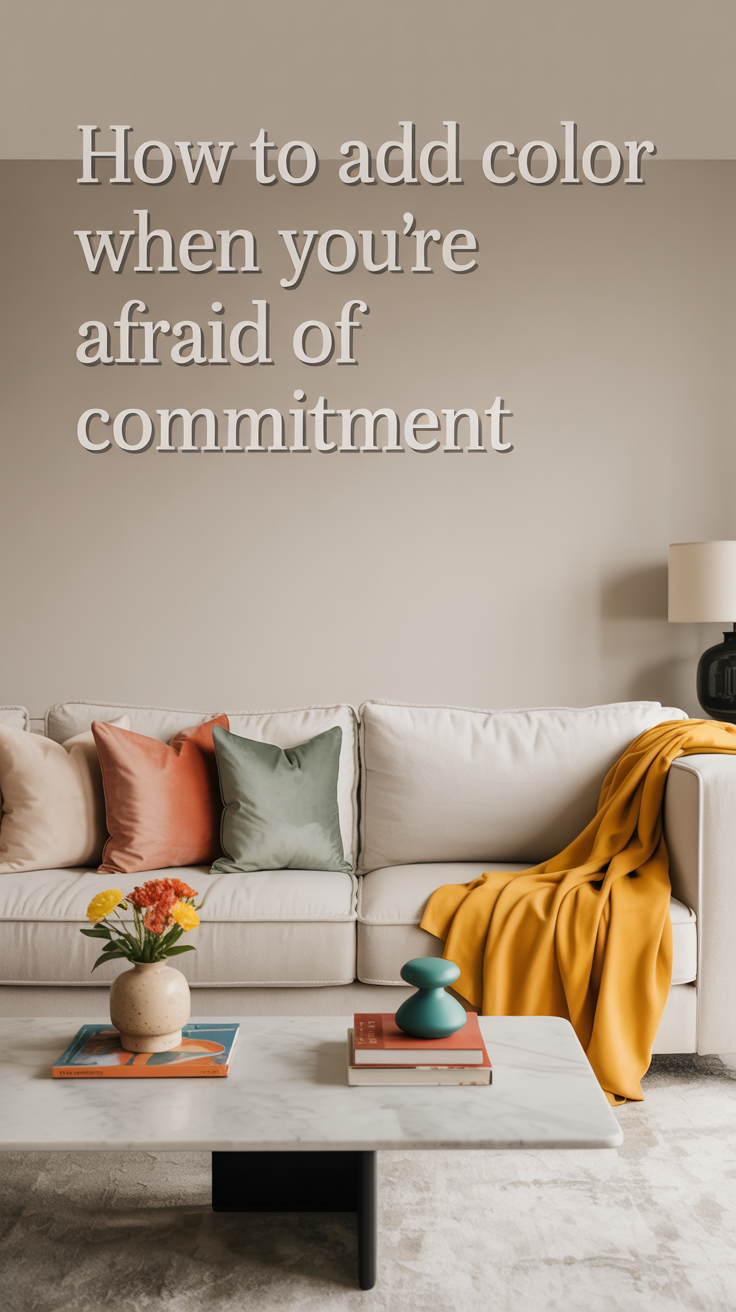
Step 1: Start With Neutrals as a Base
If you’re hesitant about color, begin with a neutral foundation. Neutral walls, floors, and large furniture pieces allow you to experiment without fear of making a permanent mistake.

Soft Whites and Creams: Provide a blank canvas that brightens and enlarges a space.
Warm Neutrals: Beige, taupe, and soft grays add warmth while keeping versatility.
Dark Neutrals: Charcoal, navy, and deep browns can anchor a space and make color accents pop.
Example: A living room with neutral walls and sofa can support almost any accent color through pillows, throws, or artwork.
Step 2: Introduce Color Through Accessories
Accessories are a low-commitment way to experiment with color.
Throw Pillows and Blankets: Easily swapped seasonally or whenever your mood changes.
Rugs: Add a statement color or subtle pattern without altering walls.
Artwork: Paintings, prints, or photography provide color and personality.
Decorative Objects: Vases, books, candles, or ceramics add pops of color.
Tip: Stick to 2–3 accent colors per room for a cohesive look. This keeps the space visually appealing without feeling chaotic.
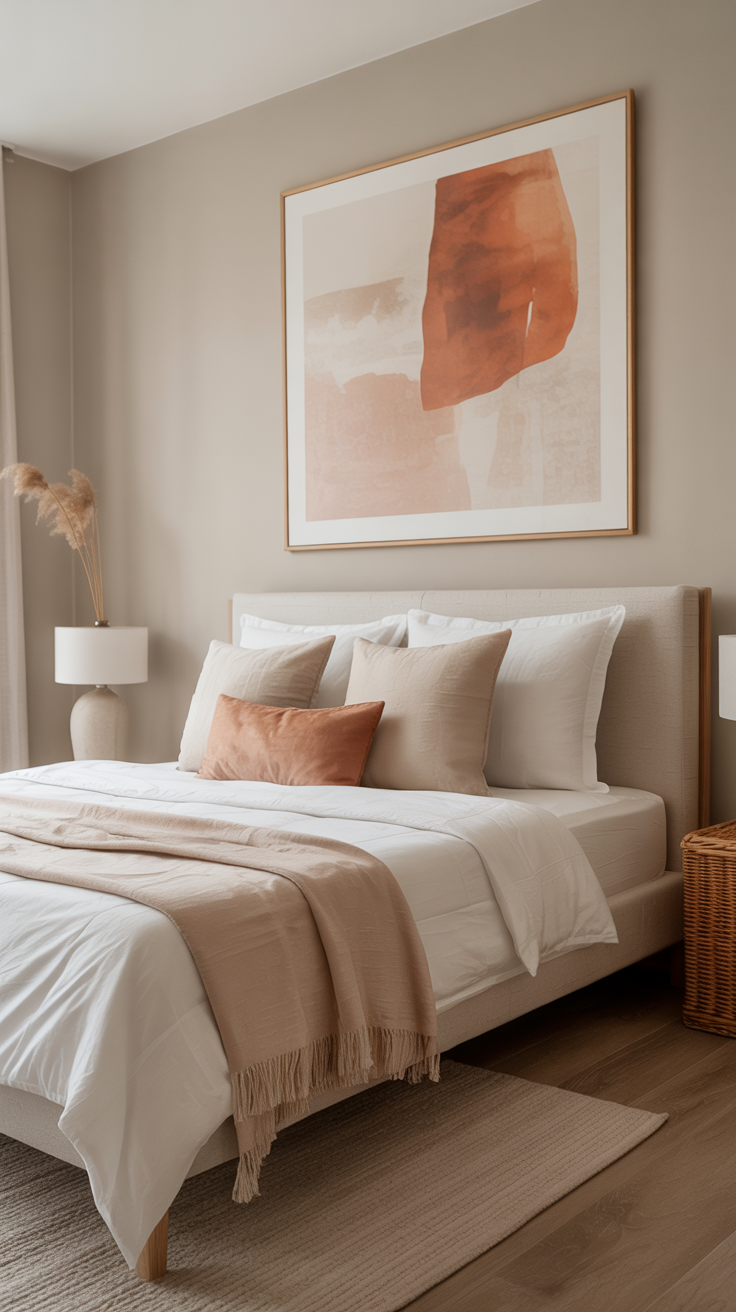
Step 3: Test Temporary Color Solutions
For those truly afraid of commitment, temporary solutions are lifesavers:
Removable Wallpaper or Decals: Add pattern and color without a permanent change.
Peel-and-Stick Tiles: Perfect for bathrooms, kitchens, or accent walls.
Slipcovers: Change the color of sofas or chairs seasonally.
Curtains or Drapes: Swap them for different hues to test new palettes.
Tip: Experiment with color in small doses before making large purchases or painting walls.
Step 4: Use Color in Small, Impactful Ways

You don’t need a whole room in a bold shade. Strategic placement can make a space feel vibrant:
Accent Wall: One wall in a room painted or wallpapered in a strong color draws the eye without overwhelming.
Furniture: A colorful chair, ottoman, or cabinet can act as a focal point.
Kitchen or Bathroom Cabinets: These can often be painted without fear, as smaller areas are easier to change later.
Ceilings: A fun, unexpected hue on a ceiling adds whimsy and personality.
Example: A navy accent wall behind a bed creates drama and contrast while leaving the rest of the room neutral and calming.
Step 5: Embrace Natural Color
Nature is one of the easiest ways to add color without risk:
Plants: Greenery and colorful flowers bring life and freshness.
Wood Tones: Furniture, flooring, or accents in natural wood add warmth and subtle variation.
Stone or Ceramic Accents: Terracotta, marble, or colored ceramics add natural color and texture.
Tip: Plants can be moved from room to room, and their color changes seasonally, so they’re perfect for flexible design.
Step 6: Use Color Gradually
Introduce color slowly, especially if you’re cautious:
Start with small accessories.
Observe how they interact with your existing palette.
Gradually introduce slightly bolder shades once you feel confident.
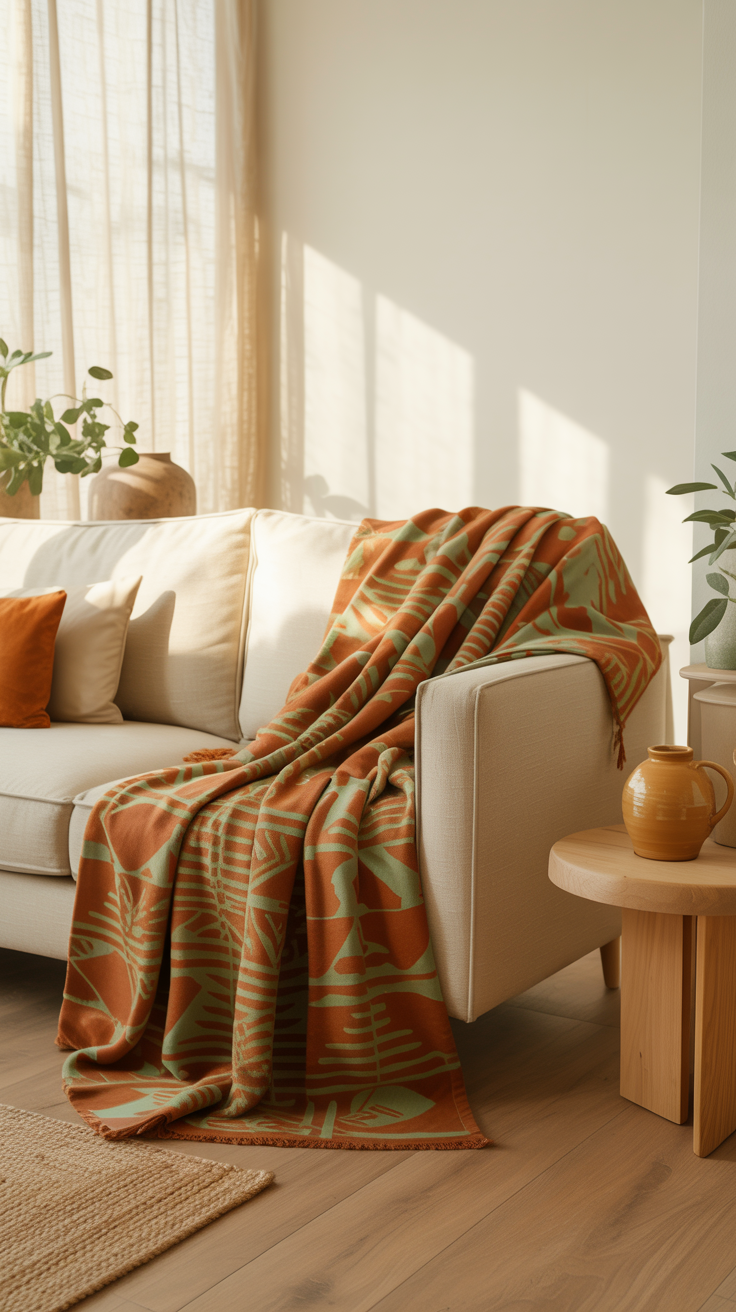
Example: Begin with pale blue pillows, then gradually introduce deeper blues in throws, rugs, or art pieces over several months.
Step 7: Work With Monochromatic Schemes
A monochromatic palette—different shades and tints of the same color—reduces visual risk while adding depth:
Soft sage walls with darker green pillows and a moss-colored rug.
Pale pink accents layered with rose and coral objects.
Light gray walls with charcoal accents and a few muted blues.
Tip: Texture and material variation are essential in monochromatic spaces to avoid flatness.
Step 8: Add Color Through Patterns
Patterns allow multiple colors to coexist in small doses:
Textiles: Rugs, cushions, and curtains with subtle patterns.
Wallpaper or Wall Art: Can introduce multiple hues without permanent paint.
Decorative Accents: Patterned vases, trays, or tableware.
Example: A throw pillow with soft yellow, gray, and white can complement a neutral sofa and inspire confidence for bolder choices later.
Step 9: Consider the Psychological Effect of Color
Understanding color psychology can help you pick shades that support your lifestyle:
Blue: Calm and serene—great for bedrooms and bathrooms.
Green: Balances and refreshes—ideal for living spaces and kitchens.
Yellow: Cheerful and energetic—perfect for small spaces or accents.
Red: Stimulating and bold—use sparingly in dining rooms or art pieces.
Neutral Warm Colors: Beige, tan, and taupe create cozy, welcoming backgrounds.
Tip: Use colors strategically based on how you want to feel in each space rather than just aesthetic preference.
Step 10: Layer Color With Materials
Color doesn’t have to come from paint or textiles alone. Different materials add visual color and warmth:
Wood: Different stains add subtle warmth.
Metal Finishes: Brass, copper, and gold accents introduce reflective warmth.
Stone & Ceramics: Natural variation in terracotta, marble, or glazed pottery adds depth.
Glass & Mirrors: Colored glass can introduce translucent shades without permanent commitment.
Example: Copper light fixtures, wooden bowls, and green plants together create a dynamic but controlled color palette.
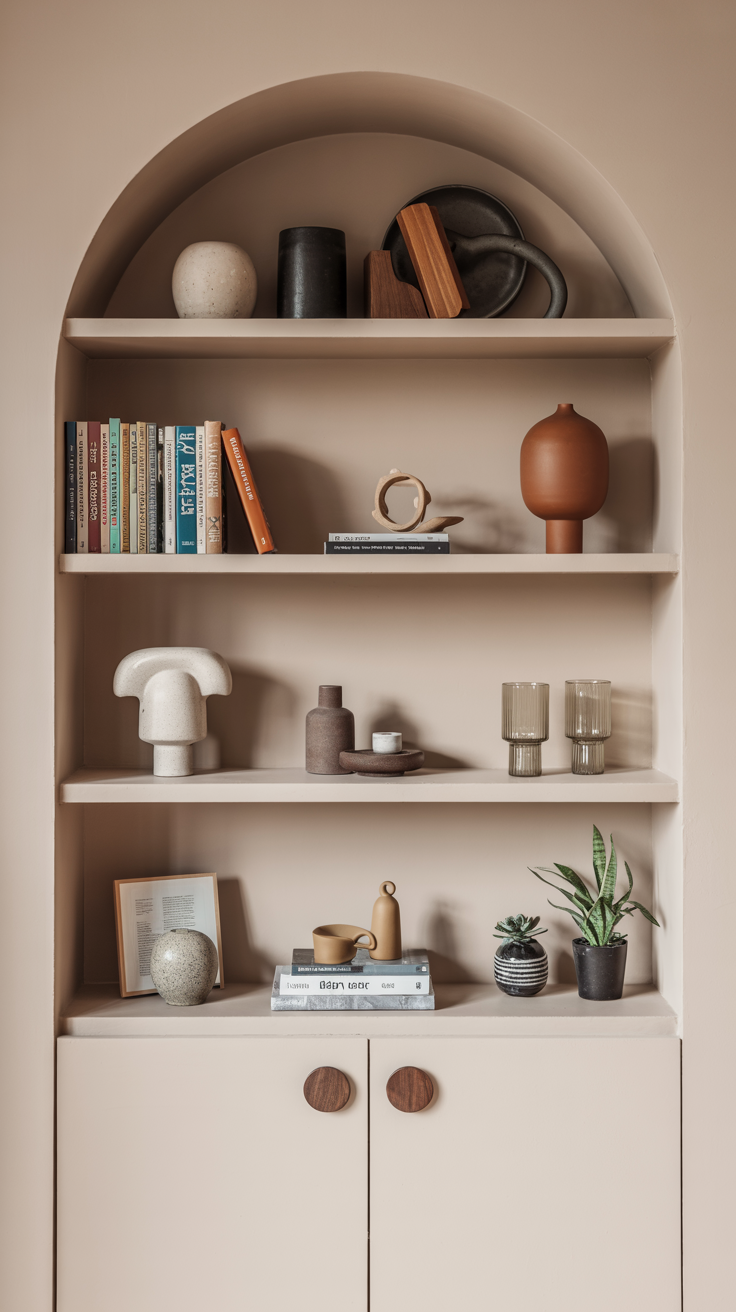
Step 11: Create Focal Points
Instead of coloring every wall, focus on a single area:
Gallery Wall: Art in a cohesive color palette creates interest without dominating the room.
Statement Furniture: A colorful sofa or armchair acts as a centerpiece.
Entryway Console: A few colorful objects can make a welcoming first impression.
Tip: Focal points draw attention and allow you to experiment boldly in a contained area.
Step 12: Seasonal Color Rotation
Rotating colors seasonally can ease fear of commitment:
Spring/Summer: Pastels, soft blues, light greens, or blush tones.
Fall/Winter: Richer colors like burgundy, deep greens, warm golds, and burnt orange.
Tip: Swap throw pillows, artwork, and small decor items rather than painting walls for seasonal updates.
Step 13: Test Colors Before Committing
Always try before you buy:
Paint Swatches: Tape them on the wall to observe lighting throughout the day.
Sample Fabrics: Use small swatches to test furniture, curtains, or pillows.
Digital Visualization: Apps and software allow you to experiment with virtual rooms.
Tip: Living with a test piece for a week or two helps you decide whether a color truly works.
Step 14: Combine Bold and Neutral
Balance bold colors with neutral grounding elements:
Pair a vibrant armchair with a neutral rug and wall.
Use bright artwork above a muted sofa.
Mix bold cushions with understated bedding.