Minimalism had its moment — all white walls, sparse furniture, clean lines, and “less is more” design philosophy. But in 2025, less isn’t necessarily more fun. The pendulum has swung toward an aesthetic that feels richer, more expressive, and infinitely more personal: maximalism.
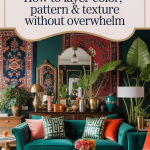
Maximalism celebrates abundance — not clutter, but curation. It’s about embracing individuality through layers of color, pattern, and texture that tell a story. Done right, maximalist design can feel cozy, collected, and alive — never chaotic. The challenge, of course, is in the balance: how to go big without it becoming a sensory overload.
If you’ve ever wanted to experiment with bolder design choices but feared the result might look like a thrift store explosion, this is your guide. We’ll walk through how to layer color, pattern, and texture like a pro — and create a home that feels joyful, intentional, and uniquely yours.
1. Redefining Maximalism: It’s About Personality, Not Clutter
Before diving into color palettes and pattern play, let’s clear up a misconception: maximalism isn’t about filling every inch of your home with stuff. It’s about intentional abundance — surrounding yourself with items that spark emotion or memory.
Where minimalism often prizes restraint, maximalism celebrates story. That might mean:
Mixing inherited antiques with modern finds.
Layering textiles and artwork that reflect your travels.
Displaying collections that feel deeply you.
As designer Justina Blakeney of The Jungalow famously says, “If it makes you smile, it belongs.”
In this era of digital overstimulation, maximalism offers something unexpectedly grounding — a reminder that your home doesn’t have to impress an algorithm; it should inspire you.
2. Start With a Confident Color Story
Color is the heartbeat of maximalist design. It sets the emotional tone for a space and determines how all the other layers — pattern, texture, decor — will interact.
Choose Your Base
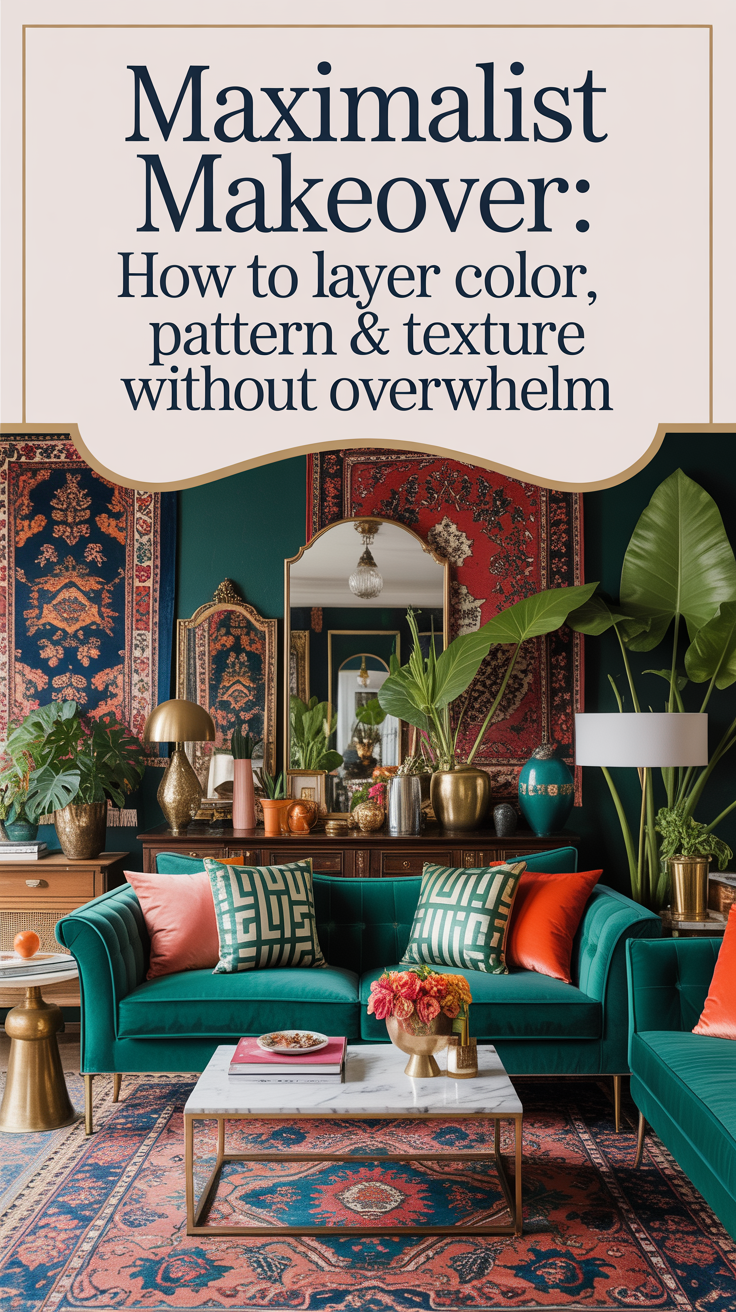
Start by picking one or two dominant colors that serve as your anchor. Deep hues like forest green, sapphire blue, or ochre create a grounding base, while rich neutrals like camel, chocolate, or charcoal add sophistication.
These tones will guide your major furniture and wall color decisions — think sofas, rugs, or paint.
Add Complementary Contrast
Once you have your base, layer in accent colors that contrast or complement. Jewel tones (emerald, ruby, amethyst) are classic maximalist favorites because they feel luxurious yet livable.
Don’t be afraid of unexpected pairings, either: coral and olive, cobalt and mustard, plum and rust — these combinations feel rich and layered.
Use Color Placement Wisely
A good rule of thumb: 60-30-10.
60% main color (walls, large furniture)
30% secondary tone (textiles, accent chairs, drapery)
10% bold accent (artwork, cushions, decor)
This ratio creates balance while allowing for expressive moments.
3. The Art of Pattern Mixing
Patterns are where maximalism comes alive — but they’re also where it can go wrong quickly. The key to combining patterns is rhythm and repetition.
Mix Scales, Not Just Styles
Pair a large-scale floral with a small geometric or stripe. Mixing scale prevents visual competition and adds depth.
For example:
Large: Botanical wallpaper
Medium: Plaid curtains
Small: Tiny polka dot cushions
The eye reads the difference in size as visual harmony rather than chaos.
Unify with Color
Even wildly different patterns can coexist if they share a color family. If your wallpaper, pillows, and rugs all contain hints of navy or gold, your space will feel cohesive.
Play with Pattern Families
Experiment with combining:
Organic patterns: florals, botanicals, animal prints
Structured patterns: plaids, checks, stripes, houndstooth
Whimsical patterns: toile, abstract motifs, global prints
When you mix types, you create tension — and tension is what makes maximalism dynamic.
4. Texture: The Secret Ingredient
While color and pattern steal the show, texture gives maximalist spaces their depth and warmth. It’s what keeps a room from feeling flat or overdesigned.
Layer Soft and Hard Textures
A velvet sofa against a raw wood coffee table, a silk pillow on a boucle chair, a marble lamp beside a linen drape — the interplay of tactile materials creates richness.
Mix Finishes
Glossy, matte, and metallic surfaces reflect light differently, giving your space subtle complexity. Try pairing brass with marble, rattan with lacquer, or glass with rough ceramics.
Add Touchable Layers
Think throws, area rugs, fringe, tassels, embroidered details. Texture doesn’t have to be loud to make an impact — sometimes, it’s the soft layering that creates the “ahh” moment.
5. Curate Like a Collector
Maximalist interiors often feel like stepping into someone’s world — full of treasures, artifacts, and stories. But there’s a difference between curation and clutter.
Display With Intention
Edit your collections so that each vignette feels deliberate. Group items by theme, color, or era — such as vintage glassware, travel souvenirs, or framed sketches.
Instead of spreading everything across every surface, concentrate your pieces. This gives the eye a place to rest and creates visual rhythm.
Mix High and Low
One of the best aspects of maximalism is how democratic it is. A flea-market find can sit beautifully beside a designer chair. The trick is to treat everything with equal reverence — display your $10 thrifted vase as proudly as your heirloom crystal.
6. Maximalism in Small Spaces
If you’re working with an apartment or modest home, you might assume maximalism isn’t for you — but the opposite is true. In smaller spaces, rich design actually makes the room feel more intentional and layered.
Go Bold With Walls
Wallpaper is your best friend here. Choose a pattern that feels lively but grounded — maybe a dark floral, an Art Deco repeat, or a subtle mural.
Covering the entire room creates immersion, making the space feel cohesive rather than chopped up.
Use Mirrors Strategically
Mirrors expand visual space while doubling the impact of your colors and patterns. Choose ornate or vintage frames that complement your maximalist palette.
Stay Curated
In compact spaces, each item has to earn its keep. Choose decor that’s both beautiful and functional — a velvet ottoman that stores blankets, or stacked books as side tables.
7. Anchoring the Chaos: Balance & Breathing Room
Even maximalist rooms need pause points. Think of them as visual commas — areas where your eye can rest before diving back into the action.
Use Negative Space Intentionally
A blank wall, a simple rug, or an area of soft neutrals helps balance bolder zones. It’s this interplay that creates harmony in abundance.
Repetition Creates Calm
Repeating shapes, motifs, or colors across the space helps tie everything together. If you have green in your drapery, echo it in your throw pillows or a vase across the room.
Think in Layers, Not Clutter
Each layer should add depth or meaning, not just “more.” Start with foundational elements (furniture, rug), then build upward — lighting, textiles, accessories, and finally, art. This process keeps things grounded.
8. Lighting: The Mood Setter
Lighting can make or break a maximalist space. Warm, layered lighting keeps it feeling cozy and inviting — never harsh or overexposed.
Layer Your Light
Use multiple sources:
Ambient: chandeliers, pendants
Task: reading lamps, sconces
Accent: art lights, candles
The variation in height and warmth gives depth to every layer of your decor.
Experiment With Shades
A patterned lampshade or colored glass pendant can double as decor, adding another pattern or texture moment without feeling cluttered.
9. Maximalist Color Palettes to Try
To make this more tangible, here are a few go-to palettes that designers love for modern maximalism:
Modern Glamour
Emerald + Blush + Gold + Black
→ Think old-Hollywood richness with feminine edge.
Eclectic Bohemian
Terracotta + Indigo + Ochre + Cream
→ Warm, global, and artistic with vintage flair.
Moody Heritage
Sage + Burgundy + Brass + Cream
→ Perfect for traditional homes looking for fresh energy.
Playful Pop
Cobalt + Coral + Butter Yellow + White
→ Great for younger, creative spaces that still feel chic.
Each palette works because it balances deep tones with light relief and repetition.
10. Bringing Maximalism Into Each Room
Living Room
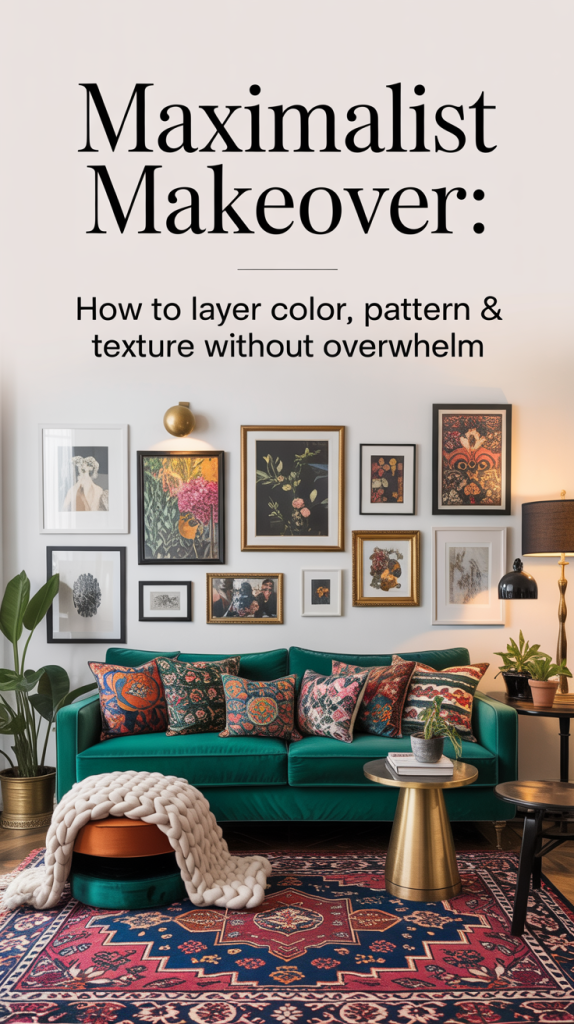
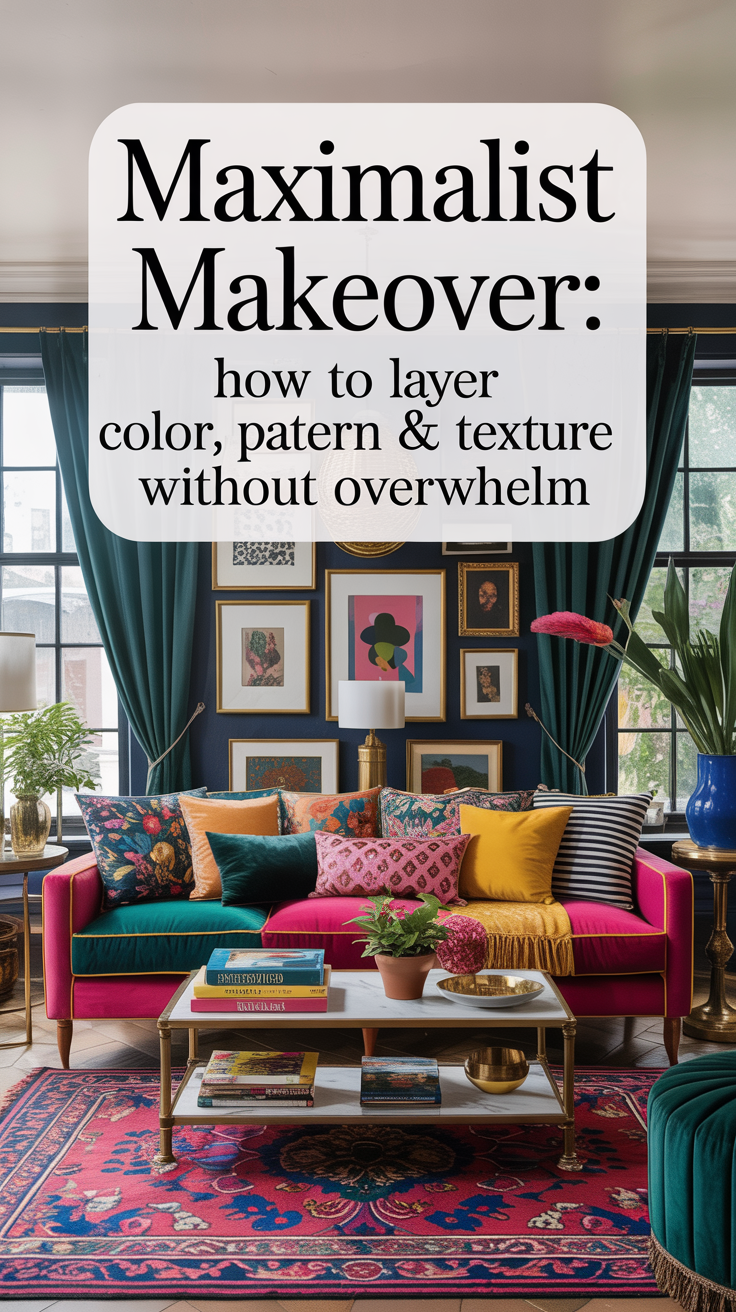
Make your sofa a statement — maybe a jewel-toned velvet or patterned upholstery. Anchor it with an oversized rug, then layer pillows in mixed prints and a chunky knit throw.
Add in art: an asymmetrical gallery wall mixing portraits, abstracts, and even framed textiles. Balance with large leafy plants for organic softness.
Bedroom
Wallpaper the headboard wall or paint it in a saturated hue. Mix bedding textures — linen sheets, velvet shams, a fringed throw.
Opt for mismatched bedside lamps and eclectic vintage art. Patterned curtains finish the look while softening acoustics.
Bathroom
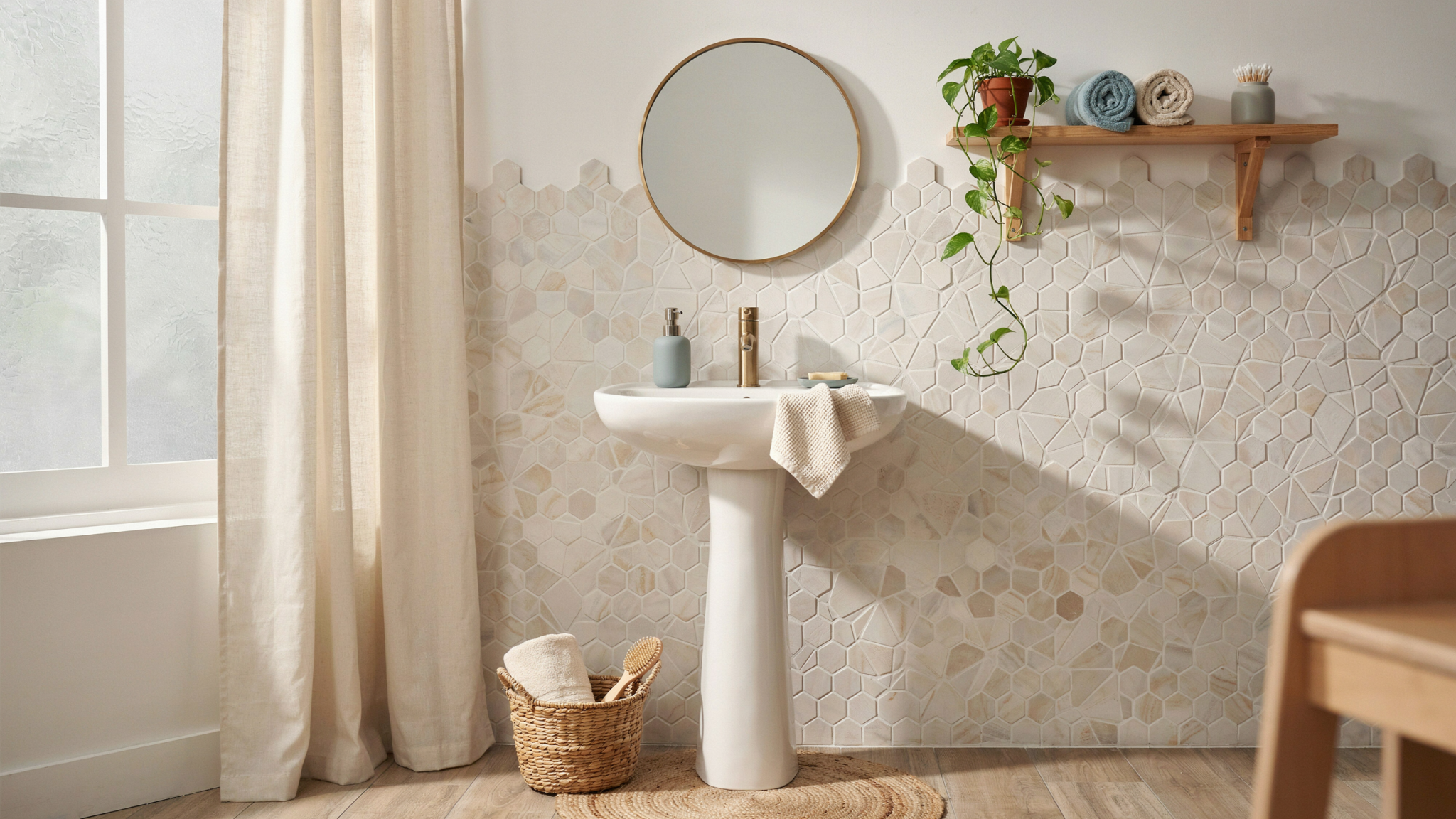
A bold tile pattern or wallpaper instantly transforms a bathroom. Try a checkerboard floor or moody floral print. Add brass hardware and lush towels in rich colors.
Small details — ornate mirrors, candles, or vintage trays — create a layered, luxurious feel.
Kitchen
Use color confidently: emerald cabinetry, terracotta tile backsplash, or patterned floor runners. Open shelving allows you to display colorful dishware or cookbooks as decor.
Mix materials like marble, brass, and wood to create tactile contrast.
11. Styling Tips from Designers Who Do Maximalism Best
Kelly Wearstler: “Contrast equals beauty.” She layers strong forms and textures while keeping the palette tight.
Justina Blakeney: “Decorate wild — but always with heart.” Personal meaning is the anchor.
Jonathan Adler: “If your space makes you smile, it’s working.” Inject humor and joy into serious design.
Luke Edward Hall: “The past should be present.” Combine antique silhouettes with saturated modern color for timeless eclecticism.
12. Maximalism Beyond the Visual
At its core, maximalism is an emotional movement. It’s about rejecting the sterility of perfection and embracing imperfection, history, and play.
It’s the hand-thrown ceramic instead of the factory mug, the embroidered pillow picked up abroad, the gallery wall that grows over years.
Design psychologist Ingrid Fetell Lee (author of Joyful) argues that color and abundance can actively boost mood — and maximalist design proves it daily.
A maximalist home doesn’t just look good; it feels alive. It hums with story, history, and self-expression — a deeply personal reflection of its inhabitants.

13. A Modern Take on the “More is More” Philosophy
Maximalism isn’t about spending more — it’s about noticing more. Seeing beauty in the mix of old and new, the handmade and the found, the perfectly imperfect.
In 2026, expect to see this philosophy everywhere — on Pinterest boards, in boutique hotels, and in the homes of those who’ve grown tired of sterile minimalism. The maximalist revival isn’t rebellion for rebellion’s sake; it’s restoration — of color, craft, and individuality.
It’s an invitation to fill your space with life.
Key Takeaways
Start with a clear color story and build layers from there.
Mix pattern scales to avoid chaos.
Balance boldness with breathing room.
Curate intentionally. Every item should earn its place.
Add texture, light, and storytelling.
Because in the end, maximalism isn’t about more stuff — it’s about more soul.