Rugs are more than just decorative accents—they anchor your furniture, define spaces, and provide texture, color, and warmth. But combining rugs in a way that feels intentional can feel daunting. How do you mix patterns without clashing? Can you layer rugs? How do you know what size works best in each room?
Today I’m here to answer all of those questions and more. If you’re in the market for a new rug, also be sure to check out my post on Prime Day Deals which include several Loloi (a favorite) area rugs on sale! Whether you’re decorating a living room, bedroom, or open-concept home, mastering rug pairing will help your spaces feel cohesive, curated, and effortlessly stylish.
Why Pairing Rugs Matters
At first glance, rugs might seem like small, secondary pieces of a room. In reality, they’re foundational. A well-chosen rug can:
Define separate areas in an open-concept layout.
Add texture and depth to a room with multiple layers of materials.
Balance color palettes and tie together furniture and décor.
Create visual flow from room to room.
Pairing rugs isn’t about having every rug match perfectly—it’s about creating harmony. Think of rugs like accents in a painting: contrast can be beautiful when handled thoughtfully.
Step 1: Start with Color Harmony
Color is the easiest starting point for pairing rugs. Even if the patterns and textures differ, a shared color palette ties everything together.
Tip: Pull colors from your furniture, artwork, or wall paint. A rug doesn’t need to match exactly—just share complementary shades.
Example: In a living room with a navy sofa and soft blush accents, you could pair a muted floral rug with a solid textured rug in a similar blush tone.
Pro Tip: Neutrals are your friend. Layering rugs in shades of cream, gray, or beige allows for pattern experimentation without overwhelming the room.
Step 2: Mix Patterns Thoughtfully
Mixing patterns can feel intimidating, but it’s one of the most effective ways to add personality. The key is scale, contrast, and repetition.
Scale: Pair a large, bold pattern with a smaller, subtler one. For example, a large geometric rug works beautifully with a small-scale stripe or dotted rug.
Contrast: Combine structured patterns (like chevrons or herringbone) with organic, flowing patterns (like florals or abstract designs).
Repetition: Echo colors from one rug into another. This creates cohesion even when patterns are very different.
Example Pairing Ideas:
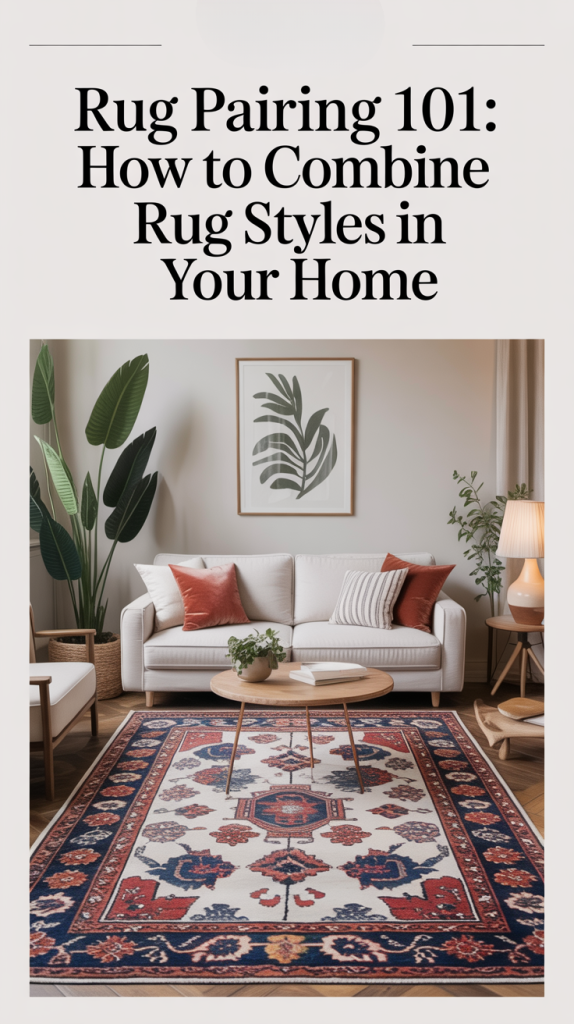
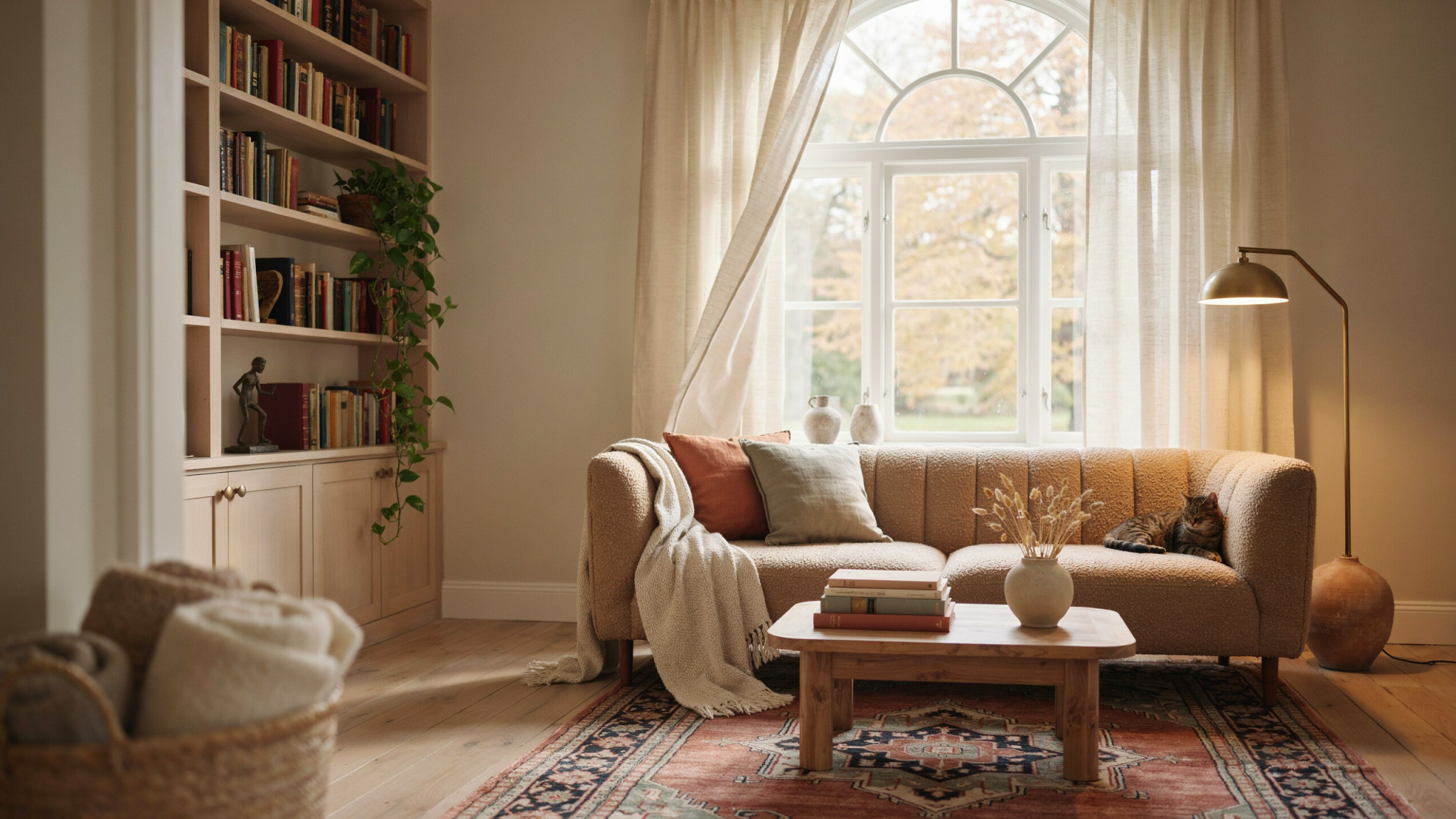
A classic Persian-style rug layered over a simple jute rug.
A muted floral rug in a bedroom paired with a striped runner down the hallway.
A modern geometric rug in the living room paired with a handwoven neutral area rug under the coffee table.
Step 3: Consider Texture and Material
Texture is as important as color and pattern. Layering rugs with different textures adds depth and visual interest.
Wool rugs feel cozy and luxurious.
Jute or sisal rugs provide an earthy, organic feel.
Shag or high-pile rugs add softness underfoot and contrast with flatweave styles.
Flatweave rugs are versatile and work well under furniture or in high-traffic areas.
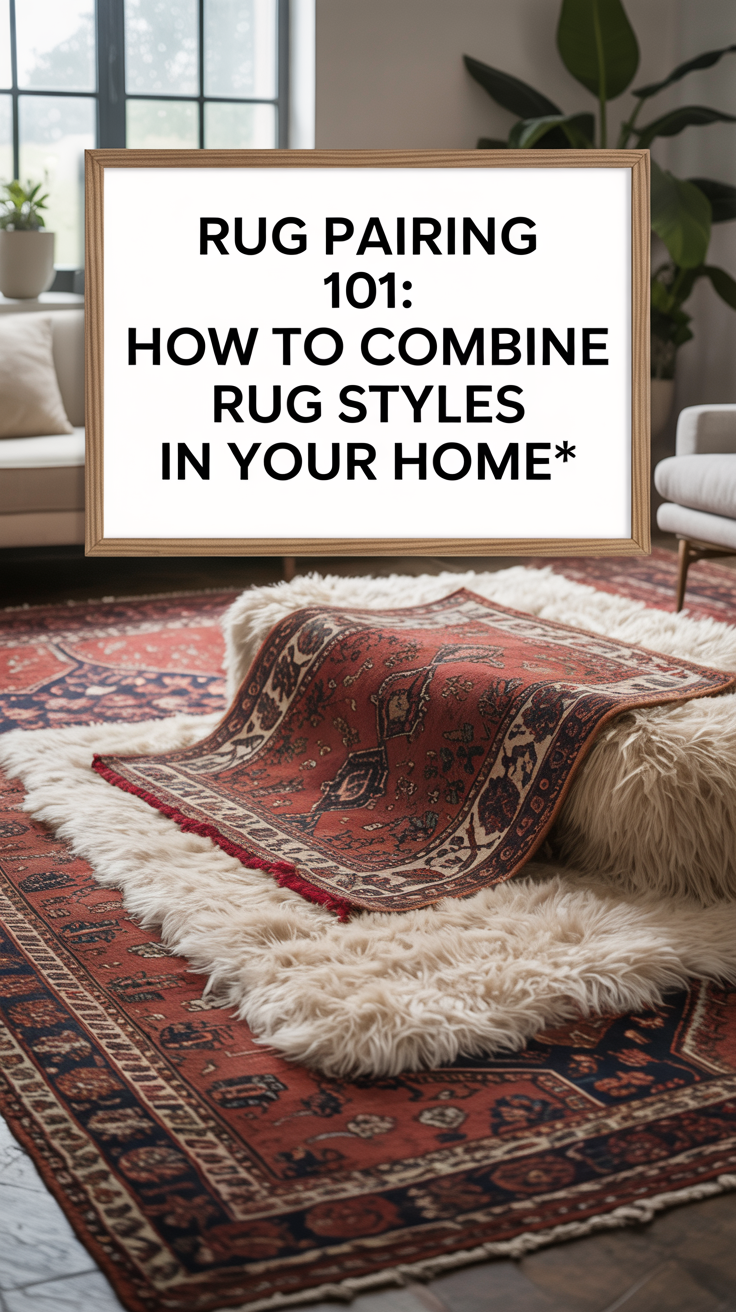
Layering Tip: Place a textured rug under a patterned rug for contrast. For example, a soft, plush rug can soften the look of a patterned flatweave rug, creating a rich, layered effect.
Step 4: Size Matters
Getting the right size is crucial for pairing rugs. Too small, and the room feels disjointed. Too large, and you lose the rug’s visual impact.
Living Rooms: The front legs of furniture should sit on the rug. For open layouts, consider a larger base rug with a smaller accent rug layered on top.
Dining Rooms: A rug should extend at least 24 inches beyond the table edges. Layering a smaller patterned rug under a neutral base rug can add texture without overwhelming the space.
Bedrooms: Layer a runner rug at the foot of the bed over a larger area rug. This adds dimension and creates a cozy, inviting feel.
Step 5: Layering Rugs
Layering rugs is a stylish way to combine different patterns, textures, or colors. It’s particularly popular in modern and boho interiors.
Layering Tips:
Start with a large neutral rug as the base.
Add a smaller rug with a bold pattern or rich color on top.
Use symmetry for a polished look, or offset slightly for a more casual vibe.
Ensure the top rug complements the underlying rug in either color, texture, or pattern.
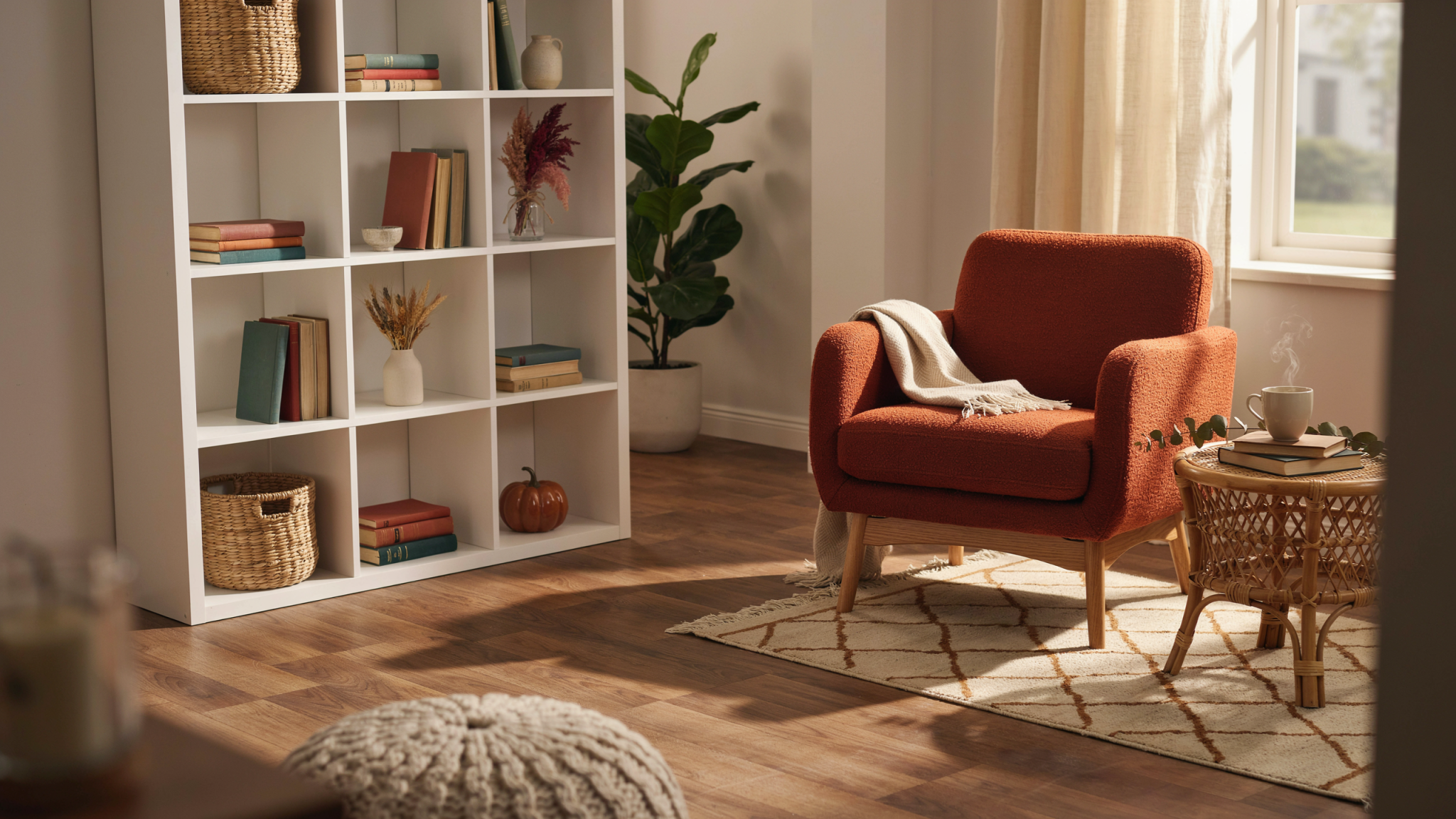
Example: A neutral jute rug can be layered with a colorful Moroccan rug in the living room. The jute adds texture, while the Moroccan rug introduces pattern and warmth.
Step 6: Pairing Rugs by Room Type
Different rooms have different needs when it comes to rug pairing. Here’s a breakdown:
Living Room:
Anchor the space with a large base rug.
Layer a smaller patterned rug under the coffee table for visual interest.
Consider color harmony with furniture and throw pillows.
Bedroom:
Place a large area rug under the bed for coverage.
Add a runner or small accent rug for texture and color near the bed or seating area.
Mix soft rugs like wool or shag with flatweave pieces for balance.
Dining Room:
Choose a rug that extends well beyond the table edges.
A flatweave or low-pile rug is easier to clean.
Layer with a patterned rug for a dynamic look.
Entryway & Hallways:
Use runners to add warmth and style.
Layer with a small patterned rug at the doorway for impact.
Durable materials like jute, wool, or synthetic blends work best in high-traffic areas.
Step 7: Style Considerations
Rug pairing can also help you define your design style:
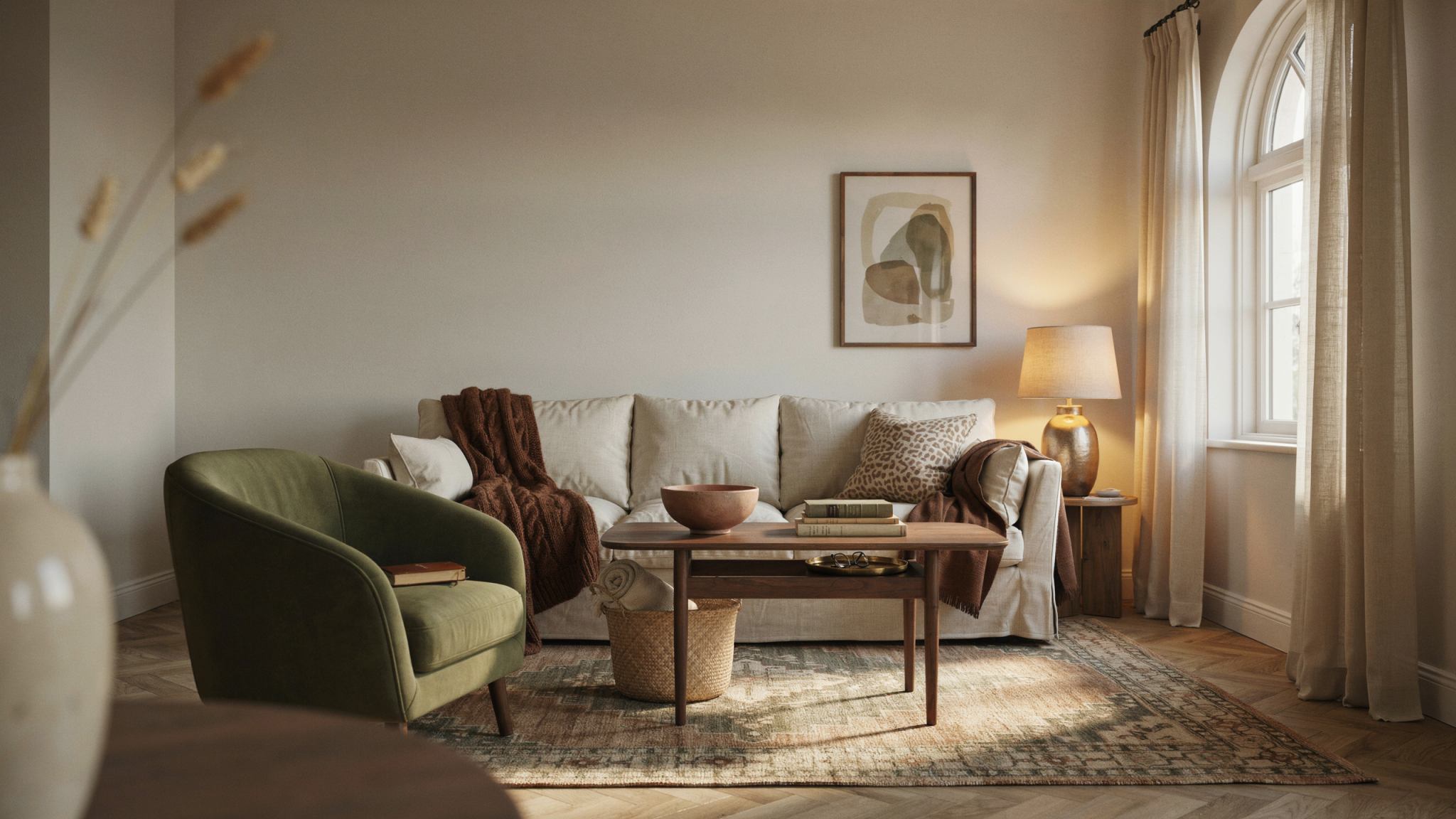
Traditional Homes: Pair Persian, Oriental, or floral rugs with classic patterns in muted tones.
Modern Homes: Combine geometric patterns with solid textures or monochromatic rugs.
Boho & Eclectic: Mix patterns, colors, and textures freely. Layer kilims, flatweaves, and shag rugs for a collected look.
Minimalist Homes: Stick to neutral tones and subtle textures, layering simple patterns for depth without clutter.
Step 8: Shopping Tips for Rug Pairing
When shopping for rugs with pairing in mind:
Buy the largest rug first as your foundation piece.
Choose a bold pattern second for layering and contrast.
Mix neutral textures to add interest without overwhelming the space.
Check return policies—you may need to see rugs in your space before committing.
Consider durable materials for high-traffic areas.
Step 9: Common Mistakes to Avoid
Too many patterns: Three is usually the max before it starts to feel chaotic.
Ignoring scale: Large patterns dominate; small patterns can disappear in big spaces.
Clashing colors: Stick to complementary shades or a cohesive palette.
Overlayering: Too many layers can look messy and reduce comfort.
Step 10: Inspiration & Examples
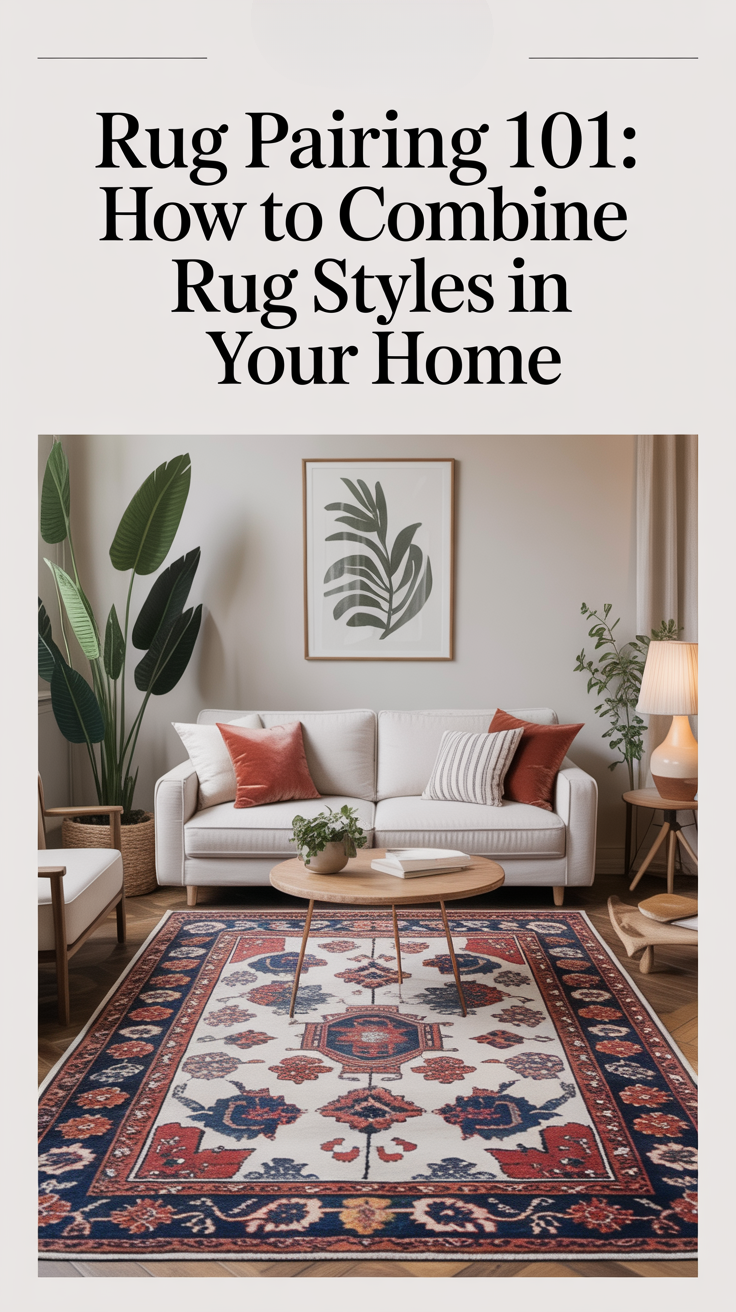
Living Room: A gray wool rug as the base, layered with a small geometric rug in navy and blush.
Bedroom: A neutral flatweave under the bed, with a soft patterned runner at the foot.
Entryway: Jute base rug, layered with a small Moroccan pattern for a welcoming, tactile entry.
Dining Room: Solid base rug under the table, layered with a subtle striped runner for visual texture.
Pro Tip: Snap a photo of your existing rugs and furniture. Play with rug options digitally or in your room before buying.
Pairing rugs is about experimentation, creativity, and intentionality. With attention to color, pattern, texture, and scale, you can combine multiple rugs to create spaces that feel layered, cohesive, and perfectly curated. Layering doesn’t have to be complicated—start with your base rug, add complementary textures or patterns, and let your home tell its story through thoughtful design.
Remember, rugs are more than functional—they’re foundational to your home’s aesthetic. Take your time exploring options, and soon you’ll have a home where every rug complements the room while adding warmth, depth, and personality.