

Fall in Central Texas is a gardener’s secret weapon. While the rest of the country is winding down their growing season, Austin gardeners get a second chance at a fresh harvest. With cooler evenings, fewer pests, and milder daytime temperatures, fall is one of the best times to start a small DIY herb and veggie garden—whether you have a backyard, a balcony, or just a sunny patio.
This guide will walk you step-by-step through preparing your garden space, gathering the right materials, and planting herbs and vegetables that thrive in Austin’s fall climate. By the end, you’ll be ready to enjoy fresh, homegrown flavors straight from your own little garden oasis.
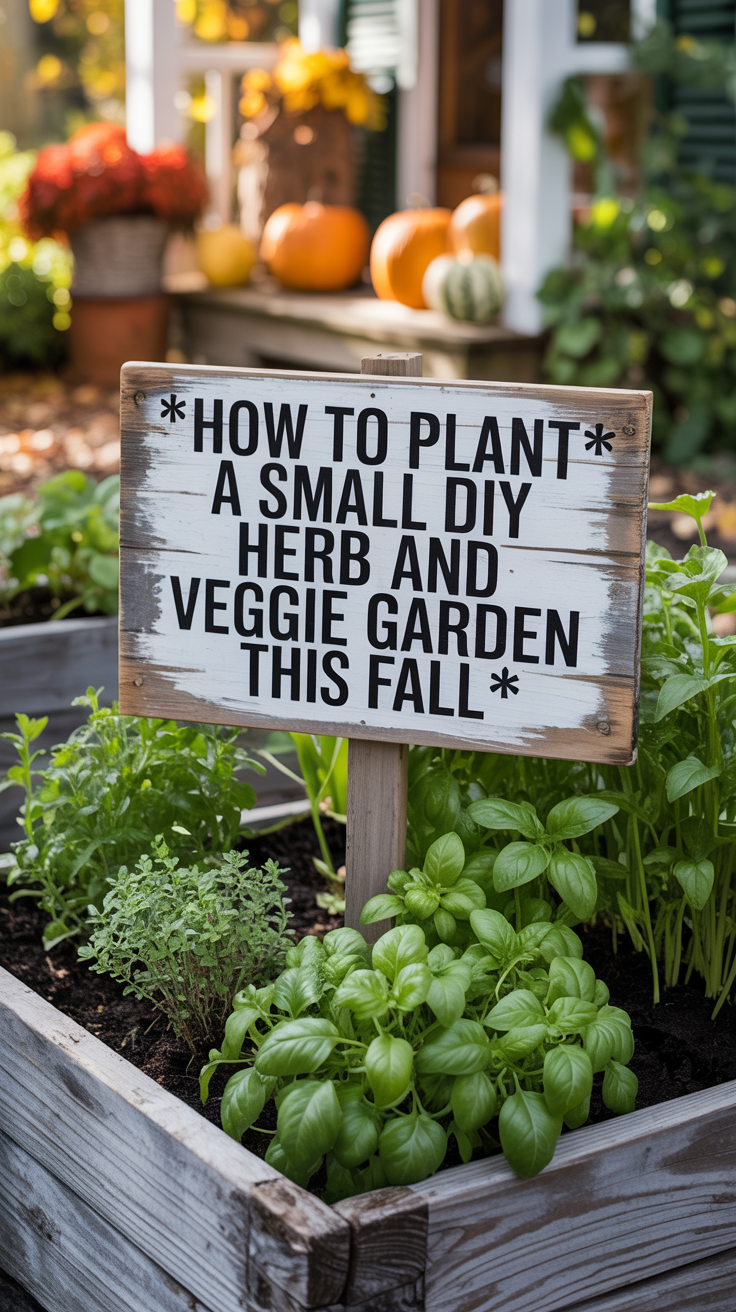
Why Plant a Fall Garden in Austin?
Related reading: Related reading: Explore more ways to improve your home’s exterior in our [Outdoor Living](https://designerandthediyer.com/outdoor-living/) hub. Outdoor Living.
Austin has what gardeners call a “second spring.” Because the brutal summer heat finally breaks, plants can grow without constant stress from scorching sun and drought. Rainfall tends to increase slightly, the soil is still warm, and the growing season stretches well into December before frost becomes a real concern.
Benefits of planting a fall garden include:
Cooler temps = happier plants. Most herbs and veggies bolt or wilt in August. In fall, they thrive.
Fewer pests. Grasshoppers, aphids, and spider mites calm down as the weather cools.
Fresh food when you want it. Imagine soups, stews, and roasted fall veggies made with your own garden harvest.
Perfect for beginners. Fall gardens are lower-maintenance compared to spring and summer gardens.
Step 1: Choose the Right Garden Space
Related reading: For more inspiration on creating functional outdoor areas, check out these [25 Easy Backyard Upgrades That Feel More Polished Than They Cost](https://designerandthediyer.com/25-easy-backyard-upgrades-that-feel-more-polished-than-they-cost/). 25 Easy Backyard Upgrades That Feel More Polished Than They Cost.
Even a small garden can be incredibly productive if you plan well. Before digging in, decide where your fall garden will live.
Options for Austin Gardeners
In-Ground Beds – Great if you have backyard space, though Austin soils are often rocky and clay-heavy. Raised beds or amended soil work best.
Raised Beds – Ideal for small yards. You control the soil quality, drainage, and layout. They’re great for beginner gardeners since maintenance is easier.
Container Gardens – Perfect for patios, balconies, or renters. Choose large pots (at least 12–18 inches deep for veggies like carrots or kale). Containers heat up and dry faster, but fall weather makes this less of an issue.
Sunlight Considerations
Fall days are shorter, but Austin still gets 8–10 hours of sun in early fall. Place your garden in a spot with at least 6 hours of direct sunlight per day. Herbs and leafy greens can tolerate partial shade.
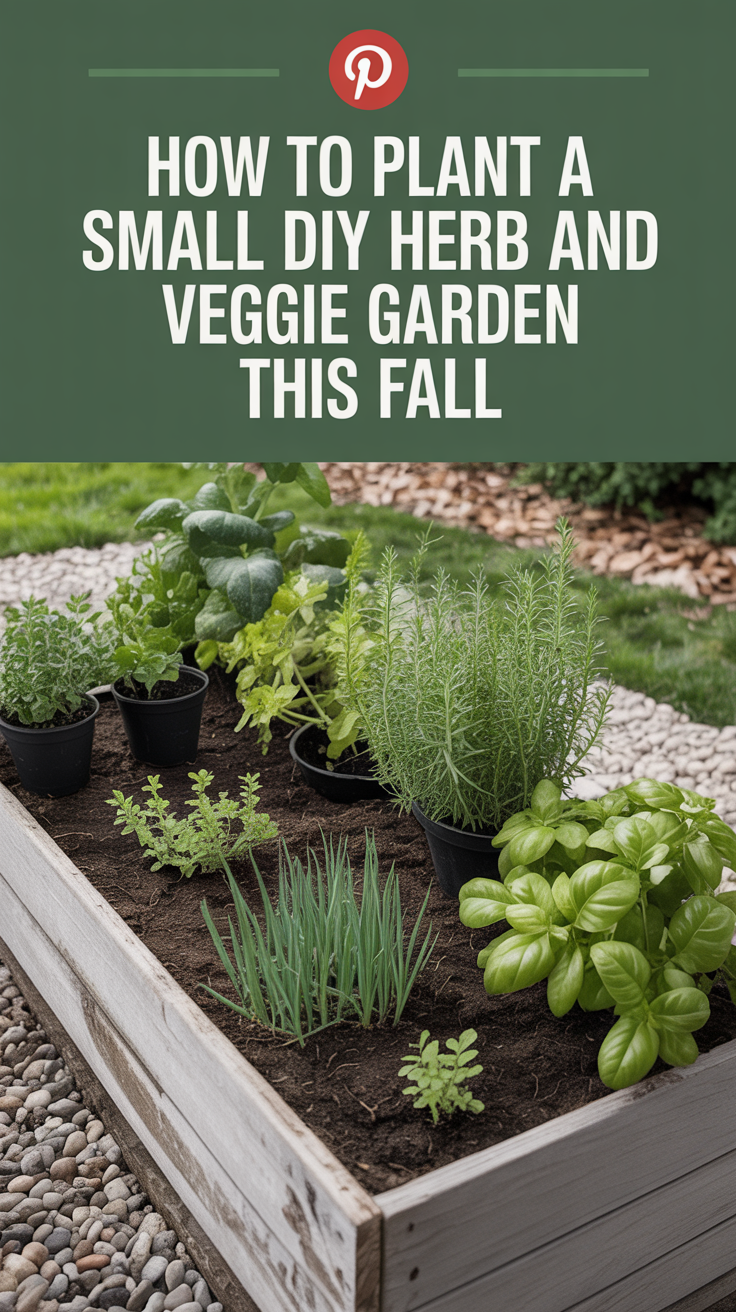
Step 2: Prepare the Soil
Healthy soil = healthy plants. Since Austin’s natural soil is often heavy clay or limestone, prep work is key.
Clear the Area: Remove weeds, grass, and leftover summer plants.
Loosen the Soil: Use a shovel or garden fork to break up compacted soil at least 8–12 inches deep.
Amend the Soil: Add compost (2–3 inches), aged manure, or organic matter to improve drainage and fertility.
Test Soil pH: Austin soil tends to be alkaline. Herbs and veggies prefer neutral to slightly acidic soil (6.0–7.0 pH). Add peat moss or sulfur to adjust.
Mulch: After planting, mulch with straw, shredded leaves, or pine needles to retain moisture and regulate temperature.
Pro tip: If you’re using raised beds or containers, fill with a mix of 50% high-quality garden soil, 25% compost, and 25% coarse sand/perlite.
Step 3: Gather Materials & Tools
Related reading: If you are looking for more ways to enhance your yard on a budget, see our guide on [25 Low-Cost Backyard Projects That Make a Big Difference](https://designerandthediyer.com/25-low-cost-backyard-projects-that-make-a-big-difference/). 25 Low-Cost Backyard Projects That Make a Big Difference.
Basic Tools
Garden gloves
Shovel or trowel
Rake or hoe (for in-ground prep)
Watering can or hose with spray nozzle
Pruners
Materials
Compost or organic soil mix
Mulch (straw, bark, leaves)
Raised bed kits or containers
Stakes or cages
Optional Extras
Drip irrigation or soaker hose
Frost cloth or row cover
Garden markers
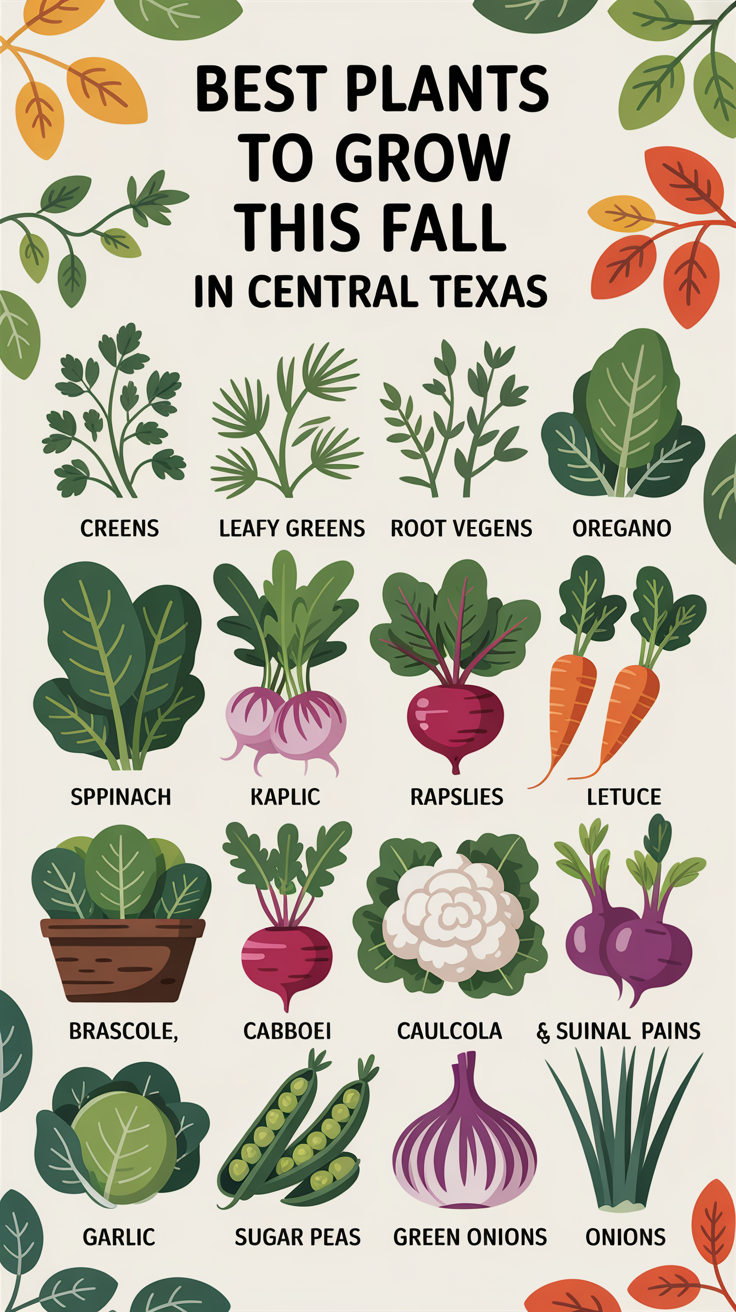
Step 4: Select Herbs and Veggies for Austin’s Fall Season
Herbs That Thrive in Fall
Cilantro
Parsley
Chives
Thyme
Oregano
Mint (best in containers)
Vegetables for Fall in Austin
Leafy Greens: Spinach, kale, Swiss chard, arugula, lettuce mixes
Root Crops: Carrots, radishes, beets, turnips
Brassicas: Broccoli, cauliflower, Brussels sprouts, cabbage
Legumes: Sugar snap peas, snow peas
Alliums: Garlic, green onions, leeks
Pro Tip: Start broccoli, cauliflower, and cabbage as transplants for better success in fall.
Step 5: Planting Your Garden
Direct Seeding vs. Transplants
Direct Seed: Carrots, radishes, beets, spinach, lettuce, peas
Transplants: Broccoli, cauliflower, cabbage, kale
Spacing & Depth
Carrots: 1/4 inch deep, thin to 2–3 inches apart
Lettuce: Scatter seeds lightly, thin to 6–8 inches
Kale/Chard: 12–18 inches apart
Peas: 1 inch deep, 2 inches apart with trellis
Watering
Keep soil moist until seeds germinate. Once established, water deeply 2–3 times per week depending on rainfall.
Step 6: Care & Maintenance
Fertilize with compost tea or organic fertilizer every 3–4 weeks.
Handpick caterpillars and spray neem oil for aphids.
Pinch herbs back to encourage bushy growth.
Harvest leafy greens regularly.
Step 7: Prepare for Frost
Austin’s first frost usually hits late November or early December. Protect plants by:
Covering with frost cloth or sheets overnight
Mulching around roots
Bringing containers indoors when temps dip below freezing
Step 8: Harvest & Enjoy
Related reading: Discover how to fully reinvent your exterior space with our comprehensive guide to [Transform Your Backyard: Projects Big and Small for Every Budget](https://designerandthediyer.com/transform-your-backyard-projects-big-and-small-for-every-budget/). Transform Your Backyard: Projects Big and Small for Every Budget.
Harvest outer leaves of kale, spinach, and lettuce for ongoing growth.
Pull carrots, beets, and radishes young for tenderness.
Snip herbs as needed and preserve extras by drying or freezing.
Sample Planting Calendar for Austin, TX
September: Spinach, lettuce, carrots, radishes, cilantro
October: Transplant broccoli, cauliflower, kale, cabbage; plant beets, garlic, peas
November: Harvest greens, plant onions and leeks
December: Protect plants from frost, harvest herbs and greens
Planting a small DIY herb and veggie garden in the fall is one of the best decisions you can make in Austin, TX. You’ll save money, eat healthier, and enjoy the simple joy of growing your own food. With cooler weather and the right crops, your garden will be more productive and less stressful to manage than in summer.
Whether you’re growing cilantro for tacos, kale for smoothies, or carrots for roasting, fall is your season to dig in. Start small, experiment, and enjoy the process of learning what thrives in your little corner of Austin.