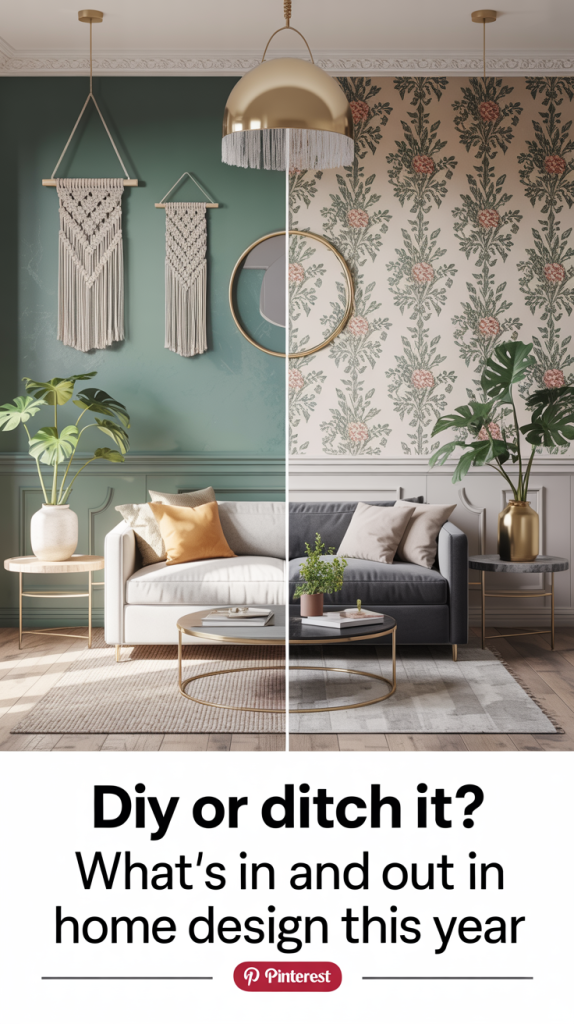
Whether you’re deep in a Pinterest rabbit hole or casually scrolling TikTok, one thing is clear: home design is always evolving. And while trends come and go, some are worth the hype (and a weekend DIY), while others are best left behind with the peel-and-stick wallpaper you bought in 2020.
In this guide, we’ll walk you through what’s in and what’s out in home design this year—and help you decide whether to DIY it or ditch it. Whether you’re a design-savvy 30-something looking to refresh your space or a first-time homeowner on a budget, these insights will help you style smart, stay timeless, and avoid regret.
1. IN: Soft Curves and Organic Shapes
DIY It
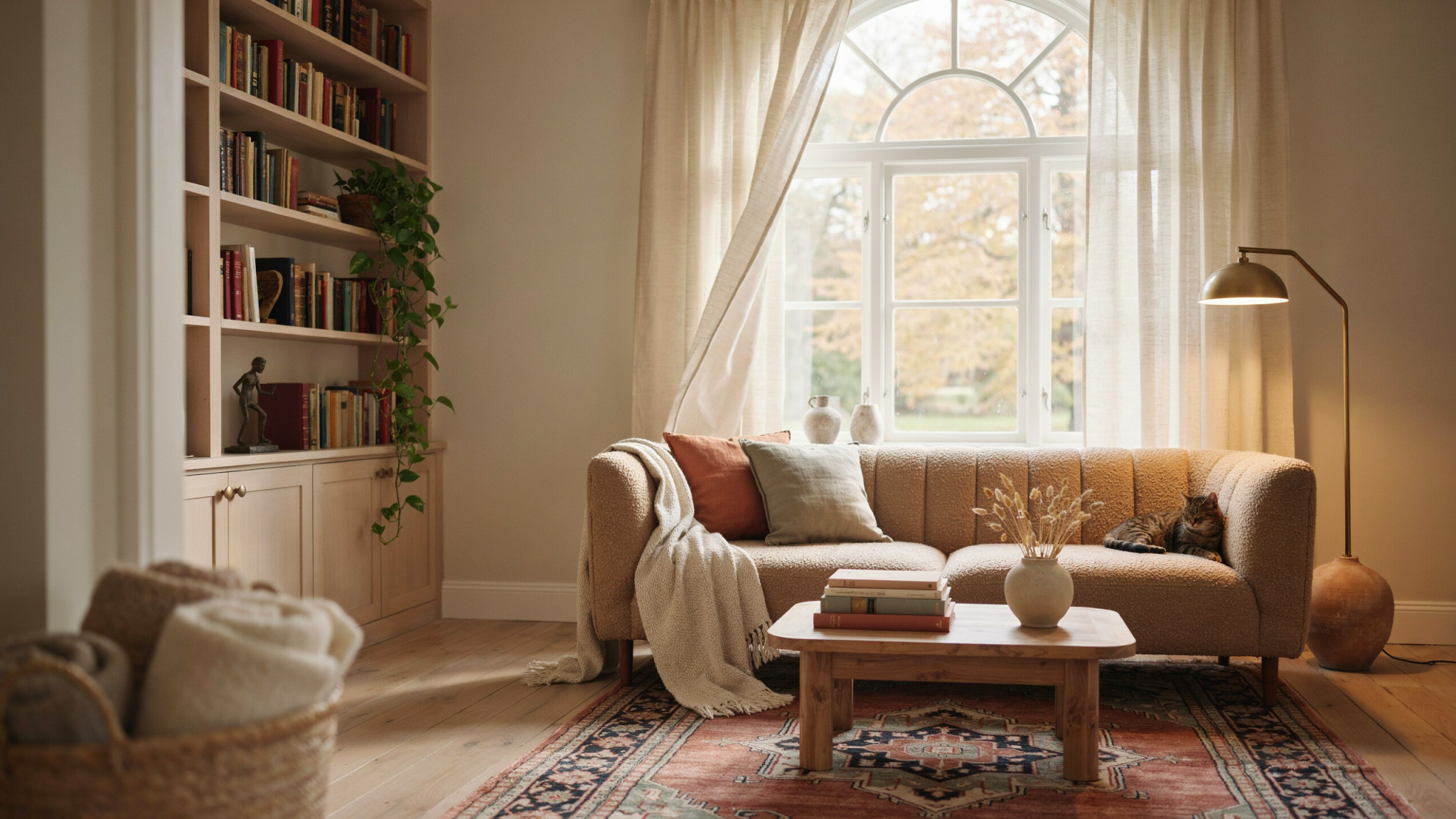
Goodbye, sharp lines and harsh edges. This year, home design is embracing the softer side of style: curved sofas, arched doorways, rounded mirrors, and pill-shaped coffee tables. These organic shapes feel more inviting and grounded, tapping into a calming, cocoon-like energy.
DIY Ideas:
Replace a boxy mirror with an arched or wavy one (bonus if you thrift and repaint the frame).
Add arch trim or paint a faux arch mural over a doorway or behind a headboard.
Upholster a curved DIY bench with boucle fabric for a modern, cozy nook.
Design Style Match: Works beautifully in minimalist, modern organic, boho, and Japandi interiors.
2. OUT: Overdone Boho Macramé Everything
Ditch It
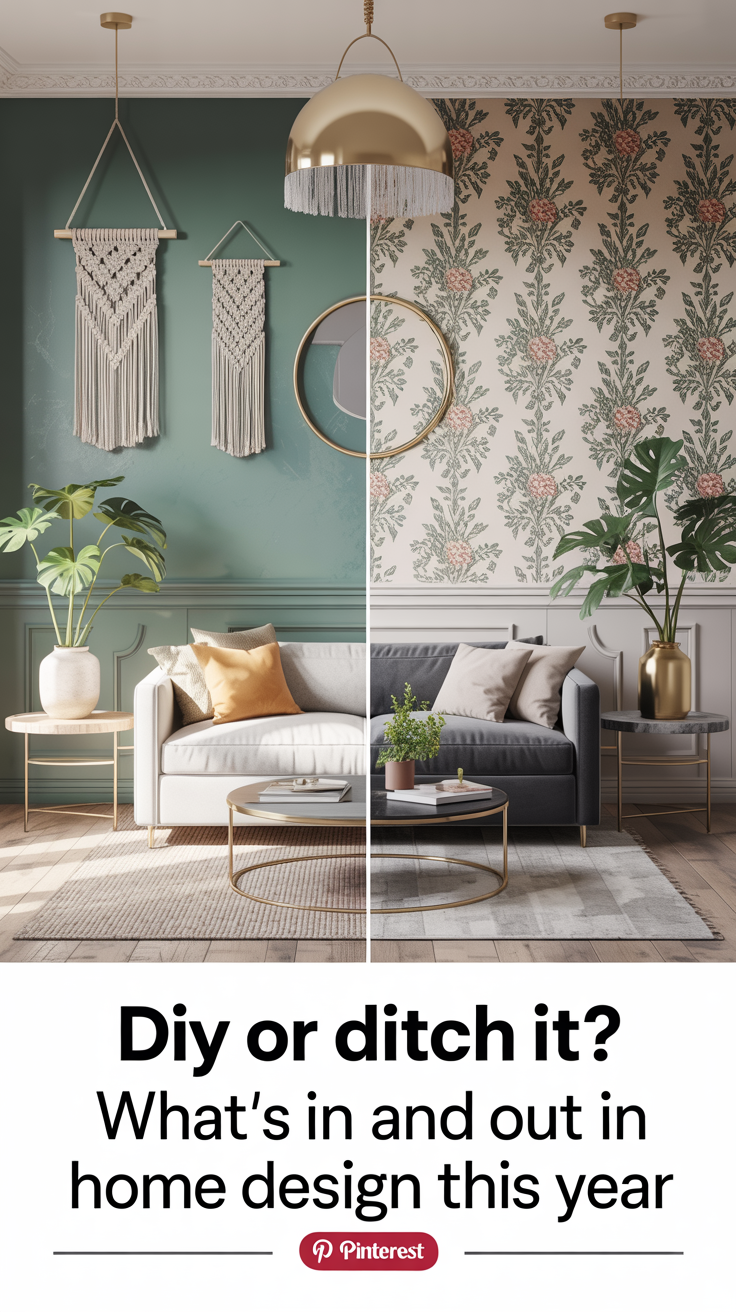
Boho will never truly go out of style—but the macramé overload (wall hangings, plant holders, headboards, lamp shades, you name it) is officially dated. When everything is woven and fringe-covered, it loses the layered, earthy soul that made boho special in the first place.
What to Do Instead:
Trade mass-produced macramé for artisan-made textiles, vintage kantha quilts, or handwoven baskets that add warmth without looking like a craft aisle exploded.
DIY Alternative:
Try framing vintage fabrics, block prints, or embroidered pieces to retain that cozy, collected feel without leaning too hard on trend fatigue.
3. IN: Mixed Materials and Texture Layering
DIY It
Want a home that looks like a designer touched it without blowing your budget? The key is layering materials—think wood, stone, metal, glass, and textiles all in the same room. Depth and contrast make even neutral spaces feel rich and alive.
DIY Ideas:
Add texture with a DIY limewash or Roman clay wall treatment.
Layer a jute rug with a patterned vintage runner.
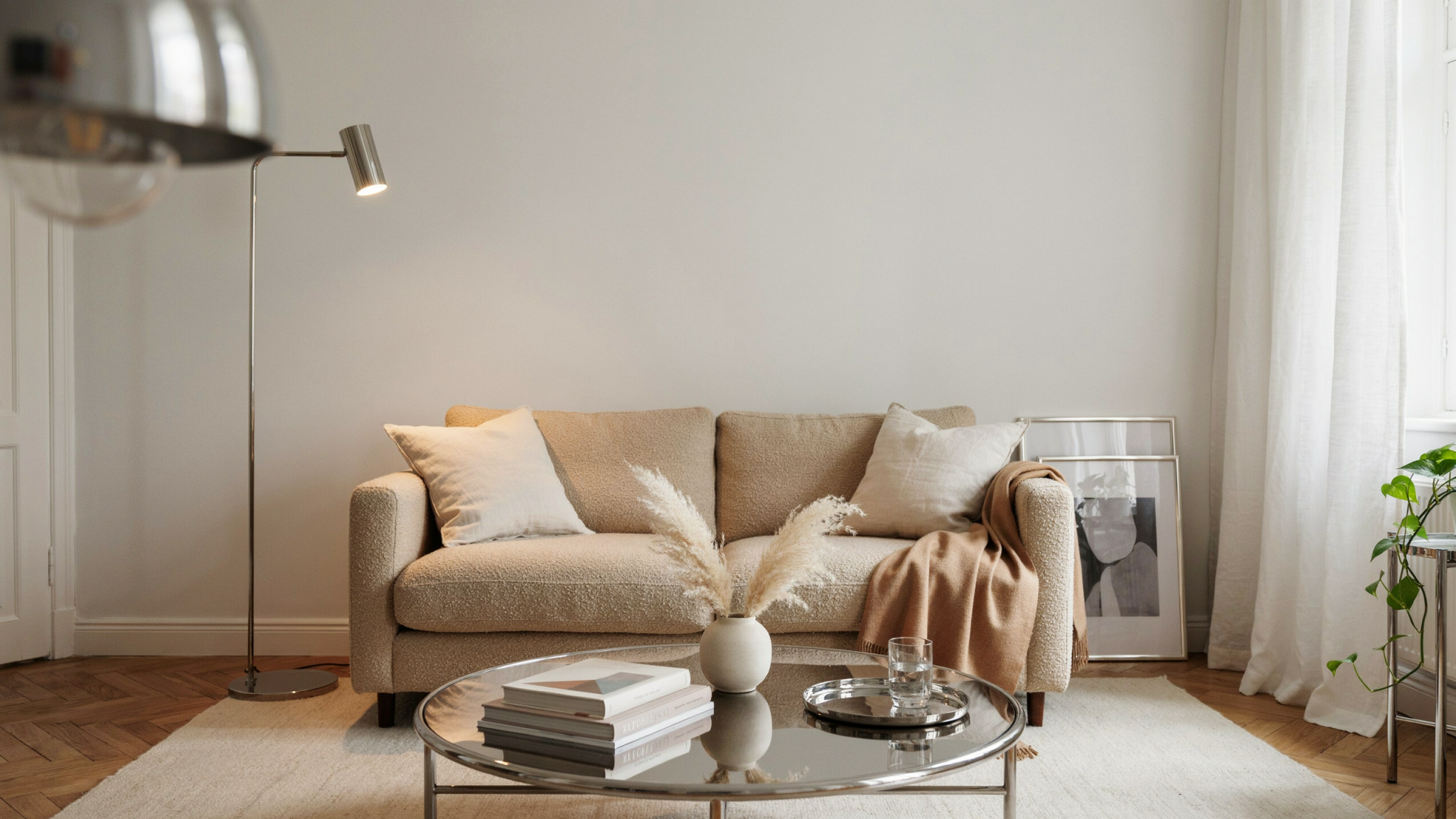
Combine metal finishes—brass cabinet hardware, black light fixtures, and stainless appliances—to avoid a matchy-matchy look.
Design Style Match: Transitional, Scandinavian, rustic modern, and California casual.
4. OUT: All-White Kitchens Without Personality
Ditch It
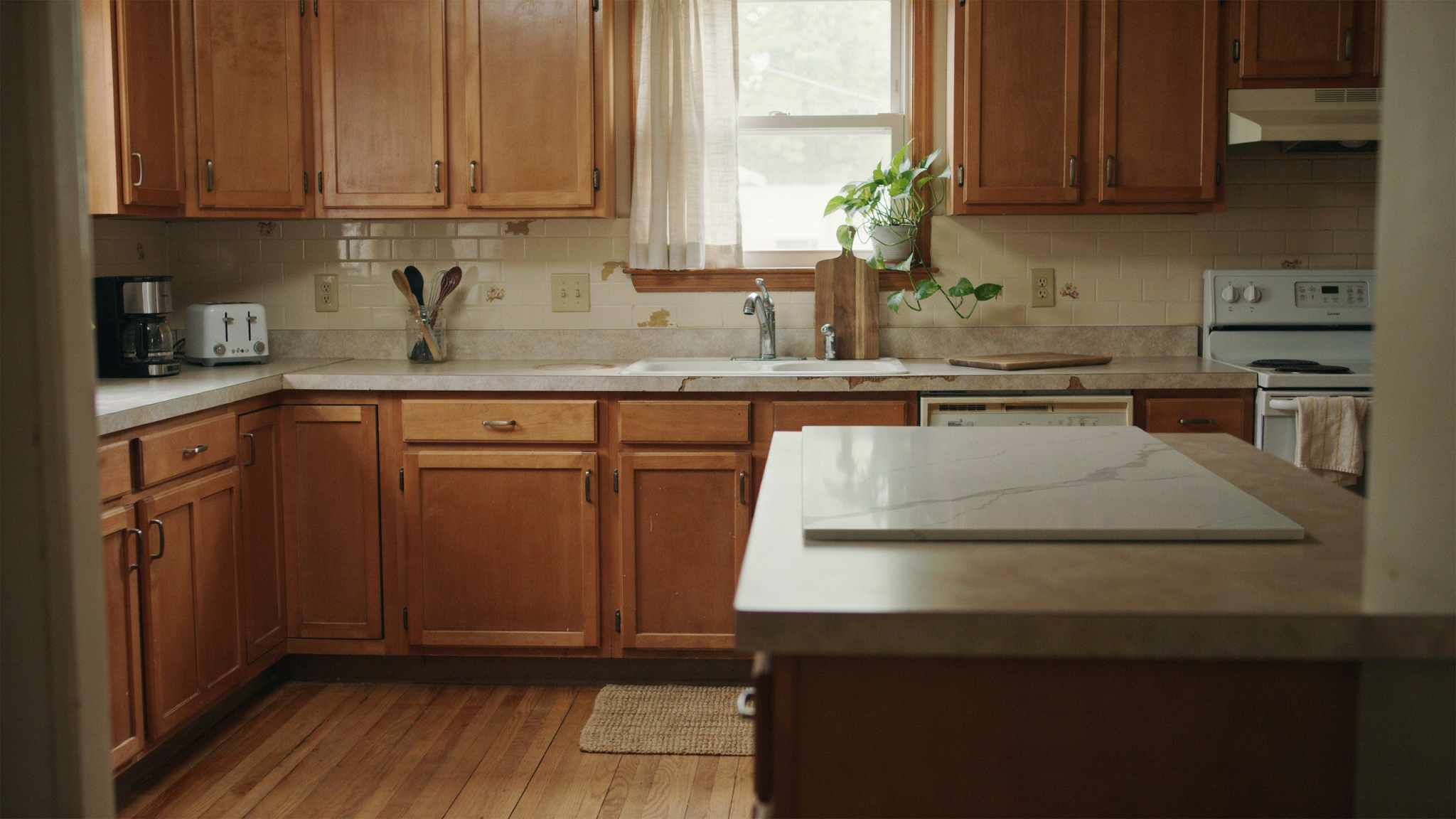
The all-white kitchen—bright, sterile, and Instagram-friendly—has officially overstayed its welcome. While clean white cabinetry isn’t inherently bad, lack of contrast or warmth leaves the space feeling flat and impersonal.
What to Do Instead:
Introduce contrast with painted islands, natural stone countertops, wood open shelving, or matte black hardware.
DIY-Friendly Updates:
Paint your island a bold color like forest green, slate blue, or charcoal.
Swap upper cabinets for open shelves.
Add peel-and-stick backsplash tile with character—think zellige-style or terracotta.
Bonus: These upgrades are renter-friendly and reversible if needed.
5. IN: Statement Lighting as Functional Art
DIY It (with help)
Gone are the days of basic builder-grade fixtures. In 2024 and beyond, lighting is art, and it’s often the first thing guests notice in a space. Oversized pendants, sculptural chandeliers, and textured sconces instantly elevate even the simplest rooms.
DIY Ideas:
Upgrade a drum shade to a woven pendant light (budget-friendly via IKEA or World Market).
Spray-paint a thrifted brass fixture matte black or soft gold.
Wrap a pendant cord in linen rope for a coastal touch.
Tip: If hardwiring isn’t your thing, consider plug-in wall sconces or battery-operated LED lights mounted in thrifted fixtures.
6. OUT: Matching Furniture Sets
Ditch It
Buying all your living room or bedroom furniture as a single set might feel easy—but it flattens your design potential and makes your space feel showroom-y. The best rooms look collected over time—not ordered in one click.
What to Do Instead:
Mix different finishes, shapes, and styles. Pair a vintage dresser with modern nightstands. Add a bold, sculptural accent chair that doesn’t match your sofa. This creates visual interest and authenticity.
DIY Solution:
Refresh existing furniture with new hardware, paint, or upholstery. A simple reupholstery job on a thrifted chair can create a gorgeous conversation piece.
7. IN: Earth-Toned Color Palettes
DIY It
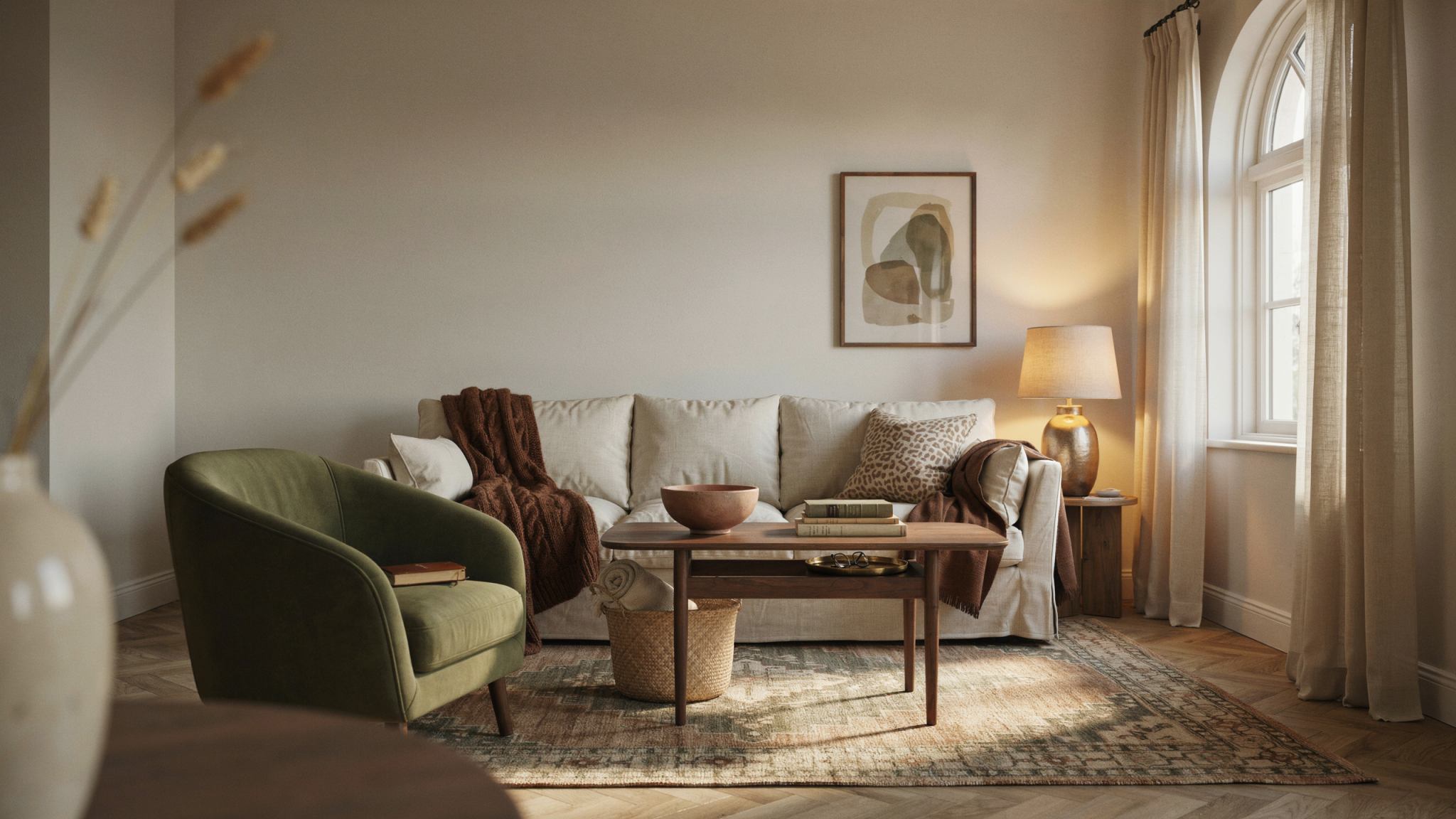
While gray and stark white dominated the 2010s, today’s most desirable interiors are grounded in warm, earthy tones: olive, clay, camel, terracotta, ochre, and soft moss green. These colors add coziness, calm, and depth—perfect for creating sanctuary-like spaces.
DIY Ideas:
Repaint an accent wall in a rich earth tone (try Behr’s Canyon Dusk or Jojoba).
Use chalk paint to give old furniture a new lease on life.
Style with rust-toned pillows, natural wood trays, and woven baskets.
Where It Works: Living rooms, bedrooms, even bathrooms benefit from grounding palettes.
8. OUT: Over-the-Top Theme Rooms
Ditch It
Whether it’s a coastal bathroom filled with seashells or a farmhouse kitchen packed with rooster figurines, literal themes feel dated and limit your decor flexibility. The goal now is to evoke a vibe, not replicate a souvenir shop.
What to Do Instead:
Use color, material, and light to suggest a theme without going full cartoon. A beachy room can feature natural linen, driftwood, and watercolor art—no anchors required.
DIY Tips:
Replace kitschy items with textured neutrals and abstract coastal prints.
Upgrade “theme” signage with artisan or handmade elements that tell your story.
9. IN: Function-Forward Spaces with Personality
DIY It
We’ve entered the era of lived-in luxury: homes that are both functional and full of personality. Think: pantries you actually want to show off, entryways that feel styled and practical, or WFH corners that double as design statements.
DIY Ideas:
Create a mini coffee bar with floating shelves, glass jars, and a thrifted lamp.
Build a mudroom bench with hidden storage and a DIY shiplap or beadboard wall.
Upgrade your desk nook with removable wallpaper, a pendant light, and framed art.
Pro Tip: Small upgrades like labeled baskets, tray styling, and lighting swaps can transform your space in a weekend.
10. OUT: Wall Decals and Vinyl Quotes
Ditch It
Vinyl wall quotes like “Live, Laugh, Love” or “But First, Coffee” were once considered charming. But in 2024, they read more like visual noise than intentional decor.
What to Do Instead:
Let your walls breathe or fill them with real art, photography, or sculptural pieces. Personal moments and layered styling beat decals every time.
DIY Option:
Print and frame your own quotes in elegant fonts.
Try a gallery wall with vintage frames and personal travel photos.
Hang a floating ledge shelf and rotate seasonal or inspiring artwork.
11. IN: DIY Wood Details That Add Warmth
DIY It
Want a quick, high-impact home upgrade? Add architectural wood elements—and yes, you can totally do it yourself. From trim to paneling to ceiling details, wood brings warmth and dimension like no other material.
DIY Ideas:
Install vertical slat paneling behind your bed.
Frame a bathroom mirror with warm oak or walnut.
Add board and batten or picture-frame molding to an entryway or dining room.
Design Tip: Stick with wood tones that match your flooring or introduce a complementary contrast for balance.
12. OUT: Fast Furniture and Poor-Quality Decor
Ditch It
Disposable decor is bad for your budget and the planet. In a world where we’re all trying to be more conscious of consumption, fast furniture just doesn’t align anymore.
What to Do Instead:
Focus on quality over quantity. Mix investment pieces with vintage or upcycled finds. You don’t need a huge budget—you need patience, creativity, and intention.
DIY Alternative:
Sand and refinish a thrifted wood table.
Re-cover dining chairs in a fabric that elevates your space.
Repurpose old items—like turning a vintage trunk into a coffee table.
Design Your Home for the Life You Want
The best design isn’t about following every trend—it’s about choosing what works for you. The trends that stick around are the ones rooted in comfort, function, and soul. Before trying the latest DIY or splurging on new decor, ask yourself: Does this improve my everyday life? Will I love this next year?
So go ahead and embrace what’s in—soft curves, sculptural lighting, and rich texture—and don’t be afraid to let go of what no longer serves you. Your home is your story. Make it one worth living in every single day.
How to Tell if a Trend Is Worth Trying (Or Skipping)
Interior design trends can be exciting—but they can also be overwhelming. Should you repaint the entire dining room because beige is back? Is that curved headboard worth the hype? Should you spend your Saturday DIYing slat walls because it’s all over Instagram?
Before you jump into a home project or buy that trending décor item, it helps to take a beat and evaluate. Use this decision-making framework to determine whether a trend is worth embracing—or better left to the Pinterest boards.
1. Does It Align With My Long-Term Style?
Ask yourself if the trend fits into the larger look and feel you want your home to have. Just because boucle chairs are everywhere doesn’t mean they belong in your coastal or mid-century-inspired space. Sometimes, the most powerful design move is to say no.
Try This: Create a 1-page mood board for your home. If the trend doesn’t align with the colors, textures, or vibe you’ve curated, it’s probably a mismatch.
DIY Opportunity: If you love the trend but it doesn’t totally match, try a scaled-back or transitional version. For example, if you love curves but have a very clean, modern home, introduce them through accessories—like a round mirror or arched bookshelf.
2. Can I Try It in a Low-Commitment Way First?
Not every design idea needs to start with a sledgehammer. In fact, some of the best trend experiments happen on a budget, in small doses. Before you re-tile your bathroom in checkerboard, try adding the pattern in a throw blanket, bath mat, or even peel-and-stick vinyl.
Smart DIY Tips:
Use removable wallpaper instead of paint to test bold patterns.
Try furniture flips using thrifted items before investing in designer versions.
Add trendy color accents through pillows, lampshades, or artwork.
What to Ditch: Trends that require permanent changes to core elements of your home—flooring, cabinets, or built-ins—should be approached carefully. If you’re unsure, wait.
3. Is It Functional for My Lifestyle?
A trend might look beautiful, but will it actually work in your home? That stunning marble coffee table with sharp corners might be less appealing when you’re toddler-proofing. A wall of open shelving might look great in magazines but feel cluttered in real life.
Quick Check: If a trend makes your space harder to clean, less comfortable, or more fragile, you may regret it down the road.
DIY Smart Swap: If you’re drawn to a trend that’s not entirely functional (like ultra-low-profile furniture), find alternatives that give you the look and practicality. A curved-edge upholstered ottoman can feel on-trend without sacrificing comfort.
4. Will It Still Make Sense a Year From Now?
Ask yourself: If this trend disappeared from social media tomorrow, would I still love it? If the answer is no, it might be a sign to pass—or approach it with caution.
Timeless doesn’t mean boring. It means creating a home that evolves with you. Layer trendy elements into a strong foundational design rather than making trends the foundation themselves.
Trends are tools—not rules. Use them to spark inspiration, not obligation. The most beautiful spaces aren’t the most trendy—they’re the most personal, practical, and layered with intention.