

Let’s talk about something we all see every single day but probably don’t think about enough: our front yards. You know the feeling. You pull into the driveway after a long day of work, running errands, or shuttling kids around, and you look at your house. Does it make you smile? Or does it make you mentally add “fix the flower beds” to your never-ending to-do list?
For the longest time, my front yard was just… there. It wasn’t terrible, but it certainly wasn’t winning any neighborhood awards. It was a patch of grass that needed mowing, a few overgrown bushes that came with the house, and a concrete walkway that had seen better days. It felt like a chore rather than a welcoming entrance. But then I realized something important: the front of our home is the first impression we give the world, and more importantly, it’s the first thing we see when we come home. It sets the tone for how we feel when we walk through the front door.
Between juggling work, family, and trying to maintain some semblance of a social life, you probably have a million things on your plate. You want a beautiful home that reflects your personal style, but you also need it to be practical, manageable, and ideally, not require a second mortgage to achieve. You want that “wow” factor without spending every single weekend pulling weeds. I get it. That’s exactly where I was.
So, I went down a massive rabbit hole of landscaping design, DIY projects, and curb appeal hacks. I wanted to find ideas that were actually doable for real women with real lives. And let me tell you, the trends right now are so exciting! We are moving away from those stiff, formal, high-maintenance lawns and embracing spaces that are lush, eco-friendly, and full of personality.
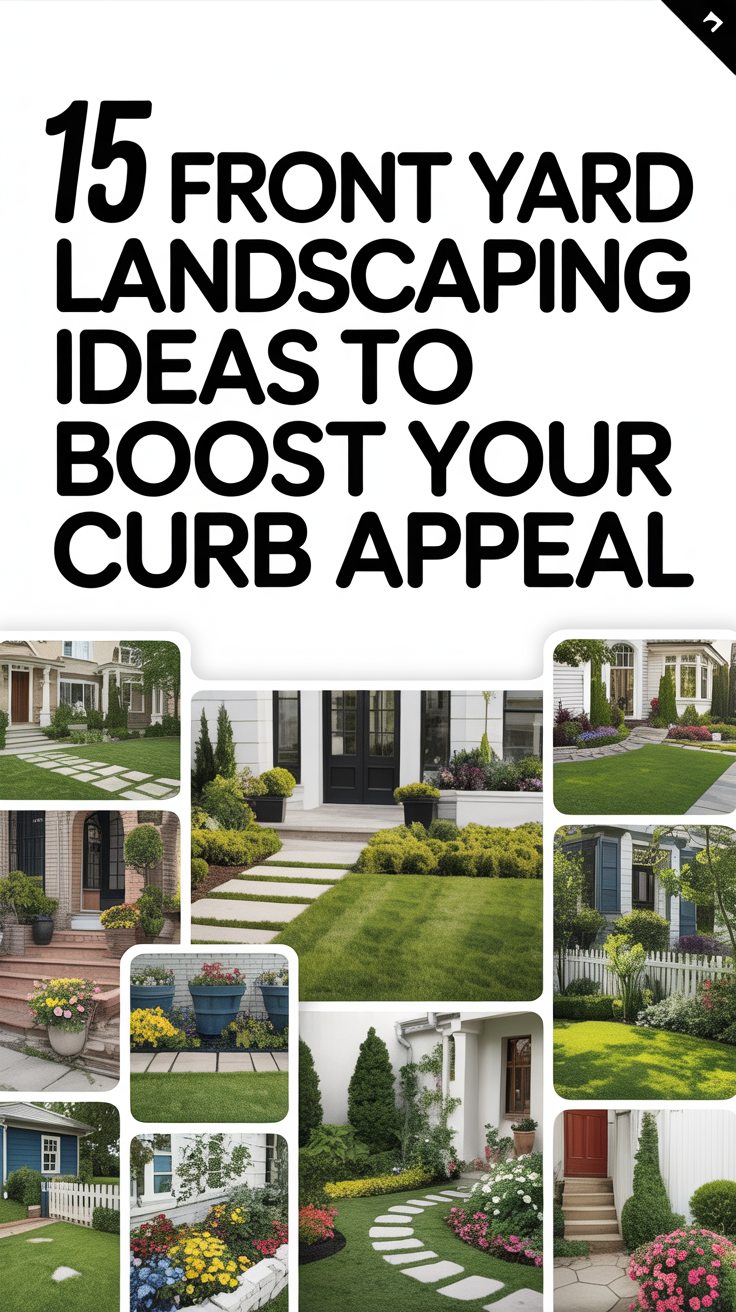
Whether you have a sprawling suburban lawn or a tiny urban patch, there are so many ways to transform your outdoor space. So today let’s talk about 15 front yard landscaping ideas that will take your home from “meh” to magnificent.
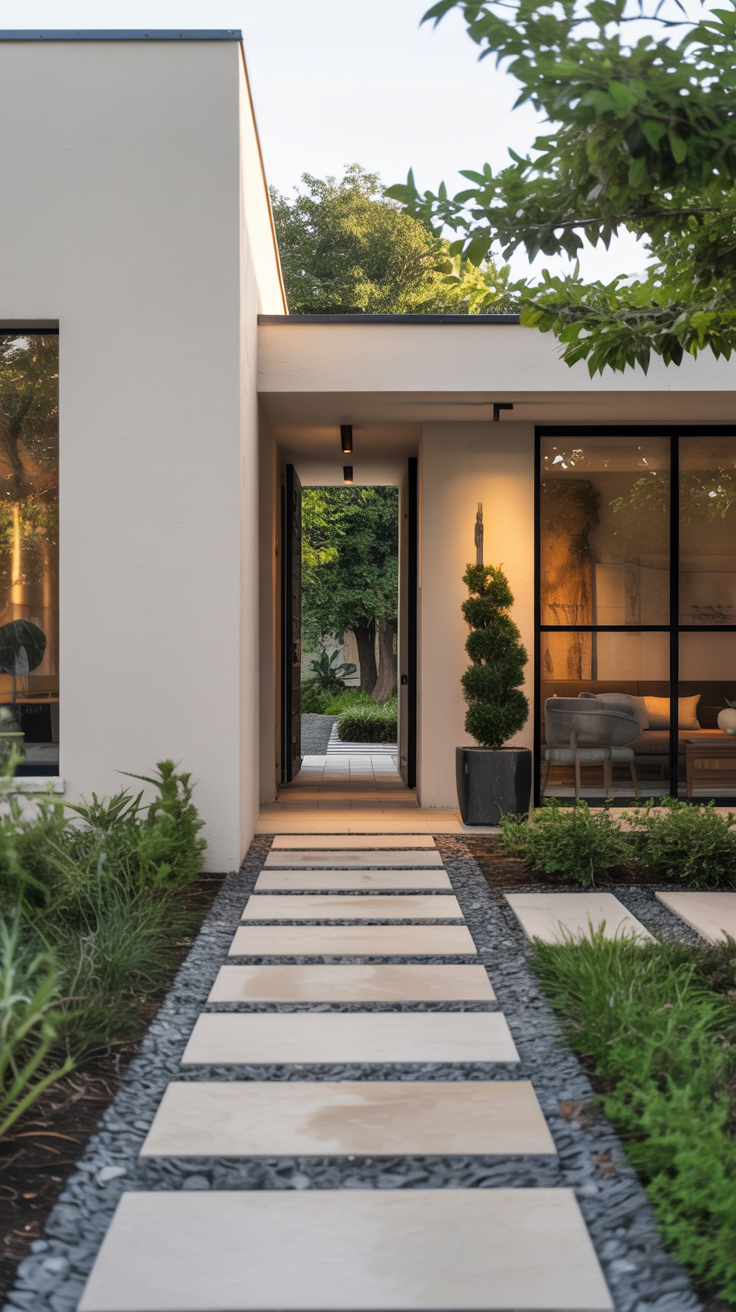
1. Ditch the Concrete for Permeable Pathways
Let’s start with the path to your front door. If you have a standard, straight concrete walkway, it might be time for an upgrade. One of the biggest trends right now is moving toward permeable pathways. Not only do they look incredibly chic and modern, but they are also fantastic for the environment.
Permeable pathways allow rainwater to soak naturally into the ground rather than running off into the street (and taking all the topsoil with it). This helps prevent those annoying puddles that freeze in the winter and reduces the risk of cracks that are so common with solid concrete.
How to get the look: Think about using materials like decomposed granite, crushed gravel, or brick pavers set in sand. My absolute favorite look right now is large, oversized concrete or natural stone pavers spaced out with a few inches of gravel or low-growing ground cover (like creeping thyme) in between. It instantly gives your home a custom, designer feel. Plus, laying a gravel path is a surprisingly manageable DIY project for a weekend!
2. Embrace the Magic of Native Plants
If you want a gorgeous yard but don’t want to spend your entire summer watering and fighting off pests, native plants are your new best friends. Native plants are the species that naturally grow in your specific region. Because they are adapted to your local climate, soil, and rainfall, they require significantly less maintenance than exotic plants.
When I first started gardening, I bought whatever looked pretty at the big box store, only to watch half of it die because it couldn’t handle our summer heat. Once I switched to native plants, it was a game-changer. They thrive on neglect!
How to get the look: Do a quick search for native plants in your state or growing zone. You’ll find beautiful options for ornamental grasses, flowering perennials, and sturdy shrubs. Not only will your water bill thank you, but you’ll also be creating a vital habitat for local birds, bees, and butterflies. It’s a win-win.
3. Create a Welcoming Seating Nook
Who says the backyard gets to have all the fun? One of my favorite lifestyle trends is reclaiming the front yard as a living space. If you have the room, adding a small seating area completely changes the vibe of your home. It says, “We live here, we love our neighborhood, and we are open to connection.”
It doesn’t have to be a massive porch. A simple seating nook can be tucked under a shade tree or nestled into a garden bed near the front door. It’s the perfect spot to sip your morning coffee, watch the kids ride their bikes, or chat with neighbors walking their dogs.
How to get the look: You don’t need much! A classic wooden bench, a pair of colorful Adirondack chairs, or a small bistro set works perfectly. Define the space by laying down some pea gravel or a small flagstone patio. Surround it with a few potted plants or fragrant herbs like lavender to make it feel like a cozy retreat.
4. Layer Your Lighting for Evening Drama
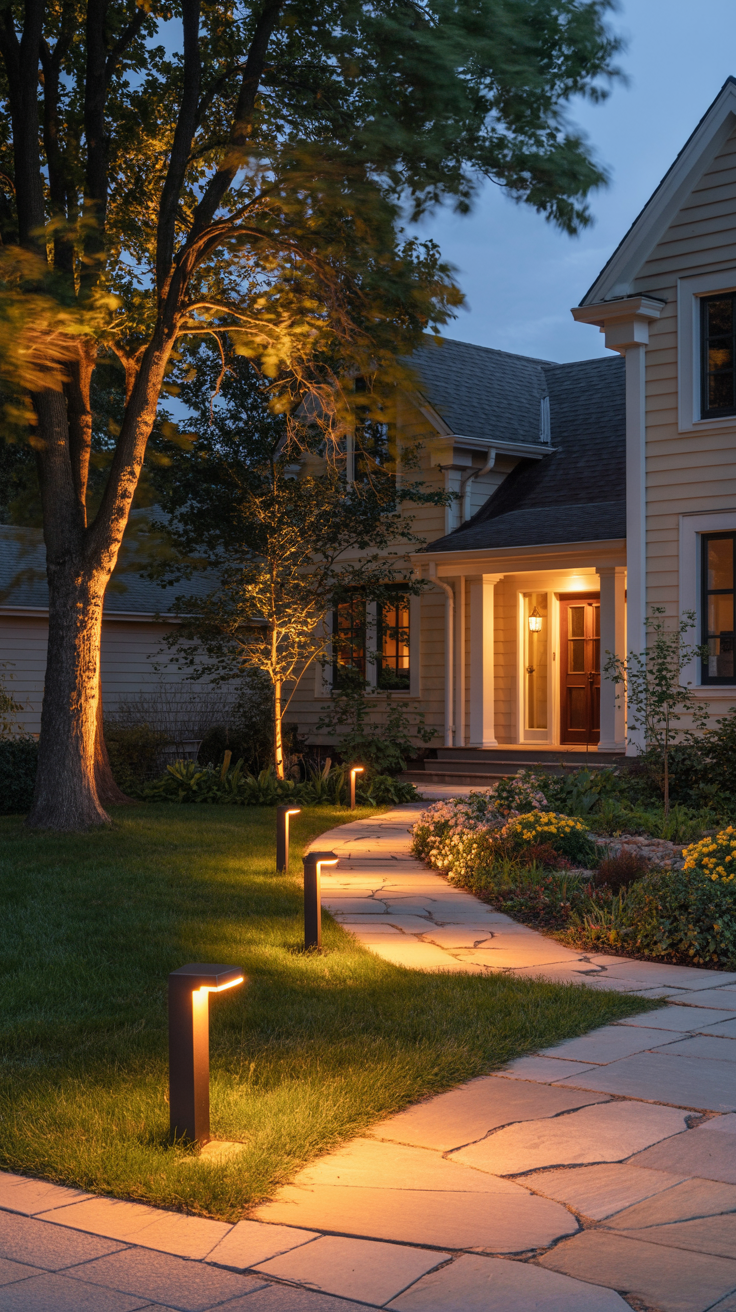
Curb appeal shouldn’t disappear when the sun goes down. Good landscape lighting is the secret sauce that makes a house look expensive and professionally designed. It adds warmth, highlights your home’s best architectural features, and provides essential safety for walkways.
The mistake many people make is just sticking a few cheap solar lights along the driveway and calling it a day. To get that high-end look, you need to layer your lighting.
How to get the look: Start with path lights to guide the way to your door. Then, add uplighting—place spotlights at the base of your most beautiful trees or against the front of your house to create dramatic shadows. Finally, make sure your porch light is a statement piece that matches your home’s style. If you don’t want to deal with hardwiring, there are some incredible, high-quality solar options on the market now that look just as good as the wired versions.
5. Build Dimension with Raised Garden Beds
If your front yard is feeling a little flat and one-dimensional, raised garden beds are the perfect solution. They add instant structure and visual interest, breaking up a boring expanse of lawn.
Raised beds are also incredibly practical. They give you complete control over the soil quality (perfect if your yard is full of clay or rocks), they provide better drainage, and they save your back from constant bending over.
How to get the look: You can build simple wooden boxes for a rustic or farmhouse feel, use sleek metal planters for a modern industrial vibe, or even use stacked stone for a classic look. Place them along the foundation of your house, use them to line your driveway, or create a focal point in the center of the yard. Fill them with a mix of evergreen shrubs for year-round color and seasonal flowers for a pop of brightness.
6. The Magic of Mulch (and Why You Need It)
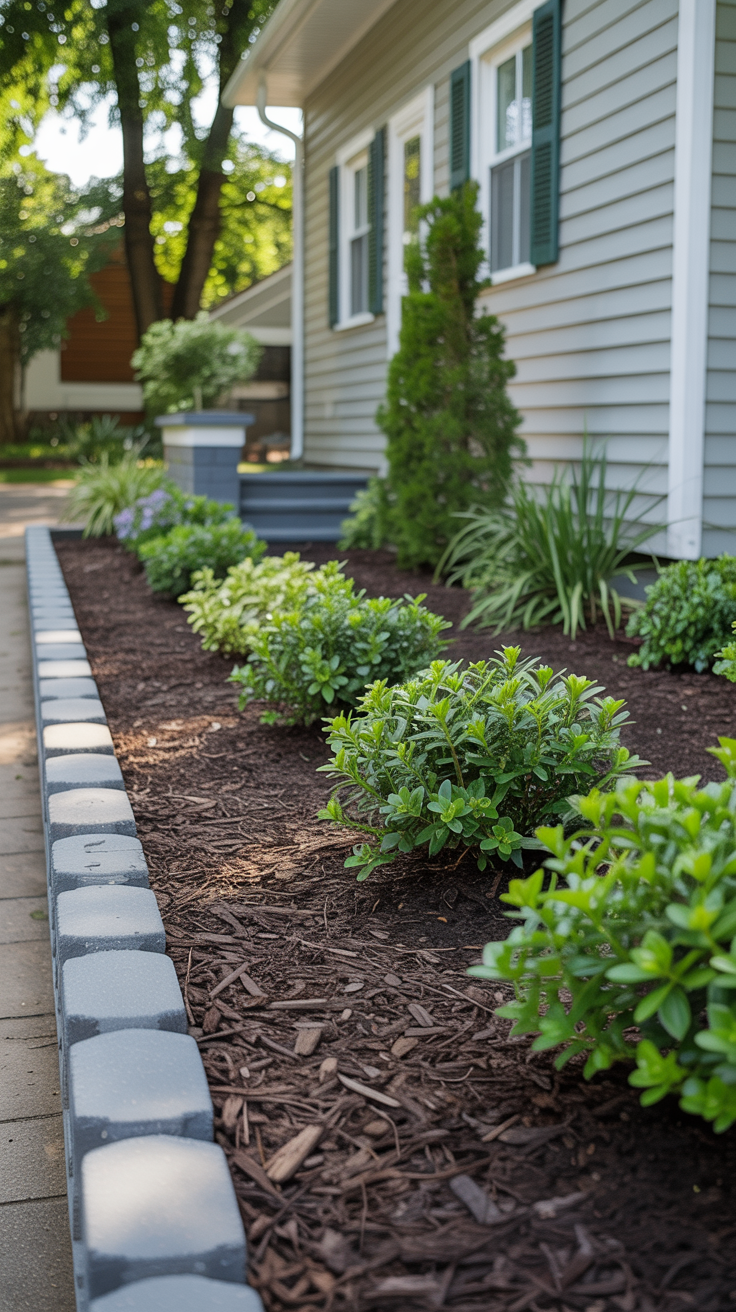
Okay, I know mulch isn’t the sexiest topic in the world, but hear me out. A fresh layer of mulch is like a brand-new coat of paint for your garden beds. It instantly makes everything look clean, tidy, and intentional. It’s the easiest, cheapest way to give your yard a facelift in a single afternoon.
But mulch isn’t just about looks; it’s a powerhouse for your plants. It helps the soil retain moisture during those hot summer months, suppresses annoying weeds (hallelujah!), and slowly breaks down to feed your plants over time.
How to get the look: Skip the bright red or orange dyed mulches—they tend to look artificial and fade quickly. Instead, opt for natural, dark brown or black shredded bark. It provides a beautiful, rich contrast that makes the green of your plants pop. If you have a modern or minimalist home, consider using decorative gravel or river rock instead of wood mulch for a sleek, low-maintenance finish.
7. Create a Pollinator Paradise
If you’ve been paying attention to gardening trends lately, you’ve probably heard the buzz (pun intended!) about pollinator gardens. This is one of my absolute favorite movements in landscaping right now. We are realizing that our yards can be beautiful and beneficial to the ecosystem.
A pollinator garden is simply a space designed to attract and support bees, butterflies, hummingbirds, and other essential insects. It’s a wonderful way to bring life and movement to your front yard. Plus, it’s an incredible learning opportunity if you have kids—they will love watching the caterpillars turn into butterflies right outside their window.
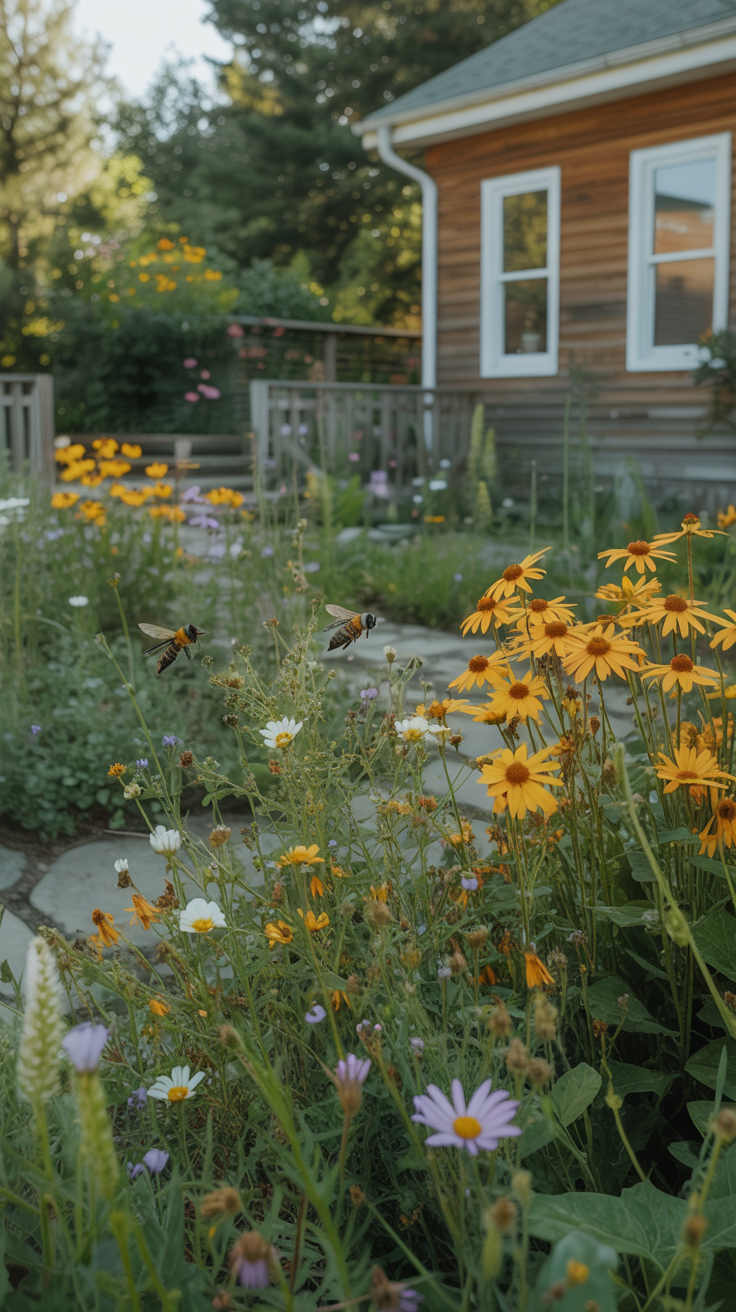
How to get the look: The key to a successful pollinator garden is planting a variety of flowers that bloom at different times throughout the season, so there is always a food source available. Look for native plants like milkweed (essential for Monarch butterflies), coneflowers, black-eyed Susans, and bee balm. Group them in clusters rather than single plants to make it easier for pollinators to find them.
8. Add Structure with Evergreens
We all love the explosion of color that comes with spring and summer flowers, but what happens to your front yard in January? If you only plant deciduous trees and perennials, your yard will look bare and sad for half the year. That’s where evergreens come in.
Evergreens are the backbone of any good landscape design. They provide structure, texture, and color 365 days a year. They anchor your garden beds and ensure that your home always looks polished, even when everything else is dormant.
How to get the look: You don’t need to plant a forest of pine trees. Look for dwarf varieties of evergreens that won’t outgrow their space. Boxwoods are a classic choice for creating neat, formal hedges or framing an entryway. For a softer look, try ornamental grasses that keep their shape through the winter, or broadleaf evergreens like rhododendrons or holly.
9. The “No-Mow” Movement: Rethinking the Lawn
Let’s be honest: maintaining a perfect, emerald-green lawn is exhausting. It requires constant mowing, watering, fertilizing, and weeding. It’s expensive, time-consuming, and not particularly great for the environment. That’s why the “no-mow” movement is gaining so much traction, especially among busy women who have better things to do on a Saturday morning than push a lawnmower.
You don’t have to rip out your entire lawn (unless you want to!), but reducing the size of your grass area can drastically cut down on your maintenance.
How to get the look: Start by expanding your garden beds to eat up some of the lawn space. You can also replace sections of grass with low-growing, drought-tolerant ground covers like creeping thyme, clover, or sedum. These alternatives require little to no mowing, stay green longer, and often produce tiny, beautiful flowers that pollinators love.
10. Edible Landscaping: Beauty You Can Eat
Who says vegetable gardens have to be hidden in the backyard? Edible landscaping (or “foodscaping”) is the brilliant idea of integrating fruits, vegetables, and herbs right into your front yard design. It’s practical, sustainable, and surprisingly beautiful.
Imagine stepping out your front door to snip some fresh basil for dinner or grabbing a handful of cherry tomatoes on your way to the car. It’s the ultimate farm-to-table experience, right in your own yard.
How to get the look: The trick is to mix edible plants with your ornamental ones so it looks intentional, not like a messy farm plot. Use colorful Swiss chard or kale as border plants—their textured leaves are stunning. Plant a blueberry bush instead of a standard shrub; it offers beautiful white flowers in the spring, delicious fruit in the summer, and fiery red foliage in the fall. Tuck herbs like rosemary, thyme, and oregano into your flower beds or pots; they are incredibly hardy and smell amazing.
11. Define Your Edges for a Polished Look
If your garden beds are bleeding into your lawn, your yard will always look a little messy, no matter how beautiful your plants are. Crisp, clean edges are the secret to a yard that looks professionally landscaped. It’s a small detail that makes a massive difference.
Edging creates a clear boundary between different areas of your yard, keeping mulch where it belongs and preventing grass from creeping into your flower beds.
How to get the look: There are endless options for edging, depending on your style and budget. A simple, deep “V” trench cut into the soil with a spade is free and looks incredibly clean. For a more permanent solution