Interior Design trends often come and go with the speed of a scrolling thumb on a social media feed. For years, we’ve been inundated with images of impossibly perfect, minimalist spaces—rooms so pristine they feel more like sterile galleries than lived-in homes. But as we move deeper into 2026, a powerful and deeply human counter-movement is not just taking root; it’s blossoming. The message from designers, homeowners, and tastemakers is resounding and clear: it’s time to trade perfection for personality, aesthetics for atmosphere, and starkness for soul.
The driving force behind this shift is a collective yearning for authenticity and comfort in our most personal of spaces. Our homes are no longer just backdrops for our lives; they are active participants in it. They are our sanctuaries, our workspaces, our entertainment centers, and our retreats from an increasingly chaotic world. As such, there’s a growing desire for them to feel as good as they look—to be spaces that nurture, inspire, and reflect the unique stories of the people who inhabit them. The new decorating directive is less about following rigid rules and more about cultivating a feeling. It’s about creating environments that are warm, inviting, and unapologetically human.
This year, the focus is on a multi-sensory experience. It’s about the tactile pleasure of a velvet sofa, the visual warmth of an earthy color palette, the quiet luxury of layered textures, and the soulful character of a handcrafted object. We’re moving away from the cold, over-sanitized look defined by glossy, untouchable surfaces and embracing the beauty of imperfection. Think medium-toned woods that glow with warmth, walls with the soft, chalky finish of limewash, unlacquered metals that develop a rich patina over time, and layers upon layers of sumptuous textiles. This is design that invites you to slow down, to connect with your surroundings, and to feel truly at home.
So, if you’re looking to refresh your space in 2026, forget the pressure to create a flawless, magazine-ready interior. Let’s explore the top trends that are shaping the future of design—a future that is more personal, more comfortable, and infinitely more soulful.
In: Lush, Cocooning Textures & Colors
Out: Designing for Purely Visual Aesthetics
For years, the design world was captivated by a clean, almost clinical aesthetic. Spaces were defined by smooth, glossy surfaces, perfect finishes, and a visual-first approach that often prioritized looks over livability. In 2026, that paradigm has been completely upended. The new language of design is one of warmth, imperfection, and, above all, tactility. The home is being reimagined as a sensory experience, a place that should feel as good as, or even better than, it looks.
This shift is most evident in the enthusiastic embrace of lush, cocooning interiors. Designers and homeowners are increasingly drawn to spaces that feel like a warm hug—enveloping, safe, and deeply comforting. This is achieved through a masterful layering of sensual colors and inviting textures. The color palette is rich and evocative, pulling from the deep, saturated tones of a jewelry box: emerald green, garnet red, royal plum, and deep sapphire blue. These colors are not used sparingly as accents; they are used with confidence, drenching entire rooms to create a moody, immersive atmosphere.
Velvet, with its soft hand and luxurious sheen, is taking center stage. It’s being used not just for throw pillows but for statement sofas, elegant armchairs, and dramatic headboards. But velvet is just the beginning. The textural landscape of 2026 is rich and varied, incorporating a wide range of materials that beg to be touched:
- Bouclé and Shearling: These nubby, fleece-like fabrics bring a sense of softness and playfulness to furniture, making chairs and sofas look and feel like friendly, fluffy clouds.
- Chunky Knits: Oversized, hand-knitted blankets and throws add a layer of cozy, homespun charm.
- Natural Linens and Raw Silks: These materials offer a more organic, earthy texture. Their natural slubs and imperfections add character and a sense of relaxed elegance.
- Limewashed Walls: Moving away from flat, perfect paint, limewash and plaster finishes provide a soft, chalky texture with subtle variations in color and depth, making walls feel alive and ancient.
- Unlacquered Metals: Brass, bronze, and copper fixtures that are left unsealed are encouraged to tarnish and age, developing a unique patina over time that tells a story of use and touch.
This tactile, layered approach is more than just a design trend; it’s a form of mindfulness. It invites us to slow down, to engage with our surroundings on a deeper level, and to feel calm, connected, and grounded in our own homes. To bring this trend into your own space, start shopping with your hands, not just your eyes. Go to stores and feel the fabrics. Run your hand over the wood grain. Choose pieces that offer a pleasing tactile experience. Focus on creating a lighting scheme that is warm and inviting, using dimmer switches and multiple light sources to create a soft, layered glow. The goal is to create a home that is a feast for the senses, a place that nurtures and restores from the moment you walk in the door.
In: Warm, Earthy Color Schemes
Out: Stark, Cool Grays and Whites
If there is one word that encapsulates the spirit of 2026 design, it is “warmth.” After a long reign of cool grays, sterile whites, and impersonal minimalism, there is a collective pivot towards colors that feel grounding, comforting, and deeply connected to the natural world. The home is no longer a blank canvas; it is a warm embrace, and color is the primary tool for achieving this sense of sanctuary.
The new color palette is drawn directly from the earth. These are not bright, jarring primary colors, but rich, nuanced hues that feel both sophisticated and elemental. Think of the warm glow of a desert sunset, the deep tones of a forest floor, or the rich pigments of natural clay. Key colors for 2026 include:
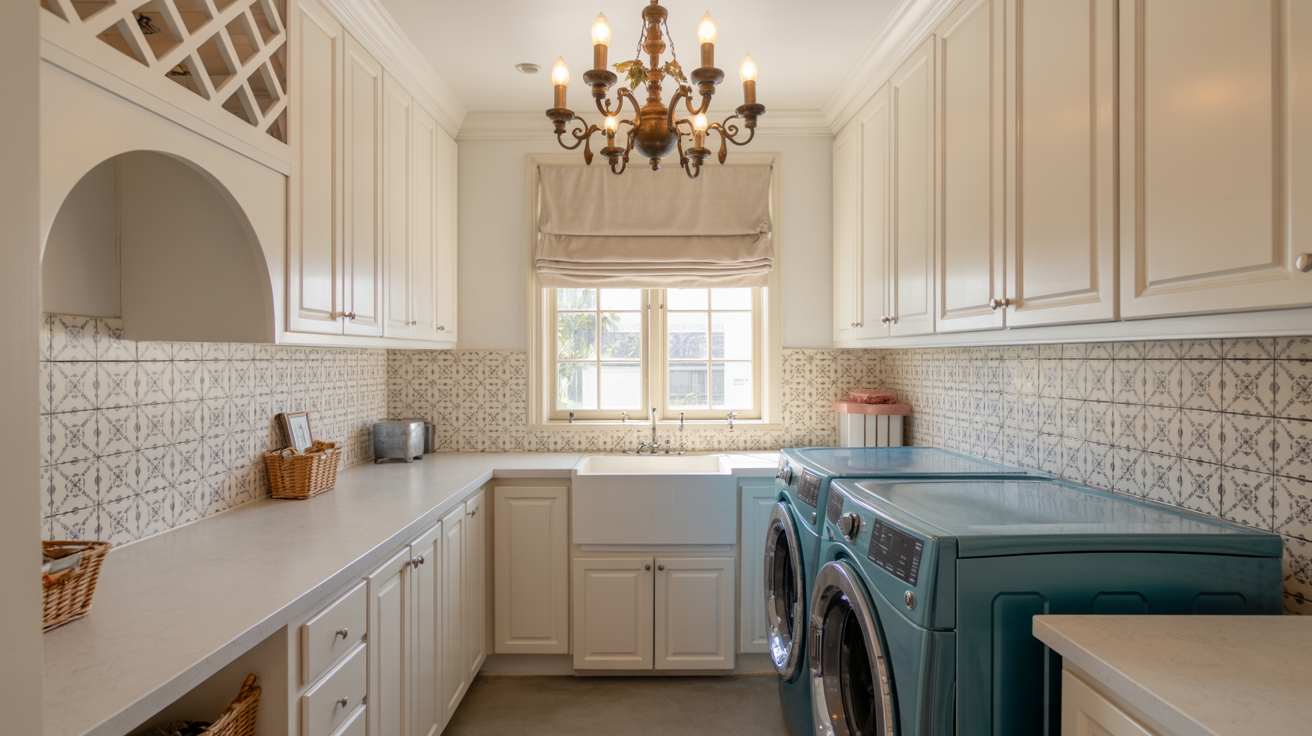
- Terracotta, Rust, and Ochre: These sun-baked, clay-inspired tones bring an immediate sense of warmth and history to a space. They feel ancient and modern at the same time, and they pair beautifully with natural materials like wood and linen.
- Olive and Moss Green: These are not the bright, electric greens of years past. The new greens are deeper, more muted, and more complex. They evoke the feeling of a peaceful walk in the woods and act as a sophisticated, calming neutral.
- Tobacco Brown and Cognac: Rich, warm browns are making a major comeback, replacing the cool grays that once dominated. These colors feel luxurious and inviting, reminiscent of well-worn leather, rich soil, and dark wood. They add a sense of depth and gravitas to a room.
- Warm Off-Whites: Even white is getting a warm makeover. Stark, blue-toned whites are being replaced by creamier, softer shades with yellow or pink undertones. These “dirty whites” provide a soft, luminous backdrop that feels much more inviting than their cooler counterparts.
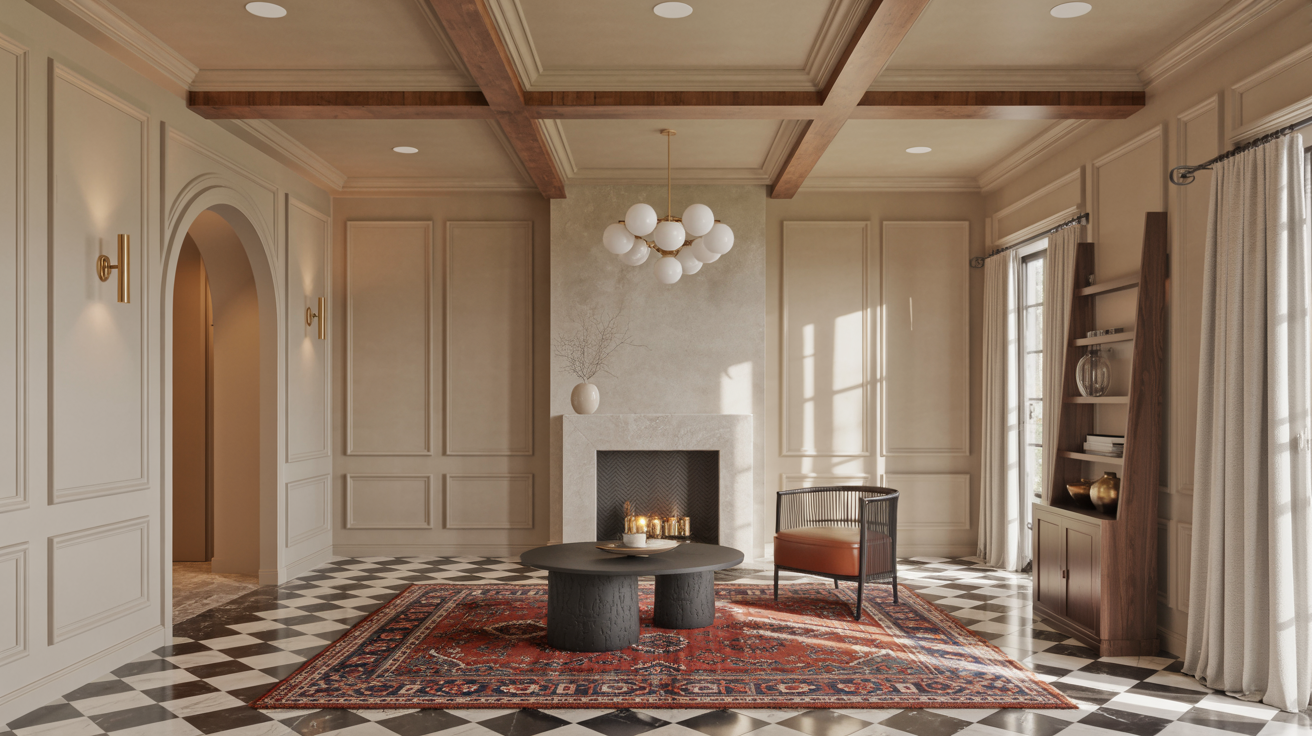
This return to warmth extends beyond just paint. These earthy tones are being incorporated through a variety of materials and finishes. Medium and dark-toned woods, such as walnut, teak, and acacia, are essential for enhancing a warm color scheme. Their rich grain and deep color add texture and a sense of enduring quality. Upholstery in cognac leather, olive velvet, or rust-colored linen brings these colors to the largest pieces of furniture in the room. Rugs in earthy patterns and natural fibers like jute and wool help to ground the space, while terracotta pots, amber glass, and brass accessories provide the finishing touches.
The psychology behind this trend is clear. Warm colors are known to be comforting, reassuring, and intimate. They make large spaces feel cozier and more welcoming. In a world that often feels fast-paced and uncertain, creating a home that feels like a safe, warm retreat is more important than ever. This trend is about more than just aesthetics; it’s about creating a home that nurtures the soul.
In: Layered, Mixed Monochrome
Out: Flat, Total Color Drenching
Color drenching—the practice of painting walls, trim, and even the ceiling in a single, bold hue—has had its moment in the spotlight. While visually striking, this approach can sometimes feel flat, overwhelming, and one-dimensional. In 2026, this trend is evolving into something more sophisticated, nuanced, and livable: the layered, mixed-monochrome room.
Monochromatic design is back, but with a newfound depth and complexity. Instead of being locked into one single shade, the new approach is about exploring the full spectrum of a single color family within one space. It’s about creating a rich, tonal tapestry that moves seamlessly from light to dark, from muted to saturated, and from texture to texture. Imagine a blue room that isn’t just one shade of blue, but a carefully orchestrated composition of navy velvet, powder blue silk, steel-grey metal, and a hand-knotted rug that weaves all these tones together. The result is a room that feels cohesive and calming, yet also dynamic and visually interesting.
This trend also champions the art of layering neutrals. The focus is shifting away from bold, statement walls and towards subtle, layered palettes of beige, cream, taupe, and mushroom. In these spaces, color takes a backseat, allowing texture and form to speak louder. A room might feature creamy limewash walls, a nubby bouclé sofa, a raw linen curtain, a jute rug, and a travertine coffee table. While all these elements fall within the same neutral color family, the variation in their textures creates a sense of quiet luxury and effortless sophistication. It’s a look that is both calming and incredibly chic.
Here’s how to master the art of the mixed-monochrome room:
- Choose a Color Family: Start by selecting a base color you love, whether it’s a calming green, a warm terracotta, or a sophisticated neutral. This will be your anchor.
- Vary the Tones: Collect paint chips, fabric swatches, and material samples from across the entire spectrum of your chosen color family. You’ll want light, medium, and dark tones to create contrast and depth. For example, in a green room, you might use a deep forest green for a statement wall or a sofa, a medium sage green for the other walls, and a pale mint green for accent pillows or decor.
- Play with Saturation: Mix muted, dusty shades with more saturated, vibrant ones. A room with all muted tones can feel a bit flat, while a room with all bright tones can be overwhelming. The interplay between the two creates a beautiful balance.
- Texture is Your Best Friend: This is the key to making a monochromatic room come to life. Combine a variety of textures to create visual and tactile interest. Mix soft materials like velvet and wool with harder surfaces like wood, metal, and stone. The way light hits these different surfaces will create subtle shifts in color and prevent the room from feeling one-dimensional.
- Incorporate Pattern: A monochromatic pattern, such as a tone-on-tone floral wallpaper or a striped rug in varying shades of the same color, can add another layer of complexity and interest without breaking the cohesive feel of the room.
This sophisticated approach to color creates a space that feels intentional, harmonious, and deeply personal. It’s a testament to the idea that a room doesn’t have to be loud to make a statement.
In: Lived-In, Soulful & Sometimes Messy Spaces
Out: Perfect, Museum-Level Styling
For the better part of a decade, our screens have been filled with images of flawlessly styled interiors. Every object is perfectly placed, every surface is gleaming, and there is not a single sign of actual human life to be found. In 2026, we are collectively saying “no more.” The pendulum is swinging away from the unrealistic and often sterile perfection of the “Instagram home” and towards a celebration of spaces that are warm, human, and, yes, even a little bit messy.
This trend is about embracing the beauty of a life well-lived. It’s about creating homes that are designed for real people, not for a photoshoot. The perfectly staged, “less is more” aesthetic, with its three carefully curated objects on a coffee table, is being rejected not just because it’s impractical, but because it feels stiff, impersonal, and unwelcoming. A home should tell the story of its inhabitants, and stories are inherently a bit messy.
This new approach finds beauty in the everyday. It’s the stack of books on the nightstand, the collection of family photos on the mantelpiece, the well-loved leather armchair that has developed a beautiful patina over years of use, and the open shelving in the kitchen that displays a collection of mismatched, hand-thrown mugs. It’s about creating a space that feels layered, collected, and authentic.
This philosophy shares much in common with the Japanese concept of wabi-sabi, which finds beauty in imperfection, impermanence, and incompleteness. It’s about appreciating the nicks, scratches, and signs of wear that come with time and use. It’s about choosing a vintage wooden table with a few water rings over a brand-new, factory-perfect one. It’s about understanding that these “flaws” are not flaws at all, but marks of character and history.
From a design standpoint, the directive is to focus on arranging your space for how you actually live, not for how you think it should look. This means prioritizing comfort and functionality. It means choosing a sofa you can actually sink into, a rug that feels good underfoot, and lighting that is warm and flattering. It means creating spaces that invite you to put your feet up, to read a book, to have a conversation, and to simply be.
This is not an excuse for clutter or chaos. It is a call for a more relaxed, personal, and soulful approach to decorating. It’s about surrounding yourself with objects that have meaning, whether they are inherited heirlooms, treasures from your travels, or simply pieces that make you happy. It’s about creating a home that is a true reflection of who you are, a place where you can be yourself, mess and all.
In: Thoughtfully Mixed Metals & Finishes

Out: The Monotony of All-Brass Everything
There was a time, not so long ago, when the go-to move for a chic kitchen or bathroom was to make every single metallic finish the same, most often a gleaming, unvaried brass. While cohesive, this matchy-matchy approach can often feel a bit one-note and, ironically, can make a space look dated more quickly, as it instantly ties it to a specific trend cycle. In 2026, designers and homeowners are embracing a more curated, collected, and sophisticated approach by thoughtfully mixing metal finishes.
Layering different hardware finishes is a powerful way to create a sense of narrative and history within a space. When every faucet, knob, and light fixture is identical, it tells a story of a single shopping trip. But when you combine, for example, the warm glow of aged brass with the cool elegance of polished nickel and the dark, moody depth of oil-rubbed bronze, you create a space that feels as though it has been assembled with care over time. It’s like layering jewelry on a beautifully tailored outfit—each piece is beautiful on its own, but together they create a look that is much more personal and dynamic.
This trend is not about creating a chaotic jumble of random finishes. It requires a thoughtful and intentional approach. Here’s a guide to mixing metals like a pro:
- Choose a Dominant Metal: To keep the look cohesive, select one primary metal to be the star of the show. This will typically be the most prominent finish in the room, such as the kitchen faucet or the main cabinet hardware.
- Select One or Two Accent Metals: Once you have your dominant metal, choose one or two other finishes to use in smaller doses. A good rule of thumb is to stick to a total of two or three metals in a single space.
- Consider the Undertones: Pay attention to whether your metals are warm (like brass, copper, and gold), cool (like chrome, nickel, and stainless steel), or neutral (like black and oil-rubbed bronze). While you can certainly mix warm and cool tones, it’s often easiest to create a harmonious look by pairing metals with similar undertones. For example, the soft, warm tones of polished nickel pair beautifully with the warmer glow of brass.
- Create a Visual Dialogue: Use your mixed metals to create contrast and highlight different elements in the room. For example, you might use matte black hardware on light-colored cabinets and a warm brass for the pendant lights above the island. This creates a subtle dialogue between the different finishes and adds a layer of visual interest.
Here are some designer-approved pairings to try:
- Brass and Polished Nickel: This is a classic combination that feels both timeless and fresh. The warmth of the brass is beautifully balanced by the cool, silvery sheen of the nickel.
- Aged Bronze and Chrome: The deep, dark finish of aged bronze provides a dramatic contrast to the bright, reflective surface of chrome. This pairing works well in both modern and traditional spaces.
- Matte Black and Brass: This high-contrast combination is bold, graphic, and incredibly chic. It’s a favorite in modern farmhouse and industrial-style kitchens.
To get started, try swapping out just one element in your kitchen or bathroom. If you have all chrome fixtures, consider replacing your cabinet pulls with a warm brass or a matte black. This small change can have a surprisingly big impact, instantly making your space feel more custom, curated, and soulful.
In: The Enduring Beauty of Handcrafted Pieces
Out: The Disposable Nature of Fast Furniture
In a world of mass production and two-day shipping, there is a growing appreciation for objects that are made with skill, care, and a human touch. The trend of “fast furniture”—cheaply made, disposable pieces designed to last for a season or two—is being replaced by a desire for quality, craftsmanship, and authenticity. In 2026, the most soulful homes are those that celebrate the work of artisans and the enduring beauty of handcrafted pieces.
This trend is about more than just aesthetics; it’s a conscious choice to invest in pieces that have character and a story to tell. We’re seeing a move away from the perfectly uniform, factory-made look and towards the beautiful irregularities of objects made by hand. This includes:
- Hand-thrown Pottery: Mugs, bowls, and vases with slight variations in shape and glaze that reveal the hand of the maker.
- Hand-blown Glass: Lighting fixtures and decorative objects with a unique, organic quality that cannot be replicated by a machine.
- Forged Metals: Hand-hammered hardware and decorative elements with a rustic, substantial feel.
- Hand-knotted Rugs: Intricate, one-of-a-kind textiles that are works of art for the floor.
- Custom Carpentry: Built-in shelving, custom furniture, and architectural details that are tailored to the specific needs and character of a home.
Clients are gravitating towards pieces that feel grounded and human. There is a new level of sophistication in their choices. The rustic, overly distressed farmhouse look is fading, replaced by a preference for refined craftsmanship. People no longer want pieces that are designed to look old; they want pieces that will get old, developing a beautiful patina and becoming the heirlooms of the future. Whether a piece is brand new or a vintage find, the emphasis is on quality materials and timeless design that will last for generations.
This shift also represents a more sustainable approach to decorating. By investing in well-made, durable pieces, we are moving away from the throwaway culture of fast furniture and reducing our environmental impact. It’s about buying less, but buying better.
Here’s how to incorporate the beauty of handcrafted pieces into your home:
- Shop Local: Explore local art fairs, craft markets, and artisan boutiques in your area. This is a great way to find unique, one-of-a-kind pieces and to support the creative economy in your own community.
- Explore Online Marketplaces: Websites like Etsy have made it easier than ever to connect with artisans and small makers from around the world.
- Embrace Vintage: Scour antique shops, flea markets, and online vintage stores for well-made furniture and decor with a history. A vintage piece not only adds character to your home, but it’s also the ultimate in sustainable shopping.
- Try a DIY Project: If you have a creative streak, try your hand at making something yourself. Whether it’s a simple ceramic pot, a hand-painted canvas, or a refinished piece of furniture, a DIY project is a great way to add a personal, handcrafted touch to your home.
By choosing handcrafted pieces, you are not just decorating your home; you are curating a collection of objects that have meaning, soul, and a story to tell. You are creating a space that is a true reflection of your values and your appreciation for beauty, quality, and the human touch.
In: Patterned Upholstery & Dramatic Drapery
Out: A World of Plain, Unadorned Fabrics
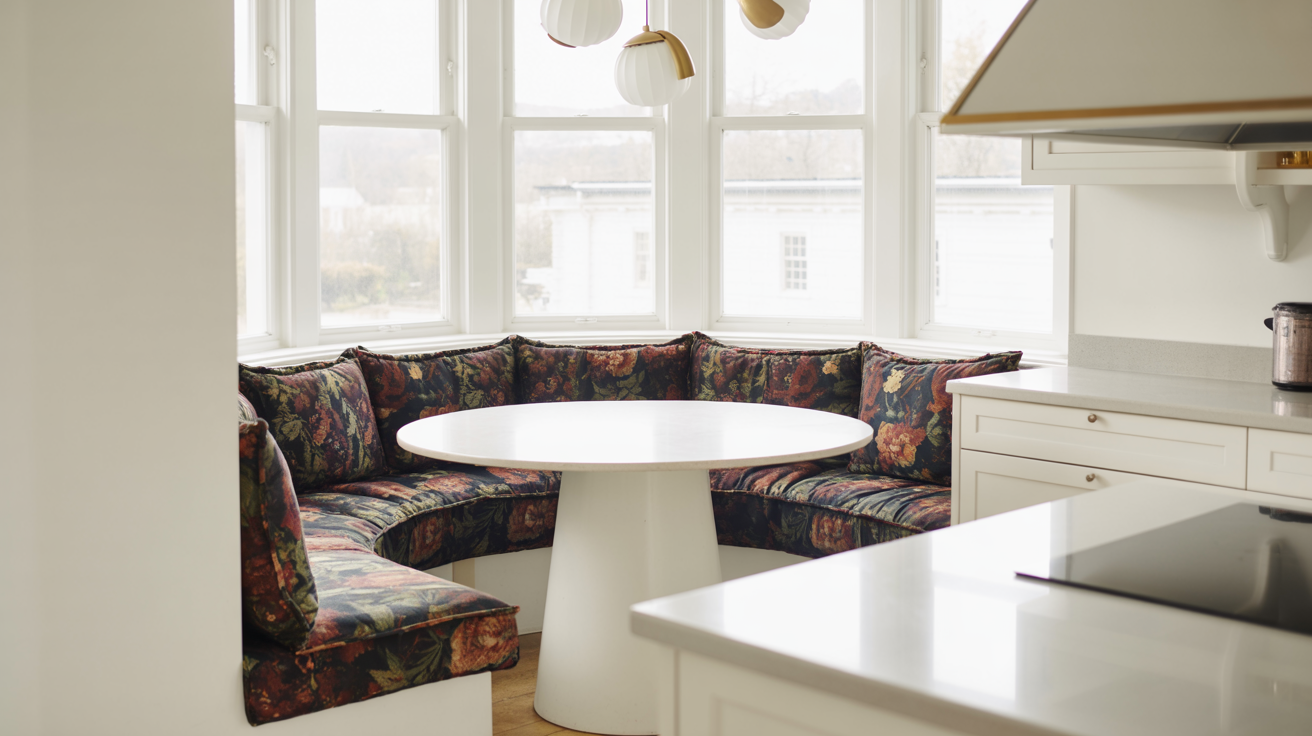
For a long time, the safe choice in decorating was the solid-colored sofa and the plain, neutral curtain. Pattern was used sparingly, relegated to throw pillows and accent rugs. But in 2026, we are witnessing a bold and joyful return to pattern, with homeowners and designers alike embracing the transformative power of patterned upholstery and dramatic drapery.
This trend is an extension of the maximalist and traditionalist sensibilities that have been gaining momentum in recent years. But now, it’s being executed with even more confidence and flair. The focus is on using fabric to add personality, movement, and a sense of soulful detail to a room. Surfaces that invite touch and absorb light in different ways throughout the day are being prioritized over flat, static finishes.
We’re seeing a resurgence of classic, large-scale patterns, such as:
- Bold Florals and Botanicals: Chintz is back, but with a modern twist. These are not the fussy, small-scale florals of the past, but large, painterly patterns that feel both romantic and dramatic.
- Intricate Toiles: These classic pastoral scenes are being used in unexpected ways, such as on a modern, clean-lined sofa or in a bold, contrasting color.
- Timeless Stripes and Checks: These graphic patterns are being used to create a sense of tailored sophistication. A striped armchair or a checked sofa can add a touch of preppy, classic style to any room.
But the use of fabric in 2026 goes far beyond just upholstering a sofa. Designers are using textiles in creative and architectural ways to add drama and softness to a space. Dramatic, floor-to-ceiling drapery is being used to frame windows and add a sense of height and grandeur to a room. But fabric is also breaking free from the window. We’re seeing:
- Fabric as Space Dividers: In open-plan spaces, a dramatic curtain can be used to create a soft, flexible division between different zones, such as a living area and a dining area.
- Ceiling Canopies and Tent-like Formations: In bedrooms and dining rooms, fabric is being draped from the ceiling to create a sense of intimacy and romance. This technique can make a large room feel cozier and more inviting.
- Upholstered Walls: For the ultimate in cozy luxury, entire walls are being upholstered in fabric, creating a soft, sound-absorbing surface that adds a layer of texture and warmth that paint simply cannot replicate.
This trend is about using fabric to blur the boundaries of a room—between walls and windows, between different functional areas, and between the hard and soft surfaces. It’s about creating a space that feels layered, dynamic, and deeply personal. It’s a celebration of the beauty, versatility, and transformative power of textiles.

The Dawn of the Human-Centered Home
As we look at the landscape of interior design in 2026, it’s clear that we are in the midst of a significant and meaningful shift. The trends we see are not fleeting fads, but reflections of a deeper cultural desire for authenticity, comfort, and connection. We are moving away from the pursuit of an unattainable, impersonal perfection and towards the creation of homes that are a true extension of who we are.
The home of 2026 is a sensory experience. It’s a space that is filled with warm, earthy colors, lush, touchable textures, and the soft glow of layered light. It’s a home that celebrates the beauty of imperfection, the character of handcrafted objects, and the stories that are told through the things we choose to surround ourselves with. It’s a place where a little bit of mess is not just tolerated, but embraced as a sign of a life being lived to the fullest.
This is the dawn of the human-centered home—a space that is designed not just to be looked at, but to be lived in. It’s a home that nurtures, inspires, and restores. It’s a home with a soul. So, as you embark on your own decorating journey this year, we encourage you to let go of the pressure to be perfect and instead, to focus on creating a space that feels uniquely, beautifully, and unapologetically you.