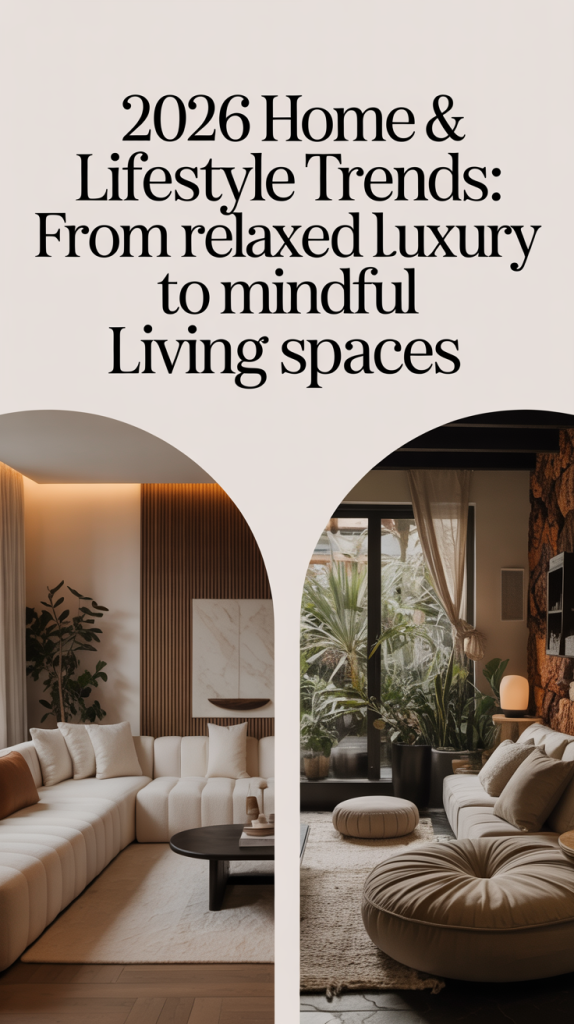
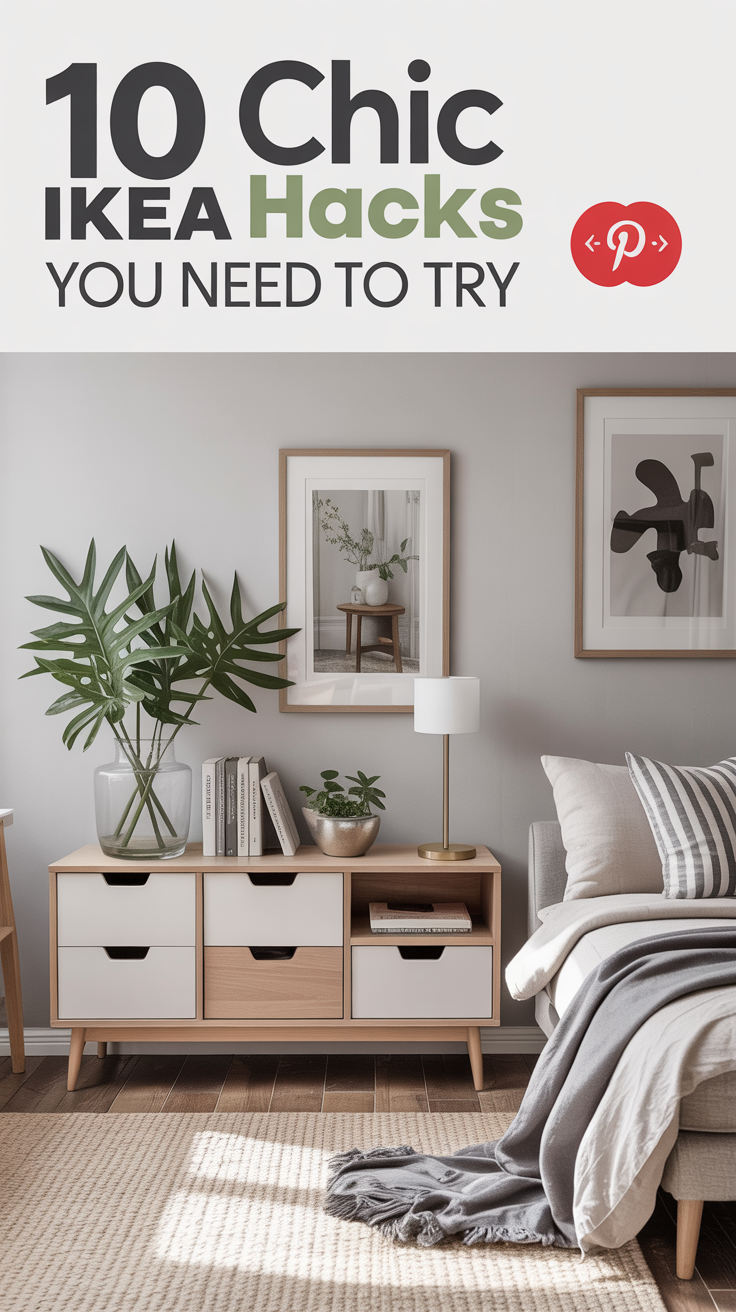
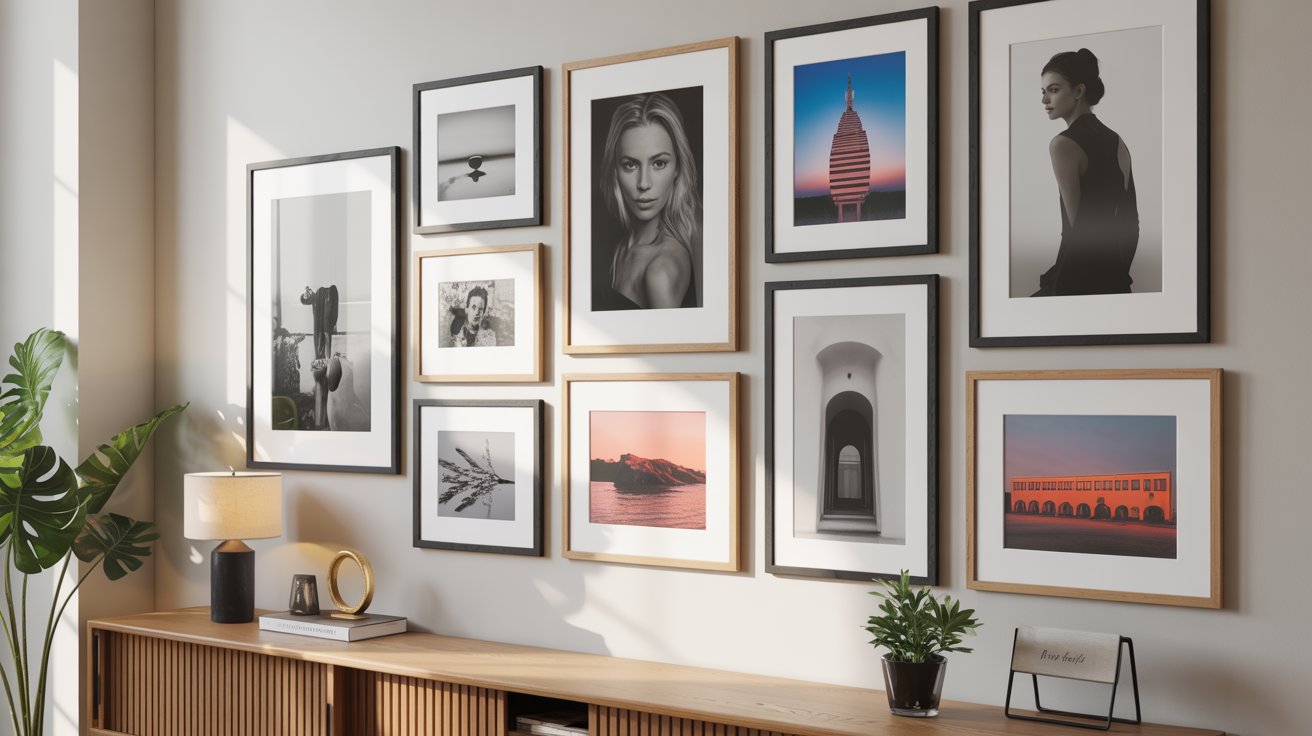
The home has become more than just a shelter—it’s a sanctuary, a workspace, a retreat, and a reflection of personal style. In 2026, home and lifestyle trends are pivoting toward a harmonious balance of comfort, elegance, and intentionality. Gone are the days when luxury meant opulence and maximalism. Today, the most coveted homes embrace relaxed luxury, mindful design, sustainability, and multifunctional spaces that cater to real life.
This guide explores the top home and lifestyle trends shaping interiors, décor, and everyday living in 2026—from the rise of tactile textures and muted palettes to the integration of wellness-focused design and mindful living principles.
1. Relaxed Luxury: Comfort Meets Sophistication
Luxury in 2026 isn’t about gold chandeliers or overly ornate furniture—it’s about refined comfort that feels effortless.
Key Elements of Relaxed Luxury:
Soft, natural materials: Think cashmere throws, organic cotton linens, and hand-finished wood.
Neutral and calming palettes: Warm beiges, earthy browns, creamy whites, and soft greys dominate.
Subtle elegance: Brushed metal accents, soft matte ceramics, and minimalistic forms.
Inviting furniture: Oversized sofas, plush armchairs, and deep seating invite lounging without looking sloppy.
Relaxed luxury blurs the line between formal and casual. A velvet sofa may sit alongside a reclaimed wood coffee table, and a minimalist chandelier might hang over a cozy reading nook. This trend is all about creating spaces that feel high-end yet completely livable.
2. Mindful Living Spaces: Design for Well-Being
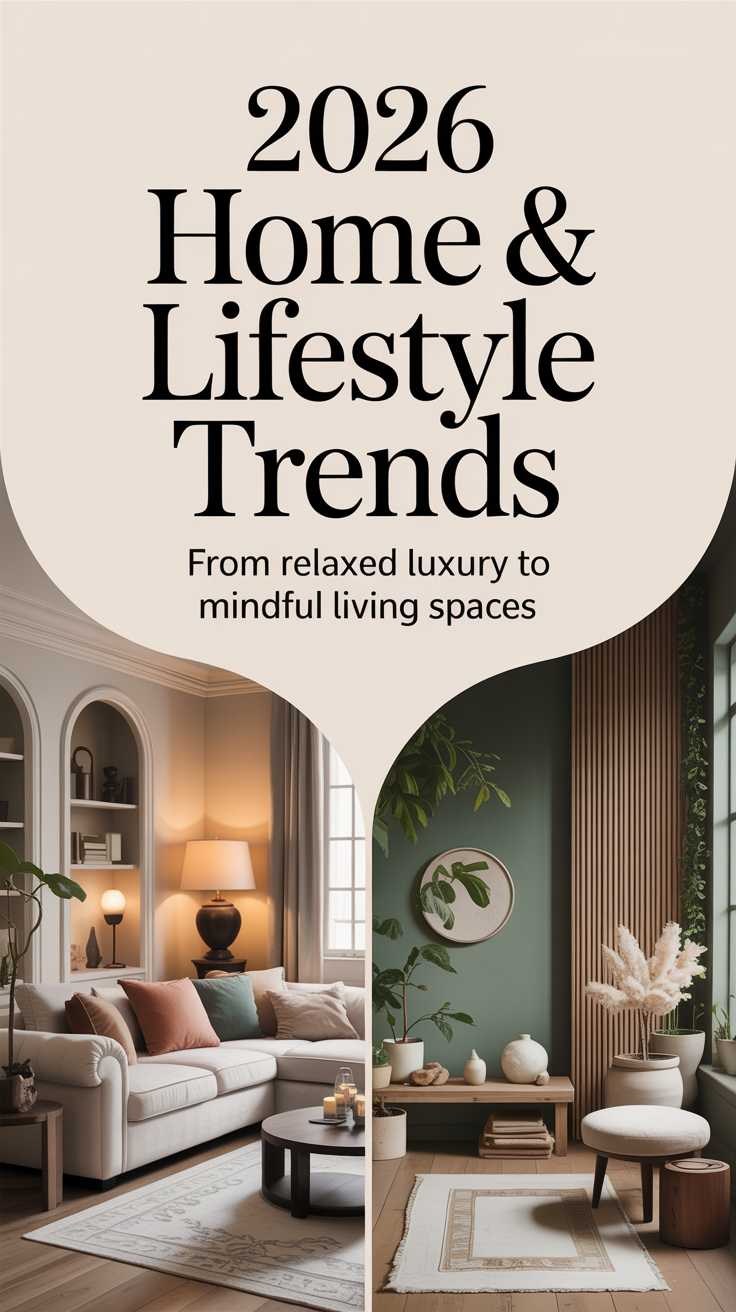
In 2026, homes are designed with mental and emotional health in mind. Mindful living spaces prioritize calm, intentional design choices that reduce stress and encourage presence.
Characteristics of Mindful Spaces:
Decluttered layouts: Open floor plans and intentional furniture placement create a sense of flow.
Natural light maximization: Large windows, skylights, and strategically placed mirrors enhance light and uplift mood.
Connection to nature: Indoor plants, living walls, and natural materials foster a sense of grounding.
Quiet zones: Meditation corners, reading nooks, or small alcoves allow for reflection and downtime.
Designing with mindfulness encourages homeowners to interact more consciously with their space. Every object has purpose, every color influences mood, and every texture contributes to a sensory experience.
3. Sustainable and Ethical Materials Take Center Stage
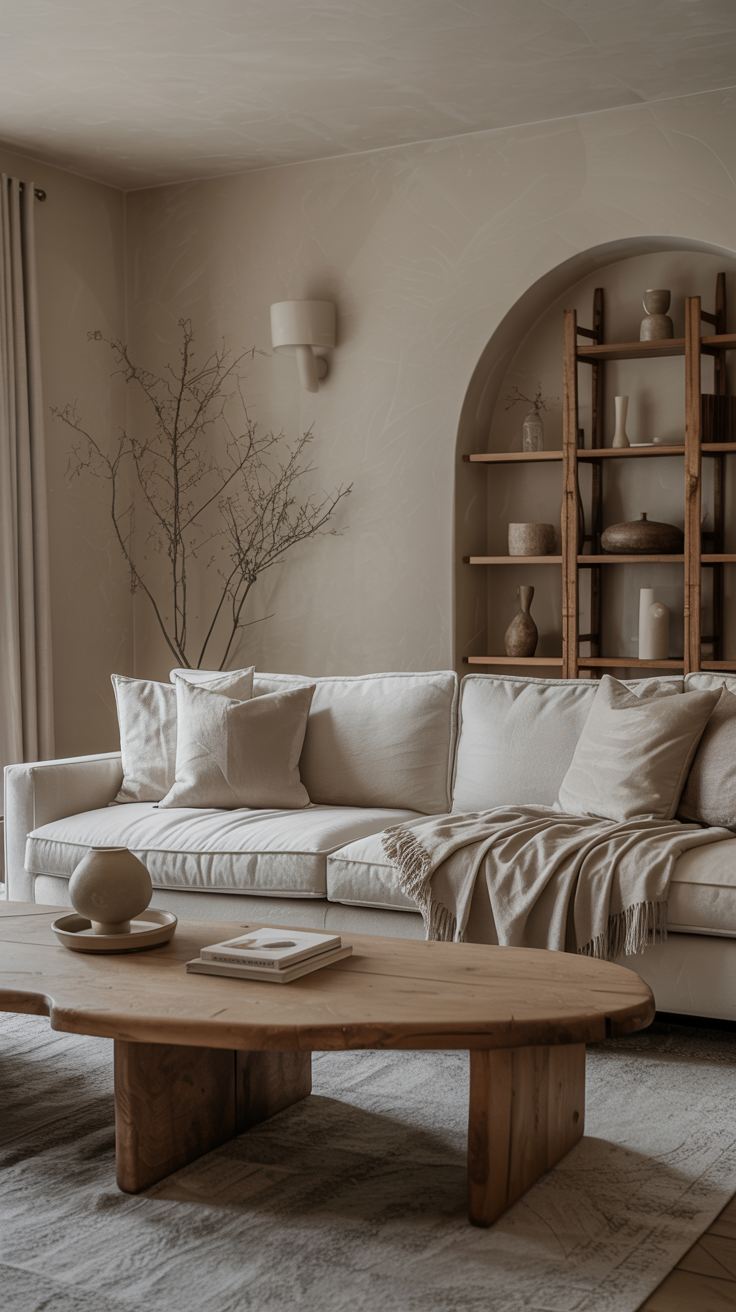
Sustainability isn’t just a buzzword; it’s a design priority. Eco-conscious choices are increasingly important for both aesthetics and ethics.
Top Sustainable Materials for 2026:
Reclaimed wood and bamboo: Perfect for flooring, furniture, and accent walls.
Low-impact fabrics: Linen, hemp, Tencel, and organic cotton dominate upholstery and bedding.
Recycled metals and glass: Brushed bronze, recycled aluminum, and upcycled glass add elegance with conscience.
Non-toxic finishes: Low-VOC paints and natural oils protect both inhabitants and the environment.
Consumers increasingly favor brands that transparently source materials. Combining sustainability with style ensures homes are not only beautiful but also responsible.
4. Warm Minimalism: Less Is More, Comfortably
Minimalism evolves into “warm minimalism” in 2026. While clean lines and uncluttered spaces remain, designers are introducing warmth through texture, color, and personalized accents.
How to Achieve Warm Minimalism:
Tactile layers: Wool rugs, woven baskets, and linen curtains soften austere spaces.
Layered neutrals: Creams, taupes, and soft greys prevent minimal spaces from feeling cold.
Artful simplicity: Carefully curated décor pieces and artwork become focal points rather than excess.
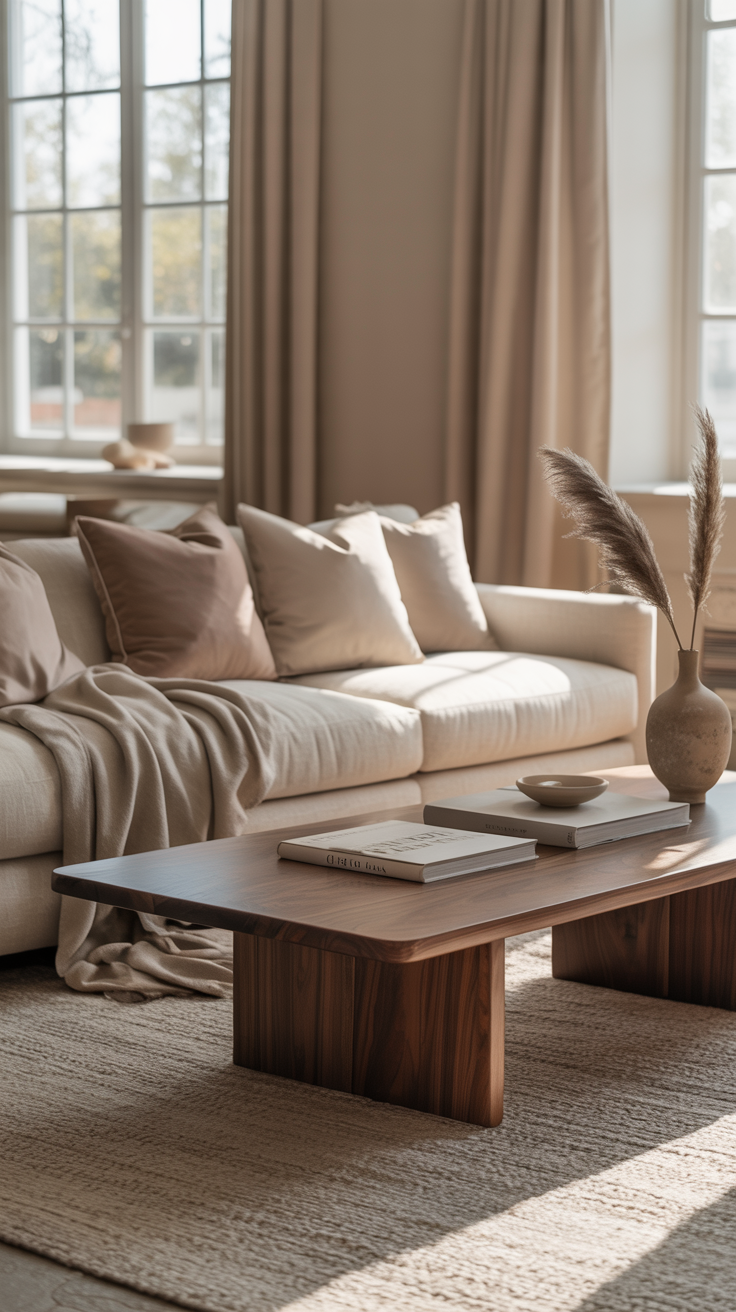
The key is intentional restraint paired with cozy elements. Spaces feel purposeful but inviting, proving that minimalism doesn’t have to be sterile.
5. Multifunctional Spaces: Homes That Adapt to Life
As remote work, hybrid schedules, and lifestyle flexibility continue, homes are expected to do more than ever. Multifunctional design is now essential.
Popular 2026 Multifunctional Concepts:
Work-from-home zones: Stylish desks, hidden storage, and soundproofing blend seamlessly into living spaces.
Convertible furniture: Murphy beds, extendable dining tables, and modular sofas offer adaptability.
Flexible rooms: Home gyms that double as guest bedrooms, craft rooms that double as offices.
Smart storage: Built-ins and cleverly disguised compartments keep clutter at bay while maintaining aesthetics.
This trend reflects modern life’s fluidity. Homeowners want spaces that can pivot from productivity to relaxation effortlessly.
6. Biophilic Design: Bringing Nature Indoors
The trend of biophilic design deepens in 2026, emphasizing a connection with nature for health and well-being.
Ways to Incorporate Biophilic Elements:
Indoor plants: Statement trees, hanging greenery, and potted herbs.
Natural textures: Stone countertops, wooden furniture, and rattan accents.
Views and sunlight: Expansive windows or glass doors that frame gardens or cityscapes.
Water features: Small indoor fountains or aquariums add serenity and soundscapes.
Biophilic design is not just decorative—it’s functional. Research shows natural elements reduce stress and improve concentration.
7. Textures Are Trending: Touchable Luxury
In 2026, texture becomes as important as color. Layering materials creates depth, interest, and a tactile dimension.
Textural Trends:
Bouclé and velvet: Upholstery and cushions feel luxurious yet inviting.
Natural weaves: Rattan, wicker, and cane accents bring warmth.
Stone and concrete: Countertops, sinks, and accent walls add visual heft.
Mixed finishes: Combining matte, polished, and rough surfaces enhances sophistication.
Mixing textures transforms simple rooms into sensory-rich environments, creating a look that’s approachable but elevated.
8. Curated Collections and Personalized Décor
In 2026, homes are highly personalized. Curated objects—artwork, ceramics, books, and travel mementos—reflect individuality.
How to Curate Effectively:
Groupings: Display items in thoughtful clusters rather than scattering randomly.
Storytelling: Every object should tell a story or reflect an interest.
Quality over quantity: Invest in fewer, high-quality pieces that bring joy.
Rotational displays: Change décor seasonally or periodically to keep spaces fresh.
This trend shifts focus from following Instagram trends to creating authentic spaces.
9. Wellness-Oriented Design: Home as Sanctuary
Wellness-focused interiors are a 2026 staple. Homes support physical and mental health through design choices.
Wellness Design Elements:
Meditation corners: Minimal, quiet, with soft lighting.
Aromatherapy and scents: Diffusers and natural candles enhance mood.
Air and water quality: Purifiers and filtered water systems ensure healthy environments.
Acoustic comfort: Soft furnishings, rugs, and wall treatments minimize noise.
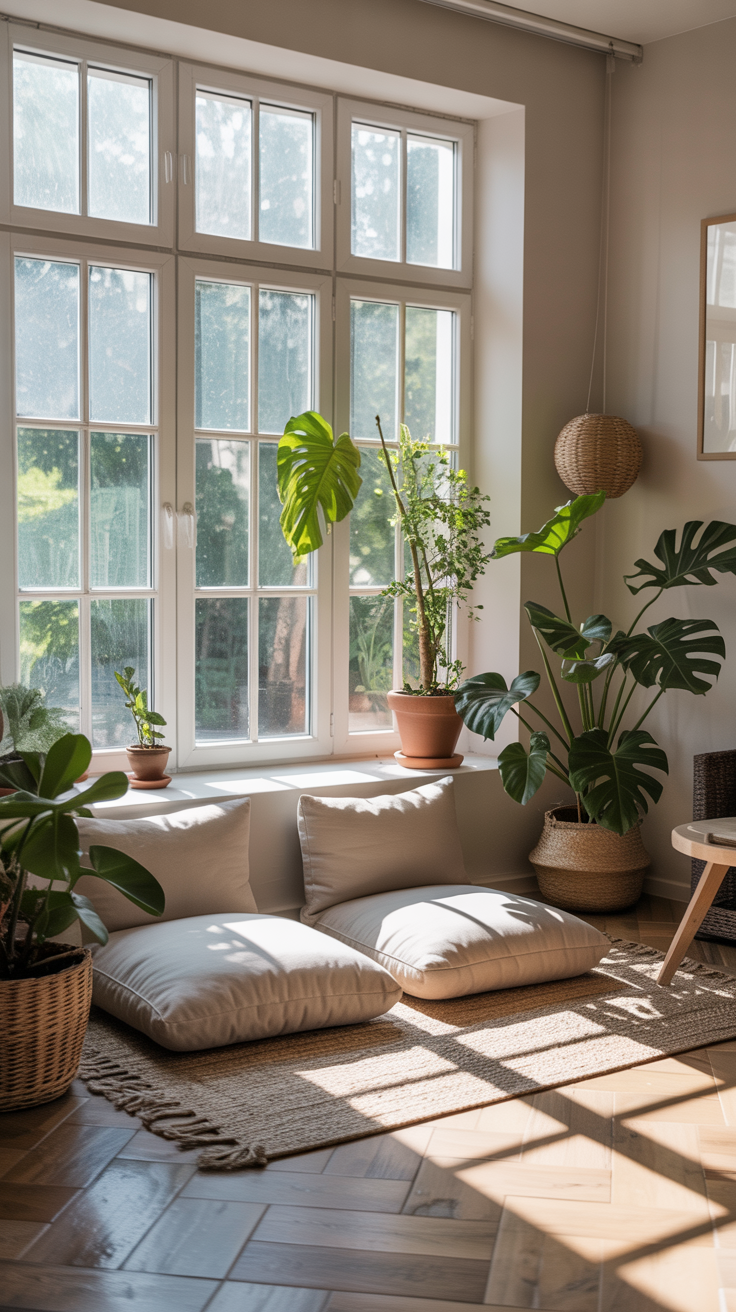
Designing for wellness is about more than looks—it’s creating spaces that nourish the body and mind.
10. Statement Lighting: Functional Art
Lighting in 2026 is bold, sculptural, and functional. It defines space, creates mood, and adds artistic value.
Lighting Trends:
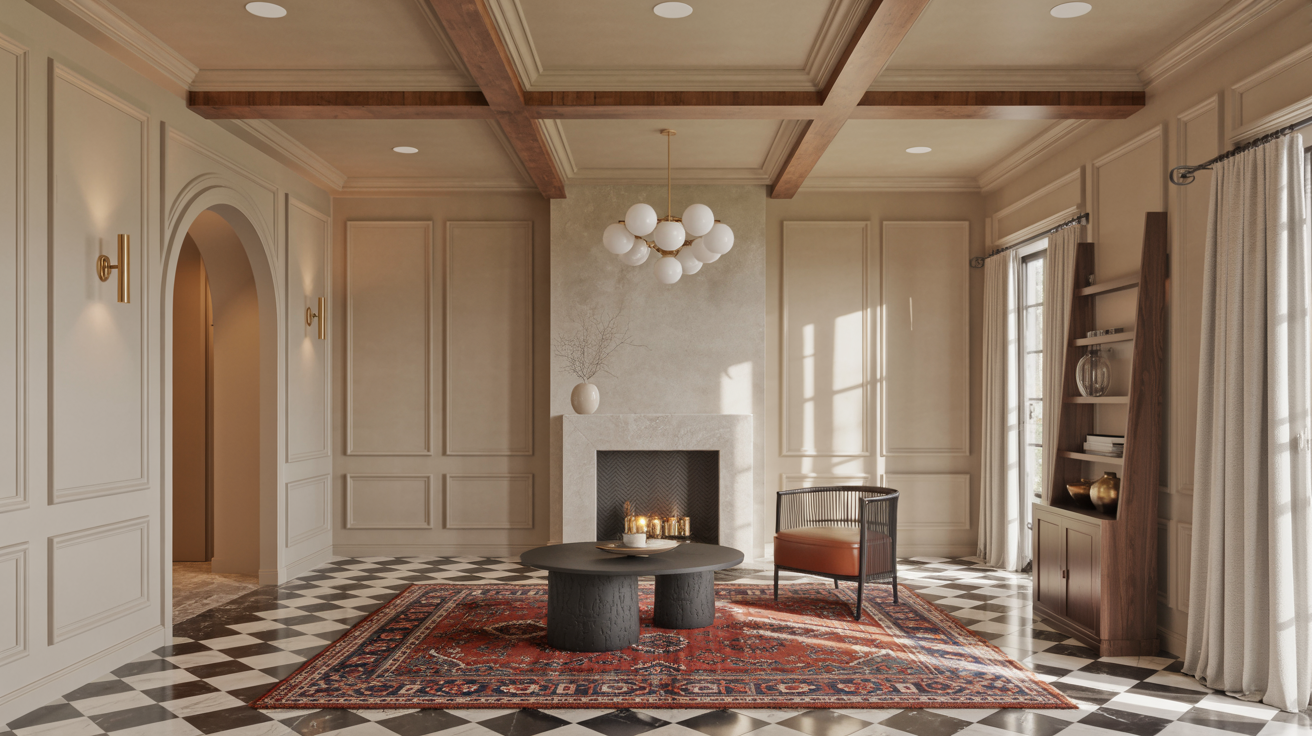
Sculptural pendants: Oversized, curved, or geometric forms.
Layered lighting: Combinations of recessed, task, and accent lighting.
Warm tones: Soft, amber hues for relaxing atmospheres.
Natural inspiration: Lighting that mimics sunlight patterns or nature-inspired forms.
Lighting is now a centerpiece, not just an accessory.
11. Soft Color Palettes With Accent Pops
Colors in 2026 are muted, soothing, and layered with intention.
Palette Trends:
Earthy neutrals: Taupe, clay, cream, warm grey.
Soft pastels: Dusty rose, sage green, muted blue.
Accent tones: Deep emerald, mustard, burnt orange for pops of energy.
Gradient layering: Mix tonal shades to add dimension.
Soft, layered palettes encourage relaxation, while accent tones inject energy where needed.
12. Sustainable Technology: Smart Meets Conscious
Smart homes evolve with sustainability in mind. Technology is now subtle, energy-conscious, and integrated into everyday design.
Trends in Smart Home Tech:
Energy-efficient systems: Solar panels, smart thermostats, LED lighting.
Automation: Motion-sensor lighting, smart blinds, and temperature control.
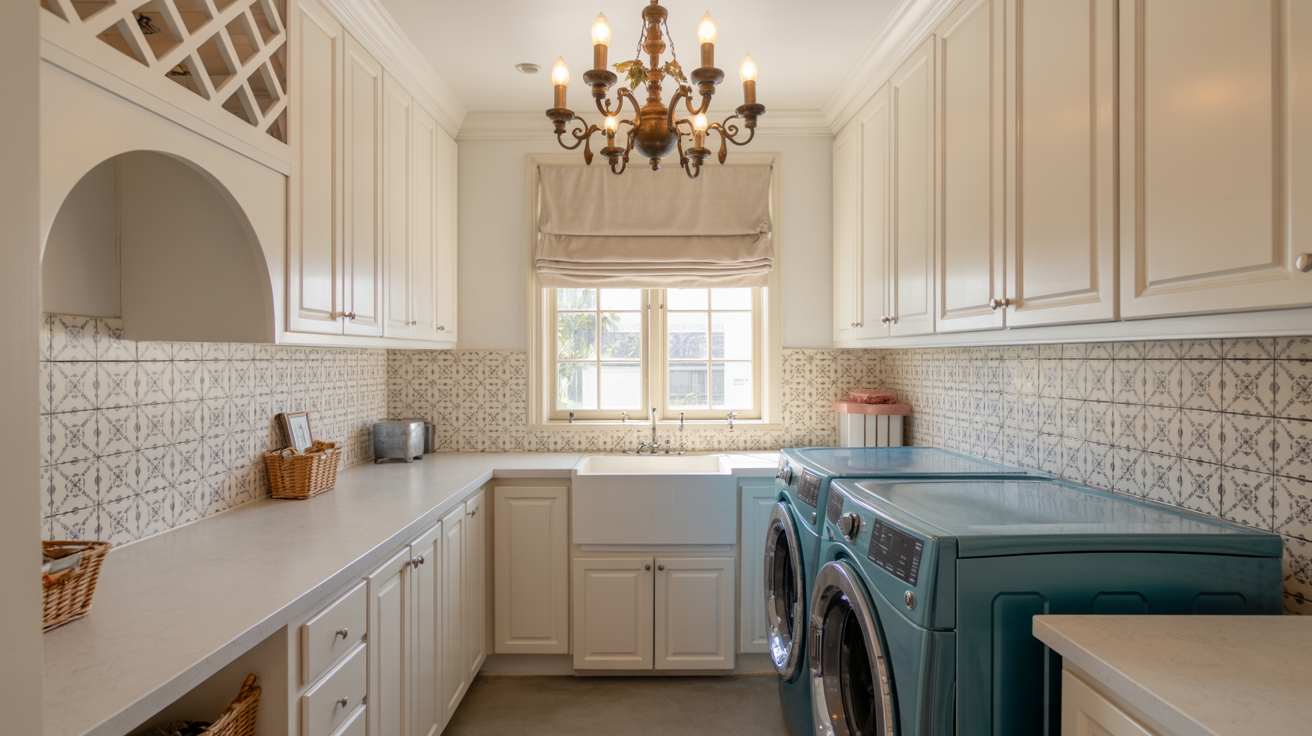
Integrated appliances: Concealed tech in kitchens and laundry.
Wellness monitoring: Air quality sensors, sleep trackers integrated into the environment.
The goal is convenience without compromising ethics or aesthetic appeal.
13. Outdoor Living Goes Mainstream
Outdoor spaces are no longer secondary—they’re extensions of the home.
2026 Outdoor Trends:
Indoor-outdoor flow: Large sliding doors and connected patios.
Comfortable furniture: Cushioned lounges, outdoor rugs, and lighting.
Outdoor kitchens: Grills, pizza ovens, and full entertaining setups.
Landscaped sanctuaries: Gardens designed for beauty and biodiversity.
The boundary between indoor and outdoor living blurs, creating holistic spaces.
14. Flexible Kitchens and Dining Spaces
The kitchen remains the heart of the home, but in 2026, it’s all about flexibility and lifestyle integration.
Key Trends:
Multipurpose islands: Prep, work, dining, or homework station.
Hidden appliances: Sleek, integrated solutions maintain clean aesthetics.
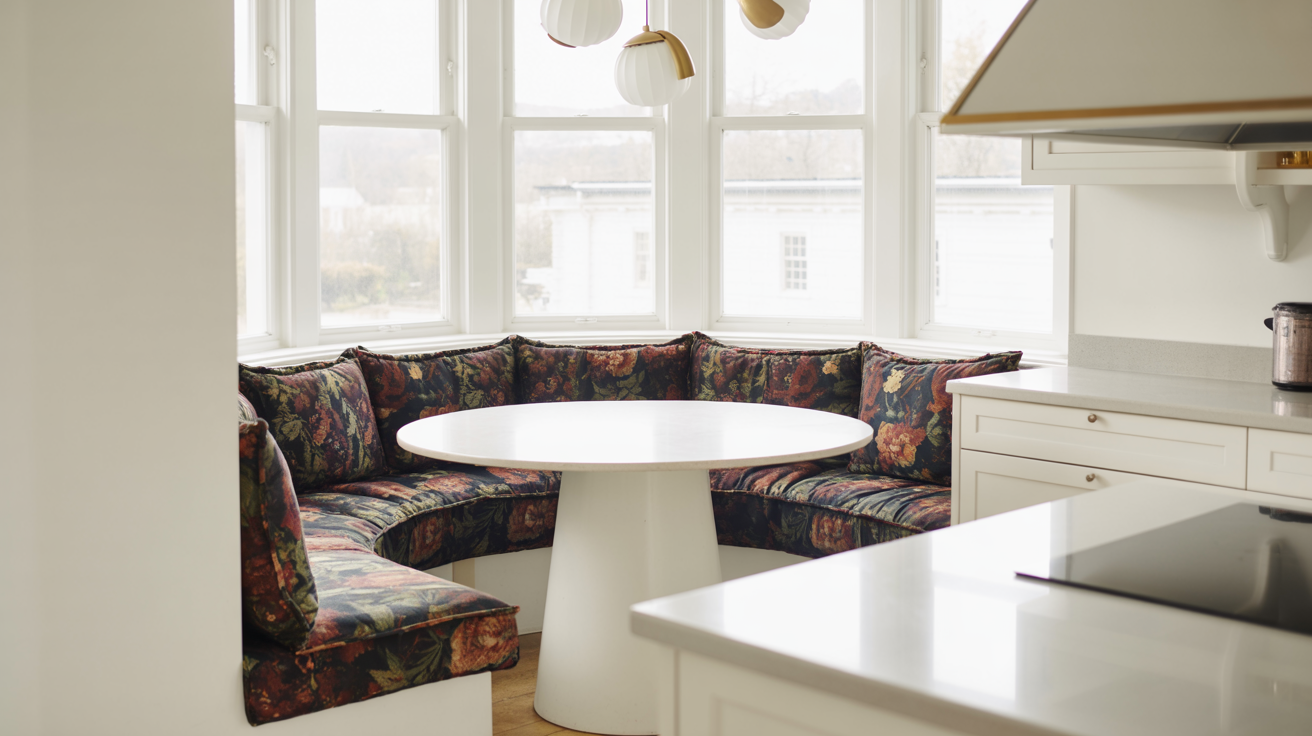
Convertible dining: Extendable tables, movable seating, and modular setups.
Sustainable finishes: Recycled wood, low-VOC paint, and natural stone countertops.
Kitchens and dining rooms are now hubs for work, leisure, and socializing, reflecting modern life.
15. Global Influence and Eclectic Style
2026 embraces curated eclecticism inspired by global travel and cultural appreciation.
How to Incorporate Global Influences:
Textiles: Moroccan rugs, Japanese shibori fabrics, African baskets.
Art & ceramics: Handcrafted pieces sourced ethically.
Furniture: Minimalist Scandinavian paired with artisan tropical woods.
Layering patterns: Geometric tiles, patterned textiles, and natural weaves combined thoughtfully.
This trend values individuality, authenticity, and meaningful design storytelling.
16. Wellness Bathrooms: Spa-Inspired Retreats
Bathrooms evolve into full wellness zones.
Trending Features:
Freestanding bathtubs for soaking rituals.
Natural stone and wood finishes for a grounding effect.
Smart showers with temperature memory and water conservation.
Mood lighting and aromatherapy diffusers for relaxation.
The bathroom becomes an oasis, reflecting a commitment to self-care at home.
17. Home Offices With Soul
The home office isn’t just functional—it’s stylish, comfortable, and uplifting.
Design Tips:
Ergonomic seating meets aesthetic form.
Inspiring colors like soft blues, greens, or warm neutrals.
Greenery for biophilic benefits.
Multipurpose layouts allowing work, reading, or creative projects.
Workspaces now prioritize well-being as much as productivity.
18. Artful Organization and Storage
Storage is no longer hidden—it’s part of the design.
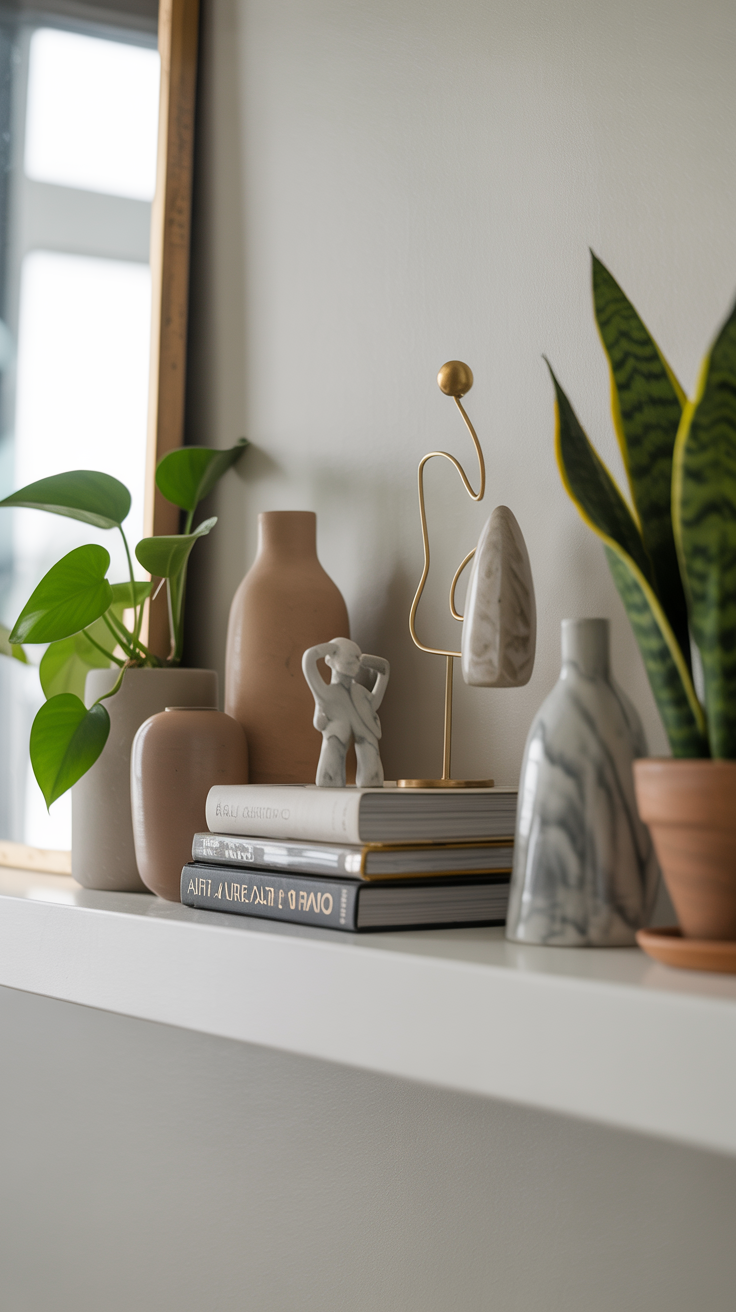
Organization Trends:
Open shelving with curated displays: Books, ceramics, plants.
Built-in solutions that feel custom and elegant.
Multipurpose furniture: Beds with drawers, benches with storage.
Concealed clutter: Hidden compartments keep surfaces clean.
Functional storage now elevates the aesthetic rather than hiding it.
19. Layered Lighting and Textiles
In 2026, layering is key—lighting, textiles, and décor combine to create warmth.
Layered rugs: Mix textures for depth.
Mixed textiles: Linen, wool, velvet for cozy yet elegant spaces.
Ambient and accent lighting: Create mood and highlight architecture.
Layering adds richness without clutter, balancing comfort and sophistication.
20. The Rise of Mindful Entertaining
Entertaining focuses on experience, not excess.
Tablescapes with intention: Neutral linens, seasonal greenery, artisan tableware.
Simplified menus: Quality over quantity, seasonal ingredients.
Interactive moments: Build-your-own dishes, cocktail stations.
Eco-conscious hosting: Compostable or reusable dinnerware, reduced waste.
2026 entertaining is about creating meaningful, memorable moments.
21. Wellness Bedrooms: Sleep-Centric Design
The bedroom becomes a restorative haven.
Layered bedding: Soft linens, duvets, and throws for comfort.
Soundproofing: Rugs, curtains, and wall treatments to reduce noise.
Soft lighting: Warm lamps, dimmers, and blackout curtains.
Minimal distractions: Clean surfaces, curated décor, tech-free zones.
A sleep-focused approach ensures rest, rejuvenation, and mental clarity.
22. Statement Ceilings and Walls
Architectural details move beyond floors and furnishings.
Ceiling murals or paint: Soft pastels, geometric designs.
Accent walls: Textured wood, Venetian plaster, or patterned tiles.
Natural finishes: Stone, brick, and bamboo for tactile interest.
Vertical surfaces become artful expressions, elevating the entire room.
23. The Role of Technology in Lifestyle Design
Smart, subtle, and human-centered technology defines 2026.
Integrated climate control
Voice-activated lighting and blinds
Home monitoring systems for wellness and security
Energy-conscious appliances
Technology supports the lifestyle without dominating the aesthetic.
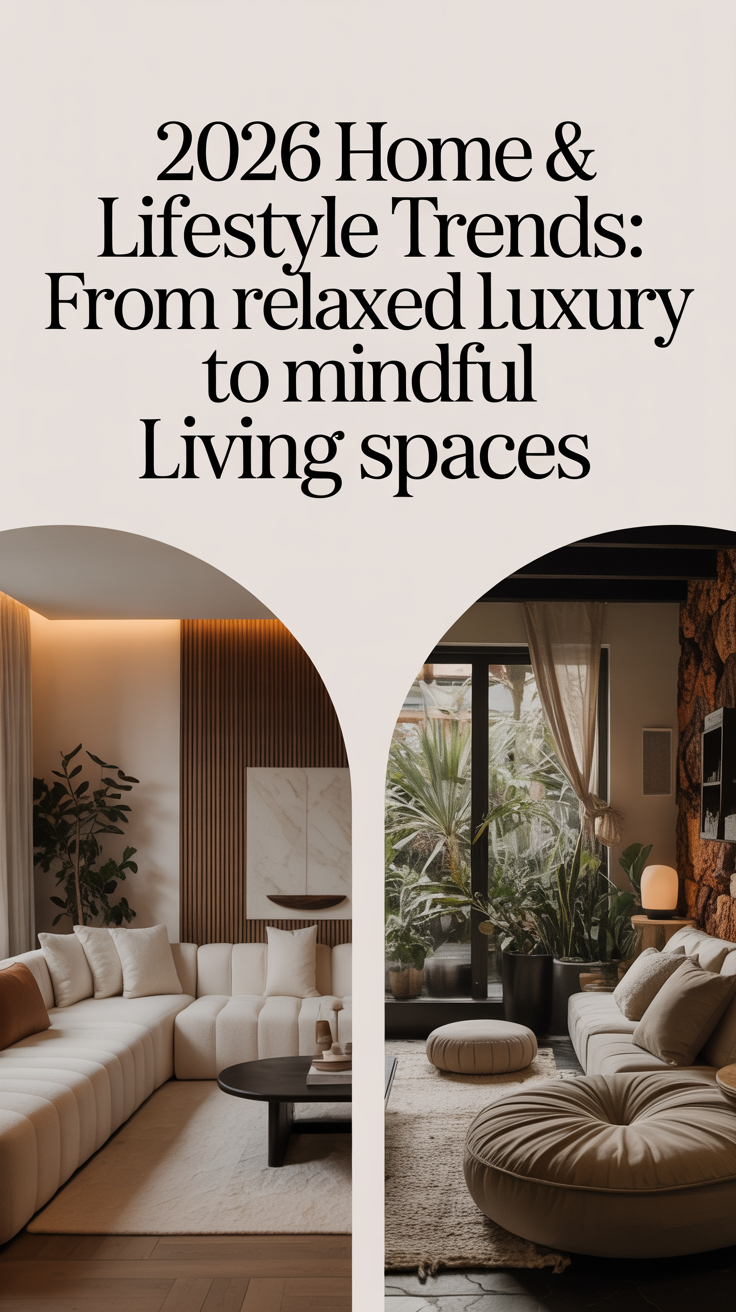
24. The Future of Home Trends: Intentional Living
2026 emphasizes intentional, mindful choices—every material, object, and design element is purposeful.
The home becomes:
A sanctuary for health and wellness
A flexible workspace adapting to modern life
A hub for entertaining that’s intentional and eco-conscious
A canvas for personal expression rooted in authenticity
From relaxed luxury to mindful living spaces, 2026 blends comfort, style, and functionality. Homes are no longer just lived in—they are experienced fully, reflecting values, personality, and lifestyle in every curated detail.
The upcoming year is about creating spaces that feel effortless yet refined, cozy yet sophisticated, and practical yet inspirational. From the tactile warmth of natural textures to the serene simplicity of mindful layouts, 2026 home and lifestyle trends prioritize living well with intention. As homeowners embrace these trends, the focus is clear: balance, comfort, sustainability, and emotional resonance will define the modern home.
By integrating these principles, your home doesn’t just follow trends—it becomes a sanctuary tailored to your life, your style, and your well-being.