Clutter has a way of sneaking into our homes, slowly taking over our living spaces and making even the simplest tasks feel overwhelming. While most of us diligently organize closets, cabinets, and drawers, there are often hidden or overlooked areas in our homes that can be repurposed for storage. These nooks and crannies may seem minor, but they can dramatically improve your home’s organization and make life easier. Below, we explore ten overlooked areas you could be using for storage, along with practical tips and ideas for maximizing each space.
1. Above Cabinet Spaces
Many kitchens have cabinets that don’t reach all the way to the ceiling, leaving a small gap above them. Often, this space is left empty or used as a dust-collecting surface. However, with a bit of creativity, it can become valuable storage.
How to Use It:
Store infrequently used kitchen items such as large serving bowls, holiday dishware, or extra paper towels.
Use decorative baskets or bins to keep things organized and visually appealing.
For a more permanent solution, consider installing additional shelving above the cabinets to fully utilize vertical space.
Tip: Make sure you use lightweight containers, as reaching above the cabinets can be awkward. Clear or labeled bins also make it easy to locate items.
2. Under Stairs
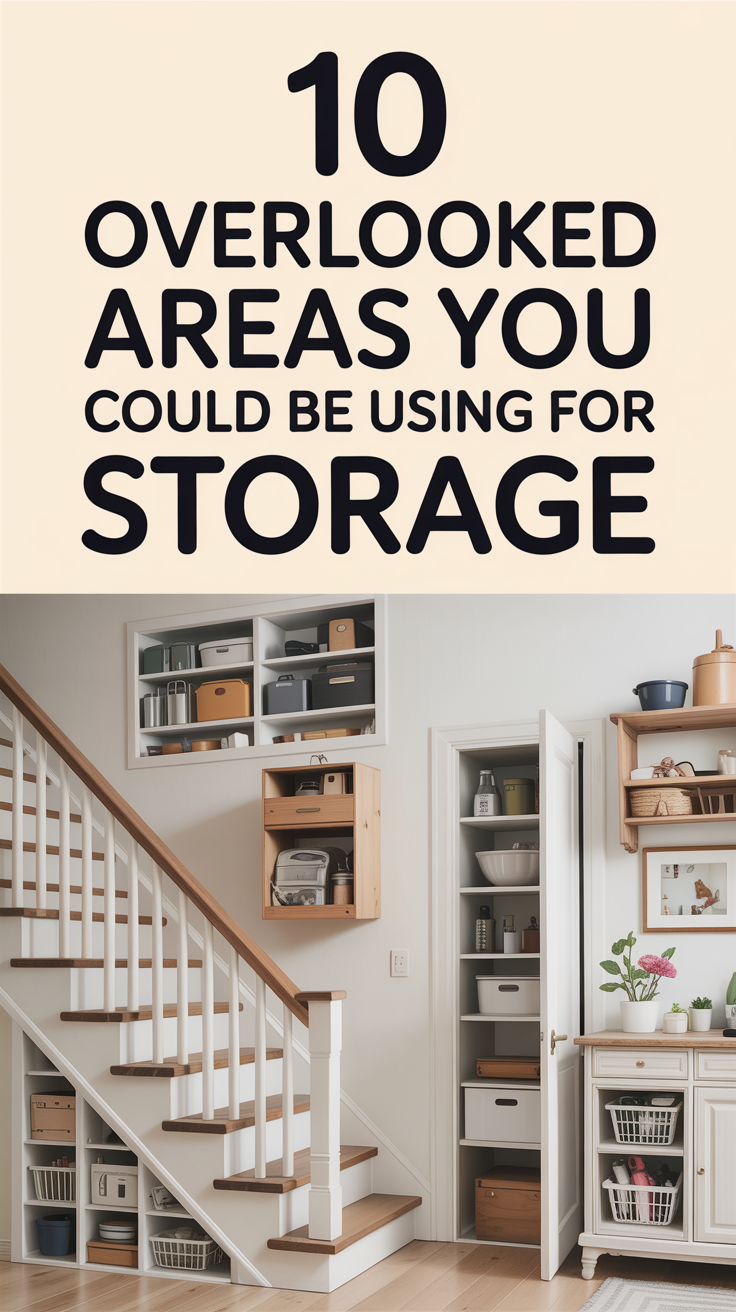
If your home has a staircase, the area beneath it is often underutilized. Depending on your space, it can be transformed into an ingenious storage solution.
How to Use It:
Pull-Out Drawers: Consider installing built-in drawers for shoes, seasonal items, or cleaning supplies.
Closet Space: Convert the area into a small closet for coats, backpacks, or sports gear.
Open Shelving: Create a display for books, decor, or even a mini home library.
Tip: Think about how you naturally use the area around the stairs. If it’s near the entryway, storing shoes or jackets makes sense. If it’s inside the house, consider seasonal items or decorative storage.

3. Behind Doors
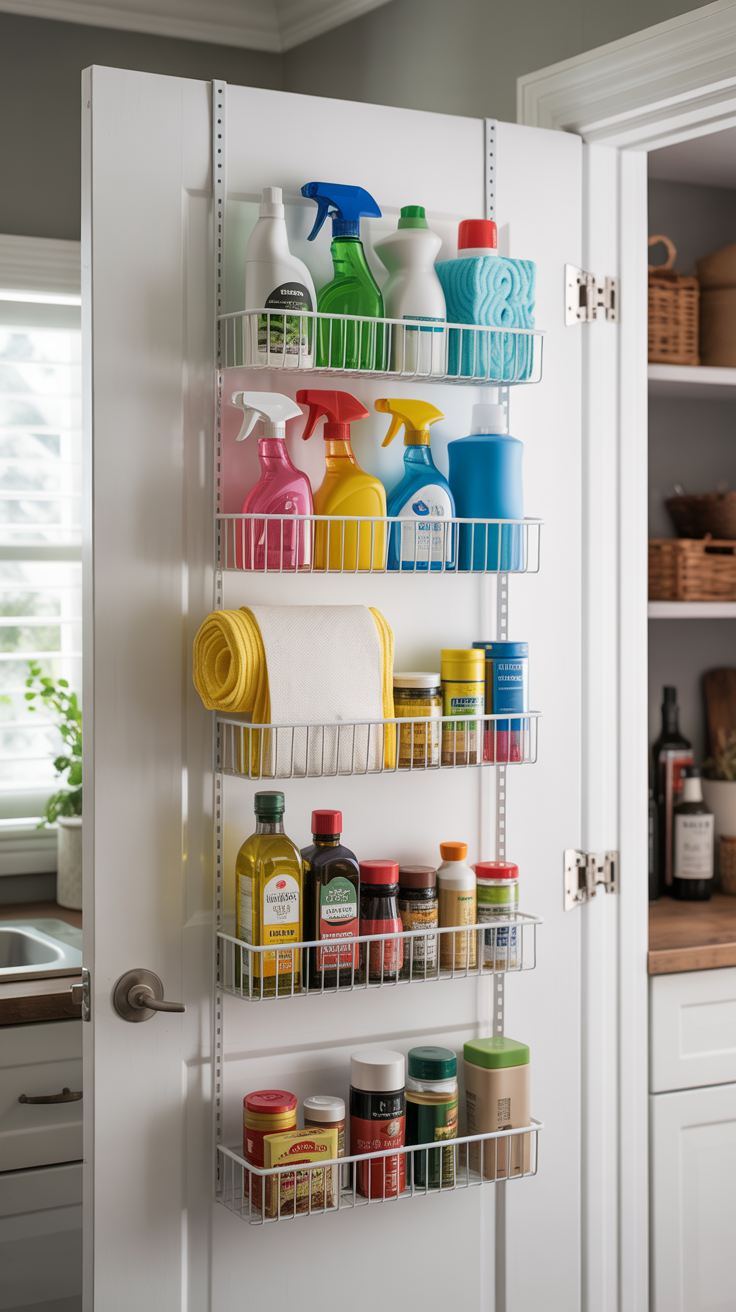
The backs of doors are often ignored, but they are perfect for slim storage solutions. From closet doors to bathroom doors, this space can hold everything from household essentials to personal items.
How to Use It:
Install hooks or racks to hang robes, towels, or bags.
Use slim pocket organizers for shoes, cleaning supplies, or small accessories.
For the pantry, consider over-the-door racks for spices, snacks, or canned goods.
Tip: Ensure that the added storage does not interfere with the door’s ability to open and close easily. Adjustable hanging solutions can help accommodate different needs.
4. Under the Bed
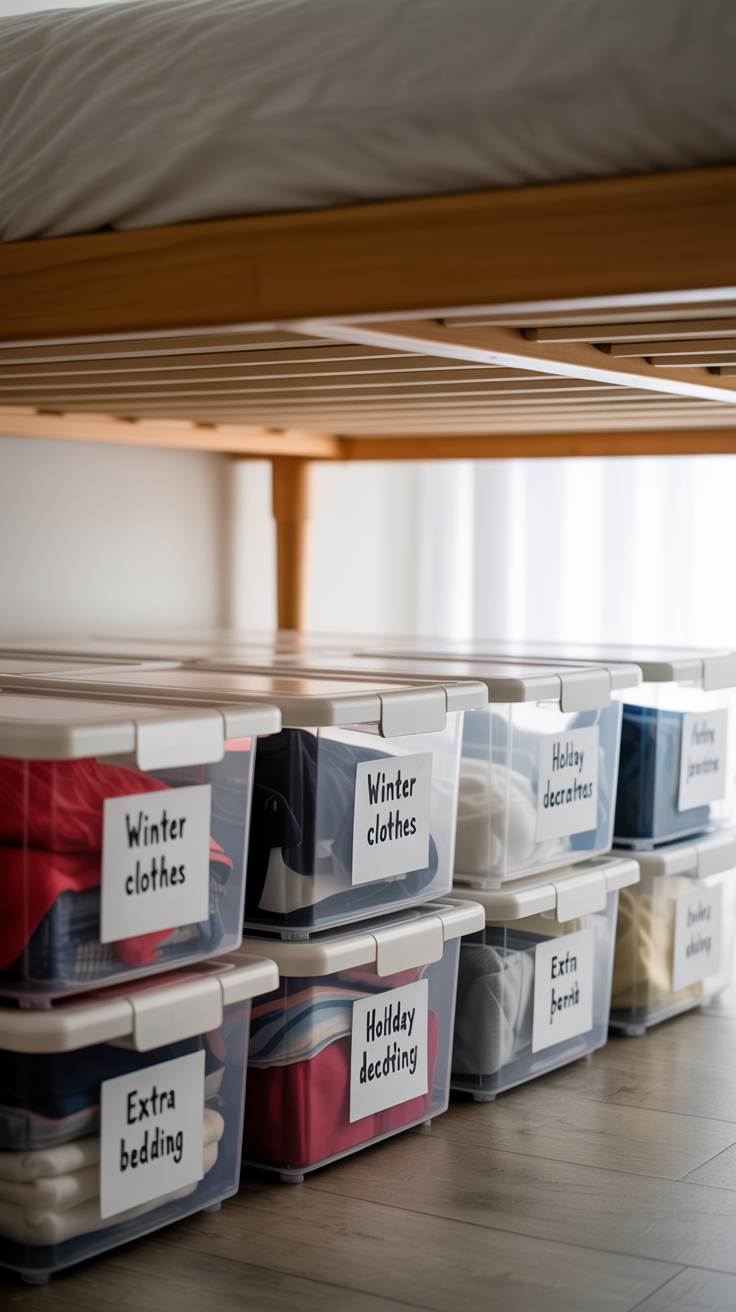
The space under the bed is one of the most commonly overlooked storage areas, despite being ideal for items you don’t need daily.
How to Use It:
Rolling Bins: Store out-of-season clothing, extra linens, or shoes in bins with wheels for easy access.
Vacuum-Seal Bags: Great for compressing bulky bedding or winter coats.
Drawer-Style Under-Bed Storage: Some beds come with built-in drawers, but standalone versions are widely available and easy to implement.
Tip: Keep items you store under the bed dry and dust-free. Using storage boxes with lids or bags that seal well will protect your belongings.
5. Inside Furniture
Many pieces of furniture come with hidden or underutilized storage opportunities. Beds, ottomans, benches, and coffee tables can all double as storage containers.
How to Use It:
Storage Ottomans: Perfect for blankets, magazines, or remote controls.
Lift-Top Coffee Tables: Store games, books, or electronics neatly out of sight.
Benches with Storage: Great for entryways to hold shoes, scarves, or seasonal items.
Tip: When shopping for furniture, prioritize multi-functional pieces that are both stylish and storage-friendly.
6. Nooks and Corners
Corners and awkward nooks are often left empty, even though they can be transformed into functional storage spaces.
How to Use It:
Corner Shelving: Ideal for books, decorative items, or kitchen supplies.
Corner Cabinets: Perfect for holding utensils, cleaning supplies, or pantry items.
Custom Built-Ins: For larger spaces, consider custom cabinetry to make the most of the area.

Tip: Even a small corner can make a big difference if you use vertical space with shelving. Floating shelves are especially effective in tight corners.
7. Above Doorways
The area above doorways often goes unnoticed, but it can be an excellent spot for storing lightweight items.
How to Use It:
Small Shelves: Store picture frames, decor items, or seasonal decorations.
Hooks: Hang baskets or lightweight storage bins for out-of-season items.
Display Space: Use the height creatively for items that add visual interest, like plants or art pieces.
Tip: Keep safety in mind; make sure shelves are securely anchored to prevent accidents.
8. Garage Ceiling
The garage is typically viewed as a space for cars and tools, but the ceiling is often wasted. With a bit of creativity, this area can hold bulky or rarely used items.
How to Use It:
Overhead Racks: Ideal for storing bicycles, ladders, or seasonal gear.
Hooks and Pulleys: Hang kayaks, skis, or other sports equipment.
Ceiling Shelving: Store boxes of holiday decorations or camping gear.
Tip: Be mindful of the weight limit for overhead storage solutions and ensure items are properly secured.
9. Window Seats
If your home has a window seat, this often overlooked feature can double as storage while enhancing the cozy feel of a room.
How to Use It:
Lift-Up Seats: Store blankets, pillows, or toys inside the bench.
Drawers: Built-in drawers can hold books, games, or craft supplies.
Decorative Baskets: For a more flexible option, store items in aesthetically pleasing baskets or bins.
Tip: Keep items you store accessible, so the window seat remains functional and inviting.
10. Unused Wall Space
Walls don’t have to be purely decorative. Many homes have expanses of wall space that can serve as storage without taking up floor space.
How to Use It:
Floating Shelves: Store books, kitchenware, or display items.
Pegboards: Great for tools, craft supplies, or kitchen utensils.
Wall-Mounted Cabinets: Provide hidden storage while keeping the room looking neat.
Tip: Choose storage solutions that complement the room’s style and don’t make the space feel crowded.
Maximizing Your Storage Potential
While identifying overlooked spaces is the first step, making the most of them requires some planning:
Assess Your Needs: Determine what items need storage and where they are most conveniently accessed.
Measure Accurately: Ensure your storage solutions fit the space perfectly.
Choose the Right Containers: Clear bins, baskets, and labeled boxes help keep things organized and visible.
Utilize Vertical Space: Don’t be afraid to think up—shelves, hooks, and overhead racks dramatically increase storage potential.
Rotate Seasonally: Store off-season items in less-accessible areas like garage ceilings or under beds.

Even in well-organized homes, overlooked nooks and spaces can hide valuable storage opportunities. From above cabinets and under stairs to window seats and unused wall space, these ten areas offer both functional and creative ways to keep your home tidy. By rethinking these neglected corners, you can reclaim space, reduce clutter, and create a home that feels spacious, organized, and serene.
With a little planning and smart storage solutions, these hidden areas can become your home’s secret weapon for effortless organization. Start small, tackle one overlooked space at a time, and watch your clutter melt away.