The concept of luxury in interior design has undergone a HUGE transformation in recent years. Gone are the days when high-end spaces were defined by stiff formality, untouchable surfaces, and a museum-like atmosphere that prioritized visual perfection over human comfort. Today, the most coveted aesthetic is one that invites you in, encourages you to linger, and tells a deeply personal story. This evolution has given rise to a design philosophy known as “lived-in luxury.
Lived-in luxury is the art of creating spaces that are undeniably elegant and sophisticated, yet inherently comfortable, warm, and authentic. It is a rebellion against the stark, cold minimalism that dominated previous decades, replacing it with a richer, more tactile approach to living. This aesthetic understands that true luxury is not just about how a room looks, but how it makes you feel. It is about the sensory experience of sinking into a plush sofa, the visual warmth of natural materials, and the emotional resonance of a home that reflects the lives of the people who inhabit it.
At its core, lived-in luxury embraces imperfection. It celebrates the gentle patina of a well-loved leather chair, the slight crease in high-quality linen bedding, and the curated mix of old and new that gives a space character. It is an approach that values quality over quantity, choosing pieces that will age beautifully and stand the test of time. By focusing on comfort, texture, and personal expression, lived-in luxury transforms a house into a sanctuary, place where you can truly unwind and feel at ease without sacrificing an ounce of style.
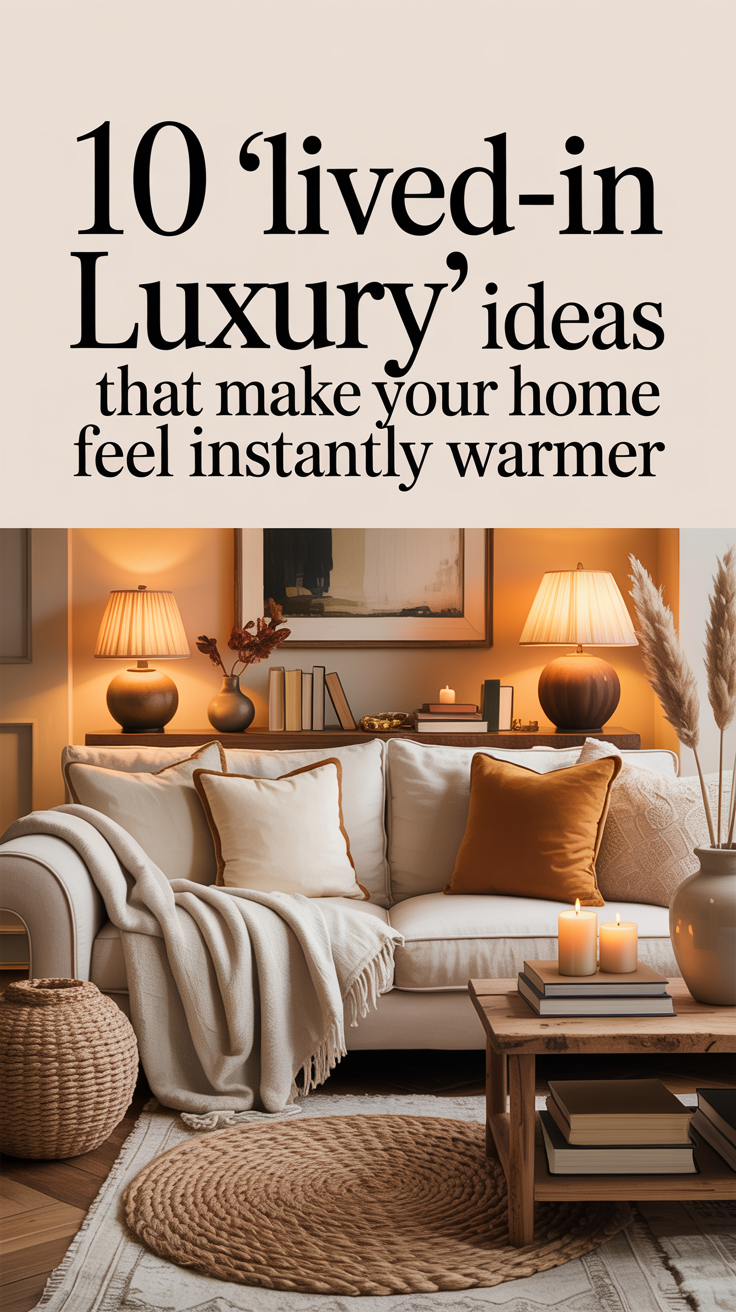
If you are looking to elevate your home while also making it feel more inviting and cozy, the principles of lived-in luxury is the perfect solution. Let’s talk about ten transformative ideas that will help you infuse your spaces with this effortless elegance, making your home feel instantly warmer and more luxurious.
1. Embrace the Power of Layered Textures
One of the most effective ways to introduce warmth and a sense of lived-in luxury to any space is through the thoughtful layering of textures. In a room where everything is smooth, sleek, and perfectly matched, the atmosphere can quickly feel sterile and uninviting. Texture is the antidote to this coldness; it adds visual weight, depth, and a tactile quality that begs to be touched.
To achieve this look, focus on combining a variety of materials that contrast and complement one another. Start with your foundational pieces, such as a plush, hand-knotted wool or silk rug that grounds the room and provides softness underfoot. Over this, layer furniture upholstered in rich, inviting fabrics like velvet, bouclé, or supple leather. These materials not only look luxurious but also offer a sensory experience that enhances comfort.
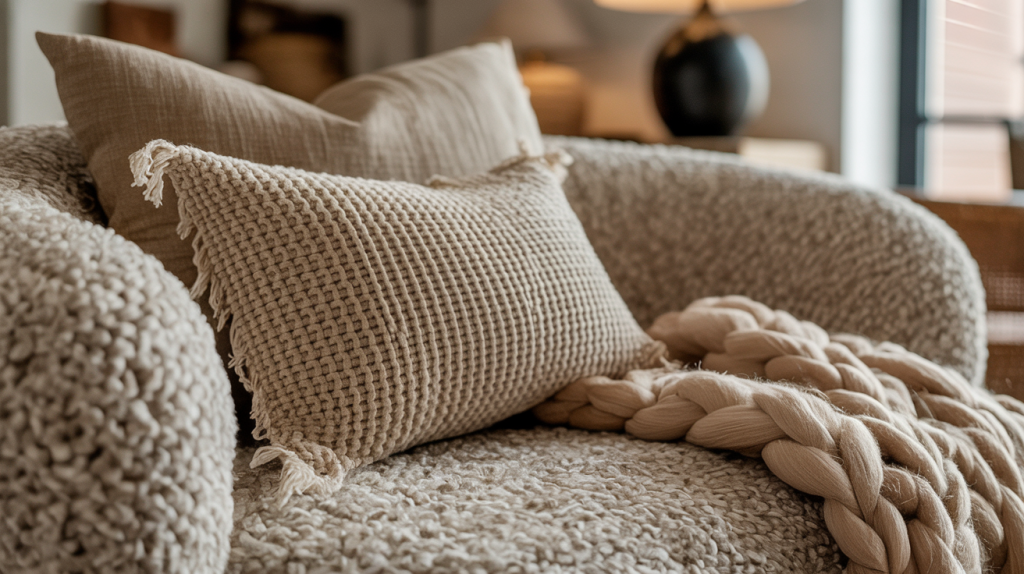
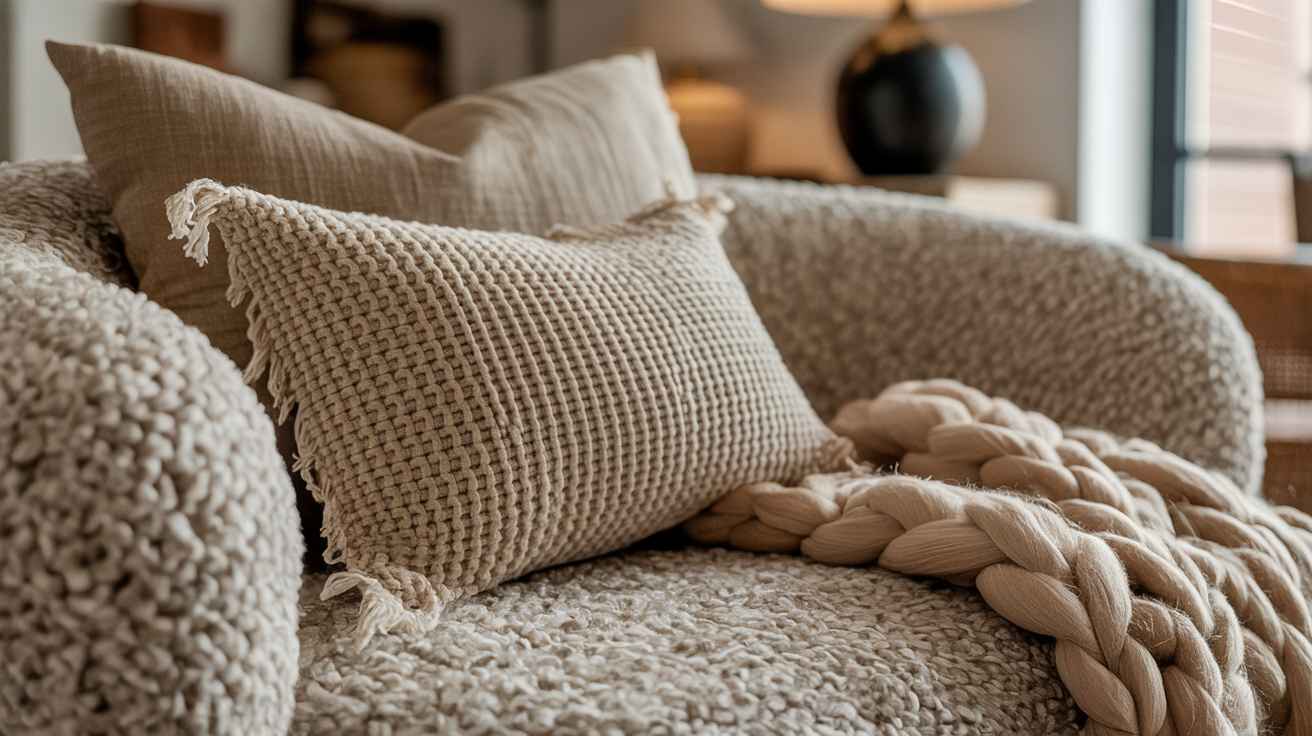
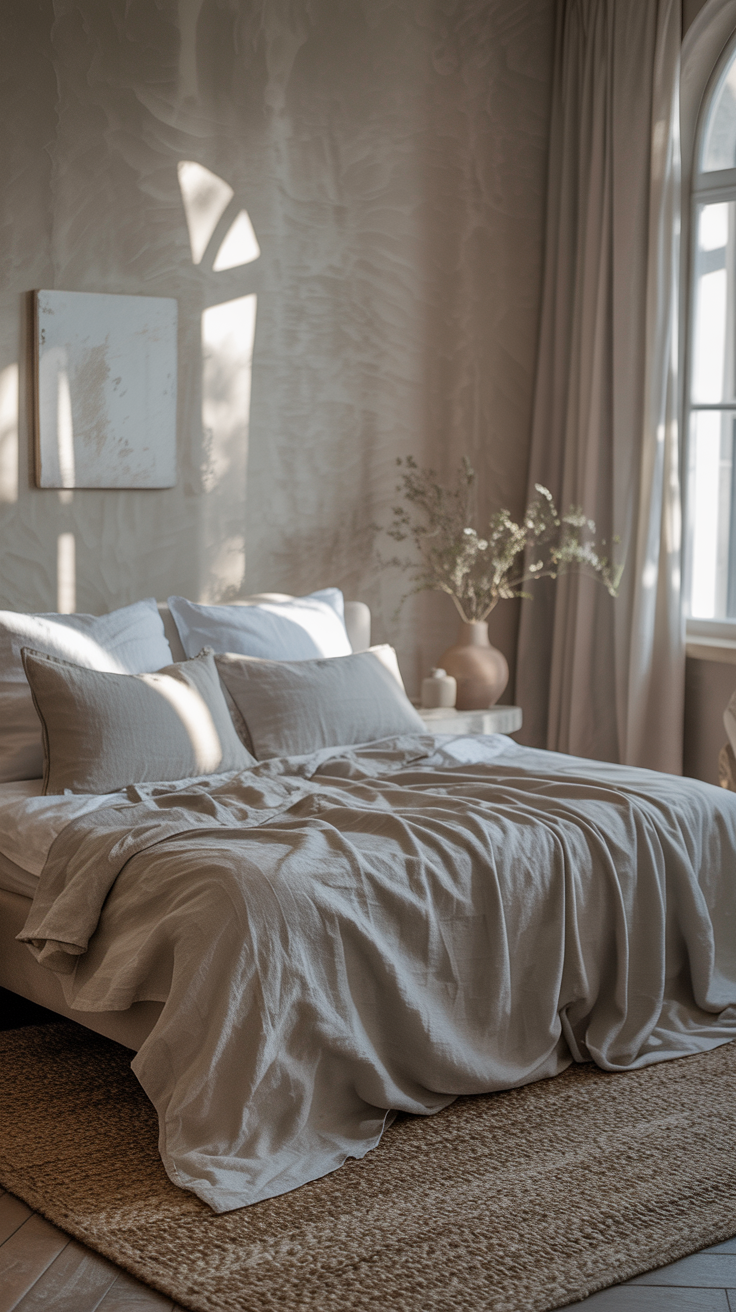
The magic of layering truly comes alive in the details. Drape a chunky knit or cashmere throw casually over the arm of a sofa or the foot of a bed. Mix and match decorative pillows in different fabrics—perhaps pairing a smooth silk cushion with a nubby linen or faux fur one. The key is to ensure that the layering feels deliberate yet effortless, avoiding a cluttered appearance while maximizing coziness.
Window treatments also play a crucial role in adding texture. Instead of stark blinds, opt for heavy, flowing drapes made of velvet or heavy linen. These can be paired with sheer curtains to allow for flexible light control while adding another layer of softness to the room. By engaging the senses through varied textures, you create an environment that feels rich, complex, and comforting.
2. Curate a Warm and Grounding Color Palette
Color is a powerful tool in interior design, capable of instantly altering the mood and perceived temperature of a room. While stark whites and cool grays have their place in certain design schemes, lived-in luxury relies heavily on a warm, grounding color palette to create an inviting atmosphere.
To cultivate this aesthetic, move away from clinical, high-contrast color schemes and embrace tones that evoke nature and comfort. Earthy neutrals form the perfect foundation for a lived-in luxury space. Think of rich taupes, warm beiges, soft creams, and deep, muddy browns. These colors provide a calm, sophisticated backdrop that allows other elements in the room to shine without competing for attention.
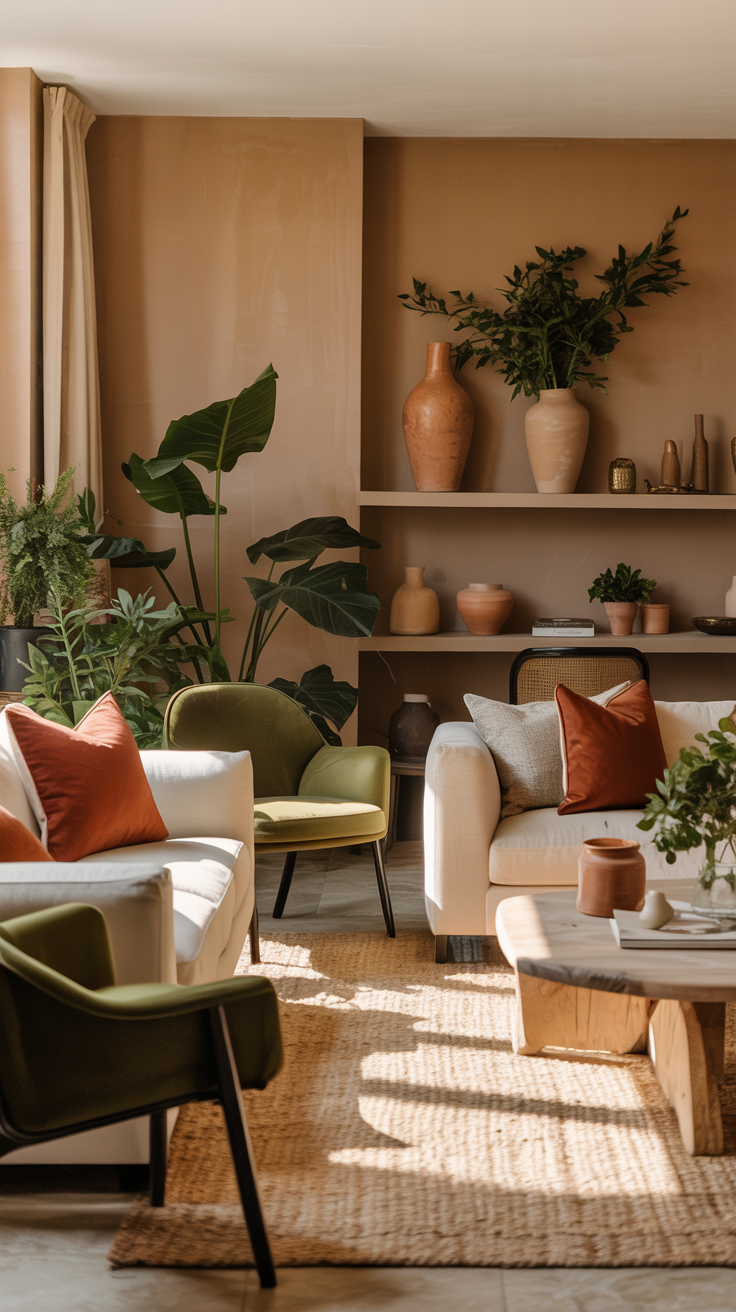
Once you have established a neutral base, you can introduce deeper, more saturated hues to add depth and personality. Colors like terracotta, olive green, deep plum, and burnt orange work beautifully as accents. These shades bring a sense of history and richness to a space, reminiscent of natural landscapes and time-worn materials.
When applying these colors, consider the finish as well as the hue. Matte or eggshell finishes on walls absorb light, creating a softer, more enveloping feel compared to high-gloss paints. You can also introduce color through natural materials, such as the warm tones of walnut or oak furniture, the varied hues of natural stone, or the rich patina of unlacquered brass hardware. By surrounding yourself with warm, earthy tones, you create a cocoon-like environment that feels both luxurious and deeply comforting.
3. Invest in High-Quality, Timeless Basics
The foundation of lived-in luxury is built upon quality. While the aesthetic is relaxed and approachable, it is never sloppy or cheap. To achieve a look that is both comfortable and elevated, it is essential to invest in high-quality, timeless basics that will serve as the anchor for your design scheme. Be sure to also check out my post on how to score high-quality furniture on a budget here 🙂
When selecting foundational pieces, such as sofas, dining tables, and beds—prioritize craftsmanship and durable materials. A well-made, solid wood dining table may show signs of wear over the years, but these marks will only add to its character and story, rather than detracting from its beauty. Similarly, a high-quality leather sofa will develop a rich patina over time, becoming softer and more inviting with each passing year.
This principle extends beyond furniture to the materials used throughout your home. Opt for natural, authentic materials whenever possible. Choose solid hardwood floors over synthetic alternatives, natural stone countertops like marble or quartzite instead of manufactured surfaces, and pure linen or cotton for your bedding and upholstery. These materials possess an inherent luxury that cannot be replicated, and they age gracefully, contributing to the lived-in feel of the space.
Investing in quality also means choosing pieces with classic, enduring silhouettes rather than chasing fleeting trends. A beautifully proportioned, timeless piece of furniture will always look elegant, regardless of the current design fads. By building your home around these high-quality basics, you create a sense of permanence and substance that is the hallmark of true luxury.
4. Master the Art of the “Collected” Look
A home that feels instantly warm and luxurious is rarely one that looks as though it was purchased entirely from a single showroom in one weekend. Instead, lived-in luxury embraces the “collected” look—a curated blend of old and new, high and low, that tells the story of the people who live there.
To achieve this aesthetic, you must be willing to mix different eras, styles, and origins. The contrast between a sleek, modern sofa and a weathered, antique coffee table creates a dynamic tension that makes a room feel interesting and layered. Incorporating vintage or antique pieces adds a sense of history and soul to a space, preventing it from feeling overly sterile or predictable.
When curating your collection, look for items that have personal meaning or a unique story. This could be a piece of art acquired during your travels, a family heirloom passed down through generations, or a quirky vintage find from a local flea market. These items serve as conversation starters and inject your personality into the design.
The key to mastering the collected look is balance. You want the space to feel curated, not cluttered. Give each piece room to breathe, and ensure that there is a unifying element, such as a consistent color palette or a recurring material, that ties the disparate items together. By thoughtfully combining the old with the new, you create a home that feels rich, authentic, and deeply personal.
5. Prioritize Deep, Sink-In Comfort
At the heart of lived-in luxury is the belief that a home should be a sanctuary. It’s a place where you can completely relax and let your guard down. Therefore, prioritizing physical comfort is absolutely essential. A room can be visually stunning, but if the furniture is stiff and unyielding, it will never feel truly luxurious or warm.
When selecting seating, look for pieces that invite you to sink in and stay awhile. Oversized sofas with deep seats and plush, down-wrapped cushions are ideal for creating a cozy, lounge-like atmosphere. Armchairs should be generously proportioned, offering enough room to curl up with a good book or a cup of tea.
The layout of your furniture also plays a crucial role in promoting comfort and connection. Arrange seating in a way that encourages conversation and interaction, rather than simply pointing everything toward a television screen. Create intimate groupings of furniture that feel cozy and inviting, ensuring that there is always a comfortable place to sit, regardless of the room’s size. I wrote a great post here about small living room layouts that work!
Comfort extends beyond just seating. Consider the tactile experience of every surface in your home. Ensure that rugs are soft underfoot, that bedding is made from breathable, high-quality natural fibers, and that throws and pillows are within easy reach. By making physical comfort a top priority, you transform your home into a space that actively nurtures and supports your well-being.
6. Cultivate a Sense of Imperfection
One of the defining characteristics of lived-in luxury is its rejection of the pristine, showroom-perfect aesthetic. A home that looks too perfect can feel unapproachable and intimidating, as though it is meant to be admired rather than lived in. To create a space that feels instantly warmer, you must cultivate a sense of imperfection.
This does not mean that your home should be messy or disorganized. Rather, it means embracing the natural wear and tear that comes with daily life. A slightly creased linen duvet cover, a stack of books casually arranged on a coffee table, or a vintage rug with faded colors all contribute to a relaxed, effortless elegance.
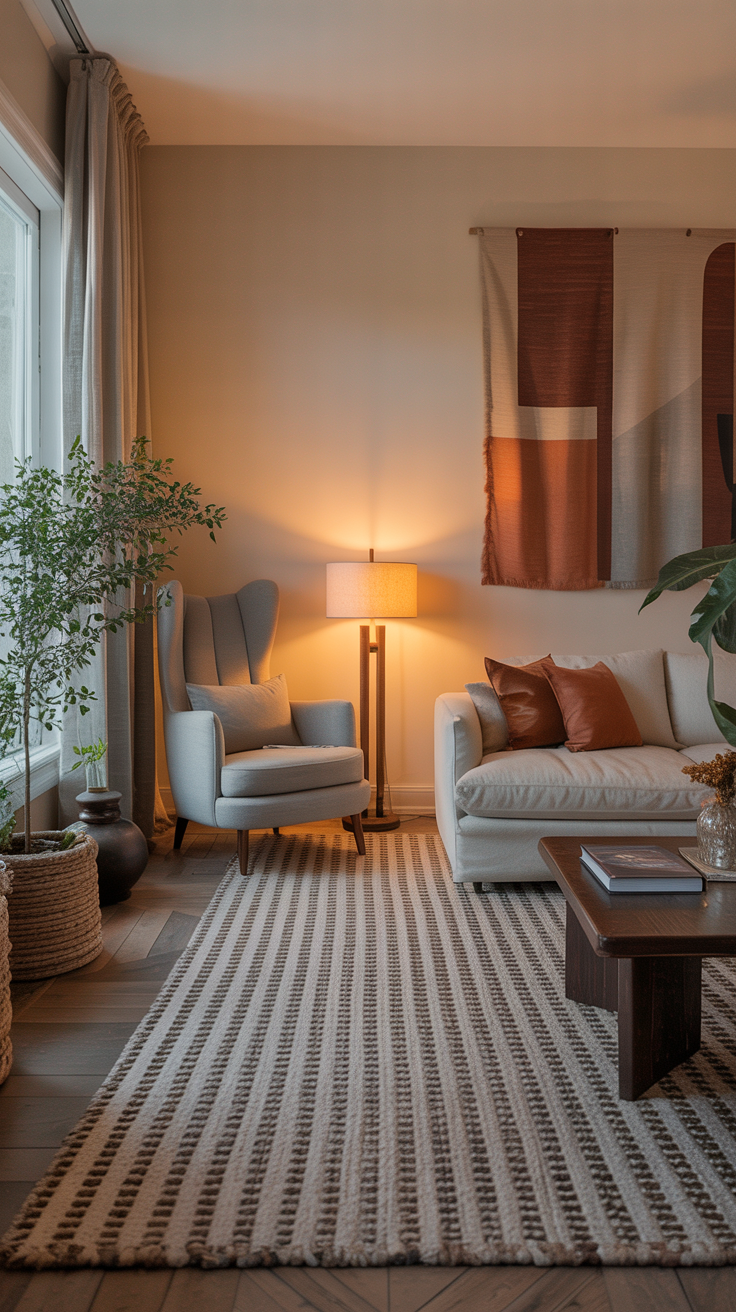
When styling your home, avoid the temptation to make everything perfectly symmetrical or rigidly arranged. Allow for a bit of asymmetry in your furniture placement or artwork displays. Let a throw blanket drape naturally over a chair rather than folding it with military precision. These small touches of imperfection signal that the space is meant to be enjoyed, not just looked at.
Embracing imperfection also means accepting the unique characteristics of natural materials. The variations in grain on a solid wood table, the subtle differences in color on a hand-glazed tile, or the natural patina that develops on unlacquered brass are all signs of authenticity and quality. By celebrating these imperfections, you create a home that feels genuine, grounded, and deeply luxurious.
7. Harness the Power of Warm, Layered Lighting
Lighting is perhaps the most critical element in establishing the mood and atmosphere of a room. In a lived-in luxury space, harsh, overhead lighting is the enemy of warmth and coziness. To create an inviting environment, you must harness the power of warm, layered lighting.
The goal is to create a soft, ambient glow that flatters the space and the people within it. This is achieved by combining multiple sources of light at different heights and intensities. Start by minimizing the use of bright, recessed ceiling lights, relying instead on a mix of floor lamps, table lamps, and wall sconces.
When selecting light fixtures, consider both their form and function. A statement chandelier or a cluster of pendant lights can serve as a beautiful focal point while providing ambient illumination. Table lamps with fabric or paper shades cast a warm, diffused light that is perfect for reading or relaxing. Wall sconces add a touch of elegance and can highlight architectural features or artwork.
The color temperature of your bulbs is also crucial. Opt for warm white bulbs (around 2700K to 3000K) to create a cozy, inviting atmosphere. For in depth detail on how to determine the ideal lighting temperature for each room of your home, be sure to check out my detailed post here.
Finally, installing dimmer switches on all your light fixtures allows you to easily adjust the mood of the room, transitioning from bright, functional light during the day to a soft, romantic glow in the evening. By layering your lighting, you create a space that feels rich, complex, and deeply comforting.
8. Bring the Outdoors In with Natural Elements
A key tenet of lived-in luxury is the connection to the natural world. Incorporating natural elements into your home design not only adds visual warmth but also promotes a sense of tranquility and well-being. By bringing the outdoors in, you create a space that feels grounded and harmonious.
One of the simplest ways to achieve this is through the use of indoor plants. Large, leafy plants like fiddle leaf figs or monsteras add life and vitality to a room, while smaller potted plants or trailing vines can soften hard edges and add a touch of greenery to shelves or mantels. If you lack a green thumb, consider incorporating dried botanicals, branches, or sculptural pieces of driftwood for a similar effect.
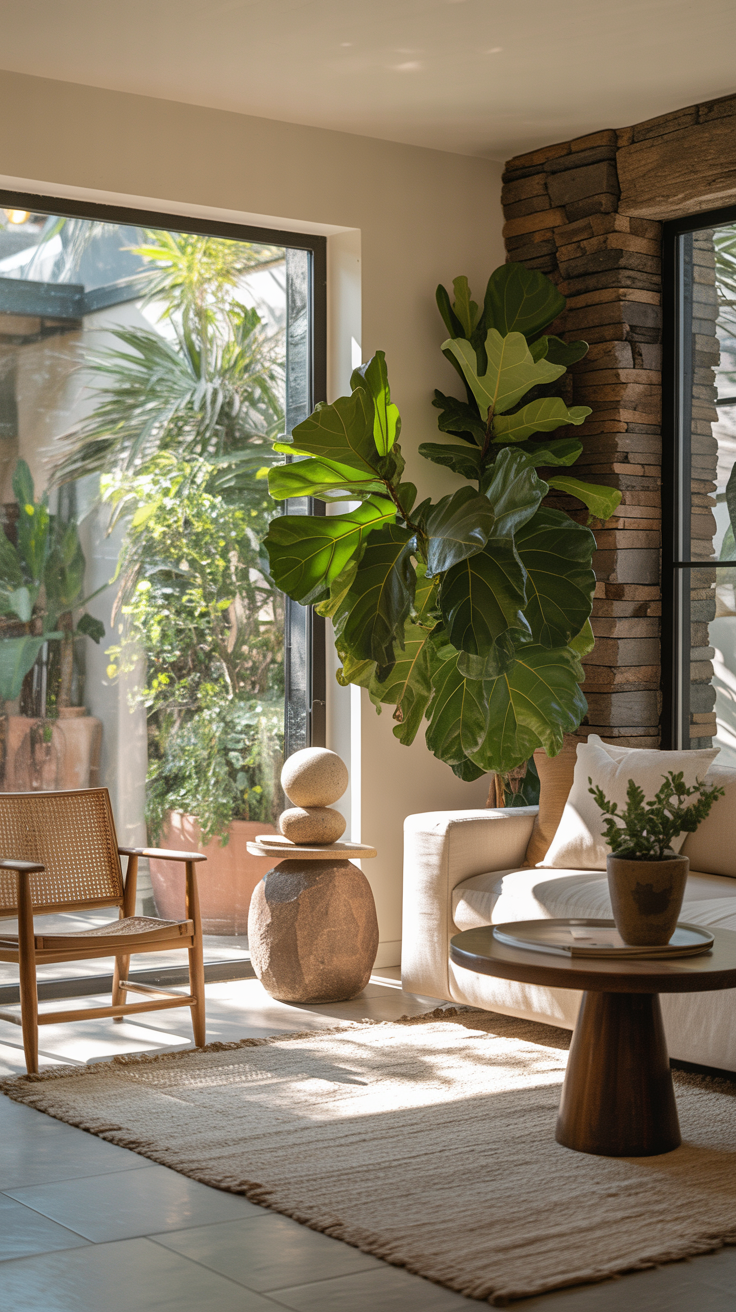
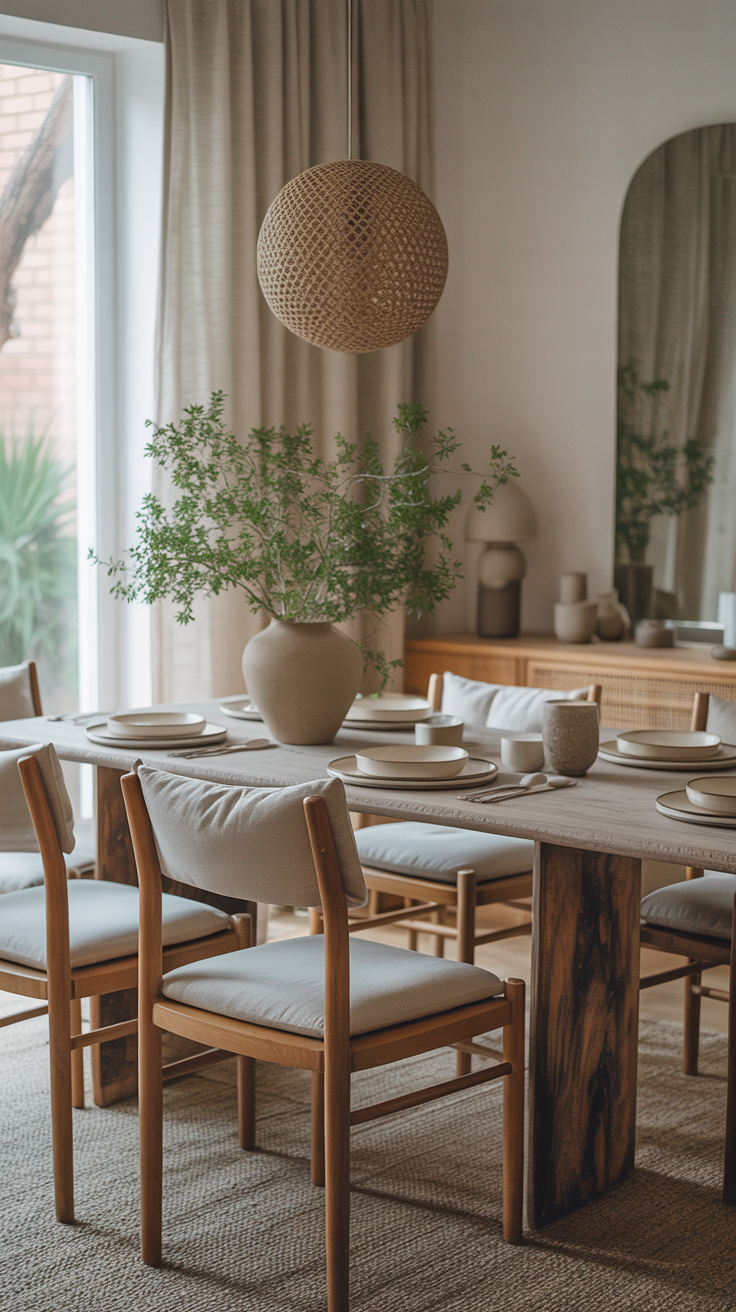
Beyond plants, natural materials play a vital role in establishing a connection to nature. Incorporate elements like raw wood, natural stone, woven rattan, and tactile ceramics into your design scheme. A solid oak dining table, a marble coffee table, or a woven jute basket all bring a sense of the outdoors into your home, adding texture and warmth.
You can also draw inspiration from nature when selecting your color palette and patterns. Earthy tones, botanical prints, and organic shapes all contribute to a natural, grounded aesthetic. By surrounding yourself with elements that evoke the natural world, you create a home that feels serene, inviting, and deeply luxurious.
9. Create Intimate, Purposeful Zones
In large, open-concept homes, it can be challenging to create a sense of warmth and intimacy. To achieve a lived-in luxury feel, it is essential to break up expansive spaces into smaller, purposeful zones that encourage connection and relaxation.
Start by defining distinct areas within a larger room using area rugs, furniture placement, and lighting. For example, in an open living and dining area, use a large, plush rug to anchor the seating arrangement, creating a cozy “room within a room.” Position a pair of comfortable armchairs near a window or fireplace to create an intimate reading nook or conversation area.
When designing these zones, consider how you actually use the space. If you love to entertain, ensure that your seating arrangement facilitates easy conversation. If you prefer quiet evenings at home, create a dedicated space for reading, listening to music, or simply unwinding. By tailoring your home to your specific lifestyle and needs, you create an environment that feels deeply personal and luxurious.
The key to successful zoning is to ensure that each area feels distinct yet cohesive with the rest of the home. Use consistent colors, materials, and design elements to tie the different zones together, creating a harmonious flow throughout the space. By creating intimate, purposeful areas, you transform a large, imposing room into a series of warm, inviting spaces.
10. Infuse Your Space with Signature Scents
The final, and often overlooked, element of lived-in luxury is scent. Our sense of smell is powerfully linked to memory and emotion, making it a critical component in creating a warm, inviting atmosphere. A home that smells wonderful instantly feels more luxurious and comforting.
To infuse your space with a signature scent, move away from artificial, overpowering air fresheners and embrace natural, high-quality fragrances. Scented candles made from soy or beeswax, essential oil diffusers, and natural room sprays are all excellent options for adding a subtle, sophisticated aroma to your home.
When selecting a scent, consider the mood you want to create. Warm, woody fragrances like sandalwood, cedar, or amber evoke a sense of coziness and grounding, making them perfect for living rooms and bedrooms. Fresh, citrusy scents like bergamot or grapefruit are uplifting and energizing, ideal for kitchens and bathrooms. Floral or herbal notes like lavender, eucalyptus, or jasmine promote relaxation and tranquility.
You can also change your home’s scent with the seasons, opting for lighter, fresher fragrances in the spring and summer, and richer, spicier scents in the fall and winter. By incorporating scent into your design scheme, you engage all the senses, creating a truly immersive and luxurious experience that makes your home feel instantly warmer and more inviting.
Lived-in luxury is far more than just a passing design trend; it is a fundamental shift in how we view and interact with our living spaces. It is a philosophy that prioritizes comfort, authenticity, and personal expression over rigid perfection and sterile aesthetics. By embracing the beauty of imperfection, investing in high-quality materials that age gracefully, and focusing intently on the sensory experience of your home, you can create a space that is both undeniably elegant and deeply comforting.
As you begin to implement these ideas, remember that the goal is not to achieve a flawless, magazine-ready look overnight. Instead, it is about a gradual, intentional process of curating a home that tells your unique story. It is about selecting pieces that resonate with you, arranging them in a way that promotes connection and ease, and allowing your space to evolve naturally alongside your life.
By applying these principles of lived-in luxury, you can elevate your surroundings while simultaneously making them feel instantly warmer, more inviting, and uniquely yours. You will find that your home becomes a place where you and your guests naturally want to linger, a space that offers a true respite from the outside world. True luxury, after all, is not about creating a perfect, untouchable space to be admired from afar, but about crafting a home that beautifully supports, nurtures, and reflects the vibrant, messy, and wonderful life you live within it.