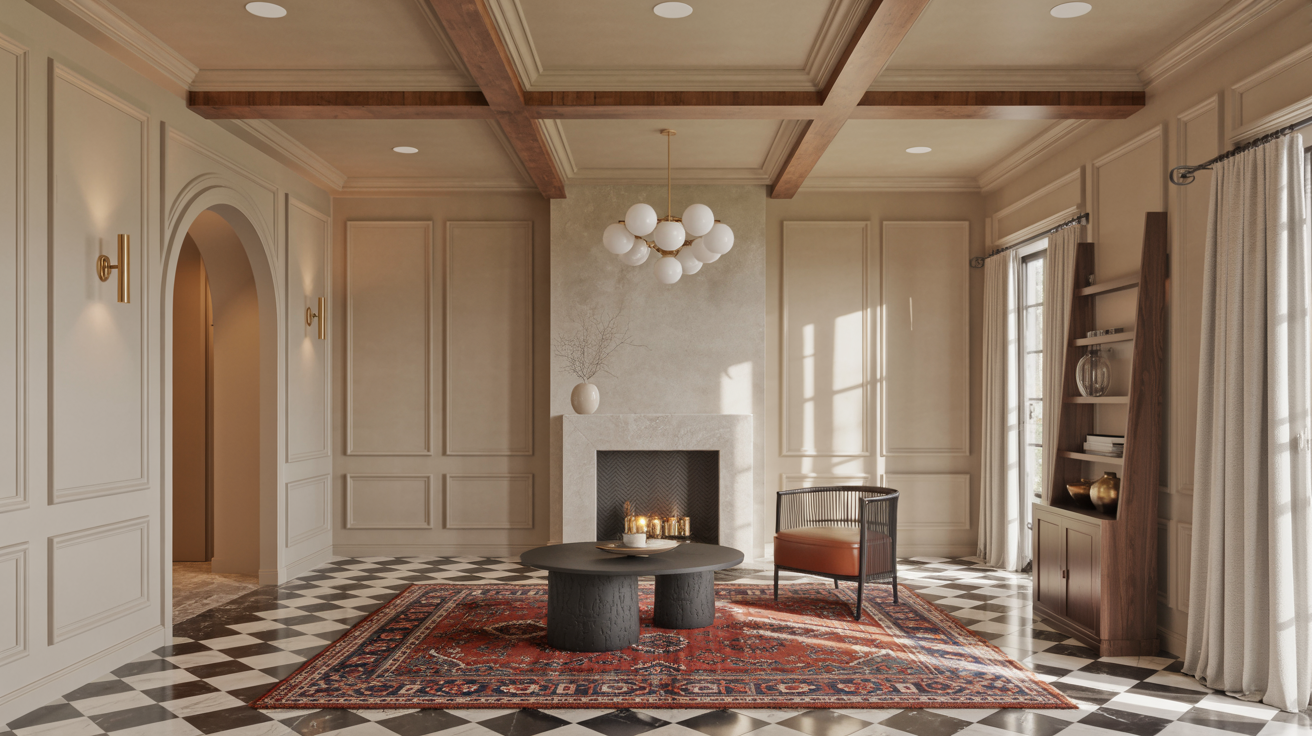
The world of interior design is experiencing a revolutionary transformation, driven by the rapid advancement of artificial intelligence technology. What once required years of training, expensive consultations, and countless hours of manual planning can now be accomplished in minutes with the help of sophisticated AI-powered tools. These innovative platforms are democratizing interior design, making professional-quality room transformations accessible to homeowners, real estate professionals, and design enthusiasts alike.
The integration of artificial intelligence into interior design represents more than just a technological trend—it’s a fundamental shift in how we approach spatial planning, aesthetic decision-making, and creative visualization. Modern AI interior design tools leverage advanced machine learning algorithms, computer vision, and generative AI to analyze spaces, understand design principles, and create stunning visual representations that were previously impossible without extensive human expertise.
From virtual staging that can sell properties 73% faster to instant room redesigns that satisfy millions of users worldwide, AI interior design tools are proving their worth across multiple industries and use cases. Whether you’re a real estate agent looking to enhance property listings, a homeowner seeking inspiration for your next renovation, or a professional designer aiming to streamline your workflow, the right AI tool can dramatically improve your results while saving time and money.
This comprehensive guide examines ten of the most powerful and innovative AI interior design tools available today. Each tool has been carefully selected based on its unique capabilities, user feedback, industry recognition, and practical applications. We’ll explore their features, pricing structures, ideal use cases, and real-world performance to help you make informed decisions about which tools best suit your specific needs and goals.
The Rise of AI in Interior Design
The interior design industry has traditionally been characterized by its reliance on human creativity, intuition, and years of accumulated experience. Professional designers spend considerable time understanding client preferences, analyzing spatial constraints, sourcing materials, and creating detailed plans that bring visions to life. However, this traditional approach often comes with significant barriers to entry, including high costs, lengthy timelines, and limited accessibility for average homeowners.
Artificial intelligence is fundamentally changing this landscape by automating many of the technical and analytical aspects of interior design while preserving the creative and aesthetic elements that make spaces truly special. Modern AI systems can process vast amounts of design data, recognize patterns in successful room layouts, understand color theory and spatial relationships, and generate countless design variations in seconds rather than hours or days.
The technology behind these tools typically combines several AI disciplines, including computer vision for analyzing existing spaces, natural language processing for understanding user preferences expressed in text, generative adversarial networks (GANs) for creating realistic room visualizations, and machine learning algorithms trained on millions of successful design examples. This convergence of technologies enables AI tools to not only understand what makes a space visually appealing but also to generate practical, implementable design solutions.
Market research indicates that the global AI in interior design market is experiencing explosive growth, with adoption rates increasing dramatically among both professionals and consumers. Real estate professionals report significant improvements in property marketing effectiveness, while homeowners appreciate the ability to experiment with different design concepts before making expensive purchasing decisions. This widespread adoption is driving continuous innovation in the field, with new tools and capabilities emerging regularly.
Tool Selection Criteria and Methodology
The selection of tools featured in this guide was based on a comprehensive evaluation process that considered multiple factors essential for practical application and user satisfaction. Each tool was assessed based on its technological capabilities, user interface design, output quality, pricing structure, customer support, and real-world performance metrics.
Primary evaluation criteria included the quality and realism of generated designs, with particular attention to how well AI-generated rooms maintain architectural accuracy while incorporating stylistic elements. Tools were tested across various room types, design styles, and complexity levels to ensure consistent performance. The ease of use was another critical factor, as the best AI tools should be accessible to users regardless of their technical background or design experience.
Pricing and value proposition played a significant role in the selection process, with consideration given to both free and paid options that offer genuine value for their respective price points. Tools that provide transparent pricing, flexible subscription options, and clear value delivery were prioritized over those with complex or unclear pricing structures.
User feedback and industry recognition were also important factors, with preference given to tools that have demonstrated success in real-world applications and have received positive reviews from both professional designers and everyday users. Tools featured in major media outlets, adopted by significant numbers of users, or recognized by industry professionals received additional consideration.
Finally, the diversity of use cases and applications was considered to ensure the guide covers tools suitable for various needs, from simple room redesigns to professional virtual staging and comprehensive design planning. This approach ensures that readers can find tools appropriate for their specific requirements and skill levels.
1. Spacely AI – The Professional’s Choice for Advanced Design Control
Spacely AI stands out as the most sophisticated and feature-rich AI interior design platform available today, earning recognition as the top choice for professional designers and serious design enthusiasts. What sets Spacely AI apart from its competitors is its unique approach to user control and customization, allowing users to fine-tune generated images until they achieve exactly the vision they have in mind.
The platform’s core strength lies in its advanced rendering capabilities, which consistently produce some of the highest-quality images in the AI interior design space. Unlike many tools that generate static results and leave users hoping for the best, Spacely AI provides unprecedented control over the design process. Users can adjust individual pieces of furniture, modify specific elements within a room, and re-render images with targeted changes, making it an invaluable tool for professional designers who need precise control over their creative output.
The tool offers an extensive library of pre-loaded design styles, ranging from traditional and contemporary to more unique options like “Ryokan” (inspired by traditional Japanese inns), “Y2K,” and even whimsical themes like “Famous Wizard Movie.” This diversity ensures that users can explore a wide range of aesthetic directions, whether they’re working on conventional residential projects or more creative commercial spaces.
One of Spacely AI’s most impressive features is its ability to work with reference photos. Users can upload inspiration images and have the AI incorporate those stylistic elements into their room designs, creating a bridge between abstract design concepts and practical implementation. This feature is particularly valuable for designers working with clients who have specific aesthetic preferences but struggle to articulate them in words.
The platform’s user interface is designed with professionals in mind, offering intuitive controls that don’t sacrifice functionality for simplicity. The learning curve is reasonable, and the platform provides helpful guidance for new users while maintaining the depth of features that experienced designers require. The rendering process is relatively fast, typically producing results within 30-60 seconds, which allows for efficient iteration and experimentation.
Spacely AI’s pricing structure reflects its professional positioning, with paid plans starting at $30 per month. While this places it at the higher end of the market, the platform offers a 3-day free trial that allows potential users to thoroughly evaluate its capabilities before committing to a subscription. The pricing is justified by the tool’s advanced features, high-quality output, and the significant time savings it provides for professional workflows.
The platform has gained recognition not only for its technical capabilities but also for its practical applications in real estate and property development. Real estate professionals use Spacely AI to help potential buyers visualize the potential of fixer-upper properties, while property developers use it to showcase different design possibilities for new constructions. The tool’s ability to generate multiple design variations quickly makes it an excellent choice for presenting options to clients and stakeholders.
Customer feedback consistently highlights Spacely AI’s superior image quality and the level of control it provides over the design process. Professional users particularly appreciate the ability to make targeted adjustments without starting over, which significantly improves workflow efficiency. The platform’s customer support is also well-regarded, with responsive assistance and helpful resources for users at all skill levels.
2. RoomGPT – The User-Friendly Pioneer in AI Room Design
RoomGPT has established itself as one of the most accessible and widely-used AI interior design tools, with over 2 million users worldwide who have transformed their spaces using this innovative platform. The tool’s success stems from its perfect balance of powerful AI capabilities and user-friendly design, making professional-quality room redesigns accessible to anyone with a smartphone or computer.
The platform’s approach to AI interior design is refreshingly straightforward. Users simply upload a photo of their room, and RoomGPT’s AI analyzes the space and generates multiple design variations based on different styles and themes. The tool uses a prompt-based system similar to other popular AI applications, allowing users to describe their desired changes in natural language while also providing style selection options for more guided results.
What makes RoomGPT particularly appealing is its instant redesign capability. The platform can generate multiple room variations in seconds, allowing users to quickly explore different aesthetic directions without the time investment typically required for design planning. This speed makes it an excellent tool for brainstorming and initial concept development, whether you’re planning a major renovation or simply looking for inspiration to refresh your current space.
The quality of RoomGPT’s output has earned praise from users across various backgrounds, from homeowners planning DIY projects to real estate professionals preparing properties for sale. The tool excels at maintaining the architectural integrity of spaces while introducing new design elements, furniture arrangements, and color schemes that transform the overall aesthetic without requiring structural changes.
RoomGPT’s media recognition speaks to its impact and reliability. The platform has been featured in major publications including Business Insider, MSN, NBC, Business of Home, and Yahoo News, establishing its credibility in both technology and design circles. This media attention has helped drive adoption among users who might otherwise be hesitant to try AI-powered design tools.
User testimonials consistently highlight several key benefits of the platform. Many users appreciate that RoomGPT eliminates the need for expensive interior designer consultations for basic room redesigns, making quality design accessible to budget-conscious homeowners. The tool is particularly praised for helping users overcome decision paralysis when faced with numerous design choices, providing concrete visual examples that make abstract design concepts tangible and actionable.
The platform’s ability to show rooms in different themes before renovation is particularly valuable for users planning significant changes to their spaces. Rather than relying on imagination or basic mood boards, users can see realistic representations of how their actual rooms would look with different design approaches, reducing the risk of expensive mistakes and increasing confidence in design decisions.
Professional users, including startup founders, engineers, and software developers, have provided glowing reviews of RoomGPT’s capabilities. One user noted that it’s “the best AI room photo reimaginer” they’ve encountered, while others praise its ability to generate ideas quickly and efficiently. The consistent 5-star ratings from professional users indicate that the tool meets the standards of users with high expectations for quality and functionality.
RoomGPT’s pricing model is designed to be accessible while still supporting the platform’s continued development and improvement. The tool offers free initial renders to allow users to test its capabilities, with paid options available for users who need more extensive access. This freemium approach makes it easy for new users to evaluate the platform without financial commitment while providing a sustainable revenue model for ongoing development.
3. Planner 5D – The All-in-One Design Powerhouse
Planner 5D represents a comprehensive approach to AI-powered interior design, combining traditional design tools with cutting-edge artificial intelligence to create one of the most versatile platforms available today. Unlike tools that focus solely on image generation, Planner 5D offers a complete design ecosystem that includes floor planning, 3D visualization, augmented reality features, and AI-powered room generation.
The platform’s strength lies in its ability to handle the entire design process from initial concept to final visualization. Users can create accurate, to-scale floor plans using the platform’s intuitive drawing tools, then furnish and decorate those spaces using an extensive library of furniture and decor items. The AI component enhances this traditional approach by automatically generating design suggestions, optimizing layouts, and creating realistic renderings that bring designs to life.
One of Planner 5D’s most impressive features is its ability to convert hand-drawn layouts into digital plans. This capability bridges the gap between traditional design methods and modern digital tools, allowing users to start with rough sketches and transform them into professional-quality digital designs. The AI analyzes hand-drawn elements and translates them into precise digital representations, saving significant time in the design process.
The platform’s AI room generation capabilities are particularly noteworthy. Users can input basic parameters about their space and design preferences, and the AI will generate complete room designs that include furniture placement, color schemes, and decorative elements. These AI-generated designs serve as excellent starting points that users can then customize and refine using the platform’s comprehensive editing tools.
Planner 5D’s augmented reality features add another dimension to the design experience, allowing users to visualize furniture and design elements in their actual spaces using their smartphone or tablet cameras. While the AR technology is still evolving and sometimes produces results that feel somewhat game-like rather than photorealistic, it provides valuable spatial context that helps users understand how design elements will fit in their real environments.
The platform is available as both a web application and mobile app, with many users preferring the mobile version for its streamlined interface and touch-optimized controls. The mobile app often includes features that aren’t available on the desktop version, making it the preferred choice for many users. This mobile-first approach reflects the platform’s commitment to accessibility and ease of use.
Professional designers have embraced Planner 5D as a valuable addition to their workflow, particularly for initial client presentations and space planning. The platform’s ability to quickly generate multiple design options and present them in various formats (2D plans, 3D renderings, and AR visualizations) makes it an excellent tool for client communication and project development.
The platform’s pricing structure is designed to accommodate both casual users and professionals. Basic features are available for free, with premium subscriptions providing access to advanced AI features, larger furniture libraries, and higher-resolution exports. The pricing is competitive with other comprehensive design platforms while offering significantly more functionality than simple AI image generators.
Customer support for Planner 5D is particularly strong, with responsive AI-powered assistance and comprehensive learning resources. The platform recognizes that its extensive feature set can be overwhelming for new users and provides excellent onboarding and tutorial content to help users maximize their experience.
4. VisualizeAI – The Versatile Professional Platform
VisualizeAI has earned recognition as one of the most versatile and powerful AI interior design platforms available, offering capabilities that extend beyond traditional room design to include architectural visualization and product design. This comprehensive approach makes it an excellent choice for professionals who need a single platform capable of handling diverse design challenges.
The platform’s core strength lies in its flexibility and adaptability. Unlike tools that require users to start with photographs of existing spaces, VisualizeAI can work with a variety of input types, including existing images, hand-drawn sketches, floor plans, and even elevation details. This versatility makes it valuable for users at different stages of the design process, from initial concept development to final presentation.
One of VisualizeAI’s most impressive features is its ability to generate not just interior designs but also architectural elements and custom furniture pieces. This expanded scope allows users to create truly comprehensive design solutions that address both spatial planning and specific design elements. Architects and designers can use the platform to visualize structural changes, experiment with different architectural styles, and even design custom furniture pieces that perfectly fit their spaces.
The platform offers over 30 different design styles, ranging from popular contemporary options like Modern, Minimalist, and Scandinavian to more specialized styles like Cottagecore and Industrial. Each style is carefully implemented to ensure consistency and authenticity, with the AI understanding the key elements that define each aesthetic approach. Users can also blend styles or create custom variations by providing detailed text prompts that describe their specific vision.
VisualizeAI’s user interface is designed with professionals in mind, offering detailed control options and advanced features while maintaining reasonable usability for less experienced users. The platform includes a helpful History tab that allows users to track their previous generations and iterations, making it easy to compare different approaches and return to earlier concepts if needed.
The rendering process in VisualizeAI is thorough and detailed, though it can be slower than some competitors. The platform doesn’t provide progress indicators during rendering, which can be frustrating for users who are unsure whether their request is being processed. However, the system does allow users to close their browser and continue with other tasks while rendering continues in the background, which helps mitigate this limitation.
One technical consideration with VisualizeAI is that downloaded images don’t automatically include file extensions, requiring users to manually add extensions like .PNG when saving files. While this is a minor inconvenience, it’s worth noting for users who plan to download and organize large numbers of generated images.
The platform’s pricing structure is competitive for professional-grade tools, with the Basic plan starting at $19 per month for 400 credits. New users receive 3 free credits to test the platform’s capabilities before committing to a subscription. The credit-based system allows for flexible usage patterns, which is particularly valuable for professionals whose design needs vary significantly from month to month.
VisualizeAI has gained recognition among professionals for its ability to handle complex design challenges and produce high-quality results across diverse project types. The platform is particularly popular among architects who appreciate its ability to work with technical drawings and elevation details, as well as interior designers who value its comprehensive style library and customization options.
Customer feedback consistently highlights the platform’s professional capabilities and the quality of its output. Users appreciate the level of detail in generated images and the platform’s ability to maintain architectural accuracy while incorporating creative design elements. The platform’s customer support is responsive and knowledgeable, providing valuable assistance for users working on complex projects.

5. RoomDeco – The Creative Playground for Unique Design Styles
RoomDeco distinguishes itself in the AI interior design landscape through its emphasis on creativity and unique style options that aren’t available in other platforms. While its interface may appear simple at first glance, this tool offers an impressive array of design possibilities that make it particularly appealing for users seeking unconventional or themed design solutions.
The platform’s most notable feature is its extensive collection of unique themes and styles that go far beyond traditional interior design categories. Users can explore conventional options like Scandinavian, Modern, and Traditional, but RoomDeco truly shines with its creative themes such as “Christmas,” “Birthday,” “Steampunk Workshop,” and “Vampire’s Lair.” This diverse selection makes the platform particularly valuable for event planners, commercial space designers, and creative individuals looking to implement distinctive aesthetic concepts.
Beyond its thematic variety, RoomDeco offers granular control over design elements through its color and material selection features. Users can specify particular colors or materials they want incorporated into their designs, allowing for precise customization that aligns with existing decor or specific brand requirements. This level of control is particularly valuable for commercial applications where brand consistency is important.
One of RoomDeco’s most impressive technical achievements is its rendering speed. The platform generates design variations in an average of just 10 seconds, making it one of the fastest AI interior design tools available. This speed enables rapid experimentation and iteration, allowing users to explore multiple design directions quickly and efficiently. For users who value quick feedback and the ability to test numerous concepts in a short time, this speed advantage is significant.
The trade-off for this impressive speed is that RoomDeco’s renders can sometimes appear less polished than those produced by slower, more computationally intensive platforms. The images may have a slightly “messier” quality compared to the photorealistic outputs of premium tools, but they still provide valuable design insights and inspiration. For many users, particularly those in the early stages of design planning, this level of quality is perfectly adequate for generating ideas and exploring possibilities.
RoomDeco’s pricing structure is designed to be accessible while offering flexibility for different usage patterns. The basic plan starts at $15 per month, making it one of the more affordable options in the professional AI design tool category. The platform also offers the ability to purchase individual credits or theme packs on top of monthly subscriptions, allowing users to access specific features or styles without upgrading to higher-tier plans.
The platform includes important licensing considerations for professional users. While basic plans allow personal use of generated images, professionals who plan to use images for commercial purposes must upgrade to the Pro plan. This clear distinction helps ensure that commercial users have appropriate licensing rights while keeping costs reasonable for personal users.
User feedback for RoomDeco consistently highlights its fun and engaging user experience. The platform’s creative themes and rapid generation capabilities make it particularly appealing for users who enjoy experimenting with different design concepts. While it may not produce the most polished final images, it excels at generating creative inspiration and helping users explore design possibilities they might not have considered otherwise.
6. Gepetto – Simplicity Meets Sophisticated Control
Gepetto has carved out a unique position in the AI interior design market by combining an extremely user-friendly interface with sophisticated control features that give users meaningful influence over their design outcomes. This balance makes it an excellent choice for users who want more control than basic tools provide but don’t need the complexity of professional-grade platforms.
The platform’s interface design prioritizes simplicity and clarity, making it accessible to users regardless of their technical background or design experience. Despite this simplicity, Gepetto offers over 30 different room styles, providing substantial variety for users exploring different aesthetic directions. The style selection process is intuitive, with clear visual representations that help users understand what each option will deliver.
One of Gepetto’s most innovative features is its AI creativity level adjustment. This unique control allows users to influence how creative or conservative the AI’s design suggestions will be. Users who prefer subtle, realistic changes can set the creativity level low, while those seeking bold, innovative designs can increase the setting to encourage more dramatic transformations. This feature provides a level of control that’s rare in AI design tools and helps ensure that results align with user expectations and comfort levels.
The platform’s “blend” feature represents another sophisticated capability that sets it apart from simpler tools. Users can take a generated design and blend it with another style, creating hybrid aesthetics that combine elements from multiple design approaches. This feature is particularly valuable for users who appreciate aspects of different styles but want to create something unique that doesn’t fit neatly into traditional design categories.
Gepetto includes a Shopping feature that attempts to bridge the gap between design inspiration and practical implementation. When users generate a design they like, the platform can perform a Google Lens image search to find similar furniture and decor items available for purchase. While this feature is conceptually valuable, user testing has revealed that the search results aren’t always relevant or helpful, limiting its practical utility. However, the concept demonstrates the platform’s commitment to providing end-to-end design solutions.
One consideration for international users is that some of the style names in Gepetto are displayed in French, which can create confusion for users who don’t speak the language. While this doesn’t affect the functionality of the tool, it can make style selection less intuitive for some users. The platform would benefit from providing multilingual support or at least English translations for all style options.
Gepetto’s pricing reflects its European origins, with subscriptions priced at 40 Euros per month (approximately $43 USD). While this places it in the premium category, the platform offers 7 free renders for new users who create accounts, providing a reasonable opportunity to evaluate its capabilities before committing to a subscription. The pricing is justified by the platform’s unique features and the quality of its output.
The platform has gained recognition for its ease of use and the quality of its generated designs. Users particularly appreciate the creativity level control and blending features, which provide meaningful customization options without overwhelming complexity. The platform is especially popular among users who want to experiment with mixing different design styles or who need varying levels of creative interpretation for different projects.
7. DecorMatters – The Gamified Design Community Experience
DecorMatters represents a completely different approach to AI interior design, transforming the typically solitary design process into an engaging, community-driven gaming experience. Rather than simply providing design tools, DecorMatters creates an entire ecosystem where users can learn, compete, collaborate, and have fun while developing their design skills and creating beautiful spaces.
The platform’s gamification elements are comprehensive and well-integrated throughout the user experience. Users earn coins by participating in design challenges, completing projects, and engaging with the community. These coins serve as the platform’s currency, allowing users to unlock new furniture items, access premium features, and participate in special events. This system creates a sense of progression and achievement that keeps users engaged far beyond what traditional design tools typically achieve.
One of DecorMatters’ most innovative features is its augmented reality capability, which allows users to visualize furniture and decor items from the platform’s catalog in their actual spaces using their smartphone or tablet cameras. This AR functionality provides valuable spatial context and helps users understand how different items will look and fit in their real environments before making purchasing decisions.
The platform’s furniture and item catalog is extensive and consists of real products that users can actually purchase. Each item in the catalog is linked to product pages where users can buy the physical versions of the furniture and decor they’ve used in their virtual designs. This integration between virtual design and real-world shopping creates a seamless path from inspiration to implementation, making DecorMatters particularly valuable for users who want to actually execute their design ideas.
DecorMatters’ community features are among its strongest assets. Users can host interior design events where community members create designs for their spaces, with the host selecting their favorite submission. This collaborative approach provides access to diverse design perspectives and creative ideas that users might not have considered on their own. The community aspect also creates opportunities for learning and skill development through exposure to other users’ techniques and approaches.
The platform’s design challenges and competitions add another layer of engagement and learning opportunity. These events often focus on specific design themes, room types, or creative constraints, encouraging users to explore new styles and push their creative boundaries. Participating in challenges also provides opportunities to earn additional coins and recognition within the community.
While DecorMatters offers tremendous value for engagement and learning, it’s important to understand its limitations for serious design work. The platform’s coin-based economy means that everything requires virtual currency, which can be limiting for users working on time-sensitive projects or those who need unrestricted access to design tools. The gamified approach, while engaging, may not be suitable for professional designers or homeowners working on serious renovation projects.
The platform’s pricing structure reflects its gaming orientation, with options to unlock unlimited furniture usage for $20 per month or purchase coin packages (such as 2,000 coins for $2). This pricing model is quite different from traditional design software subscriptions and may be more or less appealing depending on user preferences and usage patterns.
DecorMatters has successfully created a unique niche in the interior design space by combining design tools with social gaming elements. Users who enjoy the community aspect and gamified experience often find themselves spending much more time on the platform than they initially intended, developing their design skills and creating numerous room designs in the process. The platform is particularly appealing to users who want to learn about interior design in a fun, low-pressure environment while connecting with like-minded individuals.
8. Homestyler – The Comprehensive Design Ecosystem
Homestyler represents one of the most comprehensive approaches to AI-powered interior design, offering a complete suite of tools that extends far beyond simple room visualization to include floor planning, 3D modeling, virtual tours, and professional-grade design capabilities. This all-in-one approach makes it particularly valuable for users who need a single platform capable of handling entire design projects from conception to completion.
The platform’s AI Designer feature serves as the entry point for many users, providing the familiar experience of uploading room photos and generating new design variations based on selected styles. However, this AI capability is just one component of a much larger design ecosystem that includes traditional CAD-style tools, extensive furniture libraries, and professional presentation features.
What sets Homestyler apart from simpler AI tools is its ability to create detailed floor plans and 3D models that can be used for actual construction and renovation projects. The platform includes precise measurement tools, architectural elements, and building components that allow users to create technically accurate designs suitable for professional use. This capability bridges the gap between inspiration and implementation, making Homestyler valuable for both design exploration and practical project planning.
The platform’s virtual tour feature adds another dimension to the design experience, allowing users to create immersive walkthroughs of their designed spaces. These virtual tours can be shared with clients, contractors, or family members, providing a comprehensive understanding of how the finished space will look and feel. This feature is particularly valuable for professional designers working with remote clients or for homeowners who want to share their renovation plans with others.
Homestyler’s extensive furniture and material libraries are among the most comprehensive available in any design platform. The catalogs include items from real manufacturers and retailers, with accurate dimensions, materials, and pricing information. This real-world connection makes it easier to transition from digital design to actual purchasing and implementation, reducing the gap between virtual concepts and physical reality.
The platform’s user interface reflects its professional orientation, offering extensive functionality while maintaining reasonable usability. However, the comprehensive feature set can be overwhelming for casual users who simply want to experiment with room designs. The platform is clearly designed with industry professionals in mind, though dedicated homeowners can certainly learn to use its capabilities effectively.
Homestyler’s pricing structure is designed to accommodate different user types and needs. Basic features are available for free, making it accessible for users who want to explore its capabilities without financial commitment. Premium features, including watermark-free renders and advanced AI capabilities, are available starting at $5 per month. The platform also offers on-demand purchasing options, such as $5 for 20 AI credits, allowing users to access premium features without ongoing subscription commitments.
The platform has gained significant adoption among professional designers and architects who appreciate its comprehensive capabilities and professional-grade output. The ability to create everything from initial concept designs to detailed construction drawings within a single platform streamlines workflows and reduces the need for multiple software tools.
Customer feedback for Homestyler consistently highlights its comprehensive capabilities and professional quality. Users appreciate the platform’s ability to handle complex design projects and the quality of its 3D renderings and virtual tours. However, some users note that the extensive feature set can be overwhelming and that the platform may be more complex than necessary for simple room redesign projects.
9. Canva AI Interior Design – The Creative Platform Integration
Canva’s entry into the AI interior design space represents a unique approach that leverages the company’s established design platform and user base to create an integrated creative experience. Rather than building a standalone interior design tool, Canva has incorporated AI interior design capabilities into its broader creative ecosystem, offering users the ability to seamlessly combine room design with other creative projects.
The platform’s AI Interior Styler app operates within the familiar Canva interface, making it immediately accessible to the millions of users already comfortable with Canva’s design tools. This integration allows users to incorporate AI-generated room designs into presentations, mood boards, marketing materials, and other creative projects without switching between different platforms or dealing with file compatibility issues.
Canva’s AI interior design capabilities include three primary modes: restyling furnished interiors, virtually staging empty rooms, and converting sketches into realistic images. This versatility makes the platform suitable for various use cases, from homeowners planning renovations to real estate professionals preparing marketing materials to architects visualizing conceptual designs.
The platform offers over 30 design styles, ranging from popular options like Scandinavian, Zen, and Art Deco to more specialized styles like Industrial and Cottage Core. Each style is carefully implemented to ensure consistency and authenticity, with the AI understanding the key visual elements that define each aesthetic approach. The style selection process is intuitive and visual, making it easy for users to understand what each option will deliver.
One of Canva’s significant advantages is its comprehensive editing ecosystem. After generating AI interior designs, users can enhance and modify them using Canva’s extensive collection of editing tools. Features like Magic Eraser for removing unwanted elements, Magic Edit for making targeted changes, and a vast library of filters and effects allow users to refine their AI-generated designs to perfectly match their vision.
The platform’s integration with Canva’s broader creative tools makes it particularly valuable for professional applications. Real estate agents can easily incorporate AI-generated room designs into property marketing materials, interior designers can create comprehensive client presentations that combine room visualizations with mood boards and material samples, and architects can integrate conceptual room designs into larger project presentations.
Canva’s approach to content safety and quality control is noteworthy, with multi-layered safeguards designed to prevent the generation of inappropriate or harmful content. The platform provides clear reporting mechanisms for users who encounter problematic content and maintains strict policies regarding acceptable use. This attention to safety and quality makes the platform suitable for professional and educational environments.
The pricing structure for Canva’s AI interior design features follows the company’s established freemium model. Basic AI interior design capabilities are available to all Canva users, with enhanced features and higher usage limits available through Canva Pro subscriptions. This approach makes the tools accessible to casual users while providing additional value for professional subscribers.
Canva’s storage and sharing capabilities add significant value to the AI interior design experience. Users receive 5GB of free storage with the ability to upgrade to 1TB with Canva Pro, ensuring that design projects and generated images are safely stored and easily accessible. The platform’s sharing and export options, including JPG, PNG, and PDF formats, make it easy to use AI-generated designs in various contexts and applications.
The platform’s customer support and learning resources are comprehensive, reflecting Canva’s commitment to user success. Extensive tutorials, templates, and community resources help users maximize their experience with both the AI interior design tools and the broader Canva platform. This support ecosystem is particularly valuable for users who are new to either interior design or digital design tools.
10. Collov AI – The Real Estate Virtual Staging Specialist
Collov AI has established itself as the premier AI-powered virtual staging solution specifically designed for real estate professionals and property marketing. Unlike general-purpose interior design tools, Collov AI focuses exclusively on the unique needs of real estate agents, brokers, and property developers who need to present properties in their best possible light to attract buyers and tenants.
The platform’s specialization in real estate applications is evident in its impressive performance metrics. Properties staged using Collov AI sell 73% faster than unstaged properties, generate 78% more qualified buyer inquiries, and can command up to 20% higher offers. These statistics reflect the platform’s understanding of what buyers are looking for and its ability to create compelling visual presentations that drive real estate success.
Collov AI’s technology is specifically optimized for the real estate market, with features designed to address the common challenges faced by property professionals. The platform can work effectively with both empty properties and furnished spaces, automatically removing existing furniture when necessary and replacing it with appropriate staging elements that enhance the property’s appeal to potential buyers.
The platform’s Real Fill tool represents a significant advancement in virtual staging technology. Rather than simply overlaying generic furniture images, Real Fill allows users to add and visualize actual furniture products that buyers could potentially purchase. This feature creates a more realistic and actionable staging experience, helping buyers envision not just how the space could look but how they could actually achieve that look.
The Material Fill tool provides another layer of customization specifically valuable for real estate applications. Users can modify walls, floors, cabinets, and countertops to show potential buyers how spaces could be updated or customized to their preferences. This capability is particularly valuable for properties that need cosmetic updates, allowing agents to show the potential of spaces that might otherwise appear dated or unappealing.
Collov AI’s rendering speed and quality are optimized for real estate workflows, producing high-resolution, fully licensed photorealistic images in seconds. The platform understands that real estate professionals often need to stage multiple properties quickly and provides the speed and quality necessary for efficient workflow management. The licensing clarity is particularly important for commercial real estate applications, ensuring that agents can use generated images in marketing materials without legal concerns.
The platform’s user interface is designed specifically for real estate professionals who may not have extensive design experience but need to create compelling property presentations quickly. The three-step process (upload image, select style, choose from options) is streamlined for efficiency while still providing enough customization options to create unique and appealing staging solutions.
Collov AI’s style selection is curated specifically for real estate applications, focusing on broadly appealing aesthetic approaches that enhance property marketability rather than highly specialized or niche design styles. This focus ensures that staged properties appeal to the widest possible range of potential buyers while maintaining the sophisticated appearance that drives premium pricing.
The platform has gained significant adoption among real estate professionals, with over 10,000 agents from top brokerages using the service. This widespread adoption reflects both the platform’s effectiveness and its understanding of real estate industry needs. The platform has also gained recognition in top real estate media, establishing its credibility within the industry.
Customer testimonials from real estate professionals consistently highlight the platform’s ease of use, speed, and effectiveness. Users appreciate the ability to create professional-quality staging in seconds rather than the hours or days required for traditional staging methods. The platform is particularly praised for its ability to preserve the essential characteristics of properties while adding stylish elements that enhance their appeal.
Collov AI offers flexible pricing options designed to accommodate different usage patterns and business sizes. The platform provides free upload options for users to test its capabilities, with various subscription and credit-based options available for ongoing use. This flexibility makes it accessible to individual agents while also providing enterprise solutions for larger brokerages and property management companies.
Comprehensive Tool Comparison
To help readers make informed decisions about which AI interior design tools best suit their needs, the following comparison table summarizes the key characteristics, pricing, and ideal use cases for each platform:
| Tool | Primary Strength | Starting Price | Best For | Key Features |
|---|---|---|---|---|
| Spacely AI | Advanced Control & Quality | $30/month | Professional designers, Real estate | Fine-tuning, Reference photos, Premium rendering |
| RoomGPT | User-Friendly & Popular | Free trial + paid | Beginners, Quick inspiration | 2M+ users, Instant redesign, Media recognition |
| Planner 5D | All-in-One Platform | Free + premium | Complete projects, AR visualization | Floor plans, 3D modeling, AR features |
| VisualizeAI | Professional Versatility | $19/month | Architects, Complex projects | Sketches to renders, 30+ styles, History tracking |
| RoomDeco | Creative & Fast | $15/month | Creative themes, Quick iteration | Unique themes, 10-second rendering, Color control |
| Gepetto | Simple with Control | €40/month (~$43) | Style blending, Creativity control | 30+ styles, Creativity levels, Blend feature |
| DecorMatters | Gamified Community | $20/month | Learning, Community engagement | AR features, Design challenges, Real furniture |
| Homestyler | Professional Suite | $5/month | Industry professionals | Floor plans, Virtual tours, CAD features |
| Canva AI | Creative Integration | Free + Canva Pro | Content creators, Marketing | 30+ styles, Full Canva ecosystem, Easy sharing |
| Collov AI | Real Estate Staging | Flexible pricing | Real estate professionals | 73% faster sales, Virtual staging, Licensed images |
Choosing the Right Tool for Your Needs
Selecting the most appropriate AI interior design tool depends on several factors including your experience level, intended use case, budget constraints, and specific feature requirements. Understanding these factors will help ensure you choose a platform that delivers the best value and results for your particular situation.
For Professional Designers and Architects: Spacely AI and VisualizeAI offer the most sophisticated features and highest-quality output suitable for client presentations and professional projects. These platforms provide the level of control and customization that professionals require, along with the image quality necessary for commercial applications.
For Real Estate Professionals: Collov AI is specifically designed for real estate applications and offers proven results in terms of faster sales and higher offers. Its focus on virtual staging and property marketing makes it the clear choice for agents, brokers, and property developers.
For Beginners and Casual Users: RoomGPT and Canva AI Interior Design provide the most accessible entry points into AI interior design. Both platforms offer intuitive interfaces and don’t require extensive design knowledge to produce good results.
For Comprehensive Design Projects: Planner 5D and Homestyler offer complete design ecosystems that can handle projects from initial concept through final implementation. These platforms are ideal for users who need floor planning, 3D modeling, and professional presentation capabilities.
For Creative and Experimental Design: RoomDeco and DecorMatters excel at providing unique design options and creative inspiration. These platforms are perfect for users who want to explore unconventional design approaches or learn about interior design in an engaging environment.
For Budget-Conscious Users: Several platforms offer free tiers or trial periods, including RoomGPT, Planner 5D, Canva AI, and Collov AI. These options allow users to explore AI interior design capabilities without immediate financial commitment.
Future Trends and Considerations
The AI interior design industry is evolving rapidly, with new capabilities and improvements being introduced regularly. Several trends are shaping the future of this technology and will likely influence tool selection and development in the coming years.
Increased Realism and Quality: AI rendering technology continues to improve, with newer tools producing increasingly photorealistic results that are difficult to distinguish from professional photography. This trend will make AI-generated designs more suitable for high-end applications and professional presentations.
Enhanced Integration Capabilities: Future AI interior design tools will likely offer better integration with e-commerce platforms, construction planning software, and other design tools. This integration will create more seamless workflows from design conception to implementation.
Improved Understanding of Spatial Relationships: Current AI tools sometimes struggle with complex spatial relationships and architectural constraints. Future developments will likely address these limitations, producing designs that are not only visually appealing but also practically implementable.
Personalization and Learning: AI tools are becoming better at understanding individual user preferences and learning from past interactions. This personalization will lead to more relevant and satisfying design suggestions over time.
Augmented Reality Integration: As AR technology improves, we can expect better integration between AI design tools and augmented reality visualization, allowing users to see designs in their actual spaces with greater accuracy and realism.
Conclusion
The landscape of AI interior design tools offers unprecedented opportunities for both professionals and enthusiasts to create beautiful, functional spaces with greater efficiency and creativity than ever before. The ten tools examined in this guide represent the current state of the art in AI-powered design technology, each offering unique strengths and capabilities that address different needs and use cases.
The democratization of interior design through AI technology is transforming how we approach spatial planning and aesthetic decision-making. What once required years of training and expensive consultations can now be accomplished by anyone with access to these powerful tools and a clear vision of their desired outcome. This accessibility is opening new possibilities for homeowners, real estate professionals, and design enthusiasts while also providing valuable efficiency gains for established professionals.
As AI technology continues to evolve, we can expect these tools to become even more sophisticated, user-friendly, and integrated into our daily design processes. The key to success with any of these platforms is understanding your specific needs, experimenting with different options, and choosing tools that align with your goals, budget, and technical comfort level.
Whether you’re planning a simple room refresh, preparing a property for sale, or embarking on a comprehensive design project, the AI interior design tools available today provide powerful capabilities that can enhance your results while saving time and money. The future of interior design is increasingly digital, intelligent, and accessible, making this an exciting time to explore the possibilities that AI technology brings to creative spatial design.
The investment in learning and using these tools will likely pay dividends as AI becomes increasingly integrated into design workflows across all industries. By understanding the capabilities and limitations of current AI interior design tools, users can make informed decisions that enhance their design projects and prepare them for the continued evolution of this exciting technology.
This article was researched and written by Manus AI, incorporating the latest information about AI interior design tools and their capabilities as of 2025. For the most current pricing and feature information, readers should visit the official websites of each platform mentioned.