The traditional playroom has a pretty short shelf life. I’m talking the kind of playroom with all the primary colors, plastic bins, and toddler sized furniture you can cram into one room. For a while, it is the center of imaginative chaos. And then one day, it’s not. As a mom to an (almost) 12, (almost 10), and (almost) 6 year old, our playroom has evolved SO MUCH since the day we moved into our home 5 years ago. All the sudden my newborn needs a desk to practice his letters. My elementary kid is becoming a….. ugh…..tween who would rather not hang out in a room filled with alphabet decals—-something I never added, but many do! And my older tween retreats to her own room, and her own desk to do homework and bead bracelets. And just like that, I’ve been left too many times with a space that feels stuck in time, full of outgrown toys and wasted potential.
After reflecting on the space, and following some AWESOME instagram accounts out there for playroom design, I’ve learned it absolutely doesn’t have to be this way. What we need to create is a space that can evolve right alongside our kids. And even better yet, a space that is not just for kids but a true family hub that we all want to spend time in.
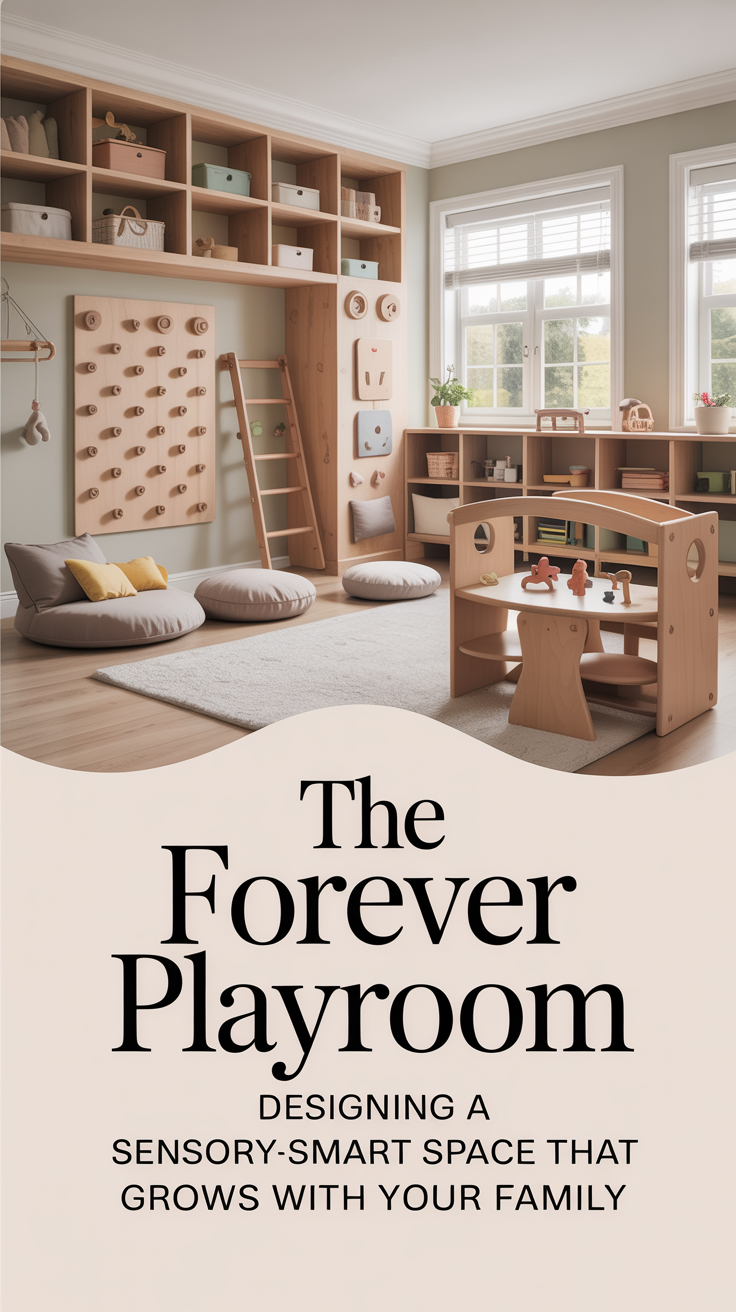
Allow me to introduce you to your Forever Playroom. It’s a thoughtfully designed, adaptable environment built on three game-changing principles: developmental responsiveness (it grows with your kids), multi-generational inclusion (it welcomes the whole family), and sensory-smart design (it works for every type of brain). To me it is design perfection: flexible, functional, and built to last!
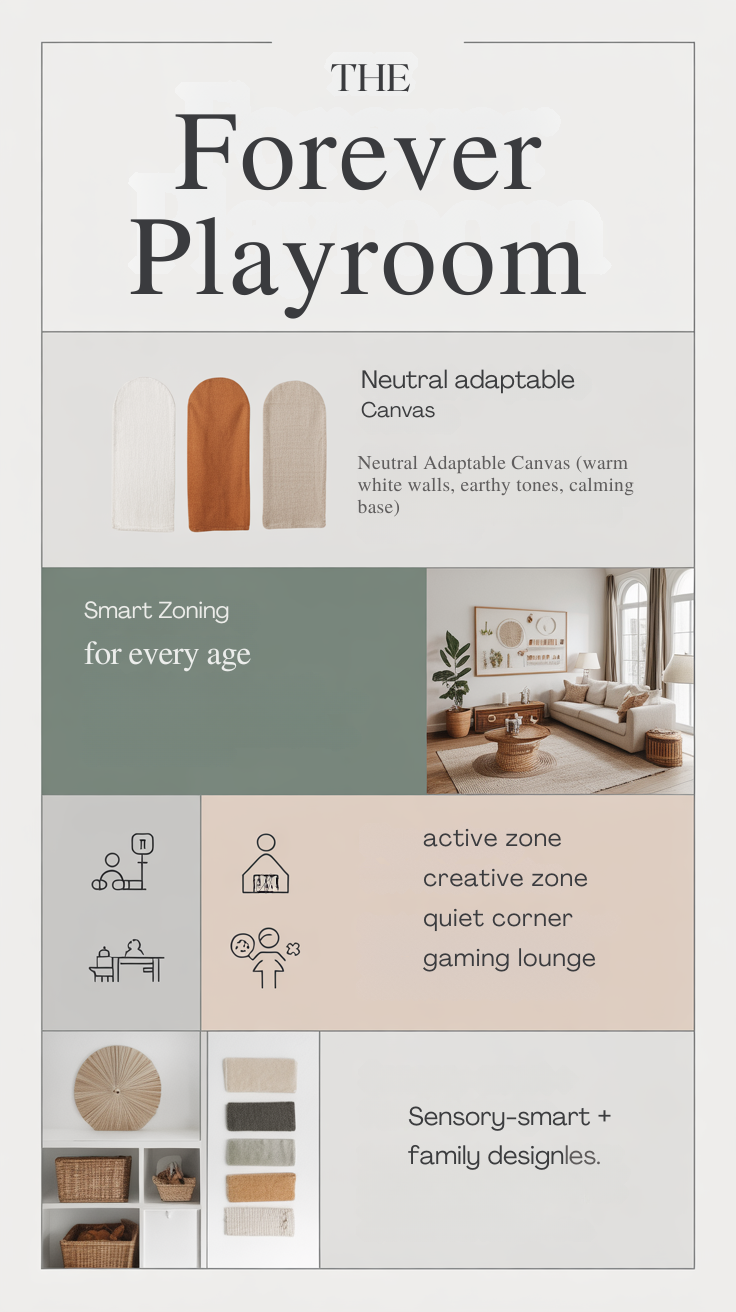
Core Ideas of the Forever Playroom
Before you start shopping for furniture or picking paint colors, let’s talk strategy. The secret to a playroom that stands the test of time isn’t about choosing the perfect theme. It’s about building a flexible foundation that can be easily updated as your family’s needs change.
Start with a Neutral, Adaptable Canvas
I know, I know. When you think “playroom,” you probably picture bright primary colors and cartoon characters everywhere. But I hope you can understand those fire-engine red walls and that bubblegum pink carpet that seem so perfect for a three-year-old are going to feel overwhelming, overstimulating, and probably a little embarrassing by the time your kid hits double digits.
The smarter move is to start with a calm, neutral base. I’m suggesting you start with maybe warm white, soft beiges, gentle greys, or subtle, earthy tones like sage green or dusty blue that will allow to you add intentional pops of color. This approach does a few really important things. First, it creates a visually calming environment, which is especially helpful for kids who get easily overstimulated. Second, it makes the room feel like an intentional part of your home, not some quarantined kids’ zone that clashes. And of course, it is also endlessly adaptable.
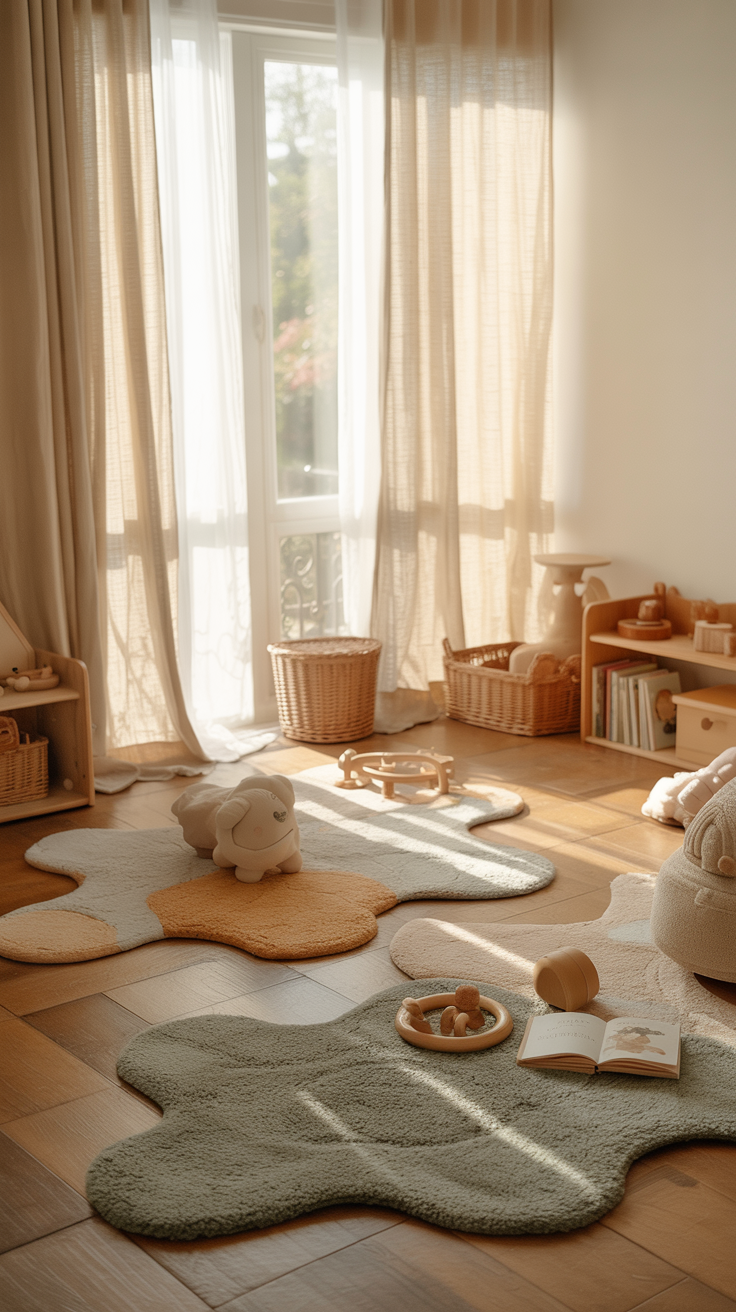
When your kid’s tastes inevitably shift from dinosaurs to Minecraft, the walls stay the same. You just swap out the accessories like new pillows or maybe a new lamp. It’s like giving the room a whole new personality without the hassle of a renovation.
Embrace Zoning for Harmony
Ever tried to read a book while someone’s blasting music three feet away? Not fun. The same principle applies to playrooms. If you want a space that can handle multiple kids (or multiple generations) doing different things at the same time, you need zones.
Zoning is just a fancy interior design term for dividing a room into different areas, each with its own purpose. You don’t need walls or dividers just intentional furniture placement, area rugs, different lighting, or even a subtle paint accent. Here are some zones to consider.
The Active Zone: where energy gets burned. This is open floor space with soft, durable flooring (think big rugs or foam mats) for climbing structures, a mini trampoline, a crash pad, or a swing.
The Creative Zone: arts and crafts headquarters. Ideally this space with have a hard, wipeable floor, a table with good seating, and tons of accessible storage for supplies. Wall-mounted paper rolls, pegboards, and clear bins are also great for this area.
The Quiet Corner: where kids go to decompress or read. A cozy reading nook with a comfy chair or beanbag and soft lighting. Also add in some low bookshelves to add to the cozy factor.
The Gaming Zone. This area gets more important as kids get older. The gaming zone is a place for board games and video games happen. A comfortable sofa or a pile of oversized floor cushions and some sort of coffee table or ottoman is all you need here.
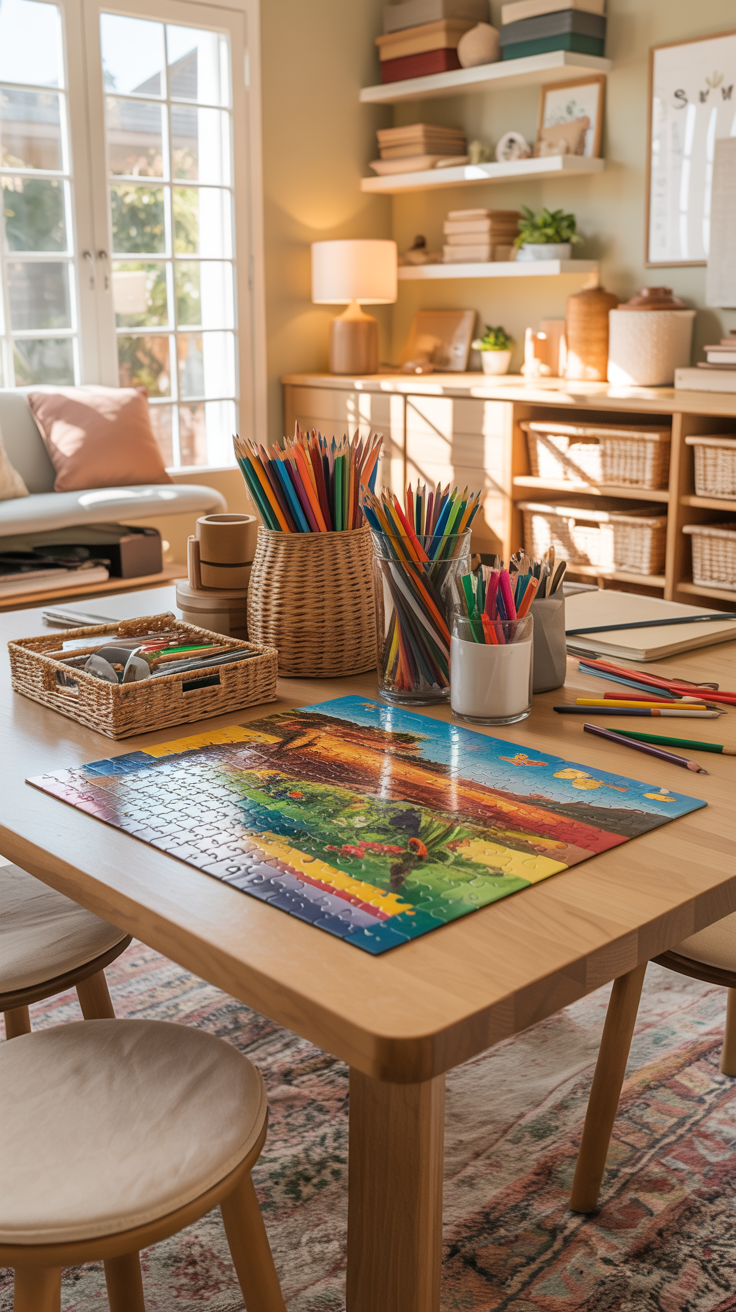
Focusing on these different zones, you are creating a space where your family can play in parallel or together: your toddler can build a block tower while your tween reads in the corner or plays a board game.
Invest in “Grown-Up” Furnishings and Smart Storage
Here’s a hard truth: that adorable miniature furniture is going to be useless in about two years. Instead of buying child-sized everything, invest in quality, full-sized pieces that can grow with your family. A well-made sofa with a washable slipcover isn’t just for the kids, it’s also where the whole family will gather for movie night. Same goes for tables and chairs. A standard-height table works for everyone, especially when you add a booster seat or standing tower for the littles.
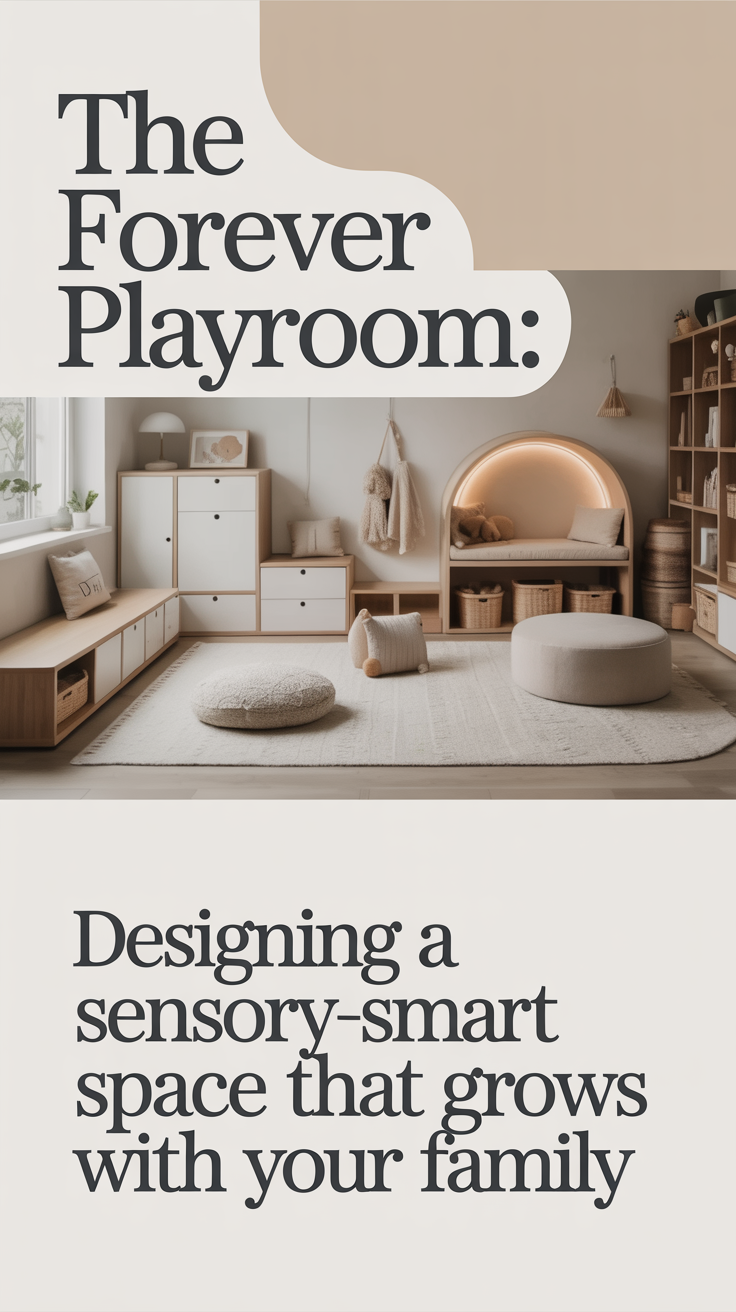
Now let’s talk storage, because without it, a playroom is complete chaos. The goal is to have enough storage that you can actually hide the visual clutter of toys. Deep cabinets, built-in closets, or large storage units with doors are ideal. We went with a IKEA Pax wall system with a desk in our playroom. Some of the cubbies have closed cabinets for storage, while other cubbies are left open to display different works of art. When you can close the doors and instantly transform the room from “toy explosion” to “calm family space,” you’ve won.
Inside your storage system, use a mix of open bins for toys in heavy rotation and smaller, labeled containers for things with lots of little pieces (hello, LEGO). The goal is to make it painfully easy for kids to put things away themselves. It’s about reducing overstimulation and teaching organizational skills from day one.
Designing for Every Age and Stage
A Forever Playroom isn’t static, it evolves. Every year I reassess how the current layout is working based on how we are using the space and adapt. By understanding what kids need at each stage of development, you can make simple tweaks that keep the space relevant and engaging from toddlerhood on.
The Toddler & Preschool Years: A World of Sensory Exploration
Toddlers and preschoolers are little sensory scientists, exploring the world through touch, movement, and experimentation. Your playroom should be their lab.
Gross Motor Skills: The Active Zone is everything right now. Low, soft climbing structures let them practice climbing and balancing safely. A small indoor slide with a crash pad at the bottom, or a securely mounted sensory swing, gives them the movement input their developing brains crave. Keep the floor soft and open for crawling and tumbling.
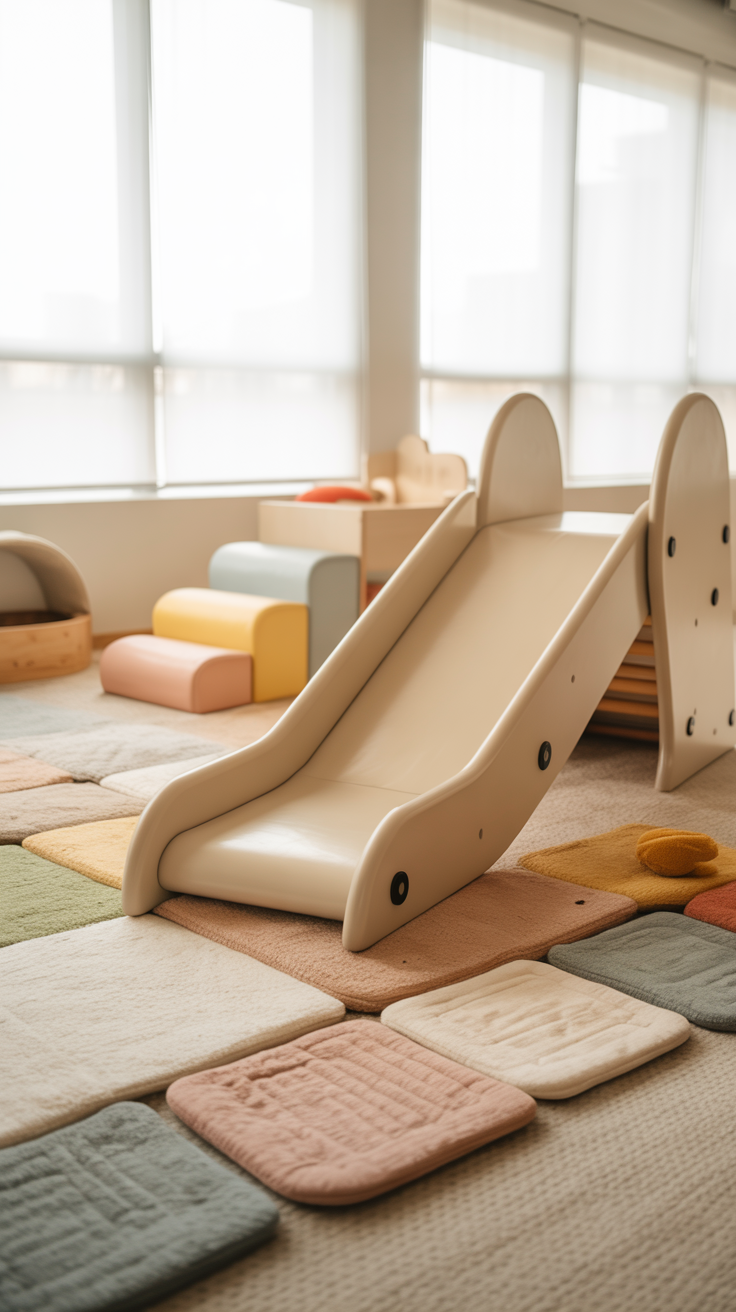
Sensory Overload (the Good Kind): Fill the room with different textures and experiences. A water table or sand table in the Creative Zone is pure magic for little hands. A light table makes colors and shapes mesmerizing. Don’t forget to stock up on non-toxic paints, chunky crayons, and play-dough to build those fine motor skills.
Imagination Zone: This is peak pretend-play age. A simple play kitchen, a basket of dress-up clothes, or a collection of animal figures and blocks can fuel hours of storytelling. The trick is to choose open-ended toys that can be used in multiple ways, not single-function gadgets that get boring fast.
Finally, keep storage low and accessible so kids can reach things themselves. This builds independence and confidence.
The Elementary Years: Fostering Skills and Independence
Once kids hit elementary school, play gets more structured. They need space for homework and more complex projects.
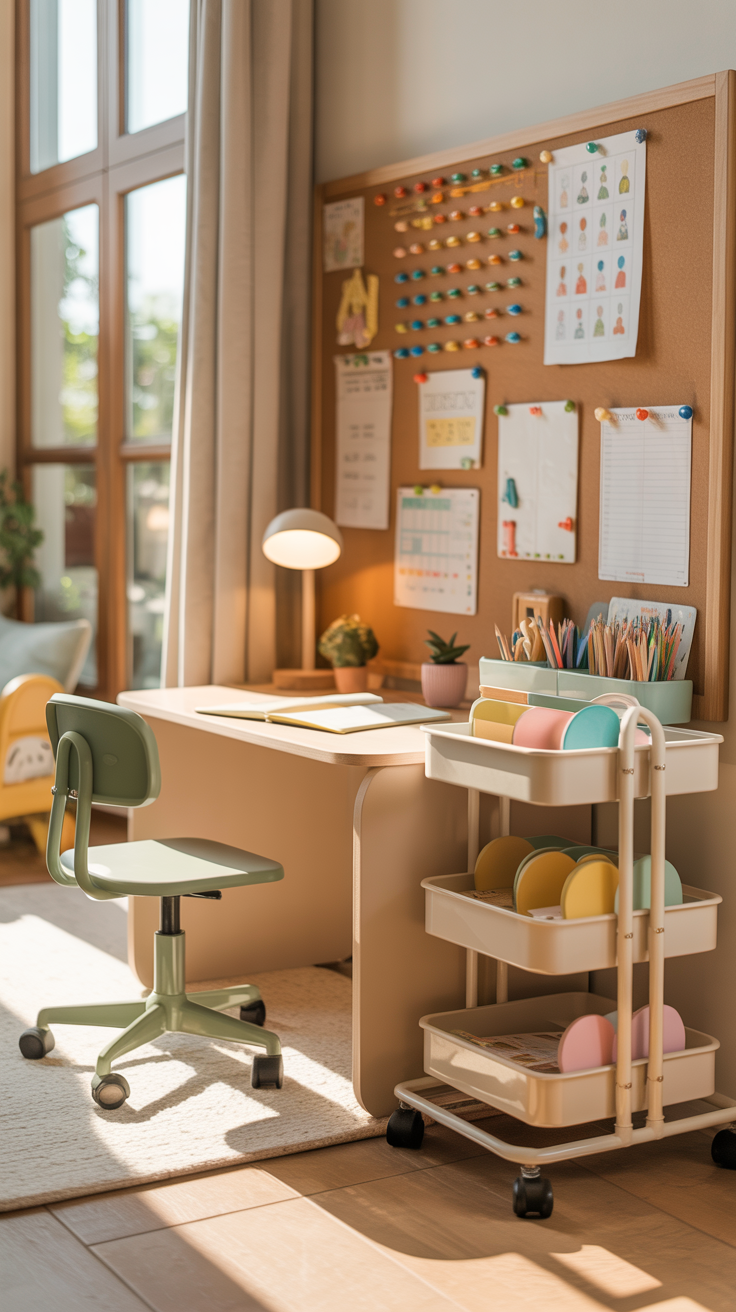
The Homework Zone: The Creative Zone starts to look more like a workspace. A larger, clutter-free desk or table with good lighting is essential. You may need to level up on organizational systems like wall-mounted shelves, a rolling cart for school supplies, labeled bins for paper and projects. Again, teaching kids to manage their own workspace is a life skill.
Advanced Building and Creating: That simple block corner? It might be time to reimagine that as a dedicated LEGO station, maybe with a table that has raised edges to contain all those tiny pieces. There are also some GREAT options under $100 on Amazon. We bought this one for my son last Christmas and I love the added drawers for storage. Add a large magnetic whiteboard or corkboard wall for displaying artwork, practicing spelling words, or brainstorming ideas. Introduce more sophisticated art supplies like model kits, advanced painting sets, maybe even basic sewing materials.
I will add that social skills are huge at this age. The Gaming Zone may soon become. the heart of the room. Make sure there’s enough seating for friends and a table big enough for elaborate board games. This is the perfect time to start building a family game library including classics like Monopoly and Clue, plus modern strategy games that challenge everyone. We also love family games like “What Do you Meme” for game nights.
The Tween & Teen Years: Cultivating Hobbies
Here’s where the “playroom” label starts to feel wrong. Your tween or teen isn’t going to want to hang out in a space that feels babyish. The Forever Playroom’s ultimate test is whether it can transform into a cool, mature hangout space that they actually want to use.
From Play to Lounge: The Active Zone might shrink or disappear entirely, replaced by a larger, more comfortable Social & Gaming Zone. The sofa becomes the star of the room. Update the vibe with new pillows, throws, and maybe some string lights or LED strips. Let your teen have a say in these choices, giving them ownership makes all the difference.
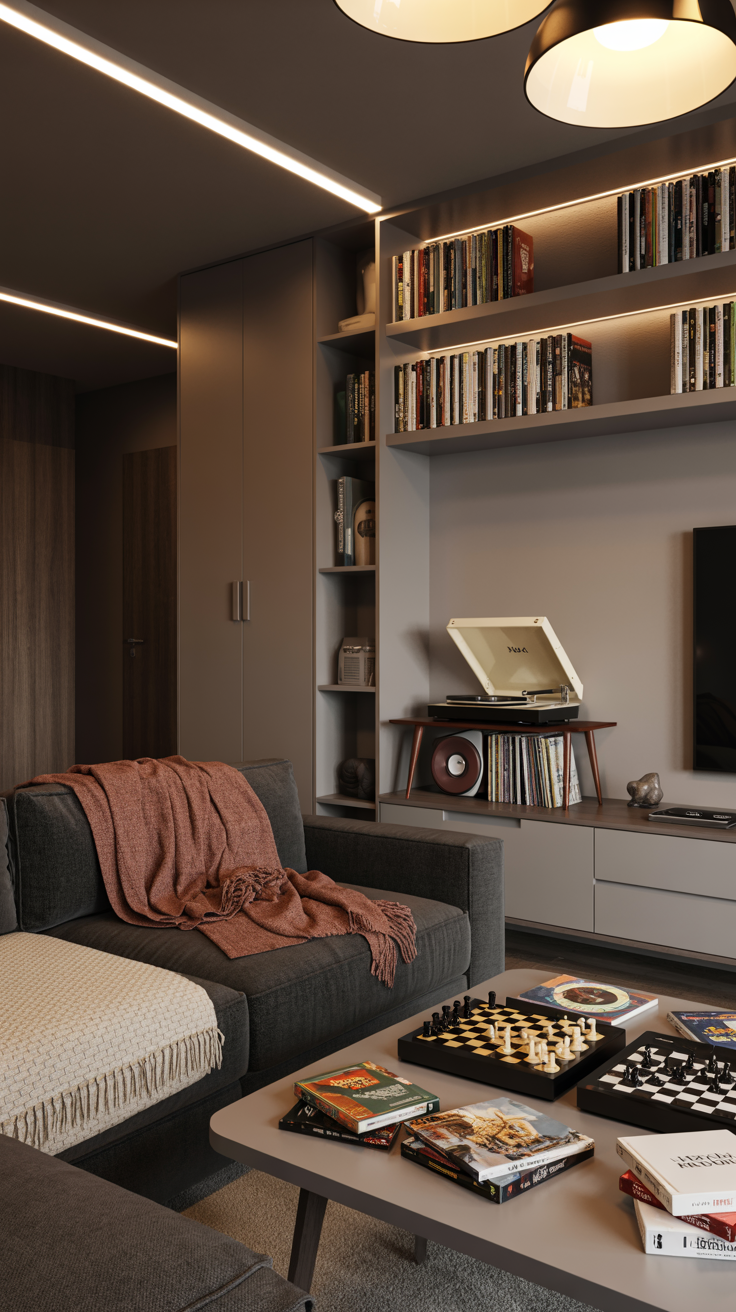
Tech Integration: Like it or not, technology is part of teenage life. Instead of fighting it, create a dedicated spot for it so they don’t want to sneak it into their bedrooms! A media unit can house a gaming console and TV, with smart storage for controllers and accessories. Make sure there are plenty of outlets and charging stations.
Personal Retreat: As much as teens need social space, they also need privacy. The reading nook can transform into a spot for listening to music, journaling, or just being alone. If you have room, add a desk for hobbies like 3D printing, coding, or art. The goal is to create a space that feels like their own personal retreat—somewhere they can hang with friends or comfortably be by themselves.
By adapting the room through these stages, you avoid the dreaded “abandoned playroom” syndrome. Instead, you create a space that grows up with your kids.
The Sensory-Smart Sanctuary : Designing for Every Brain
Here’s something most people don’t think about when designing a playroom: not all brains process sensory information the same way. Some kids are sensory seekers so they crave intense movement, sound, and touch. Others avoid sensory stimulation and get overwhelmed by bright lights, loud noises, and certain textures. A sensory-smart playroom respects this range and creates a balanced environment that works for everyone.
It’s universal design that makes the room more comfortable and functional for every single person who uses it.
Understanding the Core Sensory Systems
Beyond the five senses you learned in school, there are two “internal” senses that are crucial for how kids experience space.
The Vestibular System is your sense of balance and spatial orientation, controlled by your inner ear. It tells you where your body is in space and how it’s moving. Kids who are constantly spinning, swinging, and jumping? They’re seeking vestibular input.
The Proprioceptive System is your sense of body awareness, coming from receptors in your muscles and joints. It tells you where your body parts are and how much force to use. Activities that involve pushing, pulling, or deep pressure, like carrying heavy things or getting a tight hug provide proprioceptive input. This type of input is incredibly calming and organizing for the nervous system.
Creating a Sensory-Supportive Environment
Think of your playroom as a “sensory toolbox” that offers different tools to help kids regulate their nervous systems. You want a balance of stimulating and calming options.
For the Sensory Seeker: These kids need safe outlets for their craving for intense input. The Active Zone is their paradise.
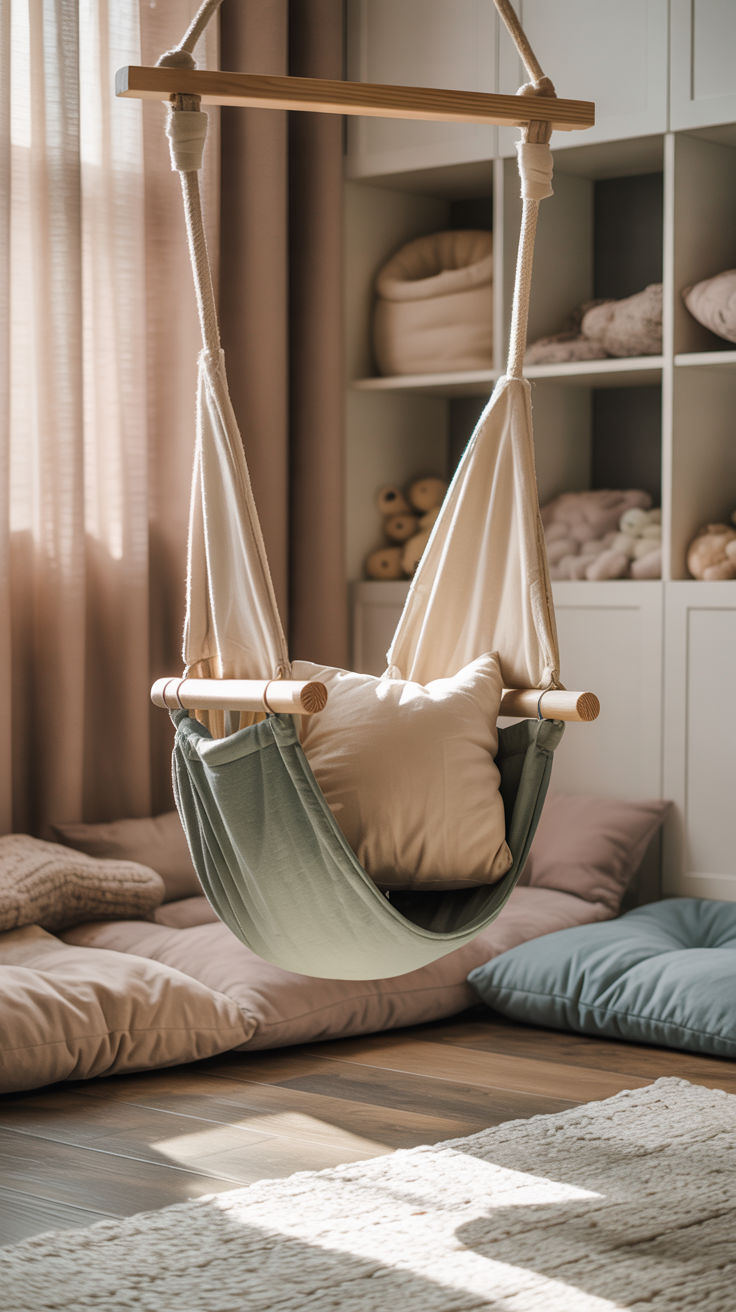
Vestibular Input: A securely mounted indoor swing is gold. You can choose a platform swing, a stretchy Lycra swing that provides deep pressure, or a spinning pod swing. All are excellent. My daughter who struggles with an overactive nervous system loves this swing.
Proprioceptive Input: A crash pad (basically a giant, thick cushion) is perfect for safe jumping and crashing. A small indoor trampoline provides both movement and “heavy work” for the muscles. A weighted blanket or lap pad in the Quiet Zone can help them focus or calm down.
Climbing: A climbing wall with rock holds or a rope ladder provides that muscle-and-joint workout that’s so organizing for active brains.
For the Sensory Avoider (or for Calming Down): These kids need a predictable, low-stimulation sanctuary. The Quiet Zone is their safe haven.
Enclosed Spaces: Many kids find comfort in small, cozy spaces. A fabric canopy hanging from the ceiling, a pop-up tent, or even the space under a loft bed can become a calming retreat. These spots reduce visual and auditory input, creating a sense of safety.
Adjustable Lighting: Harsh fluorescent lights are pretty much never a good thing (anywhere, if you ask me). Use warm, dimmable LED lights instead. A bubble tube or slow-moving color projector can provide gentle, mesmerizing visual input that’s calming rather than stimulating.
Noise Management: Keep a pair of noise-canceling headphones in the Quiet Zone for sound-sensitive kids. Soft furnishings like rugs, curtains, and upholstered furniture absorb ambient noise and reduce echo.
A Multi-Sensory Approach to Materials and Design
Beyond specific equipment, the materials and design choices you make can create a rich sensory experience.
Tactile Design: Mix up textures throughout the room. A soft, high-pile rug in the Quiet Zone. A smooth, cool hardwood floor in the Creative Zone. Another “texture bin” filled with kinetic sand, water beads, or dry pasta. Pillows and blankets in different fabrics: chunky knit, smooth cotton, soft fleece. Let kids explore and discover what feels good to them.
Visual Design: That neutral color palette we talked about? It’s not just aesthetic, it’s also sensory smart. Calm colors reduce visual overstimulation. Avoid busy patterns and clutter. Use closed storage to hide toy chaos. Maximize natural light, which is proven to boost mood and regulation. Add blackout curtains for when you need a dark, calming environment.
Auditory Design: Think about how sound moves through the room. Soft surfaces prevent echo. Provide positive auditory input too, like basket of musical instruments or a smart speaker for calming music.
A Space for the Whole Family
Here’s the final piece of the Forever Playroom puzzle: making it a space that the entire family actually wants to use. This isn’t just a kids’ room that adults tolerate, it’s a genuine family hangout where everyone can feel comfortable.
The Family Game and Hobby Center
One of the easiest ways to make the room multi-generational is to stock it for shared activities that everyone enjoys.
A Game Library: Dedicate a cabinet or shelf to a well-curated collection of board games and card games. Include classics like chess, checkers, and Scrabble that grandparents can teach to grandkids, plus modern strategy games that challenge teens and adults. A sturdy, standard-height table in the Social & Gaming Zone is perfect for game nights.
Flexible Hobby Space: If you have room, a larger table can serve as a family hobby station. We just recently bought the cardboard box cutting power tool, called the Chompsaw and we have all had the best time playing with it! The. flex hobby space is where you work on a jigsaw puzzle over several days, build complex model kits, create cool stuff with the Chompsaw, lay out beading kids to make bracelets or bag charms, or work on other family craft projects. The beauty is having a dedicated space where ongoing projects can stay set up without being in the way.
Upscale Gaming: For families who are into it, classic game tables like foosball, air hockey, or even a small pool or ping-pong table can transform the room into an all-ages recreation zone. Modern designs are sleek and stylish, not the clunky eyesores of decades past.

Designing for Adult Comfort
Adults won’t hang out in a space that’s physically uncomfortable. Period. So prioritize furnishings that actually feel good.
Comfortable, Full-Sized Seating: This is non-negotiable. A deep, comfortable sofa or a pair of inviting armchairs with good back support makes all the difference. This is where parents relax while supervising play, where grandparents sit and read while being part of the action, and where teenagers lounge with friends.
Good Lighting and Amenities: As always, layer your lighting! Have a combo of ambient overhead light, task lighting for reading or hobbies, and soft accent lighting for cozy evenings. A small mini-fridge stocked with drinks and snacks, or a coffee and tea station is “extra” to really elevate the space into a lounge atmosphere.
Integrated Technology: A wall-mounted smart TV serves everyone. Educational programs for kids, gaming sessions for teens, movie nights for the family. A quality Bluetooth speaker provides the soundtrack for everything from toddler dance parties to relaxed adult conversations.
A Space That Tells the Family’s Story
Finally, make the room uniquely yours by turning it into a living archive of your family’s journey.
A Gallery Wall: Dedicate one wall to a rotating display of family photos, children’s artwork, and meaningful mementos. Use matching frames or picture ledges to keep it cohesive and stylish. This celebrates creativity and chronicles your family’s growth over time. OR, try this project one of my favorite crafts of all time to turn your kids art into a giant canvas.
Display Shelves for Treasures: Use floating shelves to showcase not just toys, but objects that represent everyone’s interests like travel souvenirs, a grandparent’s handcrafted model, a teenager’s photography prints. It’s personal, it’s meaningful, and it makes the space feel like home.
When you intentionally design the playroom with every generation in mind, something beautiful happens. That’s the true power of the Forever Playroom: a space that genuinely grows with, and for, your entire family.