

In our world today, everything from our groceries to our wardrobes can be delivered with the click of a button. And for years, the prevailing aesthetic was defined by perfectly matched furniture sets, stark minimalism, and the instant gratification of “fast furniture.” We bought entire rooms out of catalogs, prioritizing convenience and a cookie-cutter sense of modernity over individuality. But today, a different approach is gaining undeniable momentum. We are witnessing the renaissance of the “effortlessly collected” home—a design philosophy that honors layered living, personal storytelling, and spaces that evolve organically over time.
The effortlessly collected home is exactly what it sounds like: an interior that appears as though it has been thoughtfully assembled over years, rather than decorated in a single weekend. It is a space where a mid-century modern chair sits comfortably next to an antique French farmhouse table, where contemporary abstract art hangs above a weathered vintage console, and where every object has a story to tell. This look is not about achieving perfection; it is about embracing authenticity. It is a rebellion against the sterile, cookie-cutter rooms of the past decade, offering instead a warm, inviting environment that reflects the unique journey, tastes, and experiences of the people who live there.
Why is this look resonating so strongly right now? The answer lies in a collective yearning for comfort, sustainability, and personal expression. As the world goes more digital and fast-paced, I think we are all craving physical spaces that feel grounded and real. We want homes that wrap us in a sense of history and belonging. Also as awareness of the environmental impact of fast furniture grows, with millions of tons of cheap, mass-produced decor ending up in landfills each year, more people are turning to vintage, antique, and heirloom pieces. The collected home is not just an aesthetic choice; it is a sustainable, mindful way of living that prioritizes craftsmanship and longevity over fleeting trends.
The Philosophy Behind the Collected Home
To truly nail the effortlessly collected look, one must first understand that it is a mindset, not merely a trend to be copied. It is rooted in the concept of “slow decorating.” Slow decorating is the antithesis of the makeover shows that promise a completely transformed house in 24 hours. Instead, it is the patient, deliberate process of finding the right pieces over time. It requires you to live in a space, understand how it functions, and let its design unfold naturally.
When you embrace slow decorating, you free yourself from the pressure of having a “finished” home. A collected interior is never truly done; it is a living, breathing entity that grows and changes as you do. You might find the perfect rug on a trip to Morocco, inherit a beautiful mirror from a grandparent a year later, and stumble upon a quirky lamp at a local flea market months after that. Each addition adds a new layer of depth and character to the room.
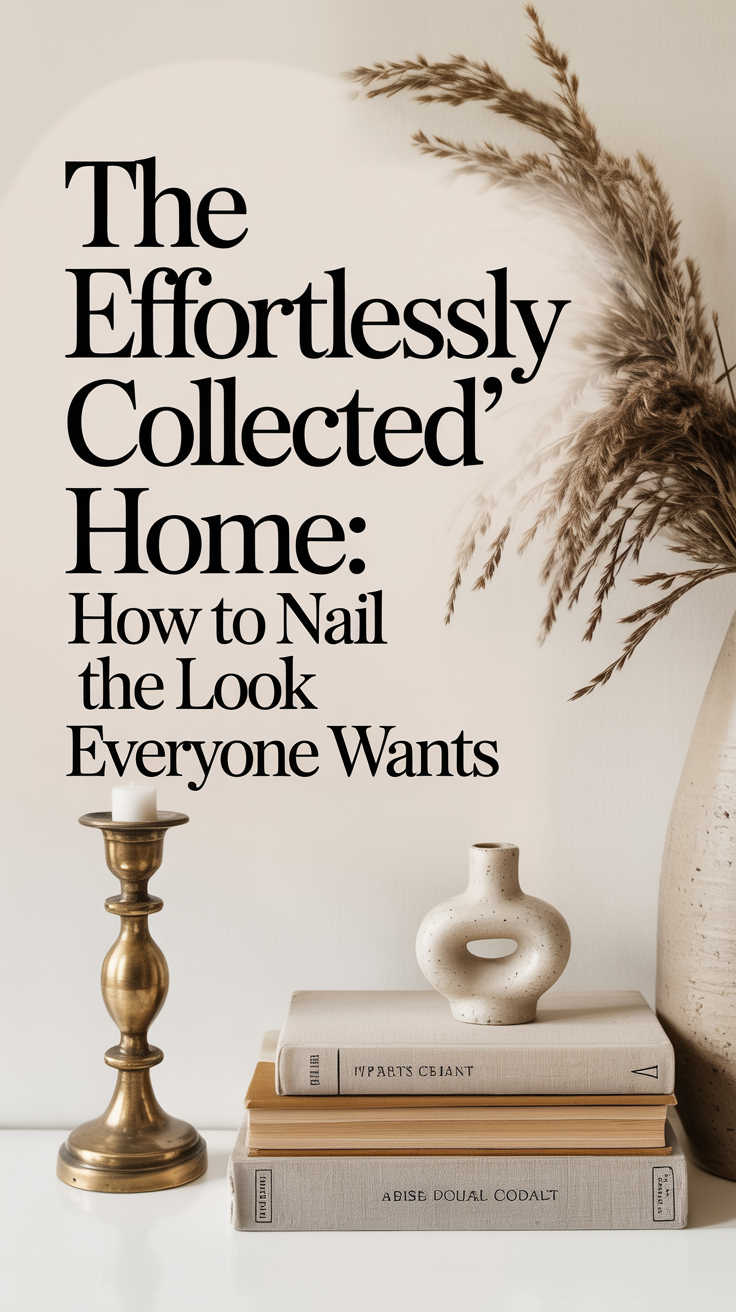
This philosophy also challenges the notion that everything must match. In fact, the matching furniture set is the enemy of the collected home. Buying a matching sofa, loveseat, and armchair is a shortcut that flattens a room, stripping it of visual interest and personality. The collected approach asks you to be a curator—part hunter, part editor—selecting individual pieces that speak to you and finding ways to make them converse harmoniously within a space. It is about creating a dialogue between different eras, materials, and styles.
Finally, the collected home also embraces imperfection. A scratch on a leather chair, the patina on an unlacquered brass candlestick, or the slightly faded colors of an antique Persian rug are not flaws to be hidden; they are badges of honor. They signify that an object has lived a life before it came to you, adding a layer of soul and history that cannot be replicated by something fresh off a factory assembly line.
The Core Elements of a Collected Interior
While the collected home is highly personal and subjective, there are several core design principles that help achieve that elusive “effortless” vibe. Without these foundational elements, an eclectic mix of items can quickly devolve into a chaotic jumble.
- Mixing Eras and Styles Without Apology The magic of a collected room lies in the tension between different periods and styles. If a room is entirely traditional, it can feel stuffy and museum-like. If it is entirely modern, it can feel cold and clinical. The sweet spot is in the mix. Imagine a sleek, contemporary sofa paired with a rustic, heavily distressed wooden coffee table. The clean lines of the sofa highlight the texture and history of the table, and vice versa. This juxtaposition creates a dynamic energy that keeps the eye engaged. Do not be afraid to place a modern acrylic lamp on an ornate Victorian desk, or to surround a minimalist dining table with mismatched vintage chairs.
- Layering Textures and Finishes Texture is the secret weapon of interior designers, and it is absolutely crucial in a collected home. When you mix different materials, you add physical and visual warmth to a space. A room that relies too heavily on one texture—say, smooth, shiny surfaces—will feel flat. To create depth, layer contrasting textures: the roughness of a jute rug against the smoothness of polished hardwood floors; the softness of a velvet pillow against the crispness of a linen sofa; the matte finish of a terracotta vase next to the gleam of a lacquered tray. This tactile variety invites people to touch and interact with the space, making it feel inherently more comfortable and lived-in.
- Establishing a Unifying Thread With so many disparate elements in a room, you need a unifying thread to tie everything together and prevent the space from feeling disjointed. Most often, this thread is color. A cohesive color palette acts as the glue that binds a collected room. You do not need to stick to a rigid two-color scheme, but having a foundational palette—perhaps grounded in warm neutrals, earthy tones, or a specific family of blues and greens—helps disparate pieces feel like they belong together. If you have a vibrant, multi-colored vintage rug, pull one or two colors from it and echo them in your throw pillows, artwork, or lampshades. This repetition of color creates a subconscious sense of order and calm.
- Varying Shapes and Scales A room full of boxy, rectangular furniture will feel rigid and static. To achieve a collected look, you must vary the shapes and silhouettes of your pieces. Introduce curves to soften the hard angles of a room. Pair a square sofa with a round coffee table, or place a sculptural, undulating armchair next to a linear bookcase. Similarly, pay attention to scale and proportion. Every object should relate in size to the things around it. A massive, overstuffed sofa will dwarf a delicate, spindly side table. Ensure that your anchor pieces have enough visual weight to ground the room, while supporting pieces and accessories provide balance without overwhelming the space.
The Art of the Hunt: Sourcing for the Collected Look
Creating a collected home requires a shift in how and where you shop. You cannot simply walk into a big-box retailer and buy a curated look. Sourcing becomes an adventure, a treasure hunt that takes you across different venues and platforms.
Global Discovery and Travel Travel is one of the most enriching ways to build a collected home. The items you bring back from your journeys carry the memories of those experiences, embedding your personal history directly into your decor. Whether it is a handwoven textile from a market in Oaxaca, a piece of pottery from a village in Italy, or a small painting from a street artist in Paris, these global discoveries add cultural texture and unique narratives to your space.
Flea Markets, Antique Fairs, and Estate Sales For those who love the thrill of the hunt, local flea markets, antique fairs, and estate sales are goldmines. These venues offer objects with craftsmanship and history that rarely appear in mass retail. When shopping at these places, look past the dust and envision the potential of a piece. A solid wood dresser with a damaged finish can be sanded and restained; a vintage chair with great bones can be reupholstered in a modern fabric. The key is to look for quality materials—solid wood, real brass, heavy glass—and unique silhouettes.
The Digital Marketplace The internet has democratized the world of antiques and vintage decor, making it easier than ever to source unique pieces from the comfort of your couch. Online marketplaces like Chairish, 1stDibs, and Etsy connect buyers with dealers and artisans worldwide. For more budget-friendly options, Facebook Marketplace, Craigslist, and local auction sites are invaluable resources. Digital hunting requires patience and frequent checking, as the best pieces often sell quickly. Use specific search terms and be willing to negotiate or arrange for shipping to get that perfect item.
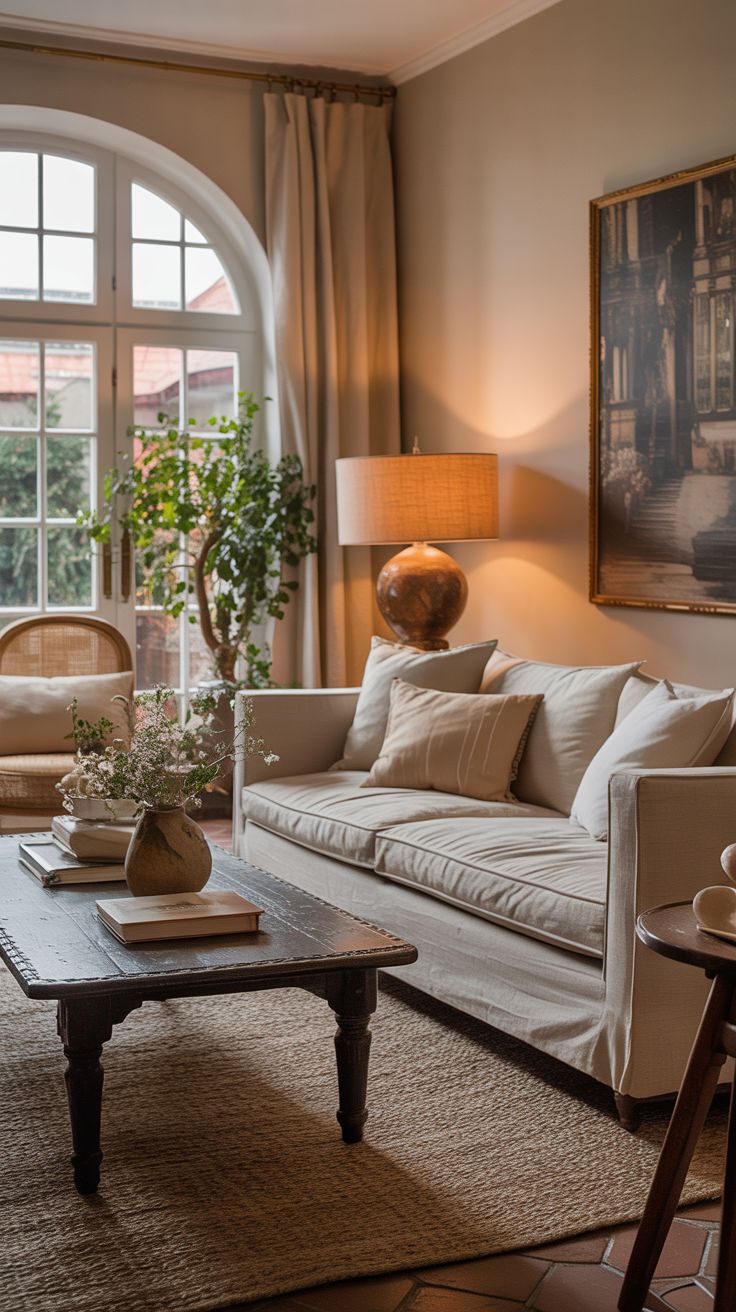
Embracing Heirlooms and Hand-Me-Downs Do not overlook the pieces that are already in your family. Inherited furniture or decor items carry an emotional weight that cannot be bought. Even if a piece does not perfectly align with your current style, consider how it might be integrated or updated. A dark, imposing antique dining table can be lightened up by surrounding it with modern, airy chairs. A collection of vintage china can be displayed in a contemporary, minimalist cabinet. Blending your family’s history with your own aesthetic is the very essence of the collected home.
The Art of the Mix: Styling Without Clutter
One of the greatest challenges of the collected home is walking the fine line between “curated” and “cluttered.” When you love collecting beautiful things, it is easy to cross over into a space that feels overwhelming and chaotic. The difference between a collected room and a cluttered one is not necessarily the number of items, but how they are arranged and edited.
The Power of Editing Creating a collected look is as much about what you leave out as what you put in. Not every surface needs to be covered, and not every wall needs to be filled. Embrace negative space—the empty areas around your furniture and decor. Negative space gives the eye a place to rest and allows your favorite pieces to truly stand out. If a room feels too busy, try the “clear the deck” method: remove all the small accessories and decor items from the room, leaving only the foundational furniture. Then, slowly add pieces back in one by one, stopping when the room feels balanced but not full.
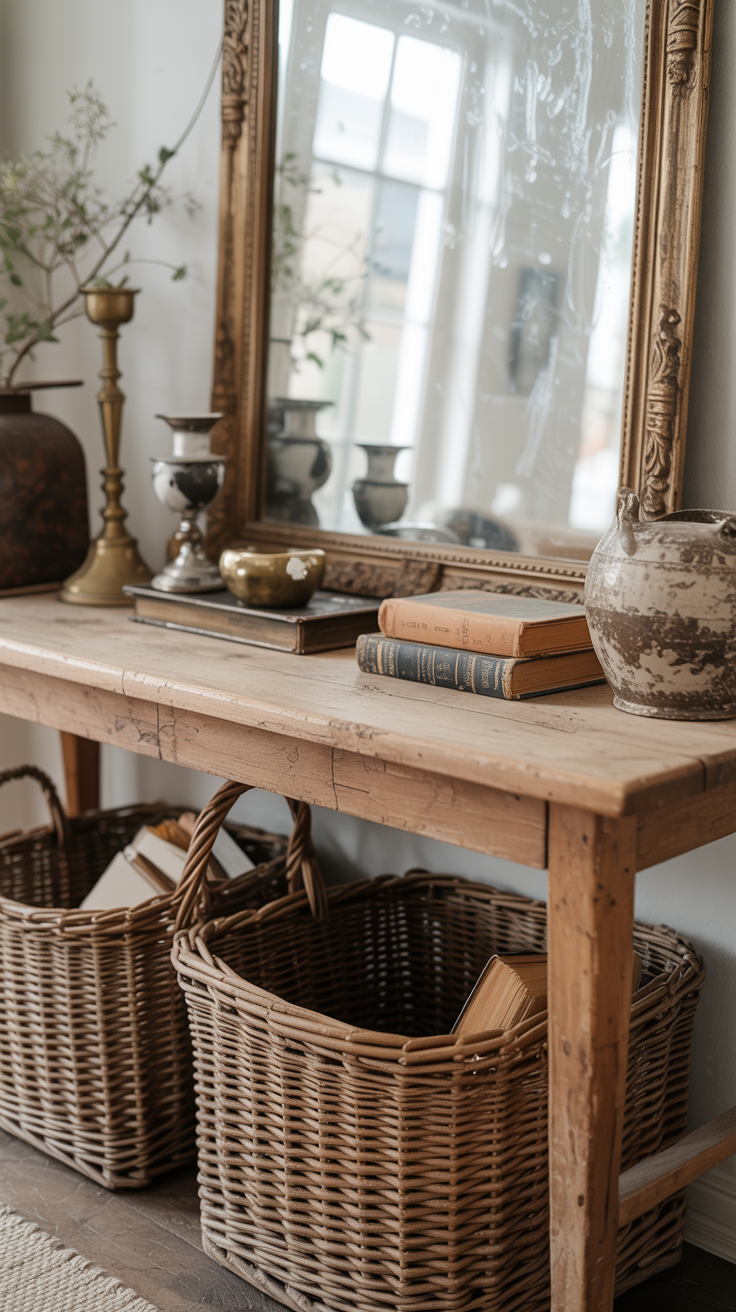
Creating Intentional Vignettes A vignette is a small, curated grouping of objects that tells a story or creates a focal point. Rather than scattering your decor evenly across a console table or bookshelf, group items together intentionally. A successful vignette usually relies on the rule of threes (or odd numbers), varying heights, and a mix of textures. For example, on a sideboard, you might group a tall, textured ceramic lamp (high), a stack of vintage art books (medium), and a small, shiny brass bowl (low). This grouping creates a visual triangle that is pleasing to the eye. By clustering your decor into intentional vignettes, you create structured moments of interest rather than a chaotic spread of objects.
Establishing Hierarchy In any room, there should be a clear hierarchy of visual importance. If every piece of furniture and every piece of art is screaming for attention, the room will feel exhausting. Decide what the focal point of the room is—perhaps it is a stunning antique fireplace, a large-scale piece of modern art, or a beautifully patterned vintage rug. Let that piece be the star, and ensure that the surrounding elements play a supporting role. If you have a loud, colorful rug, opt for a more subdued, neutral sofa. If your walls are covered in an intricate wallpaper, keep your window treatments simple. Balance is key.
Displaying Your Life: Gallery Walls and Collections
A collected home is deeply personal, and there is no better way to showcase your personality than through the display of art and collections. However, displaying these items requires a thoughtful approach to avoid looking like a disorganized thrift store.