

A small bedroom is not a limitation — it is an invitation to design with intention. Whether you are working with a studio apartment, a guest room, or a cozy urban flat, the right combination of layout choices, furniture, color, and storage can completely redefine how your space looks and feels. This guide walks you through 18 expert-backed ideas, each one designed to help you reclaim space, reduce clutter, and create a bedroom that feels both larger and more personal.
Why Small Bedrooms Feel Cramped — And How to Fix It
Most small bedrooms feel cramped not because of their size, but because of how they are used. Oversized furniture, poor lighting choices, cluttered surfaces, and wasted vertical space all conspire to make a room feel smaller than it actually is. The good news is that each of these problems has a practical, design-forward solution. Understanding the root cause of spatial discomfort is the first step toward transforming a tight room into a thoughtfully curated retreat.
- Oversized or bulky furniture consumes visual and physical floor space.
- Poor use of vertical wall space leaves the room feeling low and dense.
- Clutter on surfaces creates visual noise that shrinks perceived space.
- Dark colors and inadequate lighting absorb rather than reflect light.
- Every square foot counts — and every square foot can be optimized.
1. Reclaim Your Floor Space With a Murphy Bed
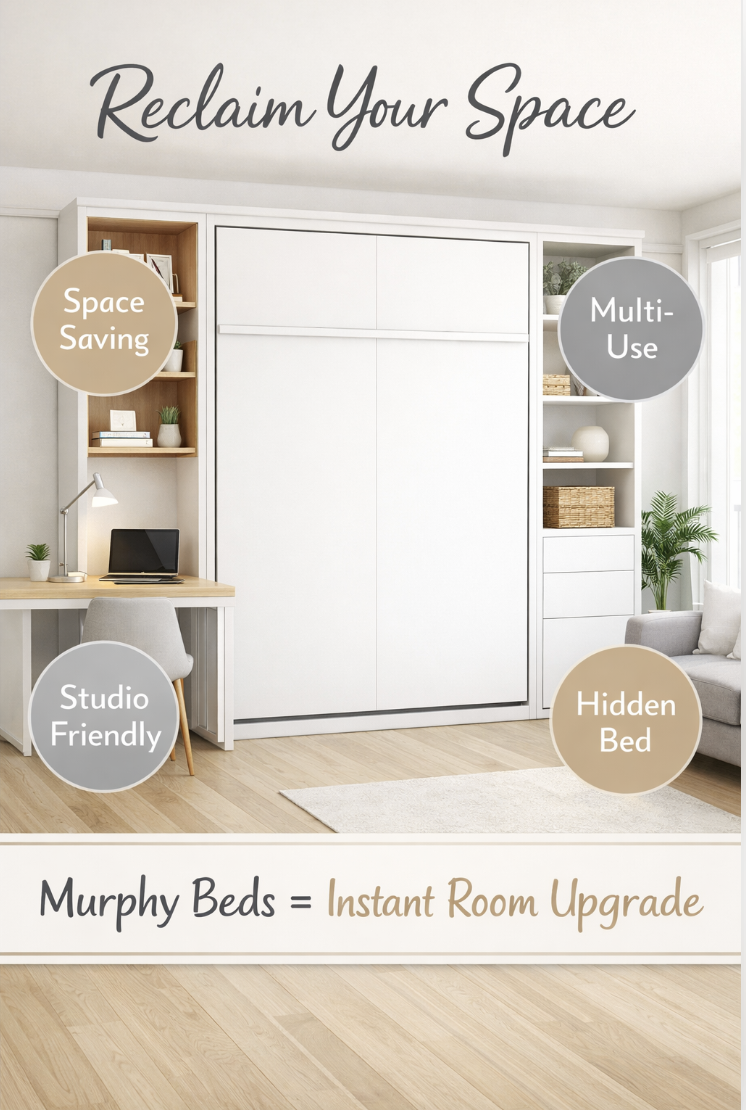
Of all the furniture upgrades available to small bedroom owners, the Murphy bed — also known as a wall bed or fold-down bed — stands alone as the single most transformative investment you can make. When folded into the wall during the day, it instantly converts your sleeping area into a fully functional living, working, or exercise space. Modern Murphy bed systems go far beyond a simple mattress on a hinge: today’s designs incorporate built-in shelving, integrated desks, hidden storage compartments, and even sofa configurations that make the transition from bedroom to multipurpose room completely seamless.
- Frees up the entire floor footprint of a bed during waking hours.
- Modern designs include built-in desks, shelves, and storage units.
- Available in styles from sleek contemporary to classic wood finishes.
- Pair with rolling storage bins for linens and clothing.
- Ideal for studio apartments, guest rooms, and home offices that double as bedrooms.
2. Floating Shelves: Storage Without the Footprint
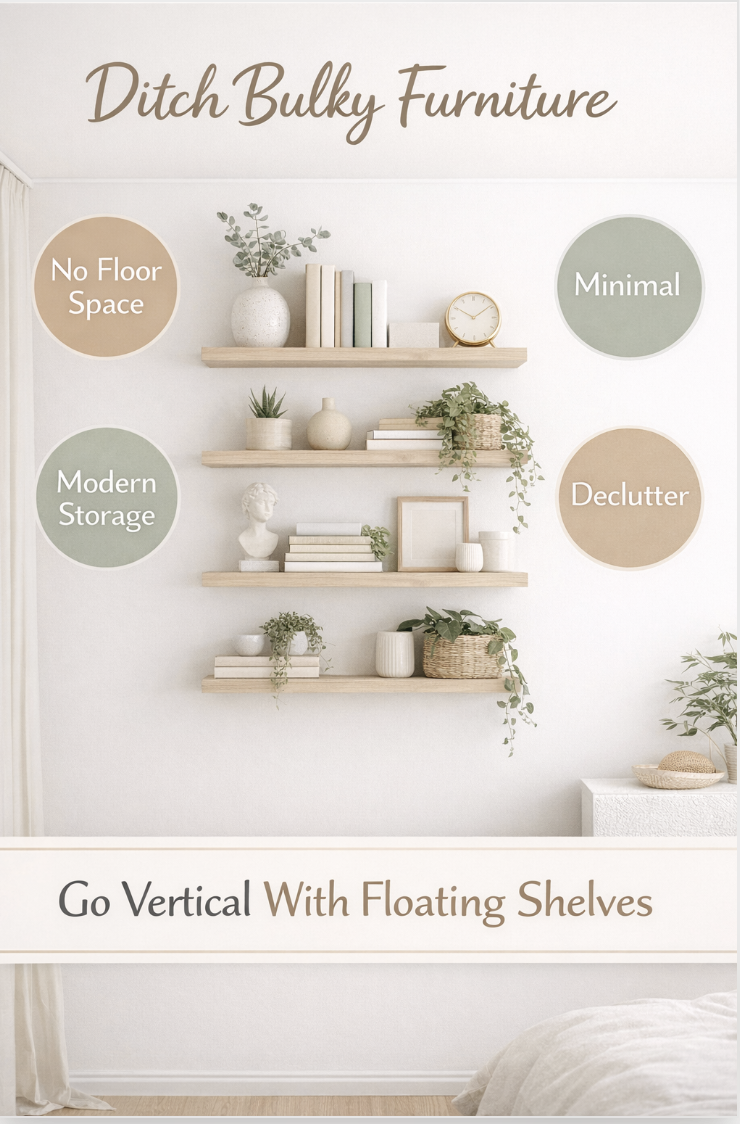
Traditional bookcases are among the most space-hungry pieces of furniture you can place in a small bedroom. They sit on the floor, claim wall real estate from baseboard to mid-height, and create a visual barrier that makes rooms feel boxed in. Floating shelves solve all of this at once. By mounting directly to the wall with no visible supports touching the floor, they deliver the same storage capacity while preserving the open, airy feeling that makes a small room breathable. Materials range from reclaimed wood on sleek metal brackets to minimalist glass panels that practically vanish against the wall.
- Eliminate the floor footprint of traditional freestanding bookcases.
- Available in wood, metal, glass, and acrylic finishes to suit any aesthetic.
- Arrange books vertically alongside plants and decorative objects for visual interest.
- Add hooks beneath shelves to store accessories, keys, and jewelry.
- Transform functional storage into an attractive, gallery-style display.
3. Think Tall: Vertical Storage Changes Everything
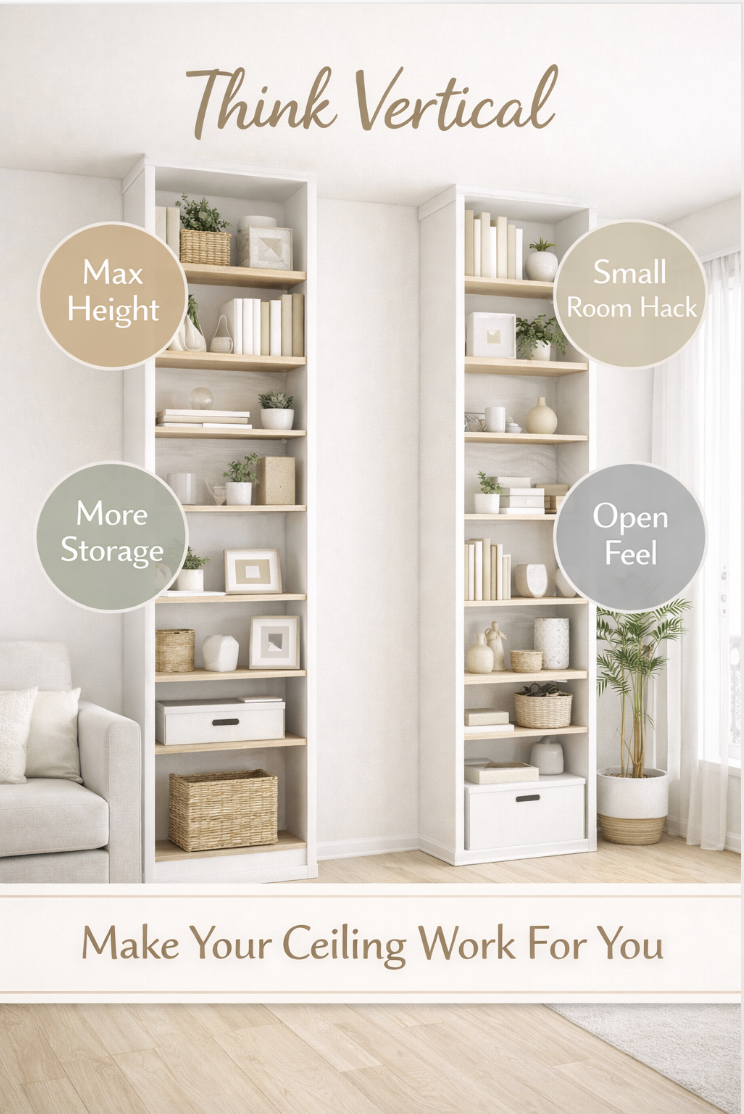
The human eye naturally follows vertical lines upward, and this principle of visual perception is one of the most powerful tools available to small-bedroom designers. When you install tall, narrow storage units that stretch from floor to ceiling, you create unbroken vertical lines that guide the gaze skyward — making low ceilings feel taller and cramped rooms feel more expansive. This effect is amplified by strategic styling: arrange books vertically rather than horizontally, place taller decorative objects on upper shelves, and consider trailing plants that cascade downward from elevated positions to reinforce the sense of height.
- Vertical lines trick the eye into perceiving greater ceiling height.
- Floor-to-ceiling units create the most dramatic spatial illusion.
- Arrange books and objects vertically to reinforce upward movement.
- Trailing plants on upper shelves add organic height and visual interest.
- Adjustable shelving allows customization as storage needs evolve.
4. Your Bed Can Do Double Duty as a Storage Powerhouse
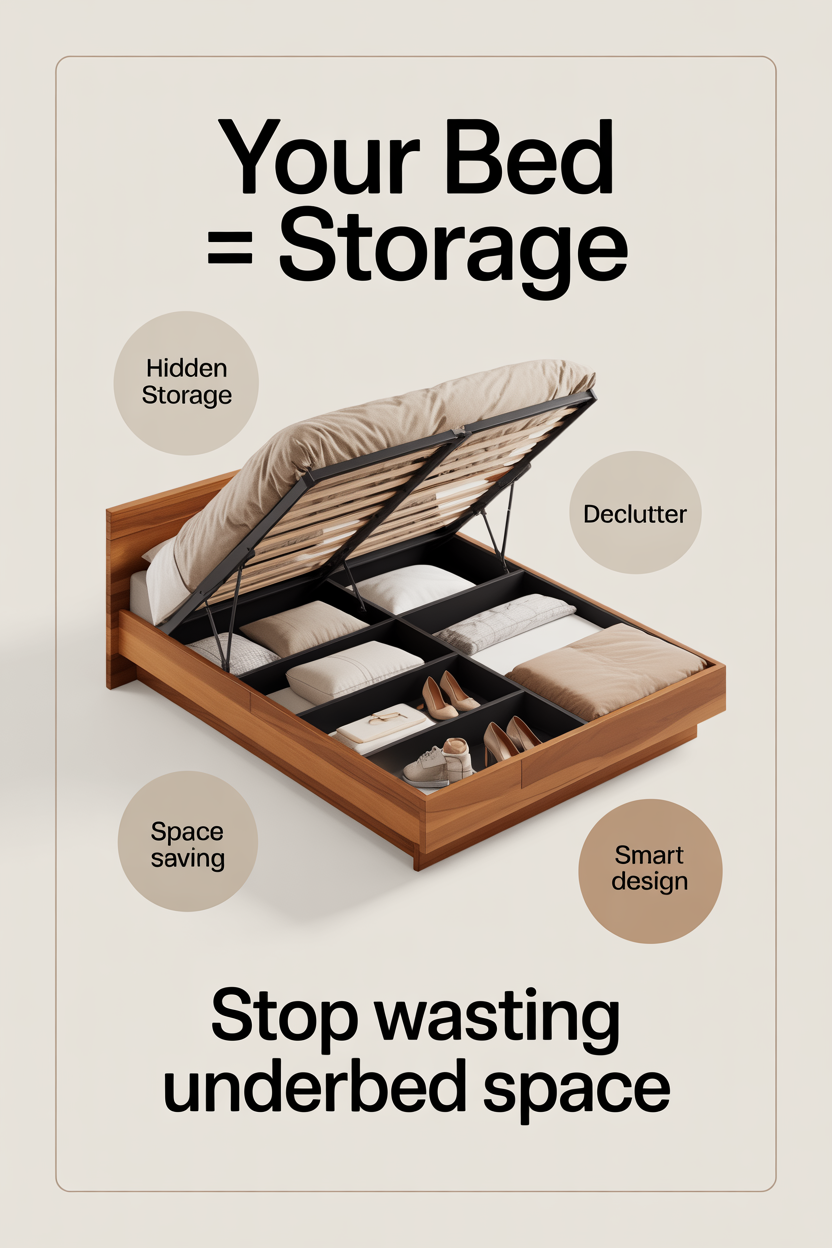
The space beneath a standard bed is one of the most consistently wasted areas in any bedroom. A storage bed frame changes that entirely. By choosing a platform bed with built-in drawers or a captain’s bed with deep pull-out compartments on both sides, you instantly convert dead space into organized, accessible storage for off-season clothing, extra linens, shoes, and personal items that would otherwise pile up in an already-strained closet. The result is a cleaner room, a more functional closet, and a sleeping area that works harder without looking any busier.
- Converts the underbed void into organized, accessible storage.
- Platform designs offer discreet pull-out compartments with a sleek profile.
- Captain’s beds feature multiple deep drawers on both sides of the frame.
- Ideal for storing off-season clothing, extra bedding, and shoes.
- Pair with flat, wheeled bins to maximize every remaining inch of underbed space.
5. Mount Curtains at Ceiling Height for an Instant Room Lift
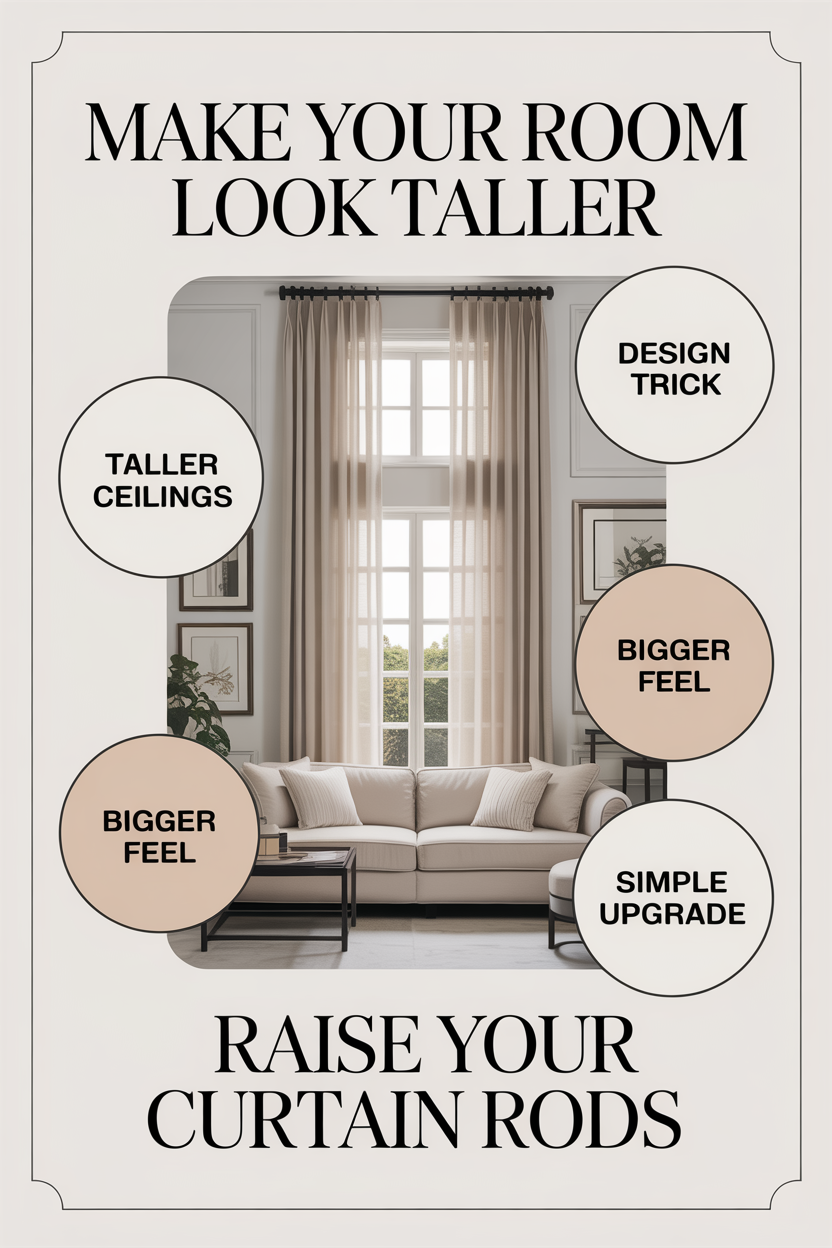
One of the simplest and most cost-effective tricks in small-bedroom design requires nothing more than repositioning your curtain rod. Instead of mounting it directly above the window frame — the default choice for most people — move it to within an inch or two of the ceiling. This single adjustment creates the visual impression that your walls are taller, your windows are grander, and your entire room is more spacious. Floor-length curtain panels reinforce the effect by creating a continuous vertical line from ceiling to floor, drawing the eye upward and elongating the room’s proportions.
- Mount curtain rods 1–2 inches below the ceiling, not above the window frame.
- Floor-length panels create an unbroken vertical line from ceiling to floor.
- Works with virtually all curtain styles: sheers, linen, velvet, and structured panels.
- Lightweight linen is ideal for small bedrooms — airy, light-filtering, and elegant.
- Pairs beautifully with other vertical design strategies for a cohesive effect.
6. Light Colors Expand Space — The Science Behind the Strategy
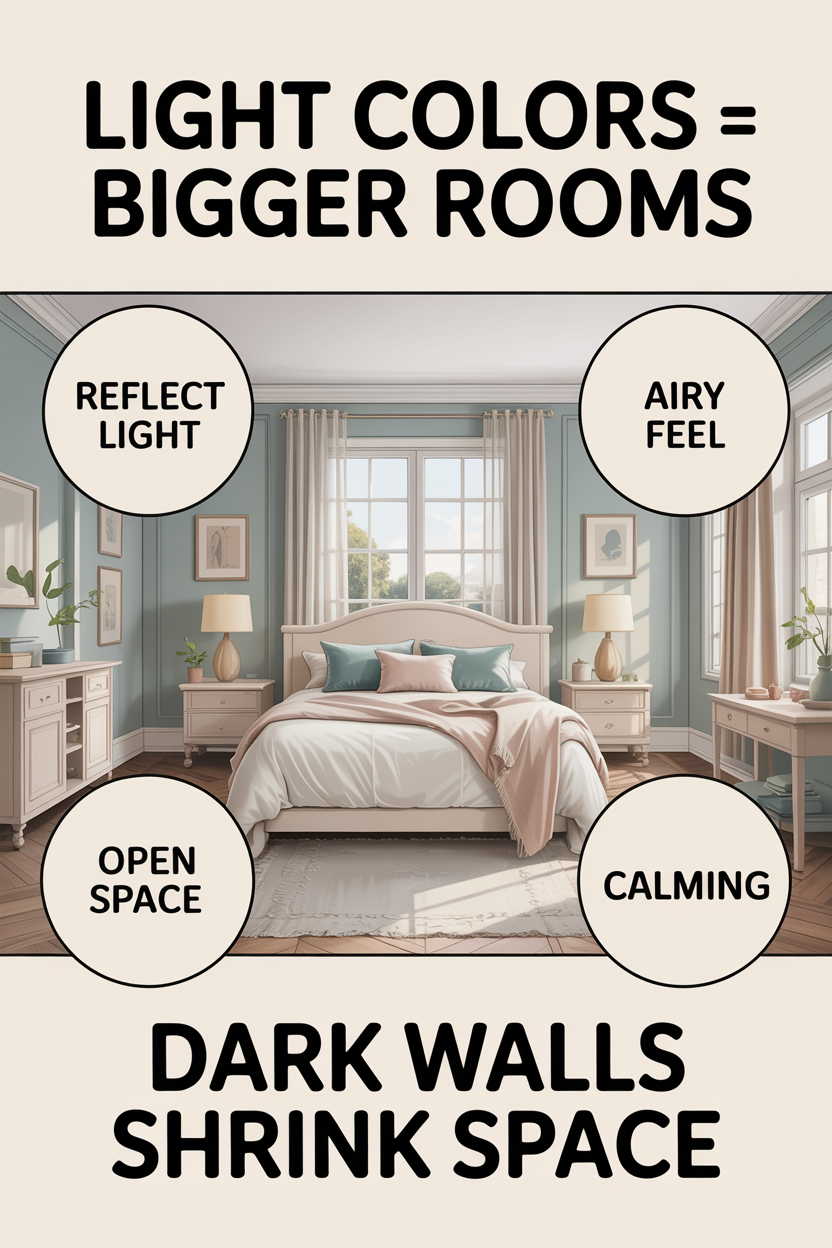
Color is one of the most immediate and impactful tools in the small-bedroom designer’s toolkit. Light colors — whites, creams, soft grays, pale blues, and w