

A comfortable living room is rarely the result of one dramatic purchase. It comes together through a sequence of practical decisions: how the seating works, where the light lands, what the eye notices first, and which details make the room feel genuinely lived in.
These living room decorating ideas are designed to be mixed rather than copied as a formula. Start with the two or three changes that solve a real problem in your space, then layer in personality over time. The result should feel composed, useful, and unmistakably yours.
1. Begin with a Rug That Defines the Conversation Area
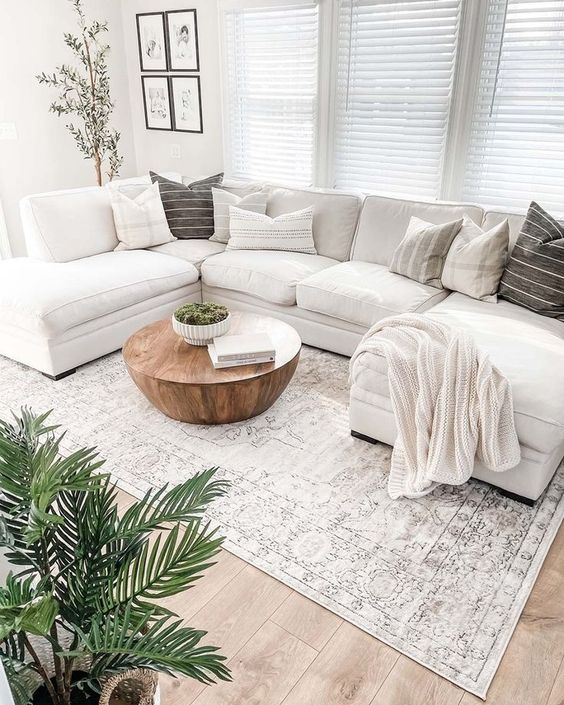
Treat the rug as the visual foundation for the seating zone, not as a small accent floating in the middle of the floor. A generously scaled rug connects the sofa, chairs, and table so the layout reads as one intentional gathering space.
Key Details
- Let the front legs of major seating pieces rest on the rug.
- Choose a low-contrast pattern when the room already has several focal points.
- Use wool, cotton, jute, or a washable blend according to the room’s daily demands.
Pro Tip: Before ordering, mark the rug dimensions with painter’s tape; it is the fastest way to check whether the proportion feels generous.
2. Give the Main Sofa Room to Breathe
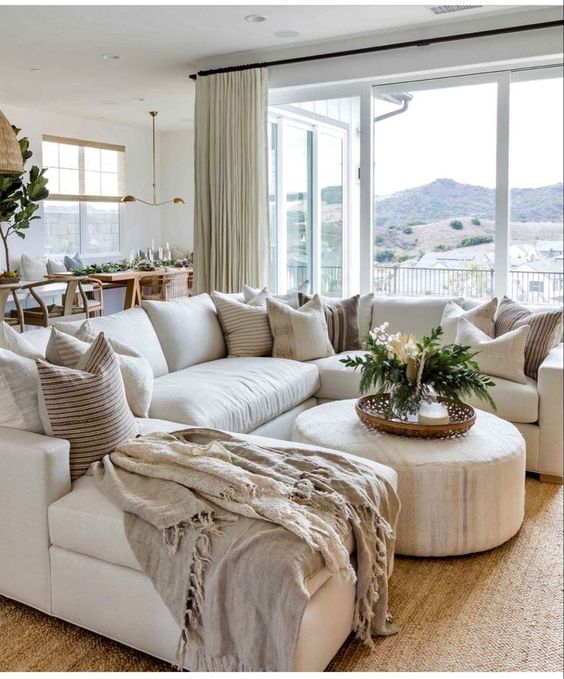
A sofa should anchor the room without pinning every other piece to the wall. Pull it forward when possible, leaving a clear path behind it or beside it, and aim for a layout that lets people talk without turning their bodies toward a screen.
Key Details
- Keep a comfortable walking route around the seating group.
- Match the sofa depth to the room rather than automatically choosing the largest option.
- Use the sofa back to define zones in an open-concept plan.
Pro Tip: If the sofa faces a television, angle a chair toward both the sofa and the view so the room supports conversation as well as watching.
3. Choose an Ottoman That Earns Its Footprint
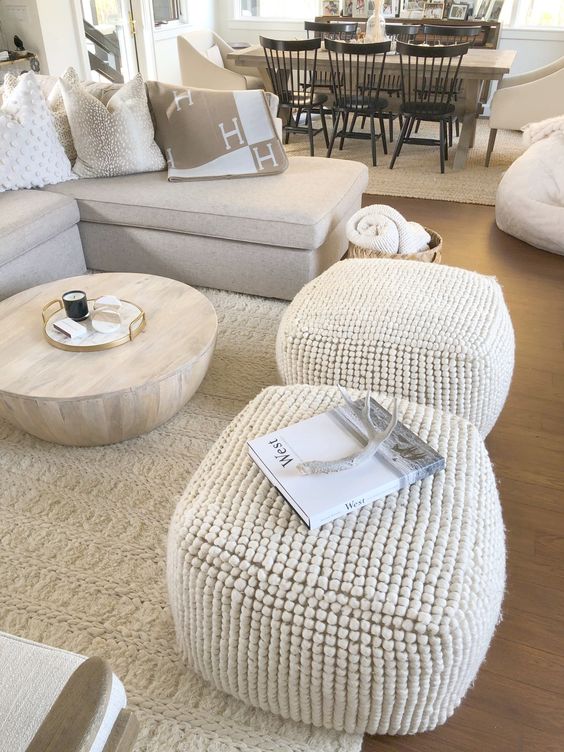
An upholstered ottoman can soften a seating arrangement while providing a place to prop up feet, offer an extra perch, or hold a tray for drinks. Its rounded edges are especially helpful in tight layouts or homes with energetic traffic patterns.
Key Details
- Use a firm tray when the ottoman needs to function as a table.
- Keep the ottoman roughly proportional to the sofa’s visual weight.
- Select a durable textile for a high-use family room.
Pro Tip: A pair of smaller ottomans offers more flexibility than one large piece and can be separated when guests arrive.
4. Turn One Corner into a Destination
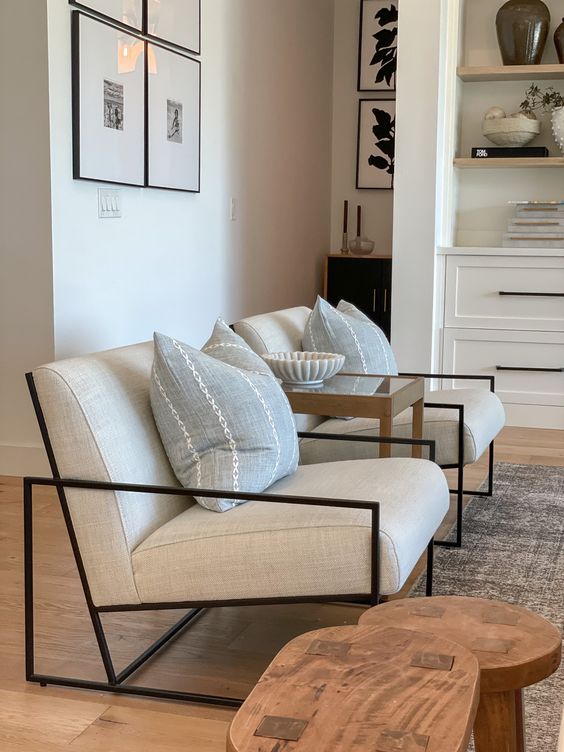
A lone chair feels purposeful when it has a job: reading, talking, enjoying a window view, or balancing the visual weight of a large sofa. Add a small table and a nearby light so the chair becomes a usable mini-zone rather than a decorative afterthought.
Key Details
- Choose a silhouette that contrasts with the sofa’s shape.
- Leave enough elbow room between the chair and its side table.
- Use a distinctive fabric to introduce a second layer of color or texture.
Pro Tip: Try placing the chair at a slight angle instead of square to the wall; the change often makes the entire arrangement feel more welcoming.
5. Place Side Tables Where Life Actually Happens
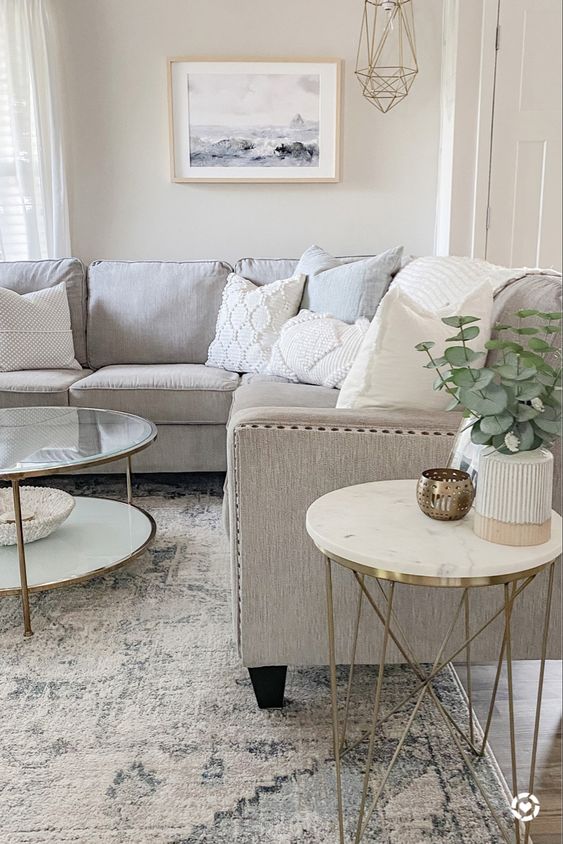
The most successful side tables are close enough to hold a drink, a book, or a lamp without forcing anyone to stretch. Mixing one slender table with one substantial table can make a room feel collected while still meeting everyday needs.
Key Details
- Aim for a tabletop near the seat cushion height.
- Use a compact pedestal table where the room’s circulation is tight.
- Choose a lower shelf only if it will be edited and used, not filled by default.
Pro Tip: Check every seat in the room for a nearby landing spot; that simple audit often reveals which table is missing.
6. Layer the Light Instead of Relying on One Fixture
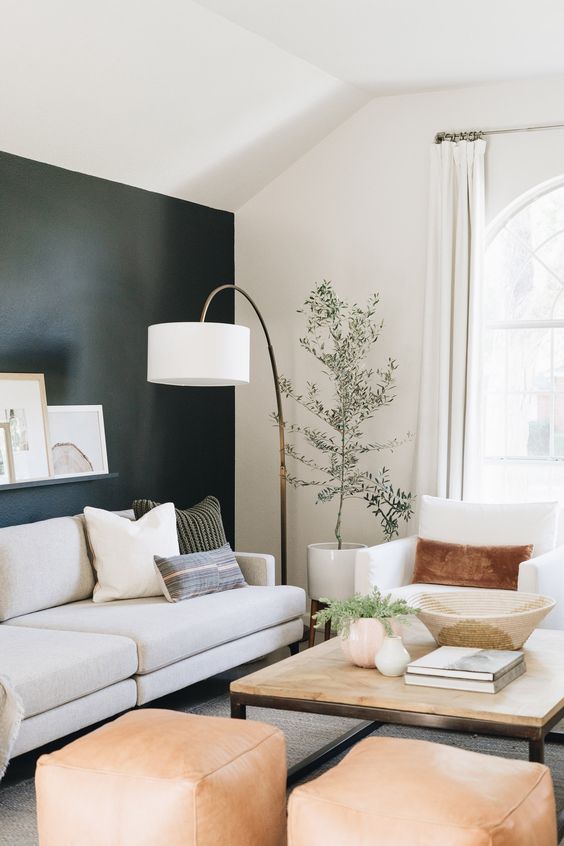
A living room feels more relaxed when light comes from several heights rather than one bright source overhead. Combine ambient light with a focused reading light and a softer accent light to create depth at different times of day.
Key Details
- Use table lamps to give low surfaces a warm glow.
- Position a floor lamp beside a chair or at the end of a sectional.
- Put key lighting on dimmers when electrical work allows.
Pro Tip: Turn on lamps from different parts of the room in the evening; if one area looks dim or uninviting, add light there instead of increasing the overall brightness.
7. Make the Ceiling Light Part of the Composition
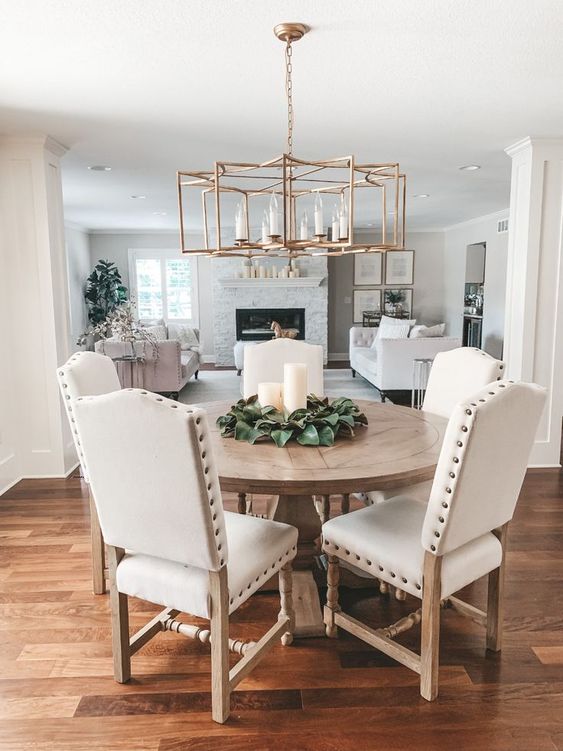
A sculptural pendant or chandelier can give the room a strong center without crowding the floor. The key is choosing a fixture that complements the scale of the furniture and leaves enough clear space around it to be appreciated.
Key Details
- Center the fixture on the seating arrangement rather than automatically on the room.
- Repeat one material from the fixture elsewhere in small doses.
- Select a design that looks pleasing both on and off.
Pro Tip: Use the coffee table or central ottoman as a visual guide when deciding where a statement fixture should hang.
8. Use Sconces to Frame a Feature
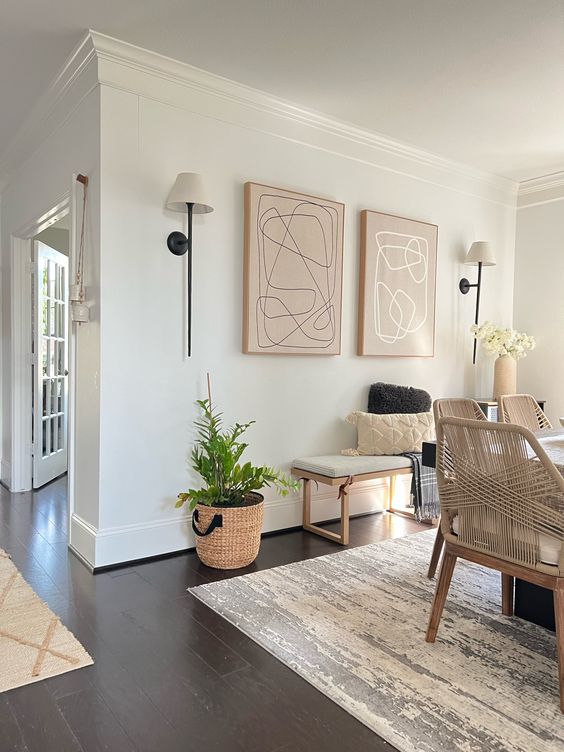
Wall sconces bring a tailored, architectural feel to a living room and free up precious tabletop space. They work beautifully as a pair around art, a mirror, a fireplace, or a built-in bookcase.
Key Details
- Choose a projection that does not interfere with walking paths.
- Use adjustable sconces where people read or work.
- Keep the finish in dialogue with the room’s existing hardware.
Pro Tip: Plug-in sconces are a useful option when you want the look of hardwired lighting without opening the wall.
9. Give the Coffee Table a Clear Role
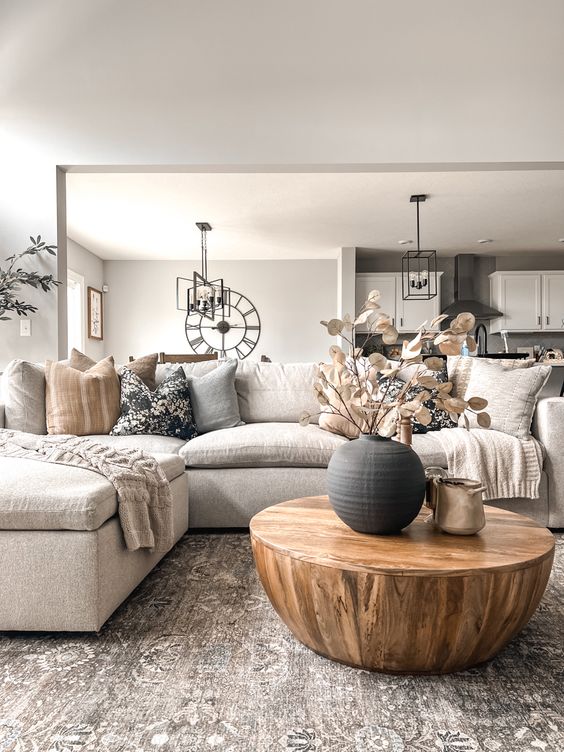
A coffee table should make the seating group easier to use, not obstruct it. Choose a shape that suits the circulation pattern, then style only a portion of the surface so there is still room for a remote, a mug, or a casual game night.
Key Details
- Choose round or oval forms for narrow pathways and sharp-cornered rooms.
- Keep a comfortable gap between the table and seating.
- Use a tray to corral smaller objects and make clearing the surface easy.
Pro Tip: If a coffee table feels too heavy visually, consider a glass top, open base, or two smaller nesting tables.
10. Bring in Warmth with Natural Fiber
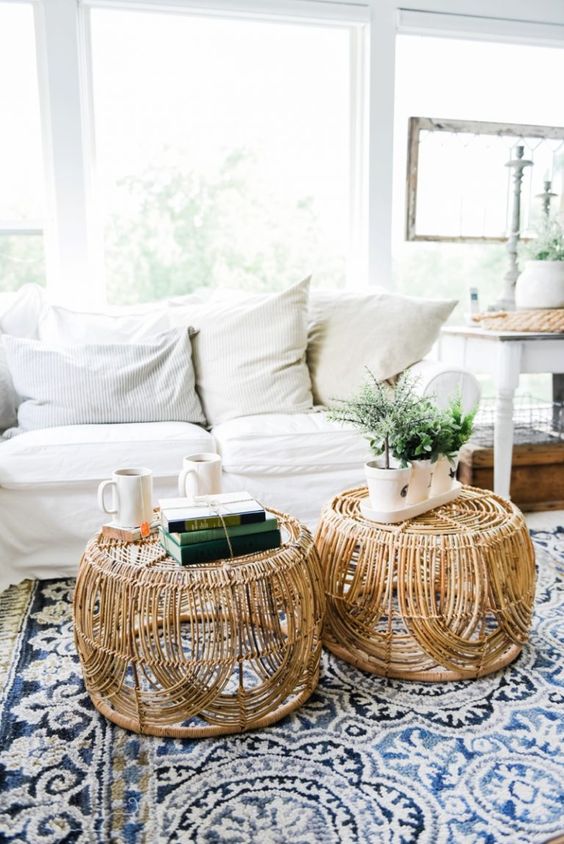
Rattan, cane, woven grass, and pale wood can keep a living room from feeling overly polished or flat. These materials are most effective when used as punctuation: a chair, a table, a basket, or a lampshade can be enough to introduce warmth.
Key Details
- Balance woven materials with softer fabrics and smoother finishes.
- Use a basket to hide everyday blankets or children’s toys.
- Choose a natural finish that works with the wood undertones already present.
Pro Tip: One warm, textured material repeated twice will look more intentional than many unrelated rustic accents.
11. Let a Bookcase Reveal What You Love
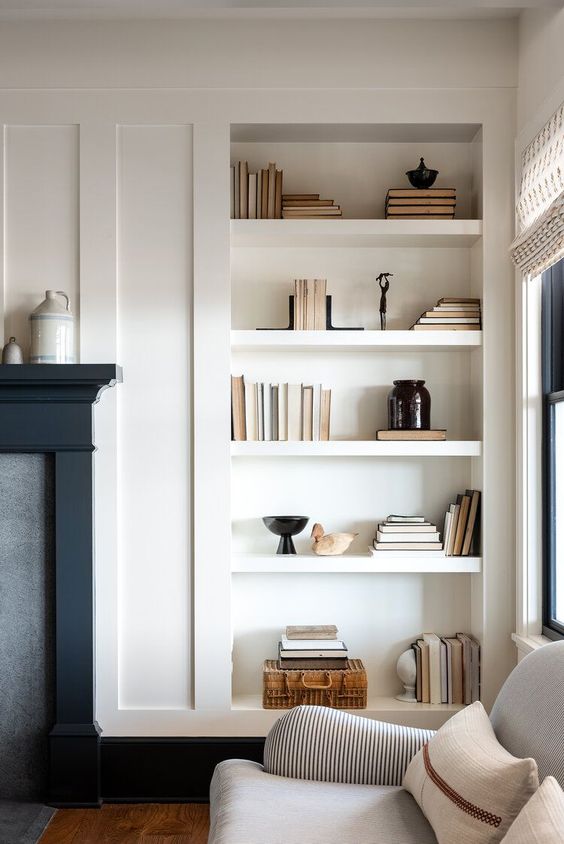
Bookshelves are more memorable when they hold evidence of real interests rather than a collection of identical fillers. Arrange books in varied orientations, leave breathing room around special objects, and allow a few pieces to be slightly unexpected.
Key Details
- Start with the books you use and enjoy before adding decorative objects.
- Vary vertical and horizontal stacks to create rhythm.
- Keep a few open areas so the shelf does not read as a single dense block.
Pro Tip: Place your most personal pieces at eye level, where they can become natural conversation starters.
12. Edit Open Shelves with More Space Than Stuff
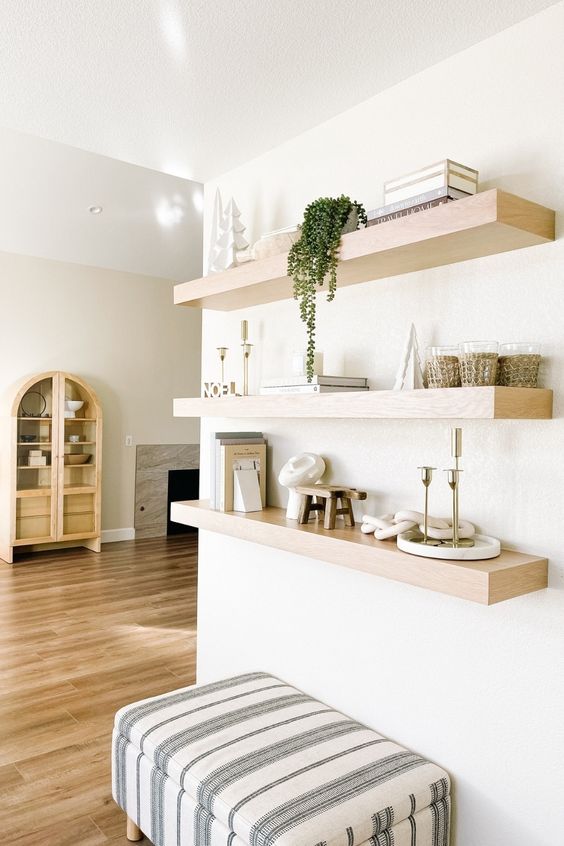
Open shelving looks calm when every item has a reason to be there. Group related pieces, change heights within each vignette, and let the shelf color or wall behind it remain visible as part of the design.
Key Details
- Build small clusters instead of lining objects up in a row.
- Use a restrained palette for vessels, frames, and sculptural pieces.
- Step back between adjustments to assess the composition from across the room.
Pro Tip: Removing one-third of the objects is often the quickest path to a more elevated shelf display.
13. Create a Gallery Wall with a Point of View
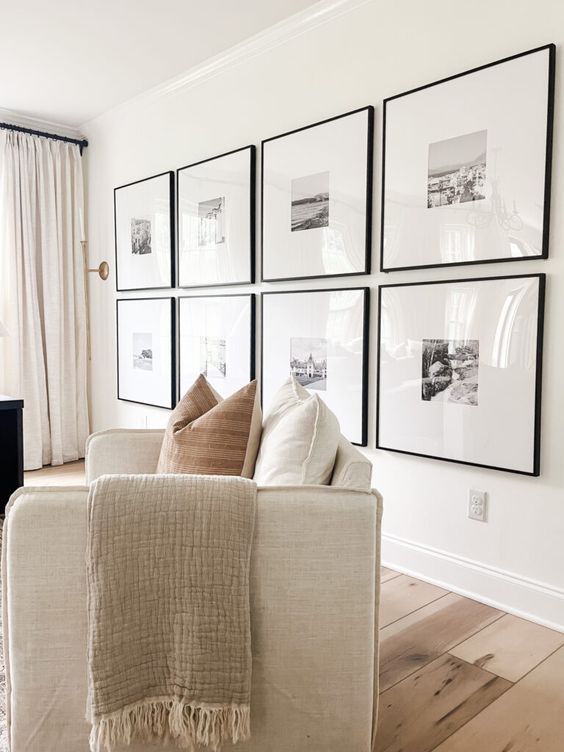
A gallery wall becomes cohesive when it is organized by a shared idea, such as a family story, a muted palette, travel imagery, or one frame finish. The individual pieces do not need to match, but the arrangement should feel deliberately paced.
Key Details
- Lay the grouping on the floor before making any holes.
- Anchor the collection around one larger piece or a strong centerline.
- Repeat one or two frame colors to create continuity.