

In a world that often feels chaotic and unpredictable, our homes have increasingly become our ultimate sanctuaries. For years, the prevailing wisdom in interior design leaned heavily toward minimalist with stark white walls, monochromatic gray furnishings, and an aesthetic that prioritized clinical cleanliness over personal expression. This “millennial beige” era created spaces that, while undeniably tidy, often felt devoid of life. However, a vibrant counter-movement has emerged, sweeping through the design world with an infectious energy: dopamine decor.
Dopamine decor is not merely a passing trend; it is a profound shift in how we approach our living spaces. It is an interior design philosophy rooted in the science of happiness, encouraging the intentional use of bold colors, eclectic patterns, and deeply personal items to create environments that actively boost our mood. This article explores the fascinating origins of dopamine decor, the neuroscience that supports it, and practical, vibrant ideas for transforming your living room into a joyful, colorful haven.
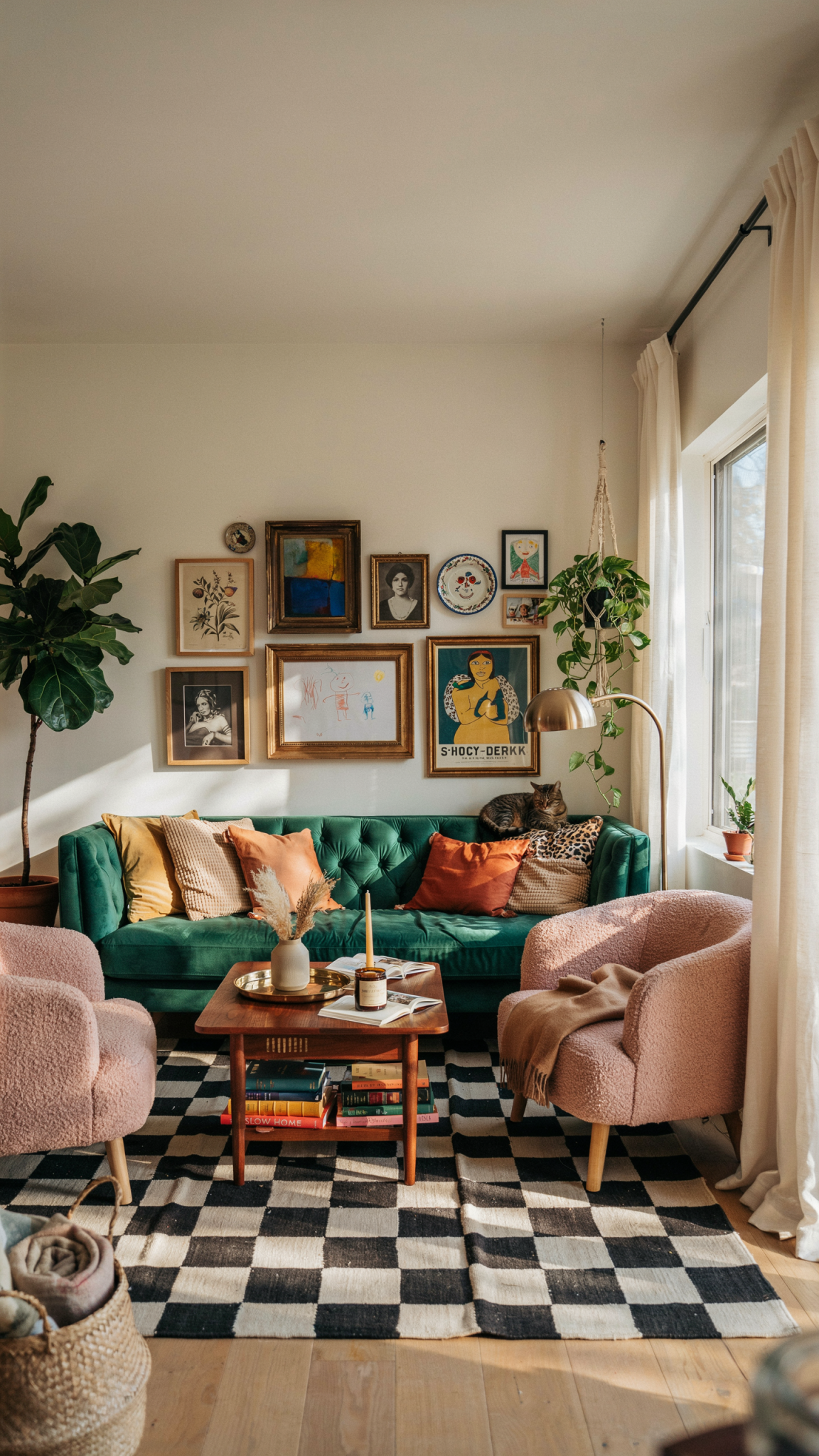
Understanding Dopamine Decor: The Chemistry of Happiness
To truly appreciate dopamine decor, one must first understand its origins and the science that underpins it. The term itself is borrowed from the fashion world’s “dopamine dressing,” a post-pandemic movement where people began wearing bright, cheerful clothing to intentionally lift their spirits during difficult times. This concept naturally evolved into interior design, as individuals spent more time at home and realized the profound impact their environment had on their mental well-being.
Dopamine is a neurotransmitter in the brain, often referred to as the “feel-good hormone.” It is a crucial component of the brain’s reward system, released when we experience pleasure, achieve a goal, or encounter something visually or emotionally stimulating. While dopamine is just one part of a complex chemical cocktail that includes serotonin (mood regulation), oxytocin (comfort and bonding), and endorphins (well-being), “dopamine decor” serves as a catchy shorthand for designing spaces that trigger this positive chemical response.
Neurobiological research supports this approach. Studies have shown that when individuals look at art or colors they find beautiful, the medial orbitofrontal cortex, the brain’s reward center, lights up. This is the same area activated when we experience love or taste delicious food. Furthermore, sensory-rich environments have been proven to be more restorative and effective at reducing anxiety than sterile, minimalist spaces. By surrounding ourselves with colors, textures, and objects we love, we are essentially hacking our brain chemistry to promote daily joy.
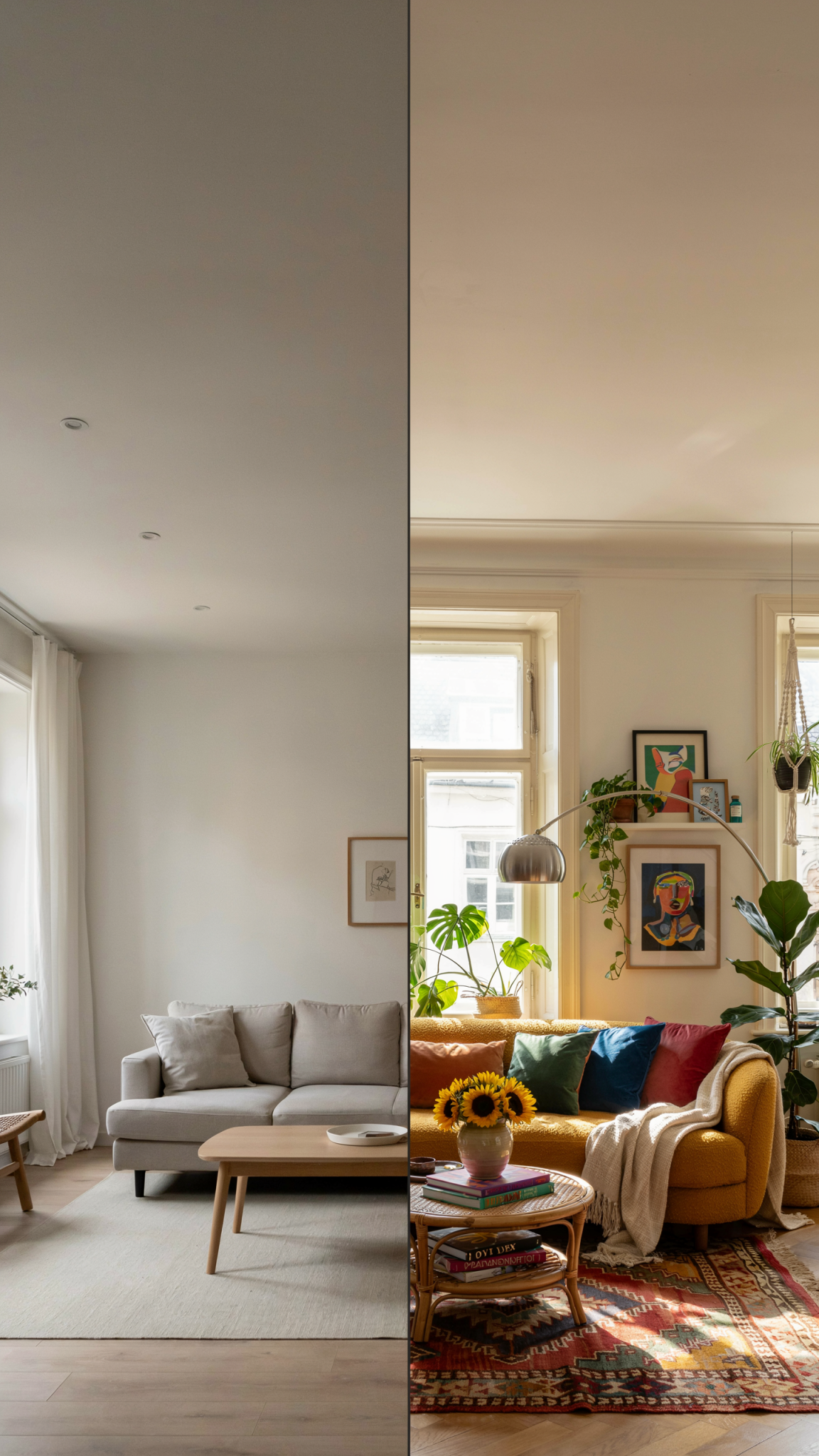
The Departure from Minimalism: Why Now?
The rise of dopamine decor is intrinsically linked to our collective experience over the past few years. The global pandemic forced people to spend unprecedented amounts of time within their own four walls. Suddenly, the pristine, minimalist spaces that looked great in a magazine spread felt cold, uninspiring, and lacking in comfort during a time of high stress.
Homeowners began to crave spaces that felt like a warm embrace. The minimalist approach, which often dictated what was considered “good taste,” felt too restrictive. Dopamine decor emerged as a rebellion against these rigid design rules. It is the high-energy, maximalist revival that prioritizes personal pleasure over prescribed aesthetics. It champions the idea that your home should not look like a sterile waiting room or a staged real estate listing; it should look and feel uniquely like you.
| YaFex Curtain Rods 32-144 Inch, Heavy Duty Adjustable
Core Principles of a Dopamine-Drenched Living Room
Transforming a living room into a dopamine-rich environment does not mean simply throwing every bright color and random object into a space. While it embraces a “more is more” attitude, successful dopamine decor requires thoughtful curation. Here are the core principles to guide your design.
1. Color Therapy: Painting with Emotion
Color is arguably the most powerful tool in the dopamine decor arsenal. Different hues have distinct psychological effects, and choosing the right palette can instantly alter the energy of a room.
- Yellows and Oranges: These warm tones are the quintessential colors of joy, optimism, and energy. A sunny yellow accent wall or a burnt orange velvet sofa can inject a sense of cheerfulness into the living room, reminiscent of sunshine and warmth.
- Pinks and Magentas: From soft blush to vibrant hot pink, these colors exude fun, playfulness, and a touch of romance. They are highly stimulating and can make a space feel youthful and vibrant.
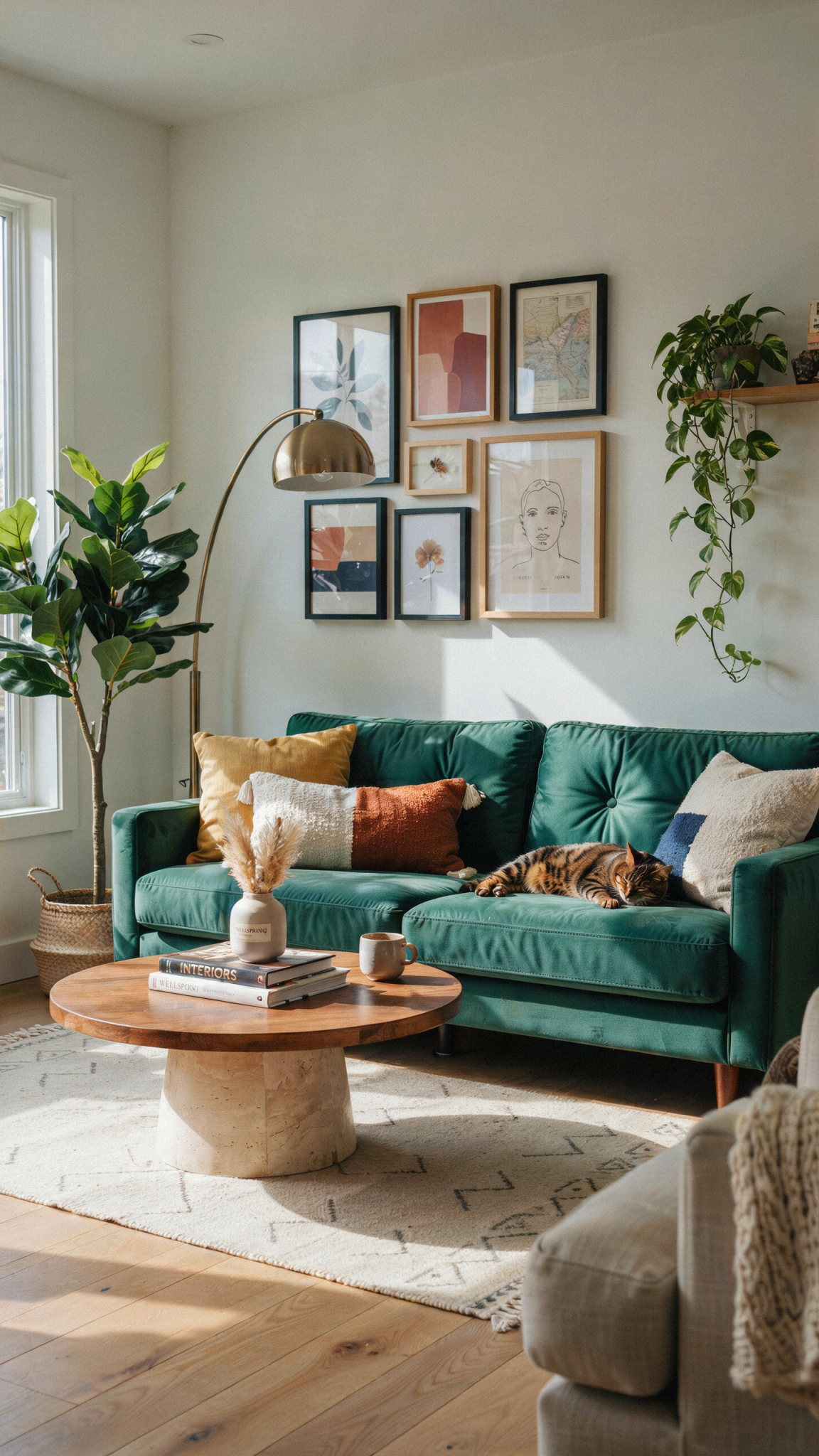
- Blues and Greens: While dopamine decor is known for brights, saturated cool tones are equally important. Emerald greens and cobalt blues offer a sense of lushness and depth. They provide a grounding, calming effect that balances the high energy of warmer colors.
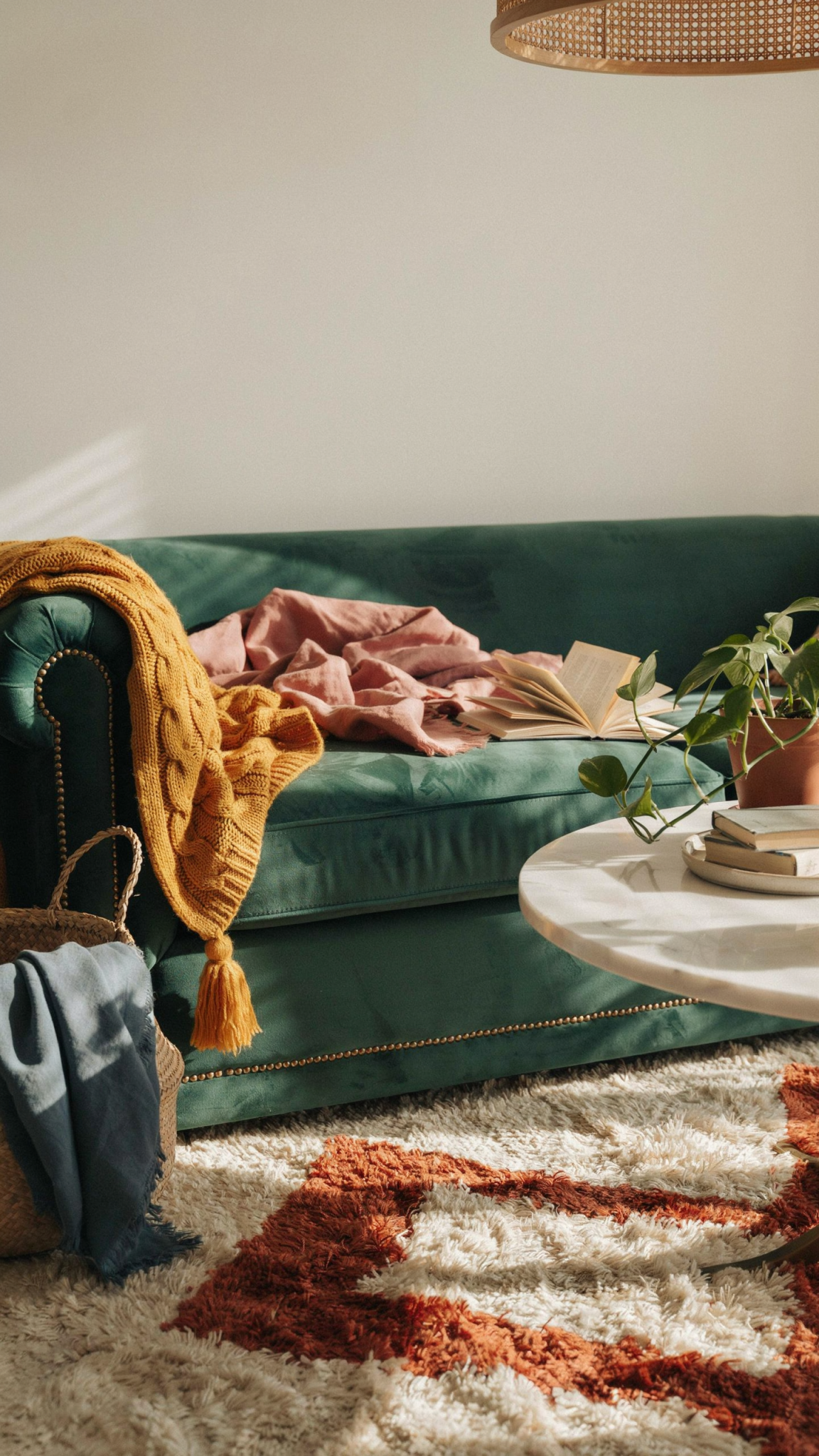
The key is to choose colors that resonate with you personally. If a specific shade of teal reminds you of a cherished vacation, use it. The “rules” of color matching are secondary to the emotional response the color evokes.
2. The Power of Pattern Play
Minimalism often shies away from patterns, favoring solid blocks of neutral color. Dopamine decor, conversely, revels in them. Patterns add visual interest, movement, and a sense of whimsy to a living room.
- Geometrics: Bold stripes, checkerboards, and abstract geometric shapes provide a modern, energetic feel. They can be introduced through rugs, throw pillows, or even painted wall designs.
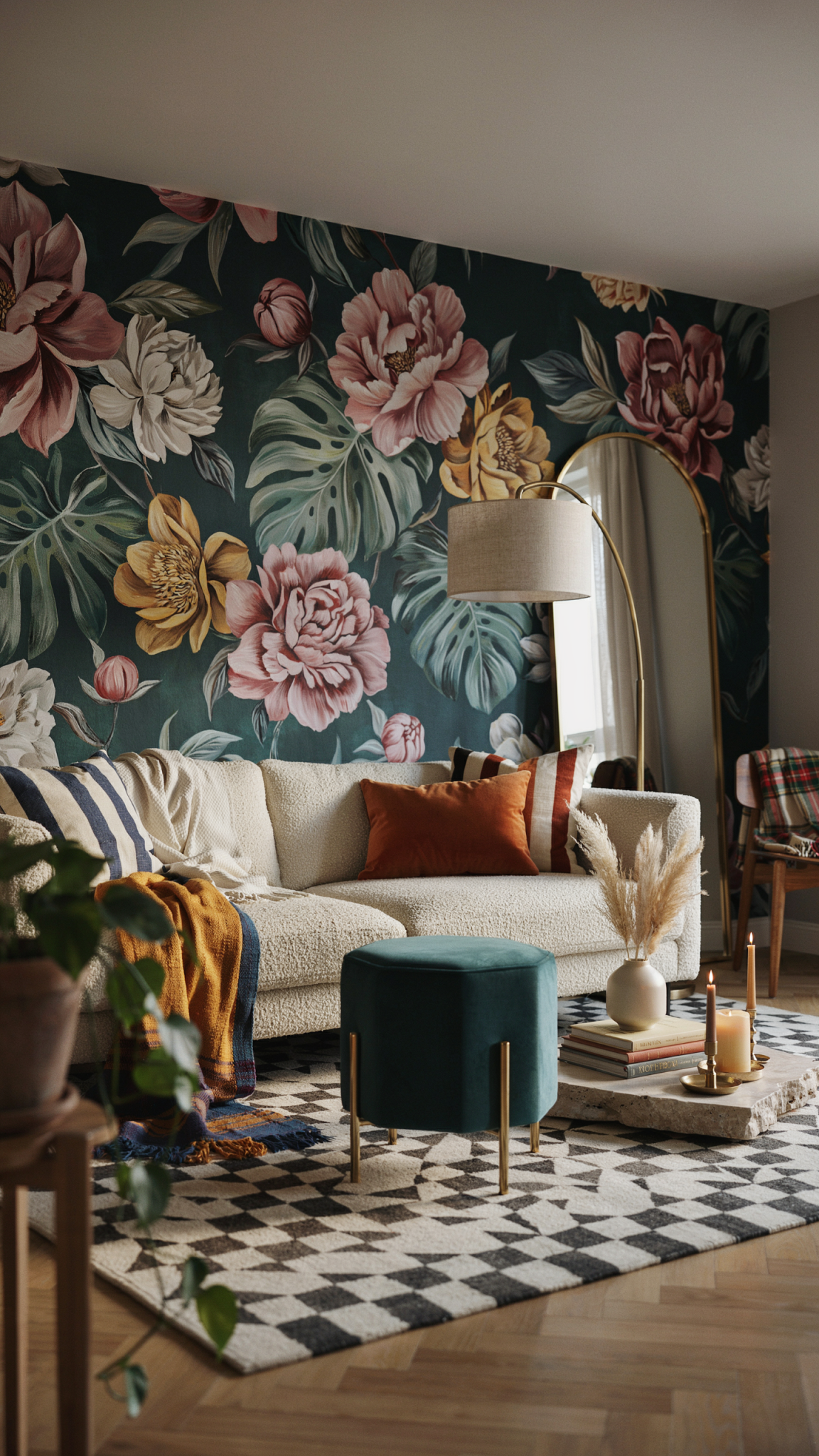
- Florals and Botanicals: Large-scale, colorful floral prints bring the beauty of the outdoors inside, evoking feelings of growth and vitality.
- Animal Prints: Leopard or zebra prints, when used as accents, add an element of surprise and playful luxury.
The secret to mixing patterns in dopamine decor is varying the scale. Pair a large, sweeping floral wallpaper with a small, tight geometric print on an armchair to prevent the designs from competing for attention.
3. Tactile Delights: Designing for the Senses
Dopamine decor is a multi-sensory experience. Touch is a vital component of how we perceive comfort and luxury. A visually stunning room falls flat if the furniture is stiff and uninviting.
Layering textures is essential. Imagine the contrast between a smooth, cool marble coffee table and a deeply textured, shaggy Moroccan rug. Incorporate plush velvets, chunky knits, soft silks, and natural rattan. These varied tactile experiences invite interaction and make the living room a place where you genuinely want to linger and relax.
4. Nostalgia and Personal Narrative
Perhaps the most defining characteristic of dopamine decor is its emphasis on personal meaning. A truly joyful space is filled with items that tell your story. This is the antithesis of buying a matching furniture set from a catalog.
Display your collections proudly. Whether it is vintage cameras, travel souvenirs, quirky ceramic figurines, or a wall of family photographs, these items serve as daily visual reminders of happy memories. This approach embraces a curated “cluttercore,” where objects are arranged thoughtfully to spark joy rather than create chaos.
| DRACIT Large Modern Mid Century Boho Abstract Wall Art
Vibrant Ideas for Your Living Room
Now that we understand the philosophy, let us explore specific, actionable ideas for infusing your living room with dopamine decor.
The Statement Accent Wall
An accent wall is a classic design technique, but in the context of dopamine decor, it is an opportunity to go wild.
- Funky Wallpaper: Wallpaper has made a massive comeback. Choose a design that makes you smile every time you see it. Think oversized tropical leaves, whimsical animal motifs, or vibrant retro waves. If you are renting or hesitant to commit, peel-and-stick wallpapers offer a brilliant, temporary solution.
- Custom Murals: Elevate your space with a hand-painted mural. This could be an abstract sweep of your favorite colors, a stylized landscape, or geometric color-blocking. A mural acts as a massive piece of bespoke art that defines the room’s energy.
- Color Drenching: Instead of painting just one wall, consider “color drenching”, or the technique of painting the walls, ceiling, doors, and trim all in the same highly saturated hue. This creates an immersive, jewel-box effect that is incredibly striking and cozy.
Joyful Furniture Choices
Move away from the standard gray sectional and let your furniture be the star of the show.
- The Colorful Sofa: A sofa in a bold color, like mustard yellow, emerald green, or deep plum instantly anchors the room in joy. Opt for tactile fabrics like velvet or corduroy to enhance the sensory experience.
- Curved and Quirky Silhouettes: Dopamine decor favors playful shapes over rigid, angular lines. Look for sofas with curved backs, scalloped edges, or chubby, oversized armchairs. These shapes feel inherently more relaxed and fun.
- Painted Vintage Finds: Upcycling is a sustainable and highly personal way to embrace this trend. Take a vintage wooden sideboard or coffee table and paint it in a bright, unexpected color, like electric blue or coral.
The Art of the Gallery Wall
A gallery wall is the perfect vehicle for dopamine decor, allowing you to display a multitude of joyful images in one place.
- Mix and Match: Do not limit yourself to just framed prints. Incorporate mirrors, neon signs, woven wall hangings, or 3D objects like ceramic plates or sculptural masks.
- Eclectic Framing: Use frames in various colors, sizes, and styles like ornate gold vintage frames mixed with sleek, modern acrylic ones. This mismatched approach adds character and breaks away from formal rigidity.
- Art that Speaks to You: Choose art that evokes a visceral, positive reaction. It could be typography with an uplifting quote, a bright abstract painting, or a vintage movie poster.
Lighting as Decor
Lighting should do more than just illuminate the room; it should contribute to the joyful aesthetic.
- Whimsical Fixtures: Swap out standard builder-grade lighting for something with personality. A chandelier that resembles a cluster of colorful balloons, a lamp shaped like an animal, or a mid-century sputnik fixture can serve as functional art.
- Warm and Layered Glow: Ensure your lighting is warm and inviting. Use a mix of ambient overhead lighting, task lighting for reading, and accent lamps to create a cozy, layered glow. Avoid harsh, cool-toned bulbs that can make a vibrant room feel sterile.
The Finishing Touches: Rugs and Accessories
The magic of dopamine decor often lies in the details.
- The Statement Rug: A rug is an excellent way to introduce a massive punch of color and pattern without altering the walls. Look for vibrant Persian-style rugs, bold geometric flatweaves, or playful, irregularly shaped tufted rugs.
- Unexpected Red Theory: A popular micro-trend within dopamine decor is the “unexpected red theory.” This involves placing a pop of bright red in a room where it doesn’t necessarily “belong.” It acts as a visual palate cleanser and instantly makes the design feel more intentional and designer-led.
- Lush Greenery: Houseplants are natural mood boosters. They bring literal life into the living room, improve air