

I hated going into our basement.
It felt dark, dirty, and a little creepy. It had that musty smell that wafted up the stairs, and the thought of tackling it felt completely overwhelming. I thought it would take tens of thousands of dollars to make our unfinished basement look nice. I envisioned framing, drywall, drop ceilings, and a massive hit to our savings account.
But over time, we gave it an affordable makeover. We love our basement now! While it is still considered mostly “unfinished,” it is bright, pleasant, and we actually enjoy spending time in it. It’s no longer just a drop zone for unwanted items; it’s a functional extension of our home.
Along the way, I discovered so many helpful ideas for unfinished basement design. I felt inspired to share them all, in hopes of helping anyone who may be obsessively searching for ideas like I was. You deserve to have a beautiful home, including the basement, and you don’t need a massive budget to achieve it.
These ideas for unfinished basements fall into several main categories, but they share one thing in common: They are all incredibly budget-friendly. We are talking about DIY projects, clever design hacks, and trending aesthetics that elevate the space without the hefty contractor fees.
Getting Your Basement Ready: The Crucial First Steps
Before we get into the fun ways to make your unfinished basement feel more like home, there are a few foundational things to consider to get the space ready. You can’t decorate a dirty, cluttered room and expect it to feel inviting.
Organize and Declutter
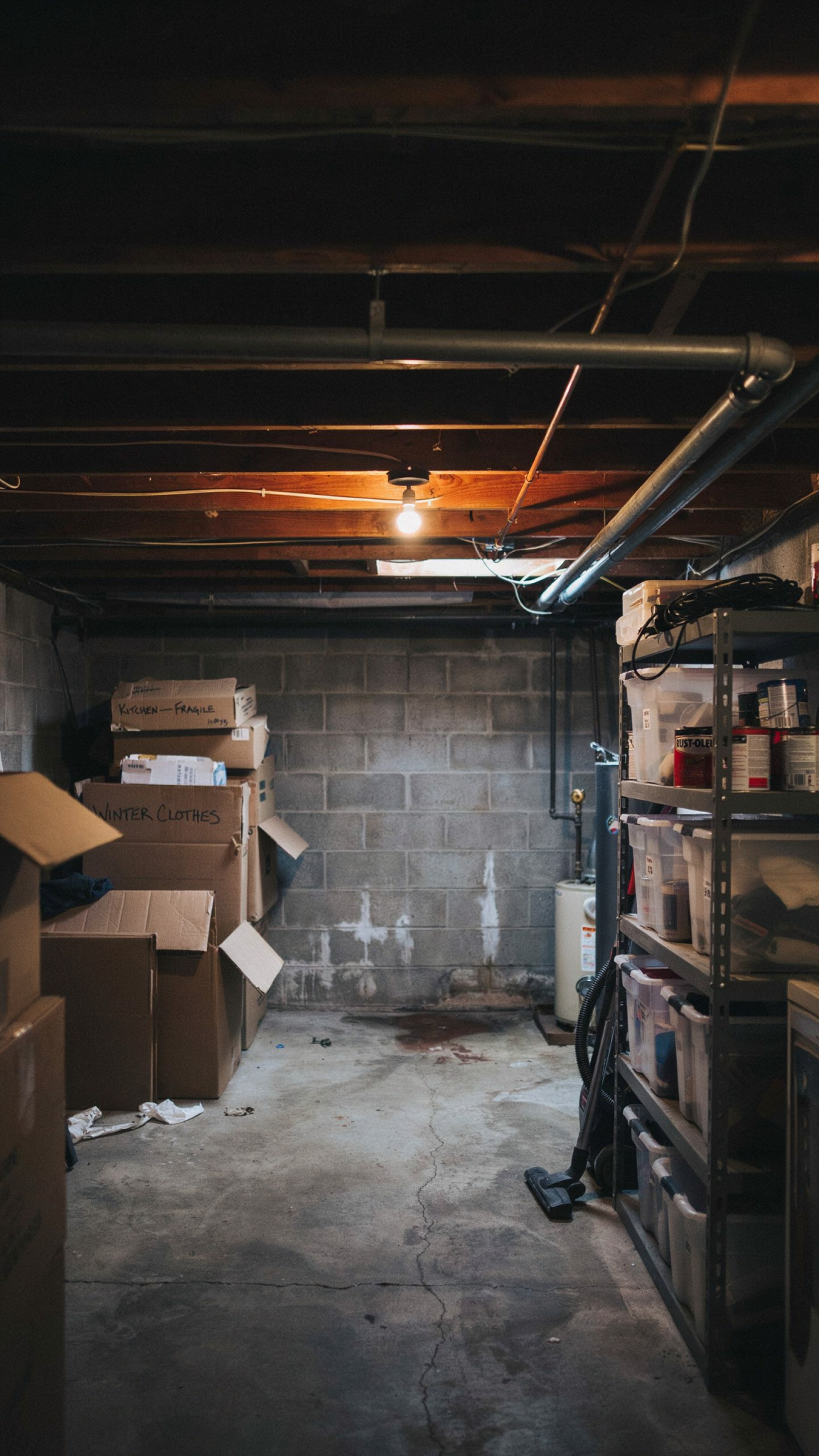
Before sprucing up an unfinished basement, it makes sense to clear out the space of all unnecessary storage items and clutter. Our basement was full of random items that had no place in our home: boxes of old clothes, broken appliances we swore we’d fix, and holiday decor scattered everywhere.
Clearing out unnecessary items and organizing what remained gave us more open space. All that added space created a blank slate to work with. Organize any remaining items into a designated location. To keep storage tidy and confined to one area of the basement, consider a few sturdy, industrial shelving units. Grouping similar items in matching bins can instantly make the storage area look intentional rather than chaotic.
Clean the Floors and Walls
Any basement that is completely unfinished is bound to need a good cleaning. Let’s be honest, when was the last time you deep-cleaned your unfinished basement? The answer is probably never!
Start by sweeping the floors to remove large dirt and debris. Follow up with a heavy-duty shop vacuum. Vacuum the walls, the ceiling joists, and the windows as well, taking care in the corners and crannies to remove dust and cobwebs.
Once the space is vacuumed, it is time to wet clean. I used a mop that was easy to wring out and a cleaner formulated for concrete. A clean and etch formula will thoroughly clean the concrete, as well as prep the surface for paint or stain if you choose to go that route. Apply with the mop as indicated in the directions, rinsing thoroughly after application. You will be amazed at how much better the space feels just by being clean.
Breathe Easy: Managing Moisture
Does the air in your basement feel moist, damp, or musty? If yes, it means the basement most likely needs a dehumidifier. Many basements benefit from a dehumidifier to remove dampness and purify the air.
A dehumidifier did wonders for making our basement feel more comfortable. I had no idea how badly we needed one! It took our basement from dark and damp to just dark. That’s halfway there already! Controlling the humidity is also crucial if you plan to bring in furniture, rugs, or any fabric elements, as it prevents mold and mildew from taking hold.
Looking Up: Budget-Friendly Ceiling Ideas
One of the biggest expenses in a traditional basement remodel is finishing the ceiling. Drywalling a ceiling requires framing, hanging heavy boards, taping, mudding, and sanding which is all a messy and expensive process. Drop ceilings are another option, but they can lower the ceiling height and often look dated.
Fortunately, there are trending design options that look fantastic and cost a fraction of the price.
The Exposed and Painted Ceiling
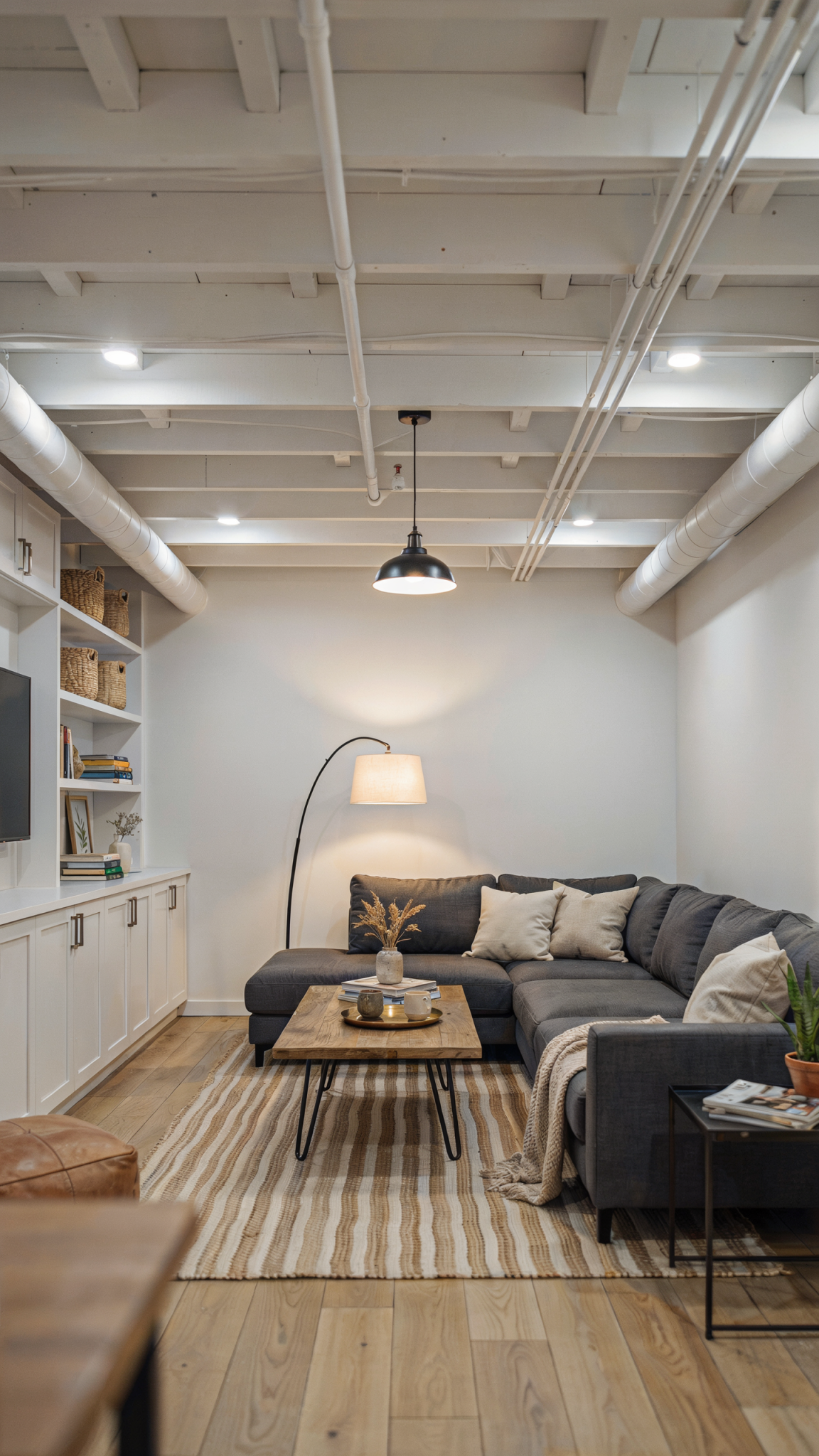
This is arguably the most popular and impactful budget basement idea right now. Leaving the ceiling joists, ductwork, and pipes exposed and painting everything a single, solid color creates a chic, industrial loft aesthetic.
Why We Love the Exposed Look:
- Budget-Friendly: You save thousands of dollars on drywall or drop ceiling materials and labor. The cost is essentially just the price of a paint sprayer (if you buy or rent one) and the paint itself.
- Maximum Ceiling Height: Basements often have lower ceilings (around 8 feet). Adding a drop ceiling or drywall can lower that by another foot or more. Leaving it exposed maximizes the vertical space, making the room feel larger and less cramped.
- The Aesthetic: It perfectly fits the modern industrial or modern farmhouse vibe that is so popular right now.
Choosing the Right Color:
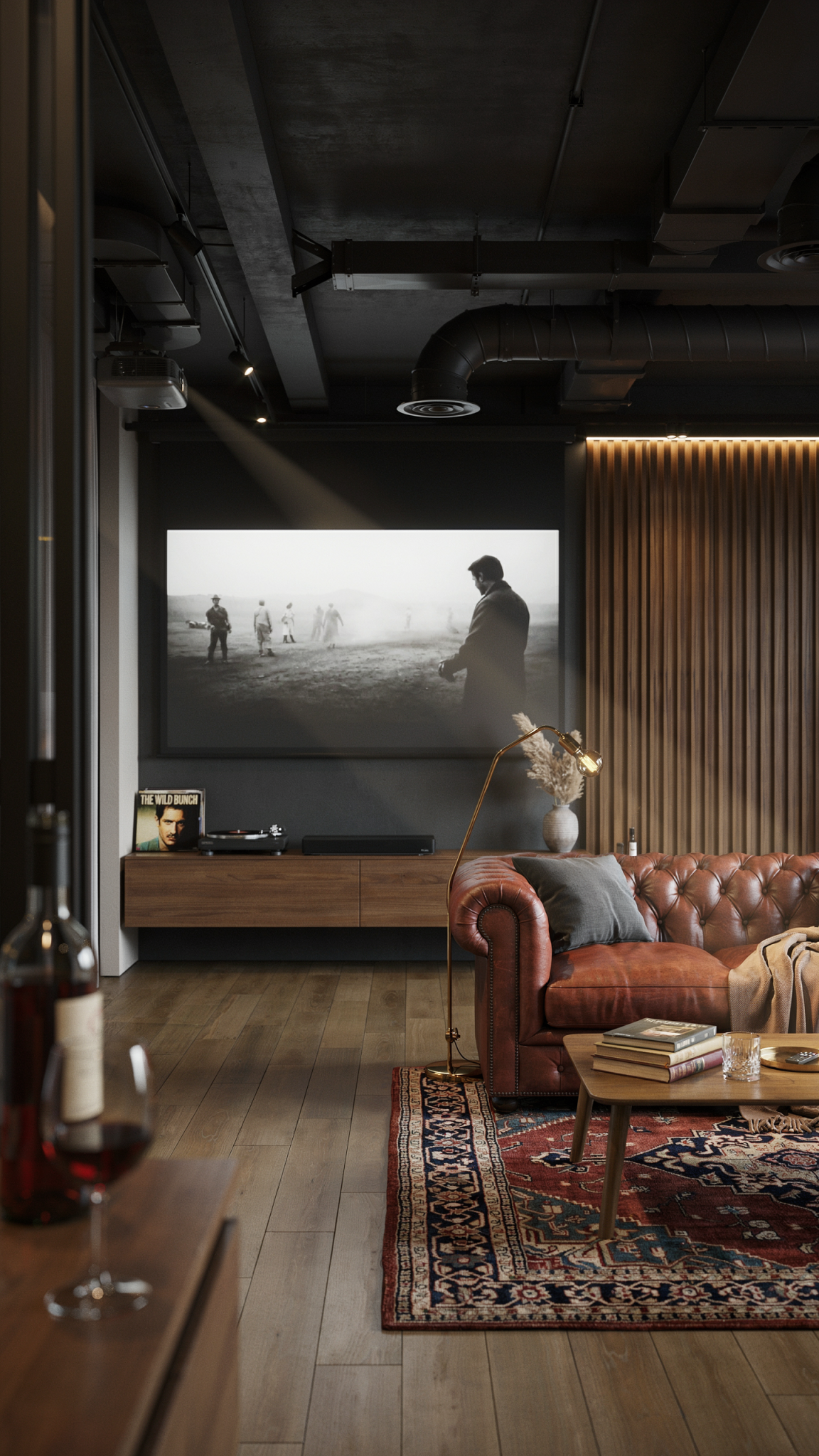
- The Black Ceiling: Painting the exposed ceiling black is incredibly popular. It makes all the ugly pipes, wires, and ductwork visually disappear into the shadows. It gives the room a cozy, theater-like feel and draws the eye down to your decor and living space.
- The White Ceiling: If your basement lacks natural light (like most do) and you want to keep it feeling airy and open, painting the exposed ceiling white is the way to go. It reflects whatever light you have and makes the space feel taller. I opted for a white with a slight gray tint to keep it bright without showing every single speck of dust.
DIY Tips for Painting an Exposed Ceiling:
If you tackle this yourself, a paint sprayer is absolutely essential. A roller will not get into all the nooks, crannies, wires, and pipes. Make sure to clean the ceiling thoroughly first (vacuuming away cobwebs) and use a primer before your final coats.
Alternative Ceiling Ideas
If the exposed industrial look isn’t your style, there are other creative, budget-friendly ways to handle the ceiling:
- Fabric Canopies: Draping inexpensive, lightweight fabric (like muslin or drop cloths) across the ceiling joists can create a soft, romantic, or bohemian look. It hides the messy joists while keeping the space feeling light.
- Painted Floor Joists Only: Some people choose to leave the subfloor above exposed but paint just the joists for a contrasting, rustic look.
- Corrugated Metal: Attaching corrugated metal sheets to the joists gives a strong industrial or rustic farmhouse feel. It’s relatively inexpensive and reflects light well.
Grounding the Space: Affordable Flooring Solutions
Unfinished concrete floors are cold, hard, and generally uninviting. Upgrading the flooring is a key step in making the basement feel like a livable room, but you don’t need to spend thousands on hardwood or plush carpeting.
Concrete Paint and Stain
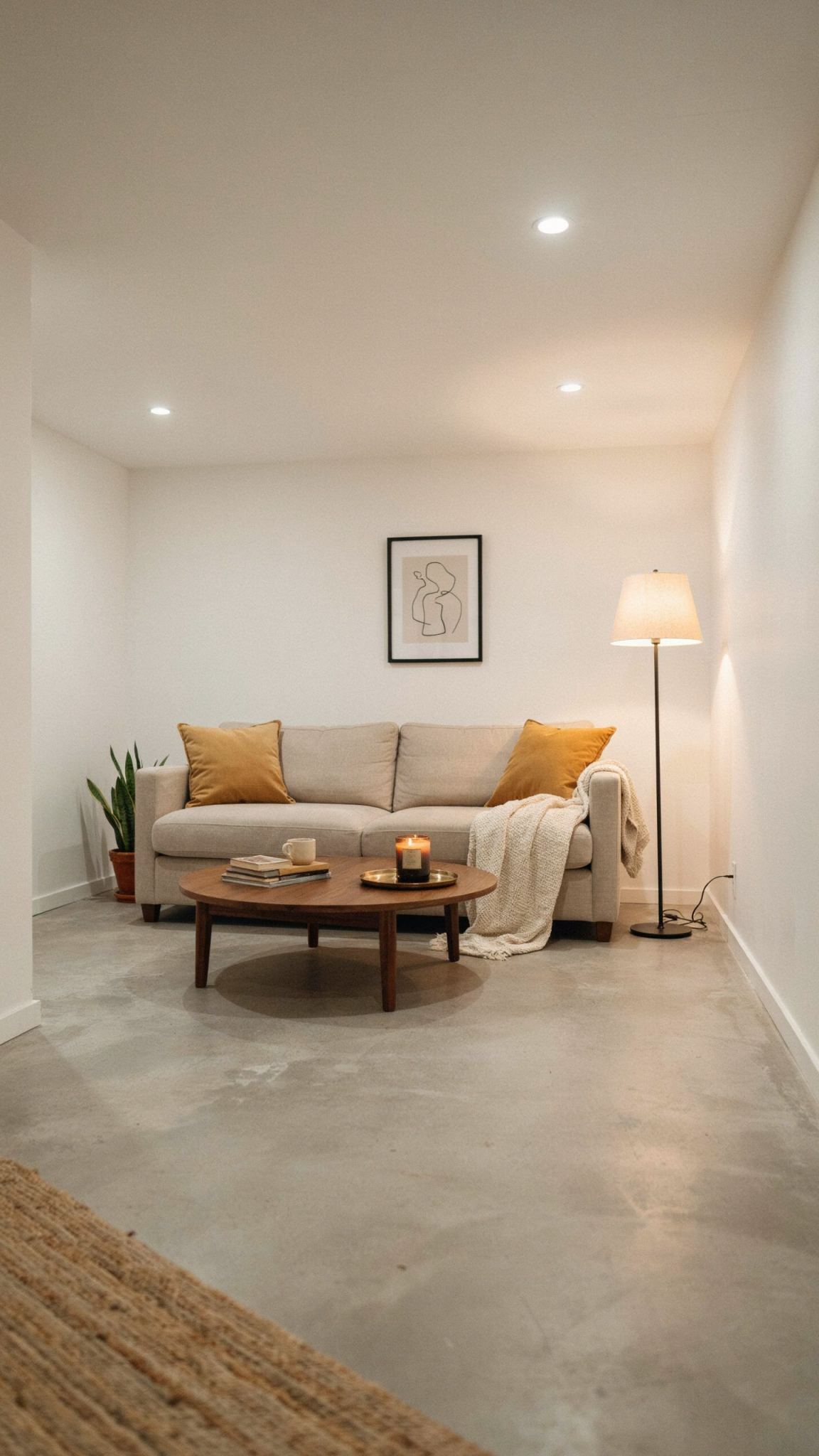
If you are hoping to brighten up your dark basement, consider rolling some paint or stain directly onto those concrete floors. In addition to making the basement look better, the right paint or stain will also seal the floor, helping to reduce moisture.
- Acid Stain: This affordable technique creates a beautiful, mottled, organic look that resembles natural stone or leather. It reacts with the minerals in the concrete for a unique finish.
- Epoxy Floor Paint: Epoxy is incredibly durable and holds up well against wild kiddos, pets, and spilled drinks. It gives a clean, uniform look. You can add decorative color flakes to the epoxy, which does a phenomenal job of hiding imperfections and roughness in the old concrete.
- Stenciled Concrete: If you want the look of expensive cement tiles without the cost, stenciling is a brilliant DIY. Paint the floor a solid base color, then use a large stencil and a contrasting color to create a gorgeous, high-end pattern.
Luxury Vinyl Plank (LVP) Flooring
If you want the look of real wood but need something budget-friendly and basement-appropriate, Luxury Vinyl Plank (LVP) is the holy grail.
LVP is water-resistant (often waterproof), incredibly durable, and very easy to install yourself because it usually clicks together as a “floating floor” over the concrete. It immediately warms up the space visually and feels much better underfoot than bare concrete. It’s one of the most popular choices for modern basement renovations because it looks high-end but is very cost-effective.
Amazon Basics 4-Shelf Heavy Duty Steel Wire Shelving | Seagrass Wicker Storage Basket with Lid
Foam Mats and Area Rugs
Sometimes, the simplest solutions are the best, especially if you are creating a playroom or home gym.
- Interlocking Foam Mats: These are perfect for adding cushion over cold concrete. They come in endless designs now, including options that look like wood grain! They lay down simply and make the space safe for kids or comfortable for working out.
- Area Rugs: In a basement full of concrete or LVP, adding large area rugs really warms up the room and creates the cozy atmosphere of a family room. Rugs also help to pad the sound, which is helpful if you don’t have a drywall ceiling. To save money, look for carpet remnants at local flooring stores—you can often get massive pieces for a fraction of the cost of a bound rug. Always use a good rug pad underneath for extra insulation and softness.
Wall Treatments: Warming Up the Concrete
Staring at gray cinder blocks or poured concrete walls is a constant reminder that you are in a basement. You don’t necessarily have to frame and drywall the entire perimeter to make it look finished.
The Power of Paint
There is nothing quite like a fresh coat of paint on the walls! The power of paint is incredible. Painting the concrete or cinder block walls white or a soft, warm neutral instantly brightens the space and makes it feel clean.
Make sure you use a masonry waterproofer paint (like Drylok) if you are painting directly onto the foundation walls. This helps seal the porous concrete and prevents moisture from seeping through. A uniform black ceiling and newly painted, white cement walls create a beautiful, modern aesthetic.
Hanging Curtains
If you want to hide the concrete walls entirely without the hassle of drywall, hanging long, floor-to-ceiling curtains is a fantastic designer hack.
You can install inexpensive curtain tracks or tension wires along the ceiling perimeter and hang inexpensive fabric, drop cloths, or basic curtains. This softens the hard edges of the room, adds texture, and completely conceals the unfinished walls behind them. It’s also a great way to hide utility areas or storage shelves.
Create an Accent Wall
If you have one wall that is framed, or if you want to frame just one small section, creating an accent wall can draw the eye and elevate the design.
- Wood Paneling or Shiplap: Installing shiplap or affordable wood planks on one wall adds a cozy, architectural element.
- Faux Brick or Stone: You can buy lightweight faux brick panels that are easy to install and look incredibly realistic, giving the space an urban loft vibe.
Designing the Space: Creating Functional Zones
Budget-friendly basement organization and lighting
BBOUNDER 4Pack 4FT LED Shop Light, 5000K, 40W=250W, Linkable for Garage | 4000LM, 48 Inch Integrated Utility Fixture, Surface or Hanging Mount, Shop Lights for Workshop & DIY Users
A current option for LED shop light.
Amazon Basics 5-Shelf Adjustable Heavy Duty Steel Wire Storage Shelves for Garage, Kitchen, Easy Assembly, 36″ x 14″ x 72″, Black
A current option for heavy duty shelving.
Amazon Basics Plastic Storage Containers with Secure Latching Lids, Stackable Organization Bins, Clear/Grey, 32 Quart, Set of 6
A current option for storage bins.
As an Amazon Associate I earn from qualifying purchases.
One of the biggest mistakes people make with an open, unfinished basement is treating it like one giant room. Because it lacks natural walls, it can feel like a cavernous, disorganized mess.
The key to a successful budget basement is creating distinct “zones” to best utilize different areas.