

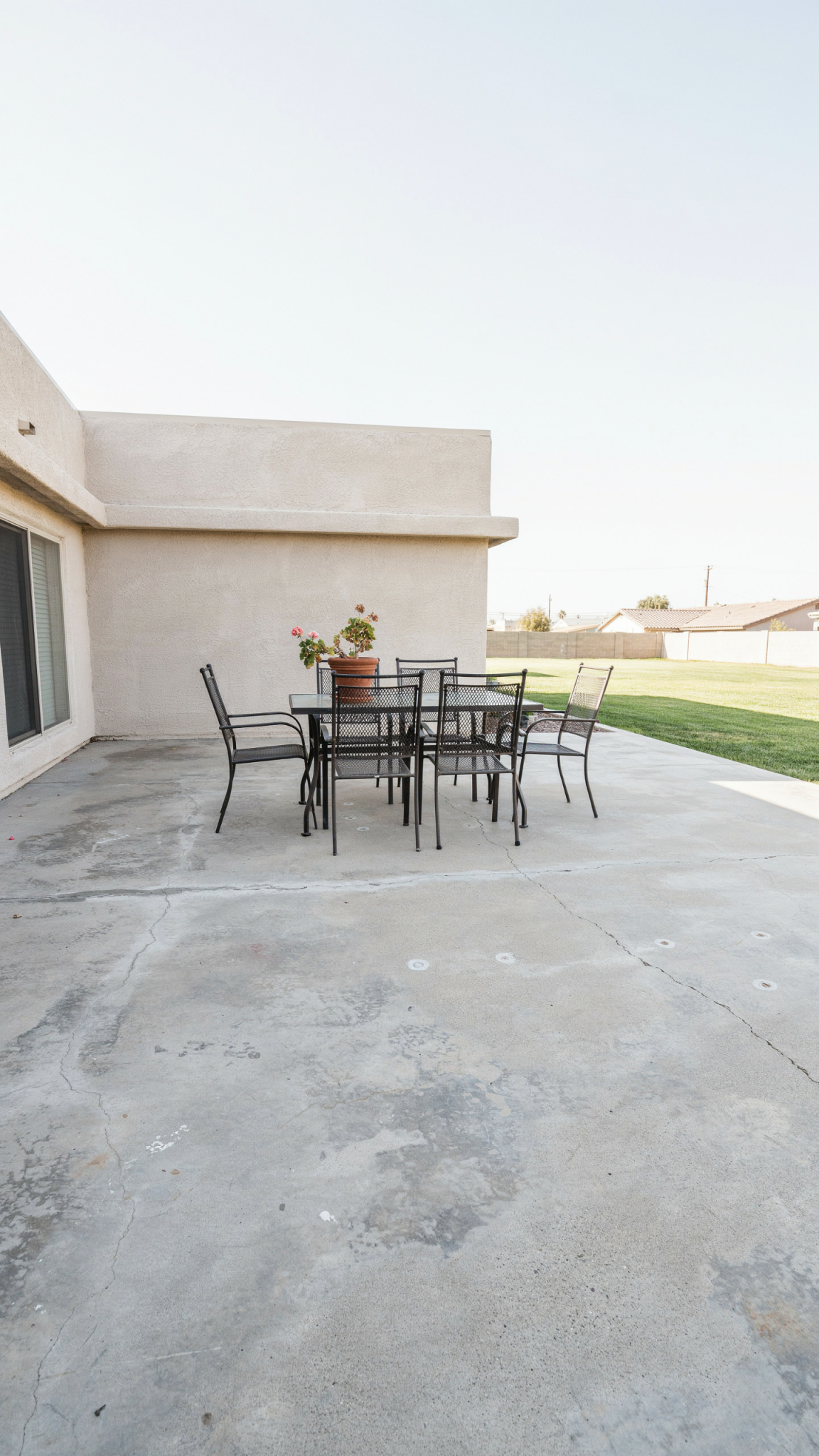
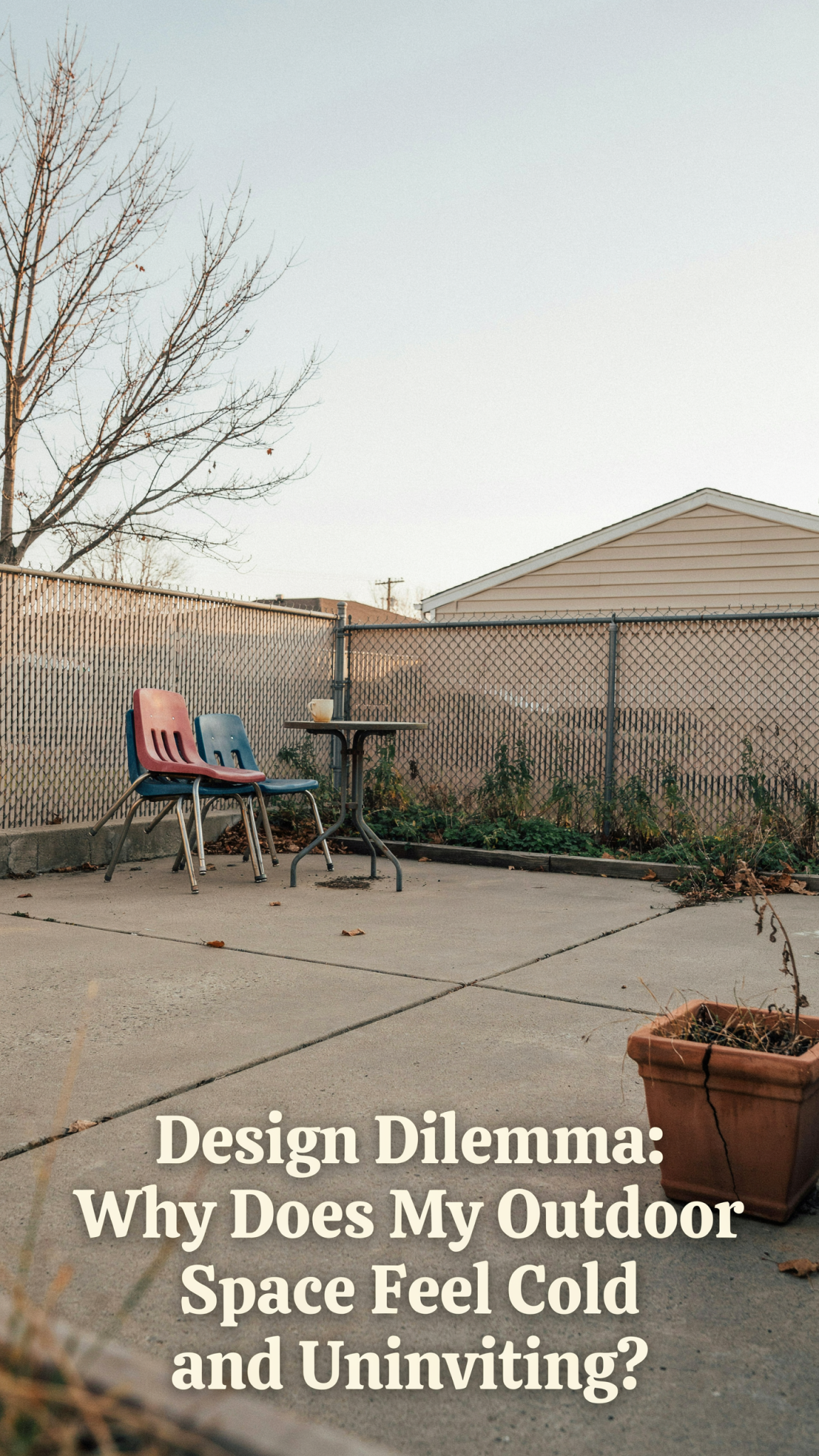
Stepping out onto a newly finished patio or deck should feel like an exhale transitioning from the structured interior of your home into an open-air sanctuary. But for many of us, opening the back door reveals a space that, despite our best intentions and perhaps a significant investment, feels more like an empty parking lot than a cozy retreat. The furniture is there, the grill is in place, and the concrete or decking is pristine, but the atmosphere is distinctly lacking. It feels stark, exposed, and just cold.
It is a common design dilemma. We often approach outdoor spaces purely from a functional standpoint: we need a place to sit, a place to eat, and a surface that will not get muddy. In doing so, we forget the crucial layers that make a space feel human and inviting. The outdoors, by its very nature, is vast and untamed. When we build a deck or pour a patio, we are carving out a rigid, geometric shape within that vastness. If we do not actively work to soften those edges and bridge the gap between the built environment and nature, the result is inevitably sterile.
Creating a warm, inviting outdoor room is not about throwing more money at expensive teak furniture or installing a massive outdoor kitchen. It is about understanding the psychology of comfort. It is about manipulating scale, introducing texture, controlling light, and defining boundaries. When an outdoor space feels cold, it is usually because it is missing the essential elements of enclosure and layering that we instinctively crave for comfort.
Here I want to deconstruct the uninviting patio. We will look at the common pitfalls that make outdoor spaces feel stark and explore practical, design-led strategies to infuse them with warmth, intimacy, and style. Whether you are dealing with a sprawling concrete slab or a tiny urban balcony, these principles will help you transform your outdoor area into a space where you actually want to linger long after the sun goes down.
The Problem of Scale and the “Floating Furniture” Syndrome
One of the most frequent culprits behind a cold outdoor space is a failure to address scale. Inside our homes, walls and ceilings naturally dictate the scale of a room. They provide boundaries that tell our brains, “This is a cozy living room,” or “This is a grand dining hall.” Outdoors, the sky is the literal limit. Without vertical boundaries, a patio can feel like a vast, intimidating expanse.
When you place a standard-sized dining table or a conversation set in the middle of a large, undefined patio, it suffers from what I call “floating furniture syndrome.” The furniture looks tiny and disconnected, anchored to nothing. It feels like you are sitting on a stage rather than in a room. This lack of enclosure triggers a subtle psychological discomfort; we feel exposed and ungrounded.
To fix this, you must create artificial boundaries that scale the vastness down to a human level. You need to define “rooms” within your outdoor space. The most effective way to do this is by establishing a ceiling and walls, even if they are purely visual or implied.
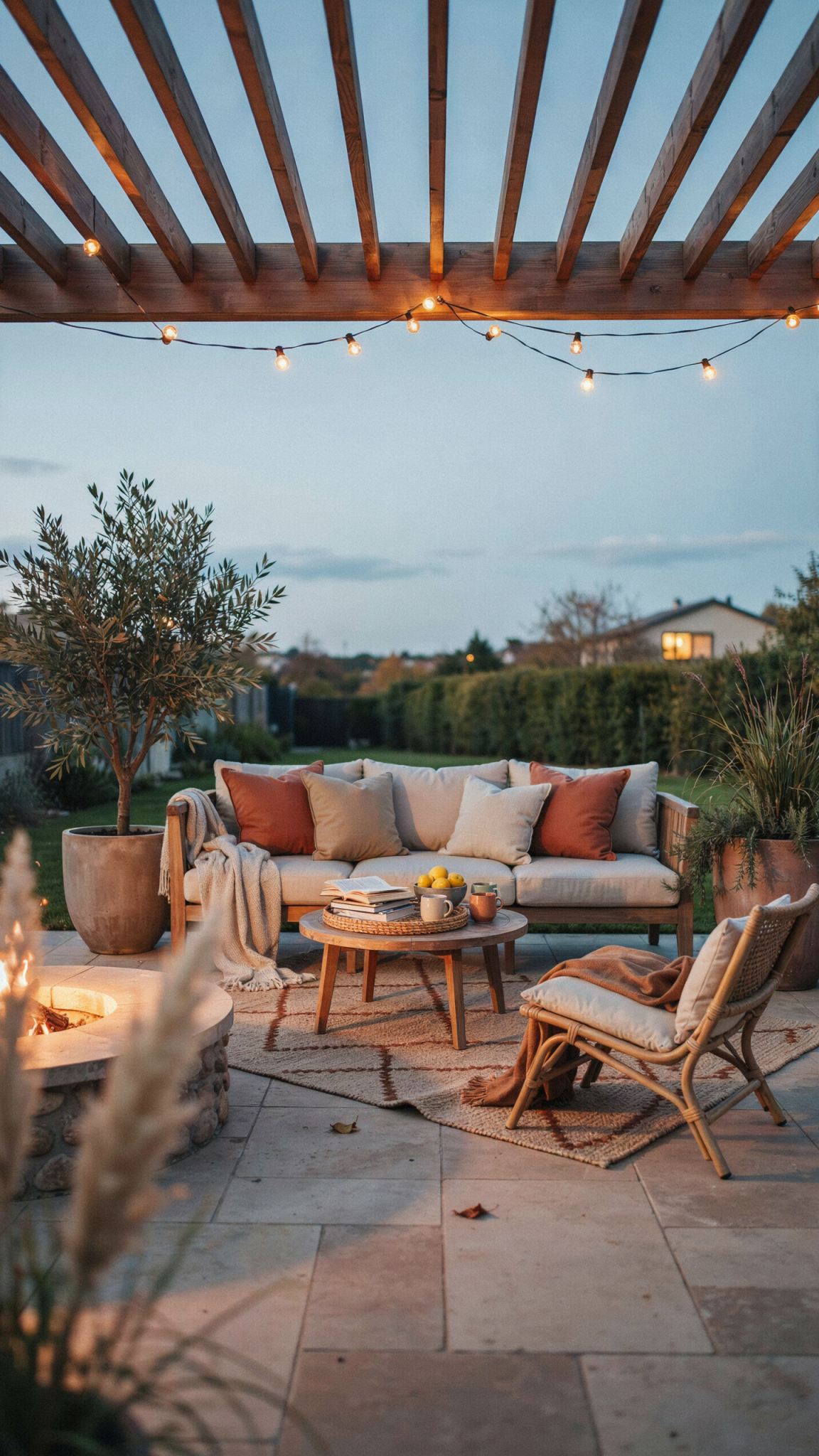
A pergola is a classic architectural solution. By adding a slatted roof structure over a seating or dining area, you instantly create a sense of enclosure. The pergola lowers the perceived ceiling height, making the space beneath it feel intimate and protected. Even if it does not keep the rain off, the visual boundary it provides is incredibly powerful. If a custom pergola is not in the budget, a large, high-quality cantilever umbrella serves a similar purpose. When opened, it acts as a temporary ceiling, anchoring the furniture below it and creating a defined zone.
Vertical boundaries are equally important. You do not need to build a solid wall, which can feel claustrophobic. Instead, use permeable screens to define the edges of your space. A row of tall, narrow planters filled with clumping bamboo or ornamental grasses creates a soft, living wall. A slatted wooden privacy screen or a trellis covered in climbing vines like jasmine or clematis provides a sense of separation without completely blocking the breeze or the view. By defining the edges, you give the furniture context and ground the entire arrangement.
Softening the Edges
Hardscaping as in the concrete, pavers, decking, and stone that make up the foundation of your outdoor space, is essential for functionality. However, it is also inherently cold, hard, and visually heavy. If your patio consists solely of a large expanse of concrete or a vast deck with rigid right angles, it will naturally feel stark and uninviting. The design dilemma here is how to balance the necessary hard surfaces with the softness required for comfort.
The key is to interrupt the hardscaping and blur the lines between the built environment and the natural landscape. One of the most effective ways to do this is through the strategic use of outdoor rugs. An outdoor rug does more than just add color and pattern; it fundamentally changes the texture of the floor. It covers the cold concrete or wood with a softer, woven surface that feels better under bare feet. More importantly, it acts as a visual anchor, pulling a seating arrangement together and defining a specific zone, much like an area rug does in an indoor living room.
Beyond rugs, you must introduce organic shapes to counteract the rigid geometry of the patio. If your patio is a perfect square, soften the corners with large, rounded planters. Group pots of varying heights and sizes together to create a layered, organic display. The curves of the pots and the irregular shapes of the plants break up the straight lines of the hardscaping.
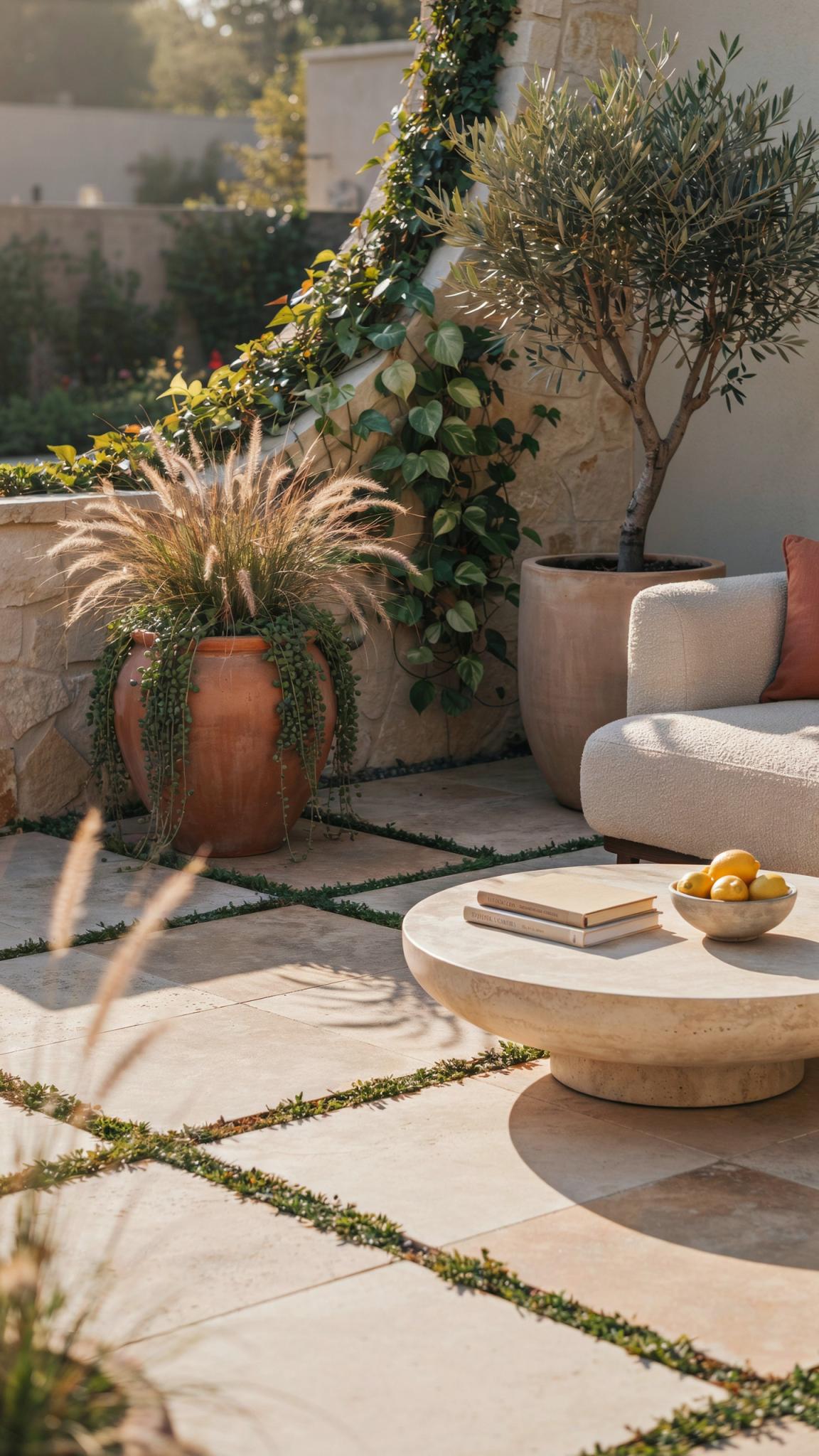
Consider the transition between the patio and the lawn or garden. A hard, straight edge where concrete meets grass can feel abrupt and unnatural. Soften this transition by planting a border of low-growing, spilling plants like creeping thyme, alyssum, or trailing rosemary. Let these plants spill over the edge of the patio, blurring the boundary and making the hardscaping feel like it is integrated into the landscape rather than just dropped on top of it.
If you are in the planning stages of a new patio, consider leaving deliberate cutouts or pockets within the hardscaping for planting. A small, built-in planter bed in the center of a patio or along a retaining wall allows you to bring nature directly into the built space, breaking up the expanse of stone or wood and introducing essential softness.
The Importance of Layered Lighting
Lighting is arguably the most critical element in determining the mood of an outdoor space. During the day, natural light dictates the vibe. But as the sun sets, your lighting choices will either make the space feel like a magical, inviting retreat or a stark, interrogation room. The biggest mistake people make with outdoor lighting is relying on a single, glaring source which is usually a harsh floodlight mounted on the back of the house.
A single, bright overhead light flattens the space, casts harsh shadows, and highlights every flaw. It is the antithesis of cozy. To create a warm, inviting atmosphere, you must approach outdoor lighting the same way you do indoor lighting: by layering different types of light at different heights.
Start with ambient lighting to establish a soft overall glow. String lights (often called café or bistro lights) are a popular and effective choice. When draped overhead, they create a twinkling, festive ceiling that instantly lowers the perceived height of the space and adds a sense of magic. However, ensure you choose bulbs with a warm color temperature (around 2700K). Cool white or blue-toned LEDs will make the space feel icy and sterile.
Next, add task lighting where it is needed, such as over an outdoor kitchen or a dining table. A beautiful outdoor pendant light hanging from a pergola or a sturdy branch provides focused, functional light while also acting as a design feature.
The final and most crucial layer is accent lighting. This is where you create depth and drama. Use small, low-voltage uplights to highlight the architectural features of your home or to illuminate the trunks and canopies of large trees. This technique, called “moonlighting” when placed high in a tree and aimed downward, or “uplighting” when placed at the base, creates beautiful, dappled shadows and draws the eye outward, expanding the perceived size of the space.
Do not forget the power of firelight. Whether it is a built-in gas fire pit, a portable chiminea, or simply a collection of large, glass-enclosed pillar candles scattered on tables, the flickering, warm glow of a real flame is universally inviting. Fire provides a natural gathering point and introduces a dynamic, living element of light that no bulb can replicate.
Texture and Textiles: Bringing the Indoors Out
When we think of why a living room feels cozy, it is largely due to the textiles: the plush sofa, the soft throw pillows, the woven curtains. Historically, outdoor furniture was designed purely for durability, think rigid wrought iron, hard plastic, or splintery wood. It was functional, but it certainly was not inviting. Today, the lines between indoor and outdoor fabrics have blurred entirely, and utilizing these textiles is essential for warming up a cold patio.
If your outdoor seating consists of bare metal or wood chairs, it will inherently feel uninviting. People want to sink into a seat, not perch on a hard surface. Investing in high-quality, thick cushions upholstered in performance fabrics like Sunbrella is non-negotiable for comfort. These fabrics are designed to withstand UV fading and repel water, but they feel remarkably similar to indoor upholstery.
Once you have comfortable base cushions, layer on the accessories. Throw pillows are the easiest way to introduce color, pattern, and softness. Do not just use one or two; pile them on to create a sense of abundance and luxury. Mix textures pairing a smooth, solid-colored outdoor canvas pillow with one featuring a raised, woven pattern or a subtle fringe.
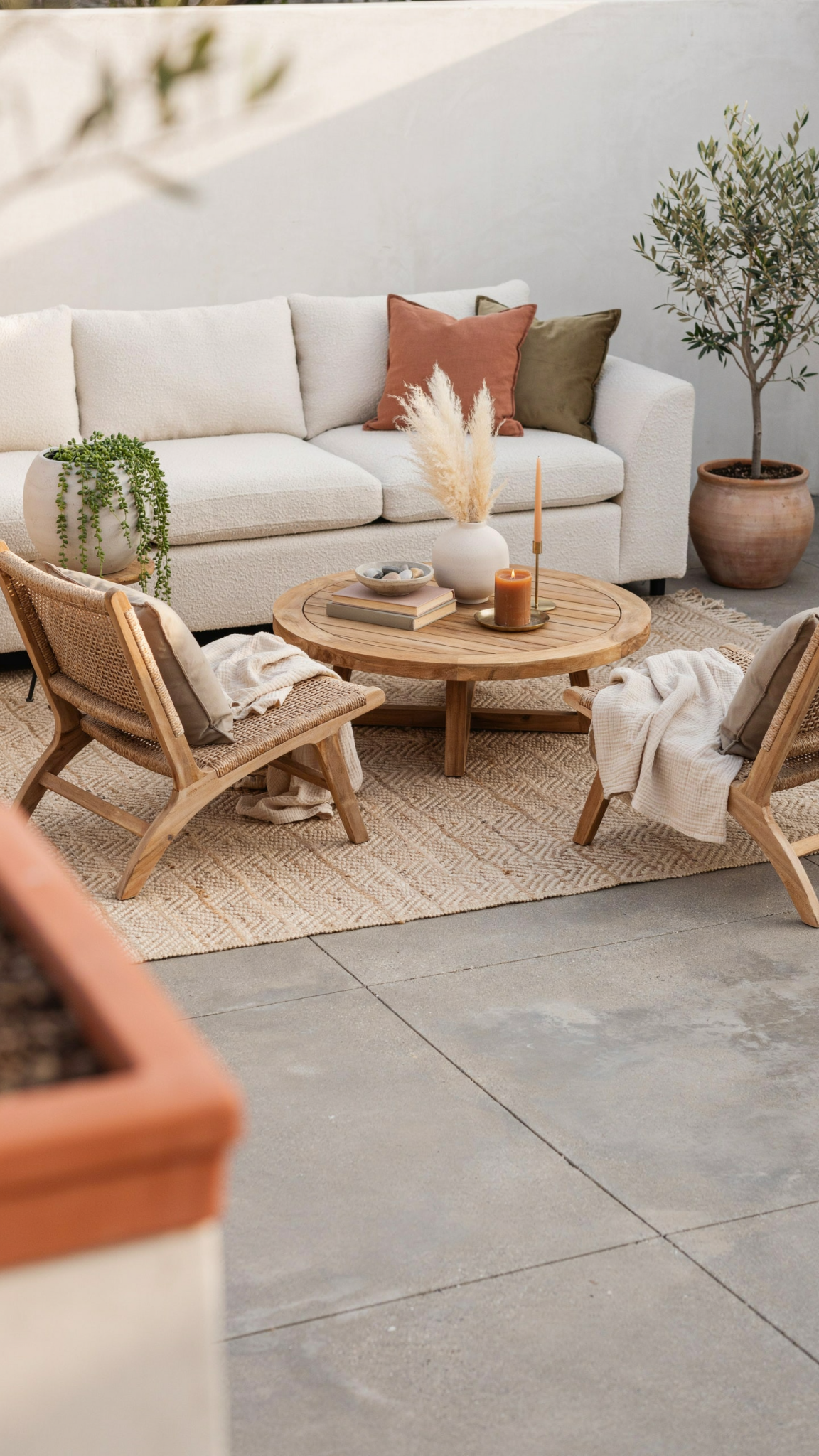
Keep a basket of lightweight, washable throw blankets near the door or in a weather-tight outdoor storage box. When the evening air gets a little crisp, having a soft blanket readily available encourages guests to stay outside longer. It is a small gesture of hospitality that makes the space feel incredibly thoughtful and welcoming.
Consider adding outdoor curtains if you have a pergola or a covered porch. Even if they are left tied back most of the time, the sheer presence of flowing fabric softens the hard architectural lines of the structure. When drawn, they provide privacy, block harsh late-afternoon sun, and create an incredibly intimate, cabana-like atmosphere.
The Role of Color and Materiality
The materials and colors you choose for your outdoor space play a massive role in its perceived temperature. A patio dominated by cool grays, stark whites, and sleek metals will always feel colder than one featuring warm woods, terracotta, and earthy tones.
If your existing hardscaping is a cool-toned gray concrete or stone, you need to actively counteract it with warm materials in your furniture and accessories. Teak, acacia, and cedar are excellent choices for outdoor furniture. The natural, warm tones of the wood bring an immediate sense of life and organic beauty to the space. As teak weathers to a silvery gray, it still retains a softer, more natural texture than metal or plastic.
Woven materials like rattan, wicker, or their durable synthetic counterparts (resin wicker) also introduce essential warmth and texture. A resin wicker lounge chair has a visual complexity and a tactile quality that a flat metal chair lacks.
When it comes to color palettes, lean into hues that evoke warmth. You do not have to paint your patio bright orange, but incorporating accents of terracotta, mustard yellow, deep olive green, or rich navy blue can ground the space. If you prefer a neutral palette, ensure you are mixing different shades of cream, taupe, and warm beige rather than relying solely on stark white and cool gray.
Pay attention to the finish of your metals. While polished stainless steel or bright aluminum can look sleek and modern, they can also feel clinical in an outdoor setting. Matte black, oil-rubbed bronze, or weathered brass finishes are generally more forgiving and add a touch of sophisticated, grounded warmth.
The Power of Plants: Creating a Living Environment
A patio without plants is just a stage waiting for the actors to arrive. Plants are the ultimate antidote to a cold, sterile outdoor space. They introduce life, movement, color, and an organic unpredictability that softens the rigid lines of the built environment.
However, a single, sad-looking geranium in a plastic pot is not going to cut it. To make a space feel inviting, you need to approach container gardening with intention and scale. Think in terms of layers and groupings.
Start with a “thriller” or a large, structural plant that adds height and drama. This could be a potted olive tree, a large bird of paradise, or a tall ornamental grass. Place this in a substantial, high-quality planter. A large, beautifully glazed ceramic pot or a weathered terracotta urn adds its own layer of design and warmth.
Next, add “fillers” which are medium-sized plants that provide volume and texture, like ferns, hostas, or bushy flowering plants. Finally, include “spillers” which are plants that trail over the edge of the pot, softening the lines of the container and connecting it visually to the ground.
Group your pots together rather than scattering them individually around the perimeter of the patio. A cluster of three pots of varying heights and complementary styles creates a deliberate design moment and has a much stronger visual impact than three pots spread far apart.
Do not limit plants to the floor. Use the vertical space. Hang trailing plants from a pergola, mount staghorn ferns on a slatted privacy screen, or use a tiered plant stand to bring greenery up to eye leve