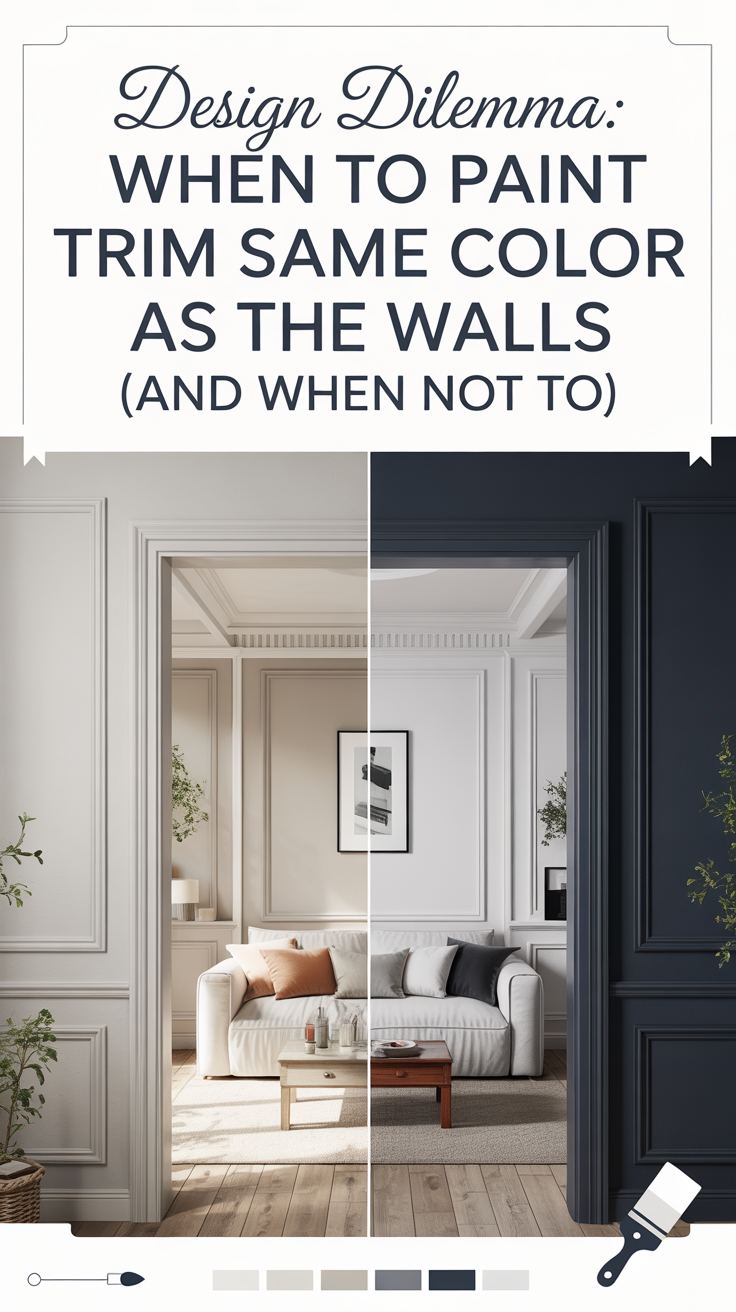
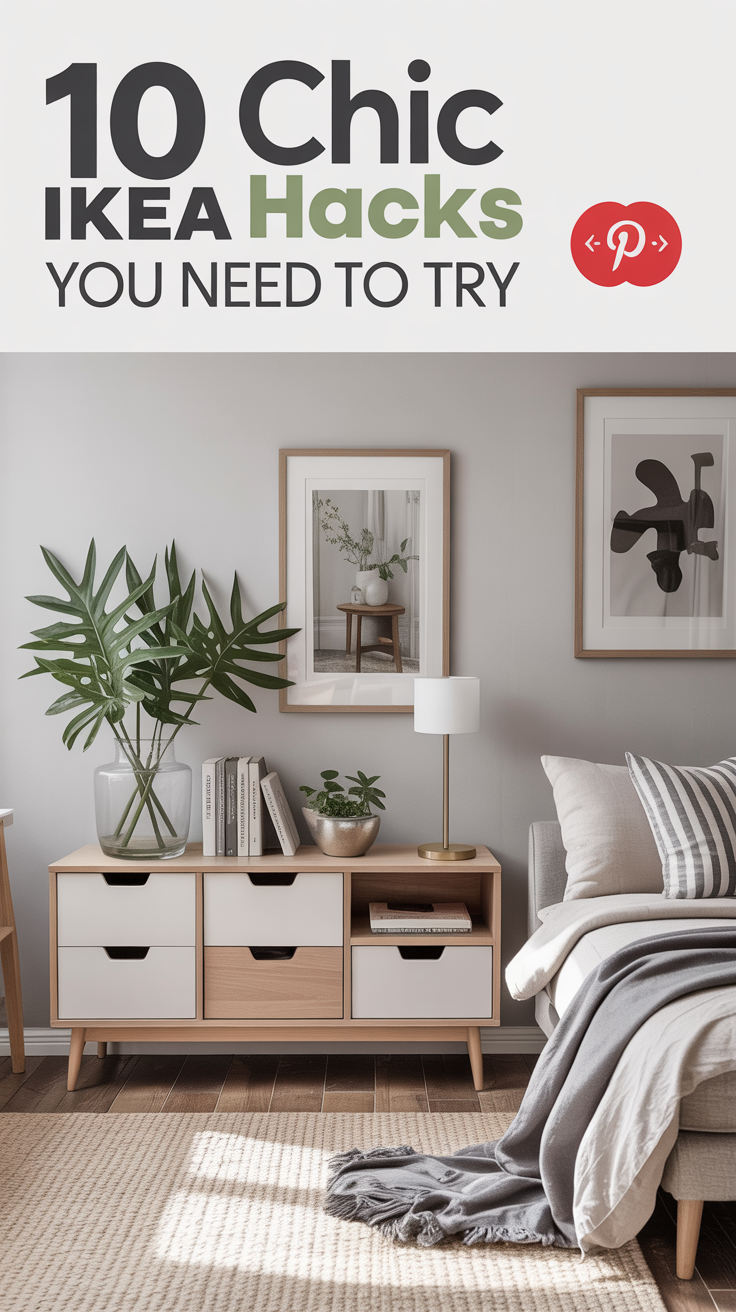
Your bedroom is far more than a mere space for slumber; it is a profound personal retreat, a sanctuary where the deepest comforts intertwine with sophisticated style. In an increasingly fast-paced world, the desire to create a serene and luxurious haven within our homes has become paramount. This trend is driven by a collective yearning for spaces that offer respite, foster well-being, and reflect individual aesthetic sensibilities. With the resurgence of cozy, layered interiors and the enduring appeal of statement furniture, designing a bedroom that feels both tranquil and opulent is now more accessible than ever. At the forefront of contemporary bedroom design are two pivotal elements: canopy beds and cozy corners. These elements not only introduce significant visual drama but also cultivate an enveloping, comforting atmosphere, enabling the creation of a space that is stylish, highly functional, and profoundly inviting.
Let’s talk about designing your ultimate dream bedroom. I will cover the history and modern interpretations of canopy beds, offering detailed insights into their styling and selection. Then we can talk through the creation of bespoke cozy corners—whether for reading, lounging, or meditation—and discuss the psychological benefits they offer.
The Allure and History of Canopy Beds
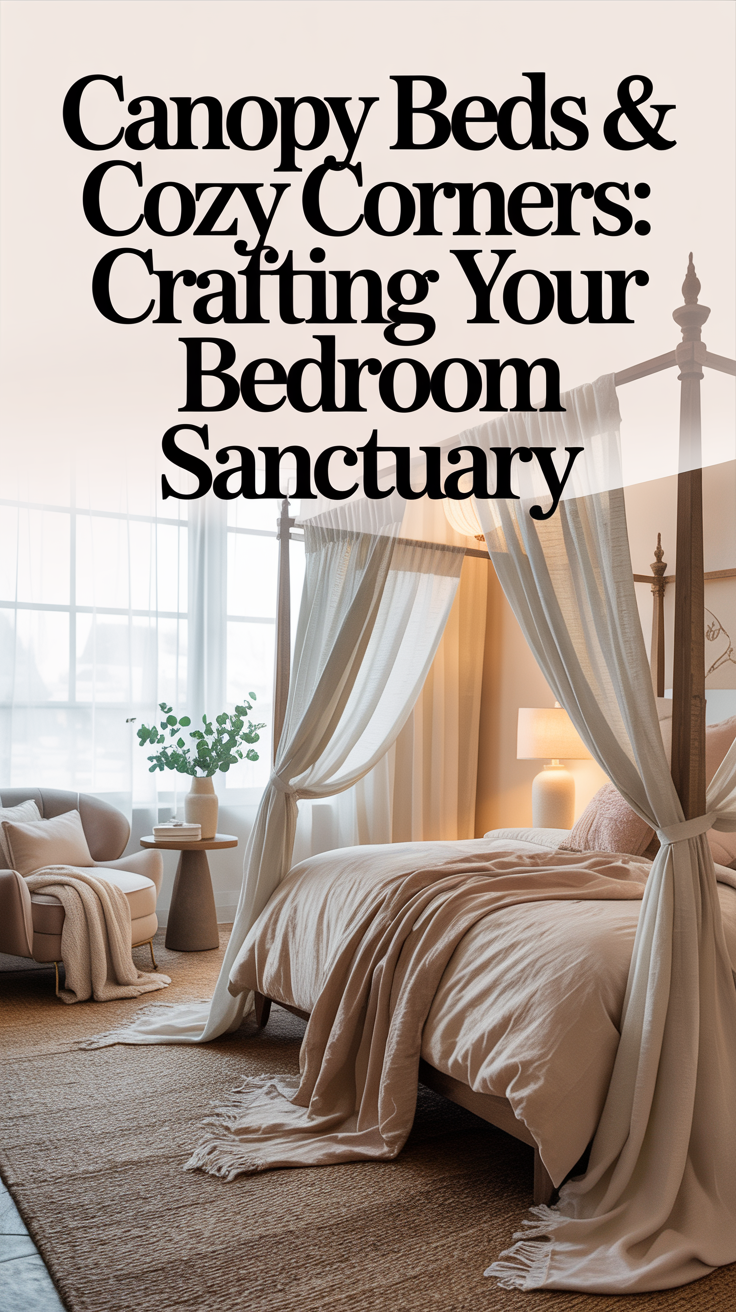
Canopy beds, with their majestic frames and often draped fabrics, have transcended their historical origins to become a versatile centerpiece in modern interior design. Far from being confined to traditional or overtly opulent settings, they have evolved to complement a diverse array of styles, including modern minimalist, bohemian, rustic, and eclectic bedrooms. Their enduring appeal lies in their unique ability to combine grandeur with intimacy, creating a focal point that is both striking and comforting.
A Journey Through Time: The Historical Evolution of Canopy Beds
The concept of a bed with an overhead covering dates back millennia, with early forms emerging in ancient Egypt and Persia. These rudimentary structures were primarily functional, designed to protect sleepers from insects, dust, and drafts. The earliest known canopy beds were often simple wooden frames with draped fabrics, serving a practical purpose in diverse climates.
It was during the Medieval period in Europe that canopy beds began to acquire their symbolic significance. Initially, they were massive, heavy structures, often carved from dark wood, with thick drapes that could be fully enclosed. These beds were not merely for sleeping; they were status symbols, indicative of wealth, nobility, and power. In drafty castles and manor houses, the heavy curtains provided essential warmth and privacy, particularly when multiple family members or servants might share a single large room. The drapes also offered a sense of security and protection, creating a private, intimate space within a larger, often public, living area.
By the Renaissance, canopy beds had become even more elaborate, featuring intricate carvings, gilding, and luxurious fabrics like velvet, silk, and brocade. They were often adorned with family crests or emblems, further emphasizing the owner’s status. The four-poster design, which became synonymous with canopy beds, allowed for more decorative and structural possibilities.
The 17th and 18th centuries saw a shift in design, with canopy beds becoming slightly less imposing but still retaining their grandeur. Lighter fabrics and more refined structures emerged, reflecting evolving tastes. In America, the four-poster bed became a distinct adaptation, offering a practical yet visually striking alternative to their European counterparts.
During the Victorian era, canopy beds often featured heavy, ornate designs with dark woods and rich, often floral, textiles, reflecting the period’s love for elaborate ornamentation. However, with the advent of modernism in the 20th century, the heavy, traditional canopy bed fell out of favor, often seen as too formal or old-fashioned for contemporary sensibilities.
Today, canopy beds are experiencing a significant revival, reimagined for modern living. Designers are embracing cleaner lines, lighter materials, and adaptable designs, making them suitable for a wide range of interior aesthetics. Their nostalgic appeal, combined with their ability to add elegance and coziness, has cemented their place in contemporary bedroom design.
The Modern Appeal of Canopy Beds
The enduring popularity of canopy beds in the 21st century can be attributed to several key factors that resonate with current interior design philosophies and personal well-being:
- Visual Anchor and Focal Point: A canopy bed inherently commands attention. Its vertical structure draws the eye upwards, creating a sense of height and grandeur, even in rooms with standard ceilings. It serves as the undisputed focal point of the room, around which all other design elements can be harmoniously arranged. This strong visual presence instantly elevates the aesthetic of the entire space, giving it a curated and intentional feel.
- Cocoon-like Coziness and Intimacy: The framework of a canopy bed, especially when adorned with drapes or sheer fabrics, creates a distinct sense of enclosure. This ‘room within a room’ effect fosters a profound sense of security, privacy, and warmth, transforming the bed into a personal cocoon. This intimate atmosphere is perfect for unwinding, promoting relaxation and a deeper sense of peace after a long day.
- Layering Opportunity: Canopy beds are a designer’s dream for layering. The frame provides an ideal structure for incorporating various textiles—from lightweight sheers to rich velvets—allowing for a dynamic interplay of textures, patterns, and colors. This layering extends beyond the drapes to bedding, throws, and pillows, making the bedroom feel exceptionally plush, curated, and inviting. This tactile richness contributes significantly to the overall sense of comfort and luxury.
- Design Flexibility and Versatility: Modern canopy beds are incredibly versatile. They are available in a myriad of materials and styles, allowing them to seamlessly integrate into almost any design aesthetic. Whether you prefer the sleek lines of a metal frame, the organic warmth of wood, or the airy simplicity of an open, minimalist design, there is a canopy bed to match your vision. This adaptability ensures that the grandeur of a canopy bed can be enjoyed without sacrificing personal style.

Choosing the Perfect Canopy Bed: Trending Styles and Considerations
Selecting a canopy bed is a significant design decision that extends beyond mere aesthetics; it’s about choosing a piece that resonates with your bedroom’s personality and functional needs. Here are some trending styles and key considerations:
- •Modern Minimalist Canopy: These beds feature sleek, often slender frames made from materials like black metal, polished chrome, or brass. Their design emphasizes clean lines and an uncluttered aesthetic. Instead of heavy curtains, they are typically paired with sheer panels or left undraped to maintain an airy, open feel. The focus is on simplicity and understated elegance, often complemented by neutral bedding and geometric décor. This style is perfect for those who appreciate contemporary design and a calm, uncluttered environment.
- Rustic Wood Canopy: Crafted from natural or reclaimed wood, these canopy beds exude warmth, authenticity, and an organic aesthetic. The wood grains and natural imperfections add character and a connection to nature. They work beautifully in bohemian, farmhouse, or rustic-inspired bedrooms, especially when combined with layered rugs, macramé wall hangings, and earthy textiles. The robust presence of a wooden canopy bed creates a grounded and inviting atmosphere.
- Romantic Draped Canopy: This style focuses on creating a serene, dreamy escape. Soft, flowing fabrics such as linen, voile, or delicate cotton are draped over the frame, softening the lines and creating a cloud-like effect. The emphasis is on gentle movement and ethereal beauty. These beds are often enhanced with fairy lights or soft bedside lamps, casting a warm, inviting glow that promotes relaxation and romance. This is ideal for those seeking a truly enchanting and tranquil bedroom experience.
- Metallic Glam Canopy: For a touch of luxury and sophistication, metallic glam canopy beds feature frames in gold, bronze, or polished silver. These beds instantly elevate the room’s opulence. They pair exquisitely with velvet bedding, plush throws, and statement light fixtures, creating a lavish and glamorous ambiance. This style is perfect for those who desire a bold, high-end look in their bedroom.
- Japanese-Inspired Canopy: Reflecting principles of simplicity, balance, and harmony with nature, Japanese-style canopy beds are typically made from natural wood with clean, understated designs. They often feature lower profiles and emphasize a connection to natural elements and a minimalist aesthetic. This style promotes a sense of calm and order, aligning with contemporary wellness trends.
Considerations for Small Spaces: Even in smaller bedrooms, a canopy bed can be a luxurious addition. The key is to choose lightweight materials and avoid heavy, voluminous curtains that can overwhelm the space. Opt for frames with a low profile or open designs, and consider sheer fabrics or no drapes at all to maintain an airy feel. Strategic placement and thoughtful design can make a canopy bed work beautifully in compact environments, enhancing rather than detracting from the sense of space.
Creating Cozy Corners: Nurturing Your Inner Sanctuary
While a canopy bed anchors the room with its grandeur, cozy corners are essential for transforming your bedroom into a holistic retreat. These dedicated spaces provide opportunities for introspection, relaxation, and personal activities, making the bedroom feel truly complete and deeply personal. The psychological benefits of having such a designated ‘calm-down corner’ are significant, offering a space to process emotions, reduce stress, and engage in self-soothing activities.
The Psychological Impact of Dedicated Retreats
In an increasingly digital and demanding world, the importance of a personal sanctuary cannot be overstated. A well-designed bedroom, particularly one with designated cozy corners, can significantly impact mental well-being. These spaces offer:
- Stress Reduction: Retreating to a cozy corner can act as a buffer against daily stressors, providing a physical boundary between external pressures and internal peace.\
- Emotional Regulation: For both adults and children, a calm corner can be a place to process emotions, practice mindfulness, and regain control when feeling overwhelmed.
- Enhanced Focus and Creativity: A quiet, comfortable nook can be ideal for reading, journaling, or engaging in hobbies, fostering concentration and creative thought.
- Sense of Security and Comfort: The enclosed, intimate nature of a cozy corner can evoke feelings of safety and warmth, reminiscent of a protective embrace.
Types of Cozy Corners and Their Design Elements
Cozy corners can be tailored to various needs and preferences, each with specific design considerations:
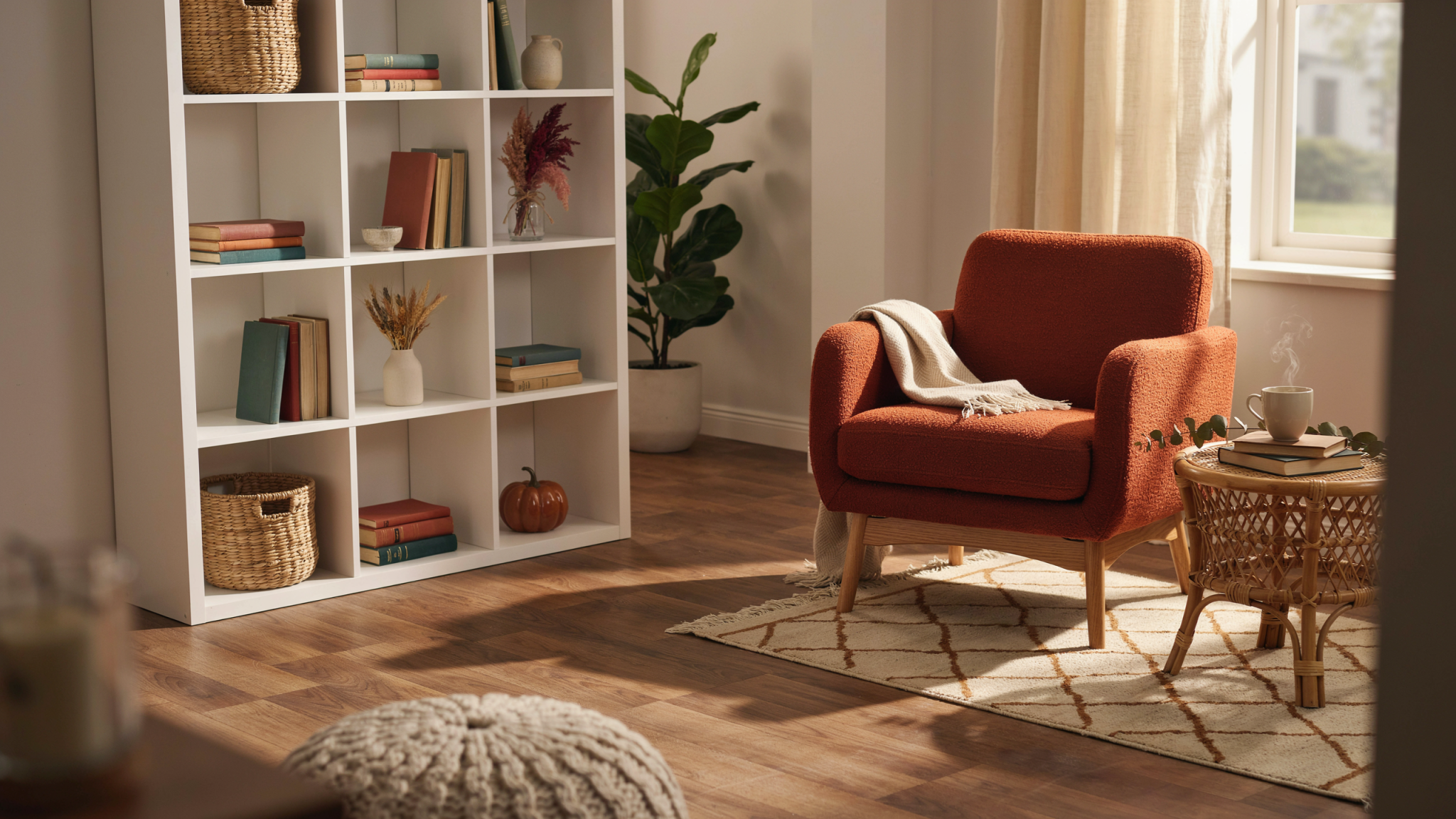
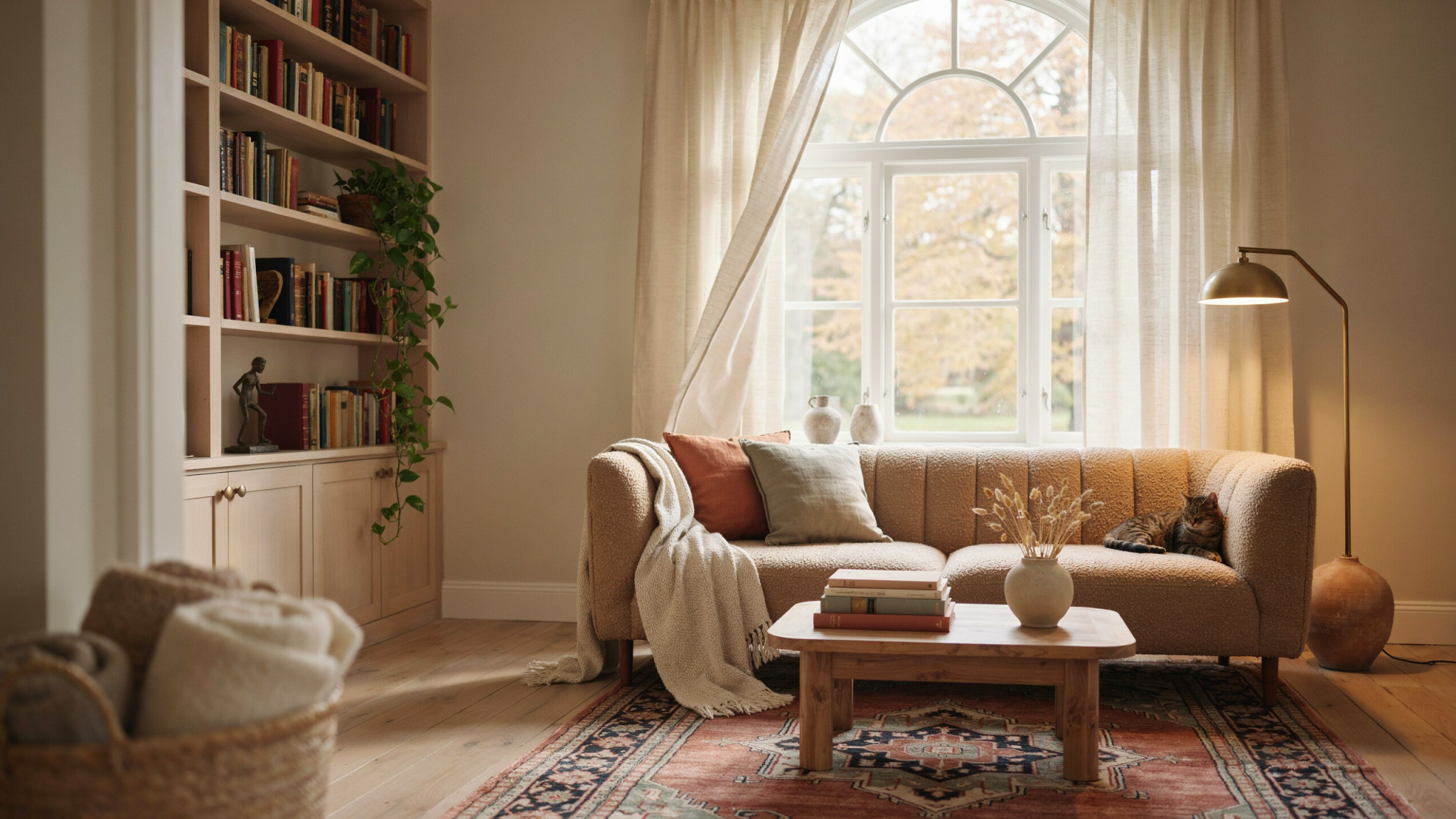
- Reading Nooks: A classic cozy corner, the reading nook is designed for literary escape. Key elements include:
- Comfortable Seating: A plush armchair, a chaise lounge, or a bean bag chair is essential. Ensure it provides adequate back support for extended reading sessions.
- Optimal Lighting: A floor lamp with adjustable brightness or a wall-mounted sconce provides focused illumination without harshness. Warm-toned light bulbs enhance the cozy atmosphere.
- Side Table: A small table to hold a cup of tea, a snack, or your current read. Consider one with a drawer for discreet storage.
- Book Storage: A small bookshelf, floating shelves, or a stack of books on the floor keeps your favorite reads accessible and creates a visual cue for the space.
- Soft Furnishings: A soft throw blanket, oversized pillows, and a small rug underfoot amplify the comfort and define the space.
- Window Seats: If your bedroom boasts a large window, a built-in or freestanding window seat is a natural choice for a cozy corner. These spaces offer natural light and often a pleasant view. Design elements include:
- Cushioned Seating: A thick, comfortable cushion is paramount. Consider custom upholstery for a perfect fit.
- Pillows and Throws: A generous array of oversized pillows and soft throws enhances comfort and visual appeal.
- Small Tray or Table: A compact surface for drinks, a journal, or a small plant.
- Adjustable Window Treatments: Curtains, Roman shades, or blinds allow you to control natural light and privacy, essential for both reading and lounging.
- Storage: Many window seats can be designed with built-in storage underneath, perfect for blankets, books, or seasonal items.
- Meditation or Yoga Space: Dedicated to mindfulness and inner peace, this corner is characterized by simplicity and calming elements. Key features include:
- Soft Flooring: A plush rug, a meditation mat, or floor pillows create a comfortable surface for sitting or light stretching.
- Minimalist Décor: Avoid clutter. Focus on a few carefully chosen items that evoke tranquility, such as a small indoor plant, a smooth stone, or a piece of calming artwork.
- Aromatherapy: An essential oil diffuser or a subtle candle can enhance the sensory experience and promote relaxation.
- Natural Elements: Incorporating elements like a small indoor fountain for gentle sounds or natural wood accents can deepen the connection to nature and promote serenity.
- Mini Workstation or Vanity Corner: For those who need a functional yet comfortable space within their bedroom, a mini workstation or vanity corner offers a blend of practicality and personal retreat. Design considerations include:
- Compact Desk or Vanity: Choose a sleek, space-saving design that doesn’t overwhelm the corner.
- Comfortable Chair: A plush, ergonomically sound chair that encourages good posture while maintaining comfort.
- Ample Lighting: Task lighting, such as a desk lamp, is crucial. Complement with ambient lighting for a softer mood.
- Minimal Décor: Keep surfaces tidy and organized. A small vase with fresh flowers or a cherished photograph can add a personal touch without creating clutter.Smart Storage: Drawers or small organizers help keep work or beauty essentials neatly tucked away.
Defining Cozy Corners: In larger bedrooms, rugs, strategic lighting, and accent furniture can effectively define these distinct zones, creating a sense of intimacy and purpose within the broader space. Even in smaller rooms, a well-placed floor lamp and a comfortable chair can carve out a meaningful nook.
The Art of Ambiance: Color, Texture, and Lighting
The overall ambiance of your bedroom is a delicate interplay of color, texture, and light. These elements, when thoughtfully combined, create a sensory experience that profoundly influences your mood and ability to relax. Mastering their application is crucial for crafting a truly serene and luxurious retreat.
Choosing a Calming Color Palette
Colors have a powerful psychological impact, influencing emotions, perceptions, and even physiological responses. In the bedroom, the goal is to select hues that evoke tranquility, promote relaxation, and create a sense of calm. While personal preference plays a role, certain palettes are universally recognized for their soothing qualities.
Trending Bedroom Color Palettes for Serenity:
- Soft Neutrals: Timeless and versatile, palettes of beige, taupe, warm grays, and off-whites create a sophisticated and calming backdrop. These colors are inherently soothing and provide a perfect foundation for layering textures and introducing subtle accent colors. They create an airy, expansive feel, making rooms appear larger and brighter.
- Earthy Tones: Drawing inspiration from nature, colors like olive greens, muted browns, terracotta, and dusty blues add warmth, depth, and a grounding presence. These hues connect the space to the natural world, fostering a sense of peace and organic harmony. They work particularly well with natural materials like wood and stone.
- Pastel Hues: Soft blues, blush pinks, lavender, and mint greens evoke a sense of tenderness, tranquility, and softness. These gentle colors are known for their calming effects, making them ideal for creating a dreamy and serene bedroom environment. They can be used on walls or introduced through bedding and accessories.
- Monochromatic Whites and Creams: Layers of varying shades of white and cream create an incredibly airy, clean, and spa-like effect. This palette emphasizes purity and simplicity, providing a crisp backdrop that highlights textures and subtle variations in tone. To prevent it from feeling sterile, incorporate diverse textures and warm lighting.
Pro Tip: While a calming base palette is essential, accent colors can add personality without disrupting serenity. Use them sparingly in elements like throw pillows, a piece of artwork, or a decorative vase. The key is to maintain balance, ensuring that accents complement rather than overwhelm the primary calming hues.
Layering Textures for Ultimate Comfort and Sensory Richness
Texture is the tactile dimension of design, and its thoughtful application is what transforms a bedroom from merely functional to profoundly luxurious and inviting. Layering different materials creates visual interest, adds depth, and enhances the sensory experience of comfort. It encourages you to touch, feel, and sink into the space.
Ideas for Effective Texture Layering:
- Bedding: This is the primary area for texture play. Start with crisp cotton or linen sheets, add a plush duvet cover (perhaps in a different material like sateen or percale), and then layer with a quilted coverlet, a chunky knit throw, or a faux fur blanket. Mix and match materials like silk, velvet, and wool for a truly opulent feel.
- Rugs: Rugs not only add warmth underfoot but also define zones within the bedroom. Combine natural fibers like jute, sisal, or wool for a grounded feel with softer, plush area rugs. A large rug under the bed can anchor the space, while smaller rugs can delineate cozy corners or pathways.
- Curtains and Window Treatments: The choice of curtains significantly impacts both light and texture. Heavy, insulated drapes can add a sense of grandeur and warmth, while light, sheer panels introduce an airy, ethereal quality. Consider layering sheers under heavier drapes for versatility in light control and an added layer of texture.
- Pillows and Throws: These are effortless ways to introduce a variety of textures. Mix velvet, faux fur, chunky knits, embroidered fabrics, and linen pillows. Vary their sizes and shapes for visual dynamism. Throws draped over chairs, beds, or window seats invite tactile interaction.
- Furniture and Décor: Don’t overlook the textures of your furniture. A wooden headboard, a rattan chair, a metallic lamp, or a ceramic vase all contribute to the textural landscape of the room. Incorporate natural elements like woven baskets, stone accents, or live plants for organic textures.
Pro Tip: While layering is encouraged, avoid excessive clutter. Limit bold patterns to one or two key pieces to maintain a sophisticated and serene aesthetic. The goal is richness, not busyness.
Lighting Matters: Setting the Mood and Enhancing Functionality
Lighting is perhaps the most crucial element in setting the mood and enhancing the functionality of your bedroom. A well-designed lighting scheme incorporates multiple layers, allowing for flexibility and control over the ambiance. It can transform a space from brightly functional to intimately relaxing with the flick of a switch.
Layered Lighting Strategies for the Bedroom:
- Overhead Chandeliers or Pendant Lights (Ambient Lighting): These fixtures provide general illumination for the entire room. Choose a statement piece that complements your bedroom’s style, whether it’s a grand chandelier for a glam look or a minimalist pendant for a modern aesthetic. Ensure the light is diffused and warm, avoiding harsh overhead glare.
- Bedside Lamps (Task and Accent Lighting): Essential for reading in bed, bedside lamps also add warmth and balance to the room. Opt for adjustable lamps or those with dimmer switches for personalized control. Sconces mounted on the wall can free up nightstand space and provide a sleek, integrated look.Fairy Lights or String Lights (Accent Lighting): These add a magical, whimsical touch, especially when draped around a canopy bed or along a wall. They provide a soft, ambient glow that is perfect for creating a dreamy and romantic atmosphere. Battery-operated options offer flexibility in placement.
- Floor Lamps for Cozy Corners (Task and Accent Lighting): A well-placed floor lamp can define a reading nook or meditation space, providing inviting light without the harshness of overhead fixtures. Choose a design that complements the corner’s aesthetic, whether it’s an arc lamp, a tripod lamp, or a classic standard lamp.
- Recessed Lighting and Cove Lighting (Ambient and Accent Lighting): For a more integrated and subtle approach, recessed lights can provide general illumination, while cove lighting (hidden strips of light along architectural features) can create a soft, indirect glow that enhances architectural details and adds depth.
Tip: The strategic use of dimmers on all light fixtures is invaluable. Dimmers allow you to adjust the intensity of light, seamlessly transitioning the room from bright daytime functionality to a soft, relaxing evening ambiance. Smart lighting systems can further enhance this control, allowing for scheduled changes and remote operation.
Accessorizing and Finishing Touches: Personality and Practicality
Accessories are the soul of a room, injecting personality, warmth, and a sense of completion. In the bedroom, careful curation of accessories is key to maintaining serenity while adding character. The right finishing touches can elevate the design, making the space feel uniquely yours without creating clutter.
Must-Have Accessories for a Dream Bedroom
- Artwork & Wall Décor: Choose pieces that resonate with you and evoke a sense of calm. Instead of many small items, opt for one or two statement pieces—a large abstract painting, a serene landscape, or a gallery wall with a cohesive theme. Mirrors also serve as excellent wall décor, reflecting light and making the room feel larger and brighter.
- Plants & Greenery: Indoor plants add life, freshness, and a natural calming effect to any space. They improve air quality and introduce organic texture and color. Consider snake plants, peace lilies, or ferns for low-maintenance options. Hanging planters or small potted plants on nightstands or shelves can soften the room’s edges.
- Decorative Trays & Nightstand Décor: To maintain a tidy and organized aesthetic, use decorative trays on nightstands, dressers, or vanity corners. These act as designated spots for essentials like jewelry, a water carafe, or a book, preventing clutter. Curate a few elegant items such as a small sculpture, a scented candle, or a framed photograph.
- Candles & Diffusers: Scent has a powerful connection to memory and mood. Incorporate scented candles or essential oil diffusers with calming fragrances like lavender, chamomile, or sandalwood to elevate the sensory experience and promote relaxation.
- Throw Blankets and Pillows: Beyond their textural contribution, throws and decorative pillows are accessories that add layers of comfort and visual interest. They can introduce pops of color or pattern and invite you to snuggle in.
Flooring & Rugs: Anchoring the Design and Enhancing Coziness
The flooring choice significantly impacts the overall feel and acoustics of a bedroom. It anchors the design and contributes to the sense of warmth and comfort.
- Hardwood Floors: Classic and timeless, hardwood floors offer a clean, elegant foundation. They are durable and easy to clean, and their natural warmth pairs beautifully with layered area rugs. The contrast between the hard floor and soft rugs creates an appealing dynamic.
- Carpet: For ultimate softness underfoot and superior sound absorption, wall-to-wall carpeting is an excellent choice. Opt for neutral tones like beige, gray, or cream to maintain a calming atmosphere. Plush, high-pile carpets enhance the luxurious feel.
- Area Rugs: Regardless of the underlying flooring, area rugs are indispensable for defining spaces and adding warmth. Place a large area rug under the bed, extending beyond the sides to create a soft landing. Smaller rugs can delineate cozy corners, adding an extra layer of comfort and style.
Pro Tip: In rooms with hardwood or tile, layering multiple rugs—perhaps a larger jute rug with a smaller, plush sheepskin rug on top—can add significant warmth, texture, and visual interest, creating a truly inviting environment.
Balancing Functionality with Style: The Practical Dream Bedroom
A dream bedroom is not just beautiful; it is also highly functional, catering to your daily needs while maintaining its serene aesthetic. Thoughtful consideration of storage, layout, and usability ensures that the space remains a sanctuary, free from clutter and inefficiency.
Smart Storage Solutions
Clutter is the enemy of serenity. Integrating smart storage solutions is paramount to keeping your bedroom organized and peaceful.
- Under-Bed Storage: Maximize often-unused space with under-bed drawers or stylish storage baskets. These are perfect for stowing away extra bedding, seasonal clothing, or rarely used items, keeping them out of sight but easily accessible.
- Nightstands with Storage: Choose nightstands that offer more than just a surface. Drawers or shelves allow you to keep essentials like books, hand cream, or charging cables neatly tucked away, maintaining a clean and uncluttered bedside area.
- Multipurpose Furniture: A bench at the foot of the bed can serve multiple functions—as extra seating, a place to lay out clothes for the next day, or even as hidden storage with a lift-top design. Ottomans with storage are another versatile option.
- Built-in Wardrobes and Custom Cabinetry: For a seamless and integrated look, built-in wardrobes or custom cabinetry can provide extensive storage while blending harmoniously with the room’s design, creating a sleek, uncluttered appearance.
Thoughtful Layout and Flow
The arrangement of furniture and the flow of movement within the bedroom are crucial for both aesthetics and practicality.
- Clear Walkways: Ensure there is ample space around the bed and other furniture to move freely. Avoid overcrowding the room, which can make it feel cramped and stressful.
- Accessible Cozy Corners: Position cozy corners in a way that makes them inviting and easy to access without disrupting other areas of the room. They should feel like a natural extension of the space, not an afterthought.
- Symmetry and Balance: While not strictly necessary, a sense of symmetry (e.g., matching nightstands and lamps) can create a feeling of calm and order. Balance larger pieces of furniture to distribute visual weight evenly throughout the room.
Trending Bedroom Décor Ideas for 2025 and Beyond
The world of interior design is constantly evolving, and the bedroom is no exception. Here’s a curated list of trending ideas that blend contemporary aesthetics with timeless comfort, ensuring your dream bedroom remains stylish and relevant.
- Canopy Beds with Sheer Drapes: This trend continues to dominate, emphasizing a romantic, airy, and ethereal retreat. The use of lightweight, translucent fabrics softens the bed’s structure and creates a dreamy ambiance.
- Statement Headboards: Beyond the canopy bed, statement headboards—whether upholstered in luxurious fabrics, intricately carved from wood, or featuring unique architectural designs—are making a strong impact. They serve as a focal point, adding personality and sophistication.
- Layered Bedding in Soft Tones: The emphasis is on creating a tactile and visually rich bedscape using a variety of textures (linen, cotton, velvet, knit) in a harmonious palette of soft neutrals, pastels, and earthy tones. This evokes a spa-like, luxurious feel.
- Dedicated Reading Nooks: The importance of a designated space for relaxation and introspection is growing. Comfy armchairs, floor lamps, and small side tables continue to be key elements in these inviting corners.
- Warm Metallic Accents: Gold, brass, and bronze fixtures and accents are preferred over cooler silvers. These warm metals add a touch of understated luxury and sophistication, appearing in light fixtures, hardware, and decorative objects.
- Earthy Textures and Natural Materials: A strong connection to nature is a prevailing theme. Rattan chairs, jute rugs, woven baskets, and raw wooden décor pieces bring organic warmth and texture into the bedroom, creating a grounded and serene environment.
- Neutral Walls with Thoughtful Pops of Color: While calming neutral palettes remain foundational, strategic pops of color are introduced through accent pillows, throws, or a single piece of vibrant wall art. This adds visual interest without overwhelming the serene base.
- Indoor Greenery: An abundance of potted plants and hanging planters continues to be a major trend, bringing life, improving air quality, and adding a natural, calming element to the space.
- Architectural Interest with Wall Treatments: Wall panels, wainscoting, or subtle textured wallpapers add depth and architectural interest without the need for excessive ornamentation. These elements create a bespoke and sophisticated backdrop.
- Smart, Layered, and Adjustable Lighting: Beyond aesthetics, functionality is key. Integrated smart lighting systems that allow for layered illumination, dimming capabilities, and even color temperature adjustments are becoming standard for creating adaptable moods.
Maintaining Your Bedroom Sanctuary: Sustaining Serenity
Designing your dream bedroom is an exciting endeavor, but maintaining its serenity and functionality requires ongoing effort. A true sanctuary remains peaceful and inviting through consistent care and mindful habits.
- Declutter Regularly: The most critical step in maintaining a serene space is regular decluttering. Keep surfaces, floors, and chairs free from unnecessary items. Implement a daily or weekly routine to put things back in their designated places. A clean and organized environment directly contributes to a calm mind.
- Rotate Bedding Seasonally: Just as you update your wardrobe, consider rotating your bedding to match the seasons. Lighter, breathable fabrics like linen and cotton are ideal for warmer months, while flannel, velvet, or chunky knits provide warmth and coziness in colder seasons. This keeps the space feeling fresh and responsive to environmental changes.
- Keep Cozy Corners Functional: Ensure that your carefully crafted cozy corners remain usable and inviting. Avoid overloading them with decorative items that might hinder their primary purpose. Regularly refresh throws, fluff pillows, and keep reading materials tidy. The goal is functionality and comfort, not just aesthetics.
- Regular Cleaning and Organization: Beyond decluttering, routine cleaning—dusting, vacuuming, and tidying—is fundamental. A physically clean space is inherently more calming and conducive to relaxation. Consider investing in smart storage solutions to make organization easier and more sustainable.
- Engage Your Senses: Periodically refresh the sensory elements of your bedroom. Change out candle scents, rotate essential oil diffusers, or bring in fresh flowers. These small adjustments can significantly impact the overall ambiance and keep the space feeling vibrant and new.
Your Personal Haven Awaits
Your bedroom should be the ultimate expression of your personal sanctuary—a space meticulously designed for rest, rejuvenation, and escape from the demands of the outside world. By thoughtfully integrating elements such as the majestic presence of canopy beds, the intimate comfort of cozy corners, carefully curated color palettes, rich layered textures, optimized lighting strategies, and smart functional design, you can create a bedroom that is not only aesthetically beautiful but also profoundly serene and deeply restorative.
Whether your personal style gravitates towards a sleek minimalist modern aesthetic, the enchanting allure of romantic and dreamy vibes, or the grounded charm of rustic boho, the principles outlined in this guide are adaptable. These design tips and ideas serve as a comprehensive framework to help you craft a retreat that consistently feels like a luxurious getaway, right within the comfort of your own home.
Remember, the true essence of a dream bedroom lies in balance. It is the harmonious interplay between a statement canopy bed and its carefully chosen drapes, the inviting embrace of a well-appointed cozy corner, the tactile richness of layered textures, and the transformative power of thoughtful lighting that creates an environment of profound harmony. Your dream bedroom transcends mere visual appeal; it is fundamentally about how it feels when you step inside—a feeling of peace, comfort, and belonging that nurtures your spirit and recharges your soul.
By investing time and creativity into these elements, you are not just decorating a room; you are cultivating a space that actively supports your well-being, promotes restful sleep, and provides a daily escape into tranquility. Embrace the journey of transforming your bedroom into the sanctuary you deserve.