

The dining room is evolving, blending aesthetics, functionality, and sustainability in exciting new ways. As we move into 2025, homeowners and designers are shifting toward warm, inviting, and personalized spaces. Whether you’re planning a full remodel or a simple refresh, these 12 trends will keep your dining area stylish and on-trend.
1. Earthy Color Palettes
Neutral and earthy tones continue to dominate in 2025. Warm beiges, terracotta, muted greens, and deep browns create a cozy and grounded ambiance, making the dining room feel inviting and timeless.
Earthy color palettes are a major trend in 2025 because they create a warm, calming, and timeless atmosphere in dining rooms. These colors are inspired by nature, promoting relaxation and a sense of connection to the environment.
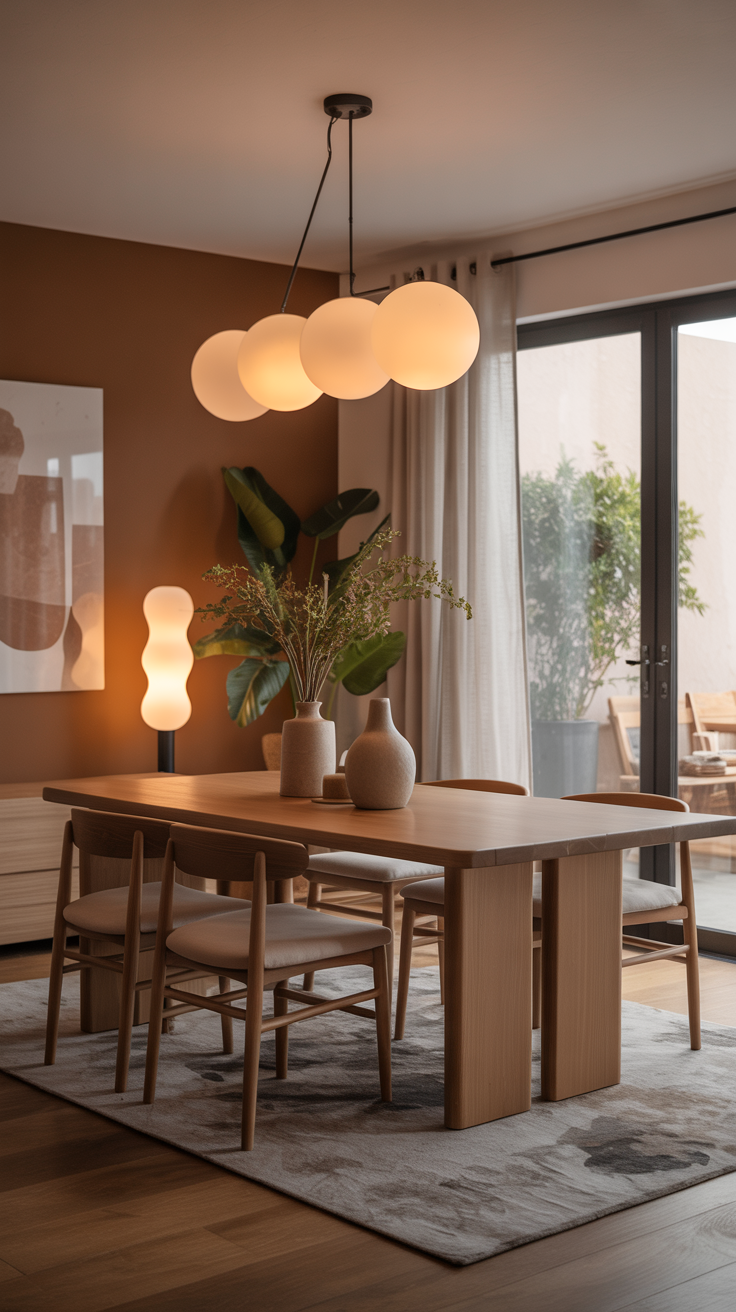
Key Colors to Watch:
- Warm Beiges & Tans – Neutral and versatile, these shades create a soft, inviting backdrop that pairs well with almost any decor style.
- Terracotta & Clay – Rich, reddish-brown hues add depth and warmth, perfect for Mediterranean and rustic-inspired dining spaces.
- Muted Greens – Shades like sage, olive, and moss bring a natural, organic feel to the room, complementing wood furniture and indoor plants.
- Deep Browns & Chocolates – Darker earthy tones add sophistication and a sense of grounding, especially when paired with warm lighting and wooden elements.
- Soft Creams & Off-Whites – These create a light, airy look that still feels warm and cozy, working beautifully in minimalist or Scandinavian-style dining rooms.
How to Incorporate Earthy Tones in Your Dining Room:
- Paint & Wallpaper – Use earthy shades on walls or opt for textured wallpaper with organic patterns.
- Furniture & Decor – Wooden tables, woven chairs, and ceramic dishware in these tones enhance the natural aesthetic.
- Textiles & Accessories – Linen tablecloths, jute rugs, and velvet or leather dining chairs in warm hues tie the look together.
- Accent Pieces – Greenery, terracotta vases, and brass or copper fixtures complement the earthy theme.
By integrating these color palettes, your dining room will feel both stylish and inviting, making it a perfect space for gatherings and relaxation. Let me know if you’d like more details on any specific color combinations or styling tips!
2. Sustainable and Natural Materials
Eco-conscious design is at the forefront. Expect dining tables and chairs crafted from reclaimed wood, bamboo, and natural stone. Organic textiles like linen tablecloths and jute rugs will also gain popularity, emphasizing sustainability without compromising style.
Sustainability is no longer just a trend—it’s a lifestyle choice that’s influencing home design, including dining spaces. In 2025, more homeowners are prioritizing eco-friendly materials that reduce environmental impact while adding warmth, texture, and character to their dining rooms.
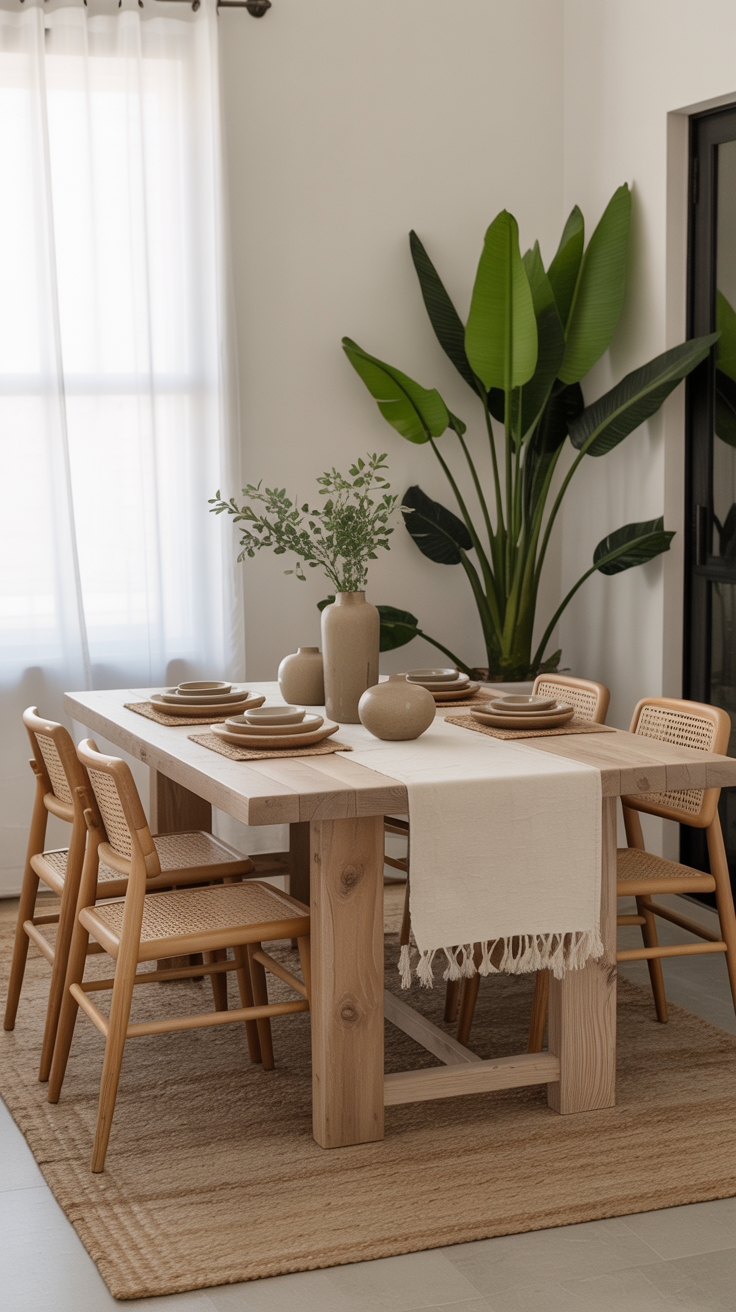
Key Sustainable Materials:
1. Reclaimed & FSC-Certified Wood
- Dining tables, chairs, and cabinetry made from reclaimed wood or sustainably sourced (FSC-certified) timber help reduce deforestation.
- These materials offer a unique, timeworn look with knots, grain patterns, and natural imperfections that add character.
2. Bamboo & Rattan
- Bamboo is a fast-growing, renewable resource perfect for lightweight furniture, flooring, and even dinnerware.
- Rattan chairs, pendant lights, and woven storage baskets bring a relaxed, organic touch to dining spaces.
3. Natural Stone & Concrete
- Marble, travertine, and soapstone are making a comeback in dining tables and countertops due to their durability and timeless appeal.
- Concrete is becoming popular for minimalist dining tables, as well as serving trays and tabletop decor.
4. Organic & Recycled Textiles
- Linen and cotton tablecloths, napkins, and seat cushions are replacing synthetic fabrics.
- Jute and wool rugs are eco-friendly choices that enhance warmth and texture underfoot.
- Some brands are even producing upholstery from recycled plastic bottles, giving waste a second life.
5. Sustainable Tableware & Accessories
- Ceramic and stoneware plates, cups, and bowls made by local artisans support sustainable craftsmanship.
- Recycled glass drinkware and vases add a stylish, eco-conscious touch to dining tables.
How to Incorporate Sustainable Materials in Your Dining Room:
Choose a solid wood dining table from an ethical manufacturer instead of mass-produced particleboard furniture.
Opt for handwoven rattan or cane-backed dining chairs for a natural yet sophisticated touch.
Decorate with organic cotton table linens and recycled glass vases to elevate your tablescape sustainably.
Invest in handmade ceramics and stoneware dishes that are not only beautiful but also durable and long-lasting.
Use LED lighting and energy-efficient fixtures to reduce electricity consumption.
This trend proves that sustainability and style go hand in hand. By choosing natural materials, you’ll create a dining space that feels warm, inviting, and environmentally responsible.
3. Statement Lighting
Oversized pendant lights and sculptural chandeliers are making waves. In 2025, lighting will be more than just functional—it will be a focal point. Think handblown glass fixtures, woven rattan pendants, and asymmetrical designs that add character and dimension.
Lighting is no longer just a practical necessity—it’s a design statement. In 2025, dining rooms will feature bold, sculptural lighting that serves as both an art piece and a functional element. Oversized pendants, dramatic chandeliers, and innovative light fixtures will redefine how we illuminate dining spaces.
Key Statement Lighting Trends:
1. Oversized Pendant Lights
- Large-scale pendants with unique materials like rattan, metal, or blown glass will command attention.
- These lights work well over rectangular and round dining tables, adding drama and symmetry.
- Dome-shaped and tiered pendants will be especially popular.
2. Sculptural Chandeliers
- Gone are the days of traditional crystal chandeliers—modern chandeliers feature asymmetrical forms, mixed materials, and geometric shapes.
- Expect designs that blend metals with glass or natural elements like wood and stone.
- Abstract, cascading, and layered chandeliers bring an artistic edge to the dining room.
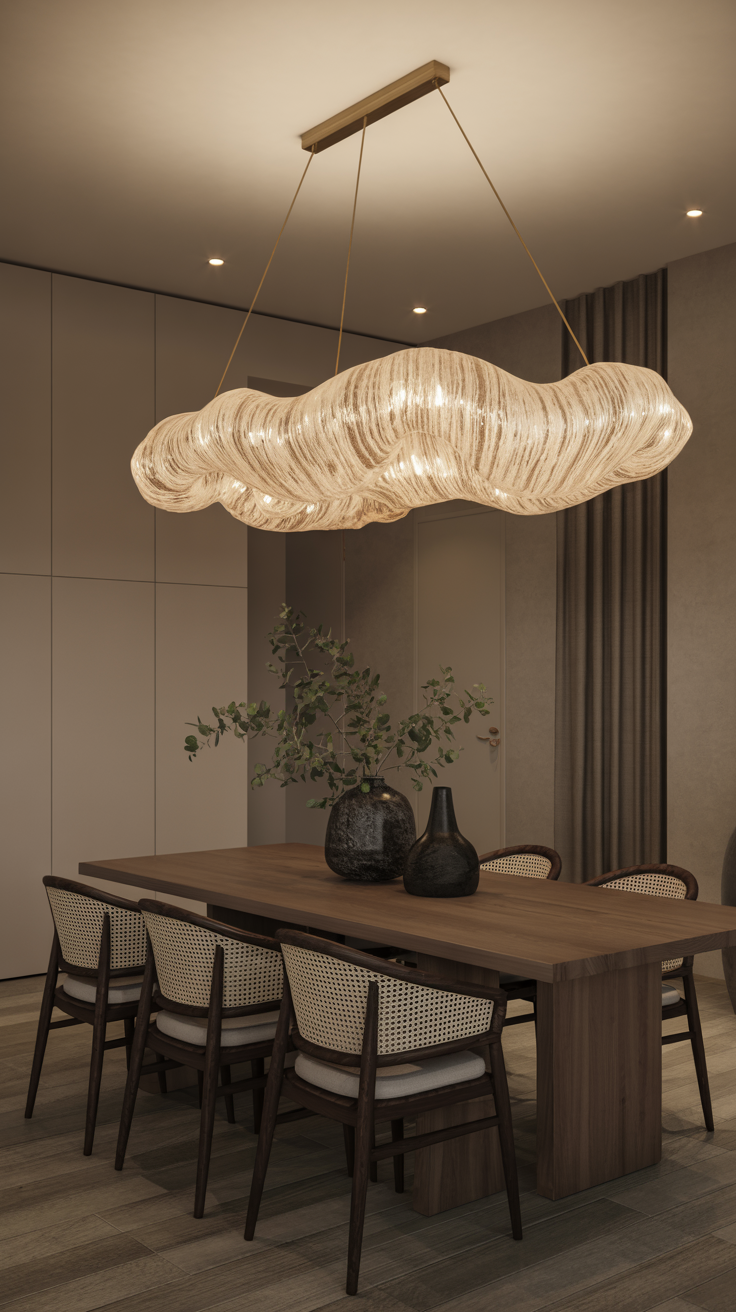
3. Mixed-Material Fixtures
- A combination of metal, glass, and organic materials like wood or leather gives fixtures a handcrafted look.
- Brass and matte black finishes remain favorites, often paired with exposed bulbs for a vintage-modern fusion.
4. LED and Smart Lighting Integration
- Energy-efficient LED lighting is a must, with options for dimmable and color-adjustable settings.
- Smart lighting systems that can be controlled via voice commands or apps are becoming increasingly common.
5. Cluster and Linear Arrangements
- Instead of a single fixture, multiple pendants arranged in a row (linear lighting) or clustered together at different heights create a dynamic look.
- This is perfect for long dining tables, adding depth and movement to the space.
How to Incorporate Statement Lighting in Your Dining Room:
Choose a fixture that complements your dining table. If your table is large, go for an oversized chandelier; if it’s small, a sculptural pendant or a series of smaller pendants work best.
Layer your lighting. Combine overhead statement lighting with wall sconces or table lamps for a balanced and ambient glow.
Experiment with textures and materials. A woven rattan pendant adds warmth, while a sleek glass fixture brings elegance.
Opt for dimmable lighting. This allows you to adjust brightness for different occasions, from cozy dinners to lively gatherings.
Consider an eye-catching bulb design. LED Edison-style bulbs or globe bulbs enhance the aesthetics of exposed-light fixtures.
Statement lighting is an effortless way to elevate your dining space, add personality, and create a warm, inviting atmosphere. Whether you choose a bold sculptural chandelier or a natural woven pendant, the right lighting will set the perfect mood for your dining experiences.
4. Mixed Seating Styles
Say goodbye to matchy-matchy dining sets! The trend of mixing different chair styles, materials, and colors is growing. Whether it’s a combination of benches and chairs or a blend of metal and upholstered seats, this trend adds personality and visual interest.
Gone are the days when dining sets had to be uniform. In 2025, mixing different seating styles is a top trend, creating a more dynamic, personalized, and visually interesting dining space. By combining different chair designs, materials, and colors, you can make your dining area feel effortlessly curated rather than overly coordinated.
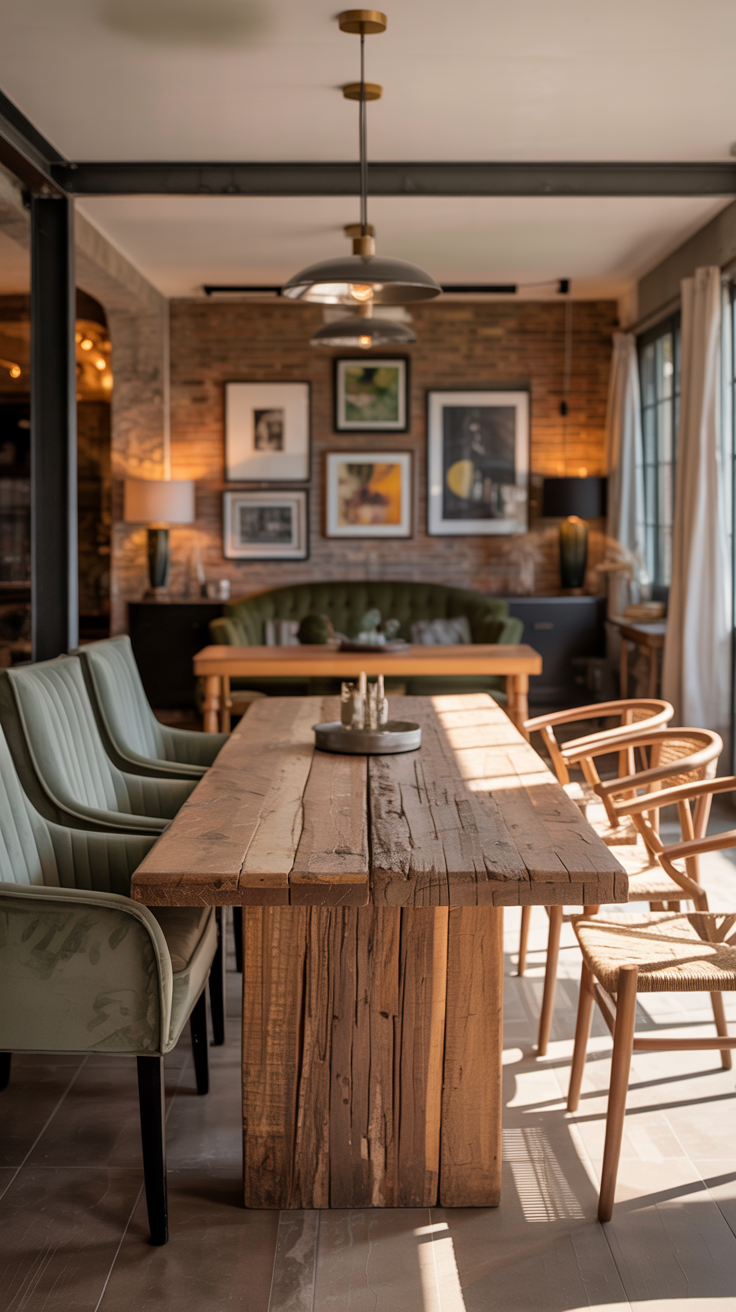
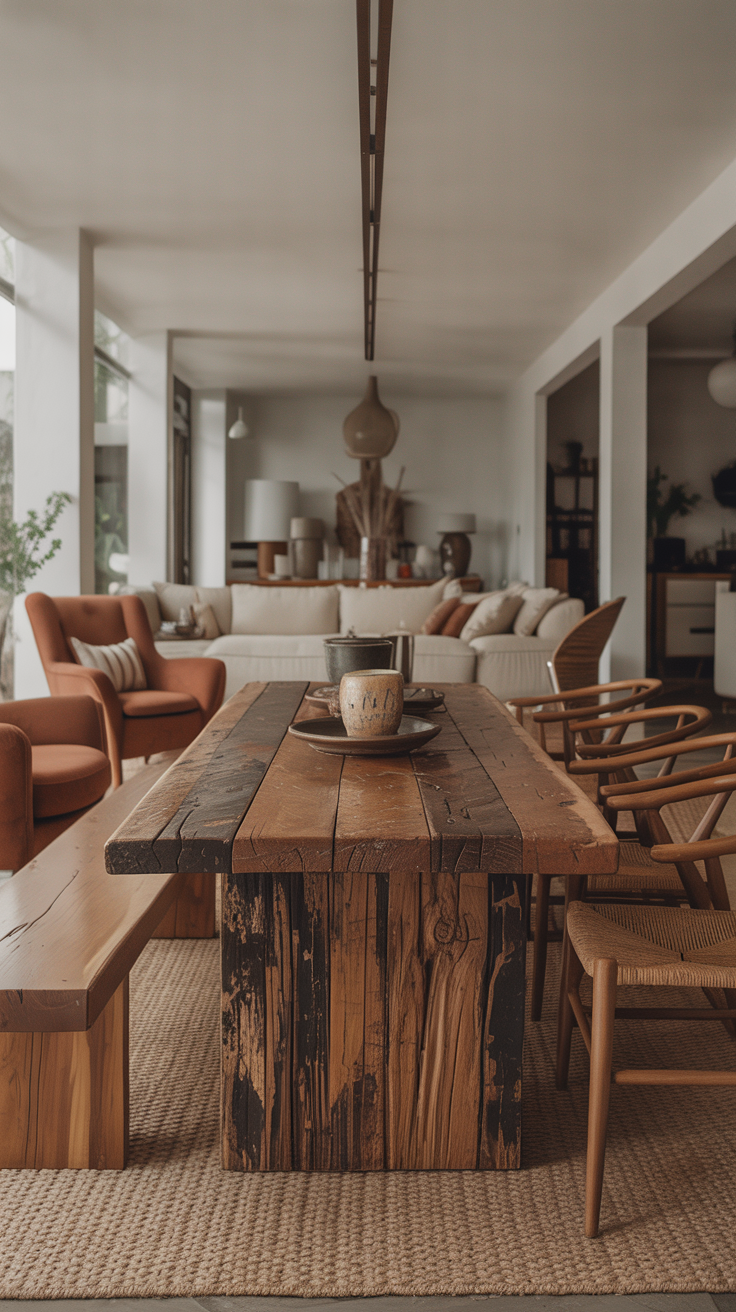
Key Mixed Seating Trends:
1. Mixing Chair Styles
- Combine two or more different chair designs to create contrast while maintaining a cohesive look.
- Pair traditional wooden chairs with modern upholstered seats for a sophisticated blend of old and new.
- Use a mix of armchairs and armless chairs to add variety around the table.
2. Combining Benches with Chairs
- A bench on one side of the table paired with individual chairs on the other is a popular mix.
- Benches add flexibility and are great for maximizing seating in smaller spaces.
- Upholstered or cushioned benches offer extra comfort and a cozy dining experience.
3. Playing with Different Materials
- Wood, metal, rattan, velvet, and leather can all work together when balanced correctly.
- Try wooden chairs with a metal bench for an industrial feel or rattan chairs with upholstered seating for a modern-boho vibe.
4. Mixing Colors and Finishes
- Stick to a cohesive color palette but use different shades to add depth.
- Example: Use all black chairs but vary the finishes between matte, glossy, or distressed.
- Or go bold with contrasting colors, like navy blue chairs paired with warm wooden tones.
5. Eclectic Pairings with Vintage & Modern Pieces
- Blend vintage thrifted chairs with sleek, contemporary seating for a collected-over-time aesthetic.
- A mix of mid-century modern chairs with farmhouse-style seating creates an interesting juxtaposition.
How to Successfully Mix Dining Room Seating:
Choose one unifying element – Whether it’s a common color, shape, or material, find a connection between the different seats to keep the look intentional rather than chaotic.
Anchor with a statement dining table – A strong centerpiece (like a reclaimed wood or marble table) helps bring together mismatched chairs.
Balance proportions – Mix high-backed chairs with lower-backed ones, but ensure they are proportionate to the table.
Layer with textiles – Adding seat cushions, throws, or decorative pillows helps tie different seating elements together.
Start with the ends – If you’re hesitant to go all-in, start by using different chairs at the head of the table while keeping the rest uniform.
This trend is perfect for those who love creativity, uniqueness, and flexibility in their dining spaces. Whether you’re going for an eclectic, rustic, or modern look, mixed seating makes your dining room feel more curated and inviting.
5. Bold Wallpaper and Wall Treatments
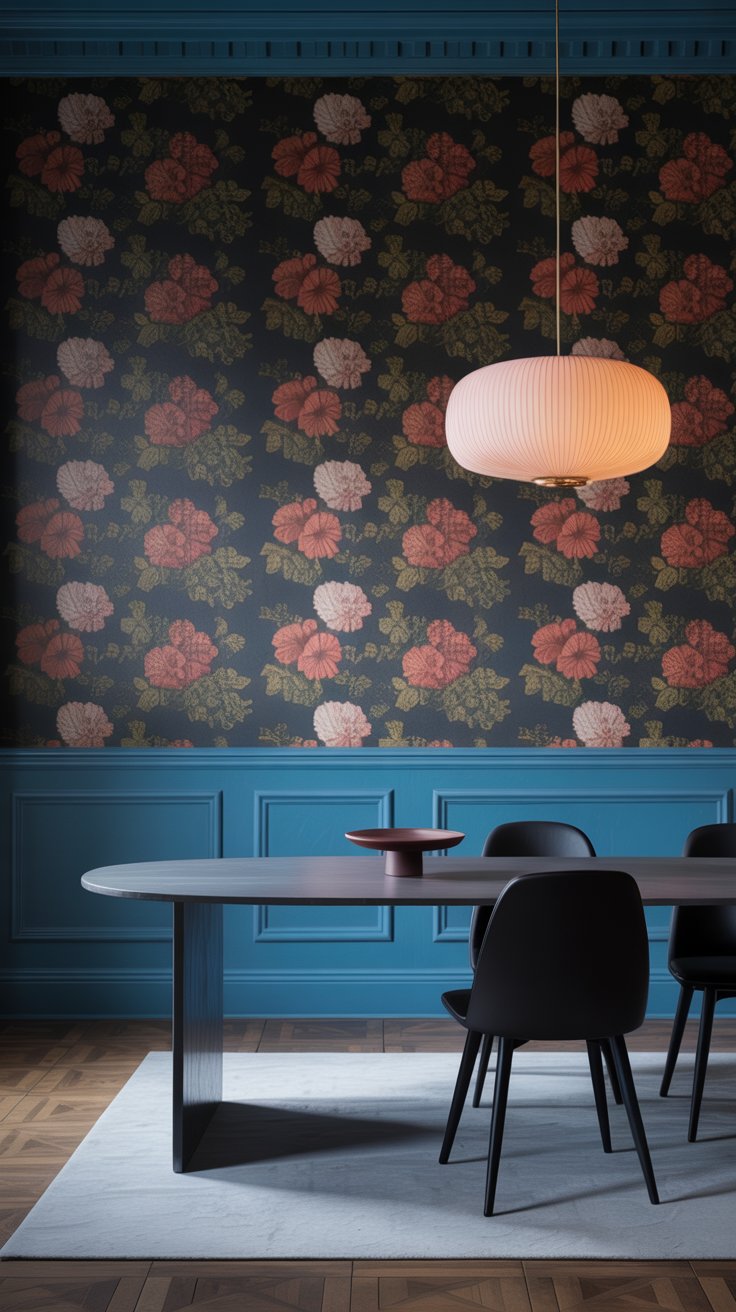
Dining rooms are getting a dramatic makeover with bold wallpaper, textured wall panels, and wainscoting. Expect moody florals, abstract patterns, and even 3D wall textures to create a visually dynamic dining space.
6. Minimalist and Functional Layouts
Minimalism continues to shape dining spaces, but with a functional twist. Think streamlined furniture, decluttered tabletops, and multifunctional dining spaces that can easily transition from dinner parties to work-from-home setups.
7. Curved and Organic Shapes
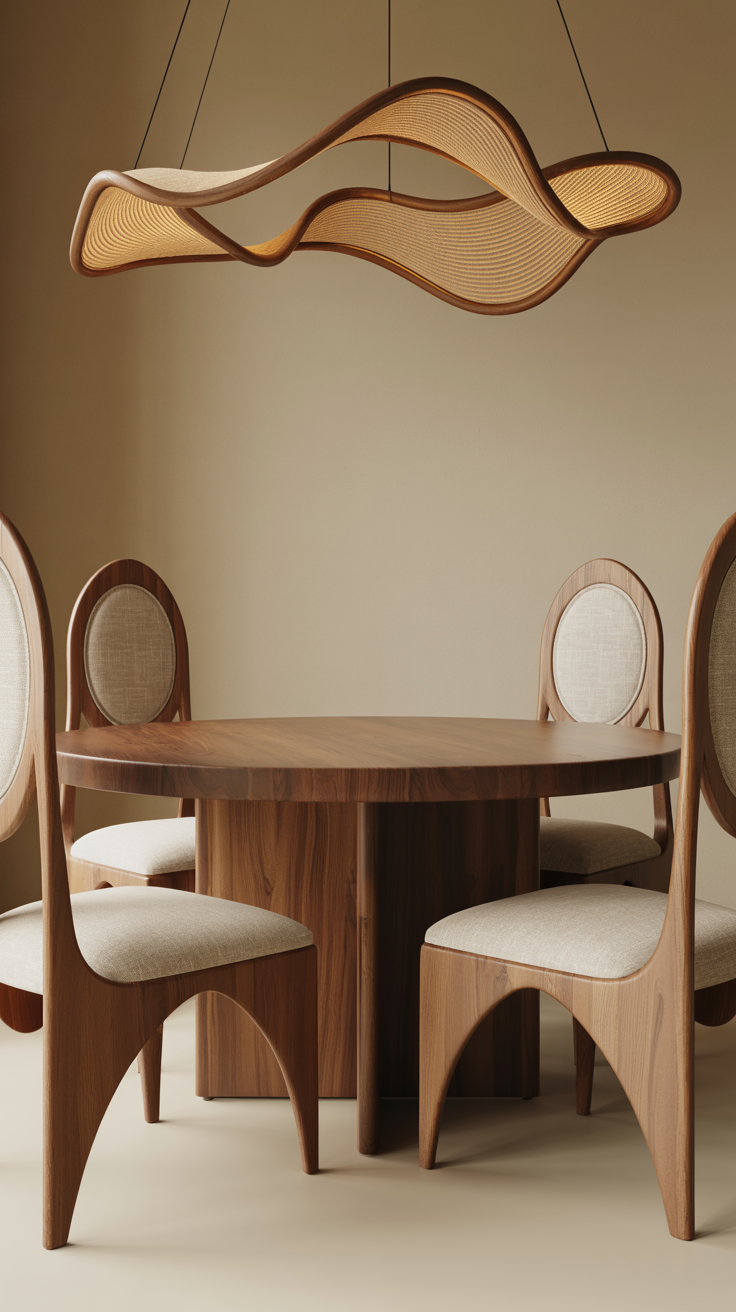
Soft, curved edges in furniture design are replacing sharp, angular forms. Rounded dining tables, arched chairs, and fluid