Your kitchen walls are a blank canvas with untapped potential — they can anchor the room, showcase your personality, and make daily life feel more inspired. Whether you live in a compact apartment or a spacious family kitchen, thoughtful wall decor can instantly change the room’s mood: think bold color and texture to add warmth, open shelving for style + storage, or a curated gallery wall to tell your story.
This collection of 41 pin-worthy kitchen wall ideas brings together budget-friendly DIYs, clever storage solutions, and high-impact designer touches. From backsplash alternatives and statement art to practical pegboards and floating shelves, you’ll find ideas that suit every layout and aesthetic — easy to mix, match, and adapt to your home. Get ready to transform your kitchen walls into functional, stylish focal points that invite you to cook, gather, and linger longer.
1. Clean Scandinavian Open Shelving
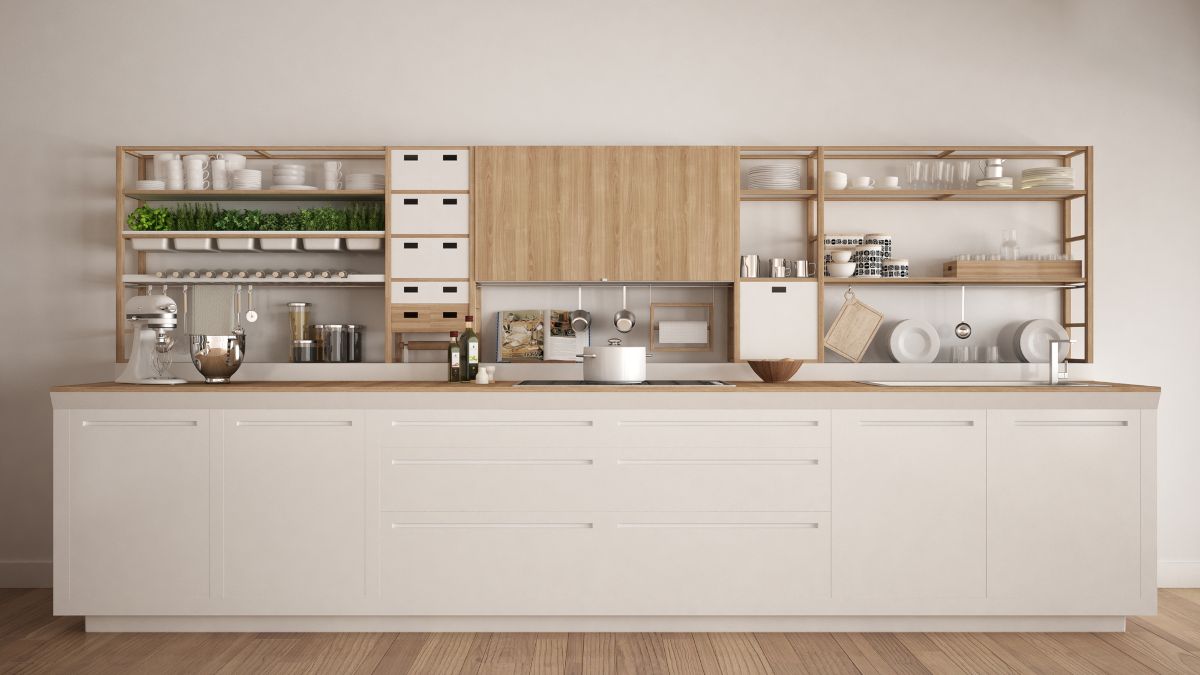
Scandinavian shelving marries utility and understated elegance, perfect for kitchens that favor clean lines and calm palettes. Open shelves replace bulky cabinets to showcase curated dishes, glassware, and small greenery while keeping surfaces airy. Light wood or matte white finishes maintain a bright, uncluttered feel and make everyday items part of the decor. Styling is simple: rotate objects, group similar shapes, and leave negative space so the arrangement breathes.
Key Design Elements
- Light wood or white finishes
- Open shelving for airy display
Pro Tip: Limit items on each shelf to three groupings and leave empty space to preserve that Scandinavian calm.
2. Mason Jar Cereal Storage
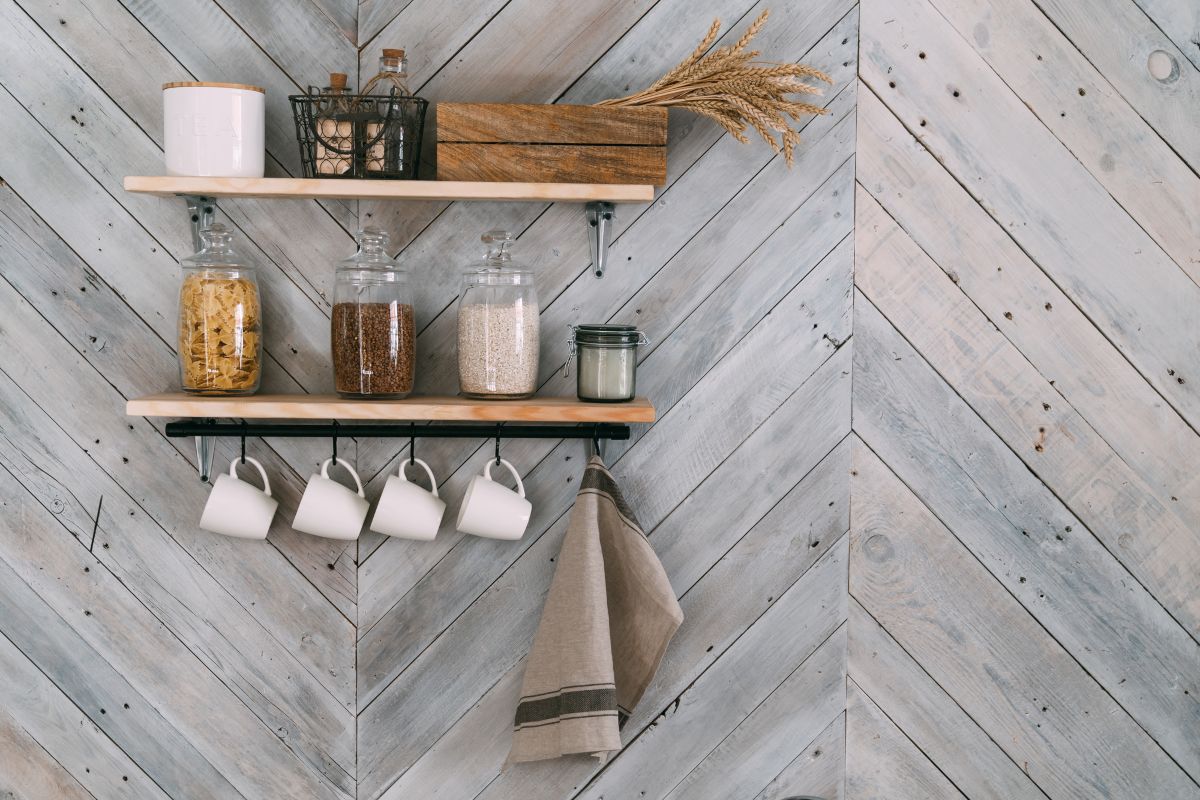
Repurposed Mason jars are an attractive, airtight solution for storing cereals, grains, and snacks while keeping counters neat. Their clear glass displays contents so you can quickly identify what’s inside and monitor freshness. Arrange matching jars on open shelving or a dedicated rack to create a cohesive, minimal look that doubles as decor. Labels or chalk tags add polish and make everyday breakfast prep faster.
Key Design Elements
- Clear airtight storage
- Uniform jars for minimalist display
Pro Tip: Use uniform jars and consistent labeling to keep pantry visuals tidy and ingredients easy to find.
3. Seamless Built-In Wall Cabinets
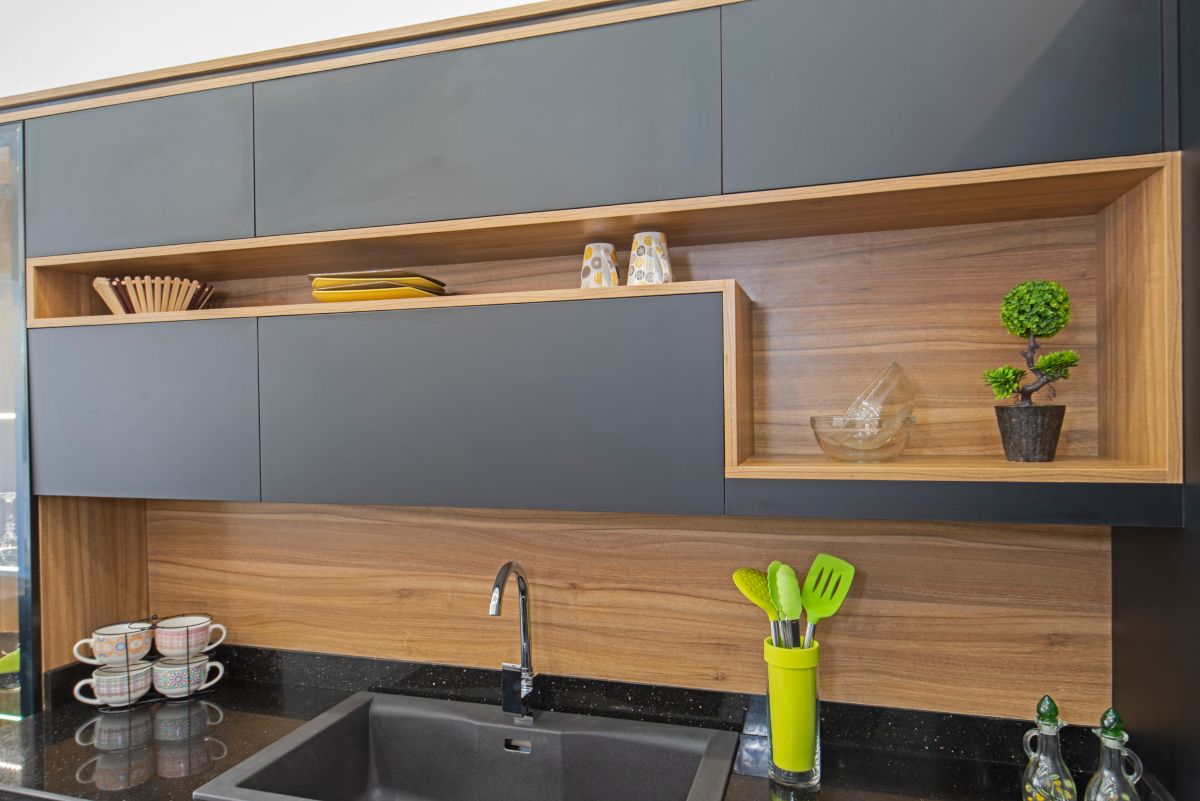
Built-in wall cabinets are a smart investment during a kitchen remodel, integrating storage seamlessly into your layout. These recessed or inset units hide clutter, display curated pieces, and optimize unused wall space without overwhelming the room. Choose adjustable shelving, glass fronts, or hidden lighting to personalize function and show off favorite plates or glassware. Because they read as part of the architecture, built-ins create a cohesive, high-end look while improving everyday organization.
Key Design Elements
- Seamless built-in storage
- Adjustable shelves and optional glass fronts
Pro Tip: Plan cabinet depth around appliance and dish sizes so built-ins store what you actually own, avoiding wasted space.
4. Wall-Mounted Chef Knife Display
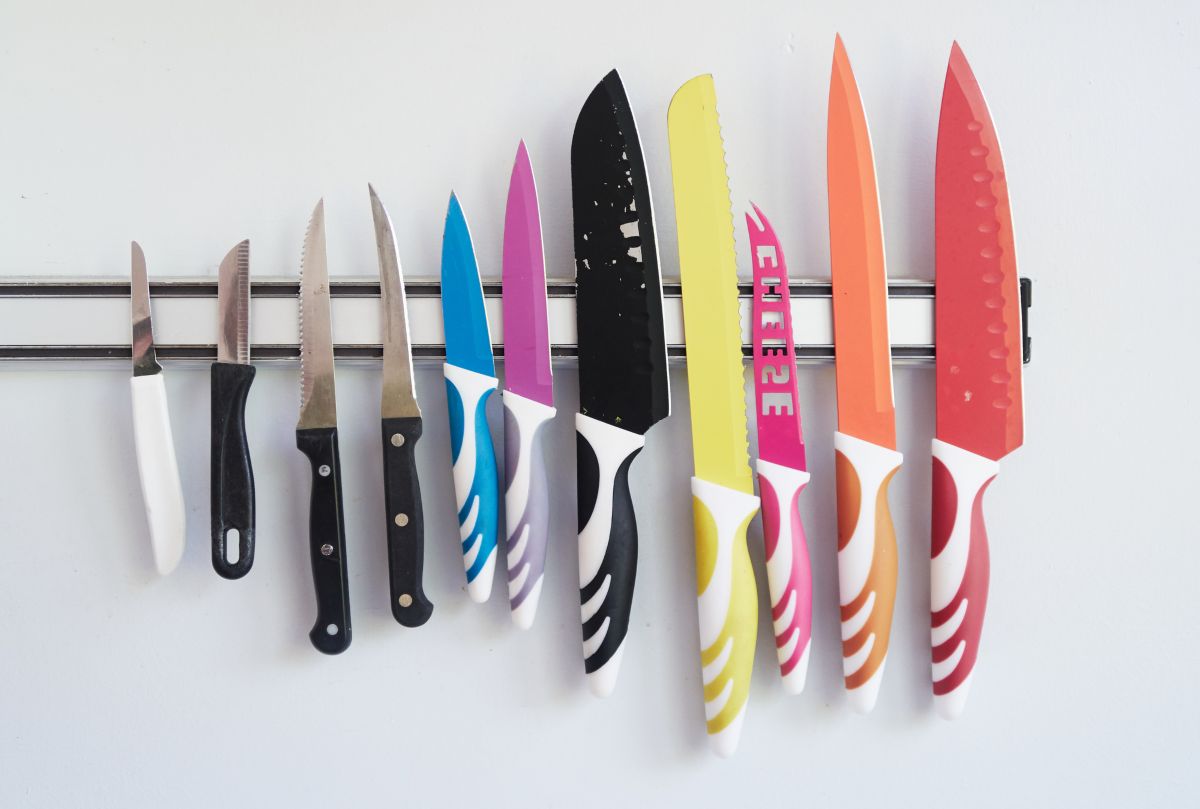
A chef knife rack is both a functional tool and a kitchen statement. Mount a magnetic strip or a wall-mounted knife holder to keep blades visible, accessible, and safely out of drawers. Besides saving counter space, it shows off craftsmanship and creates an organized focal point. For mixed collections, arrange by size or purpose to streamline prep and maintain an attractive display that signals professional intent without clutter.
Key Design Elements
- Magnetic strip or wall-mounted holder
- Organize knives by size or function
Pro Tip: Attach the magnetic strip at elbow height and ensure high-strength magnets so knives sit flush and safely without sliding.
5. Minimal Abstract Wall Art
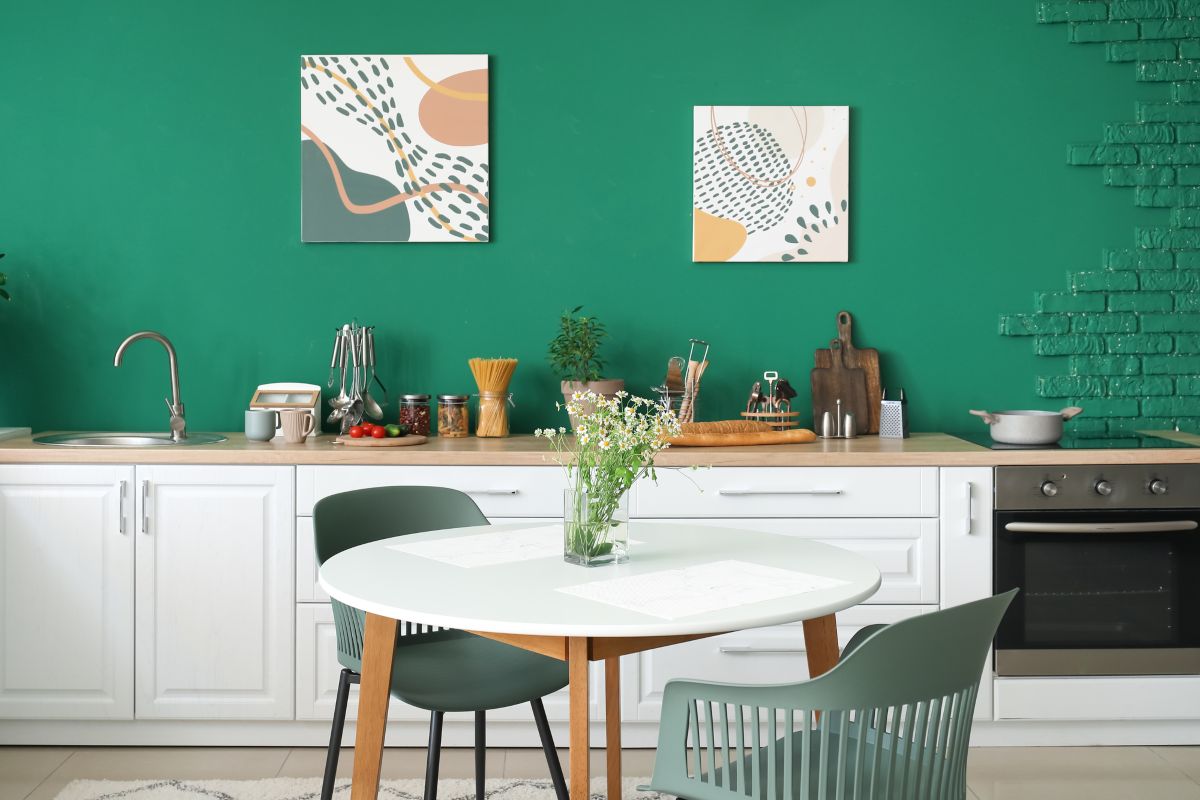
Abstract artwork brings a curated, modern edge to kitchen walls with minimal effort. Choose pieces that echo your cabinetry or provide a bright counterpoint to neutral tones—think simple shapes, restrained palettes, and textured brushwork. One or two well-scaled canvases can anchor a dining nook or breakfast bar without overpowering the room. If you prefer hands-on projects, try creating a small series of studies to personalize the space and coordinate with existing finishes.
Key Design Elements
- Minimal shapes and restrained palettes
- One or two well-scaled canvases
Pro Tip: Hang artwork at eye level above counters or seating areas and leave 2-4 inches between frames and cabinets for a polished look.
6. Soft Pastel Accent Wall
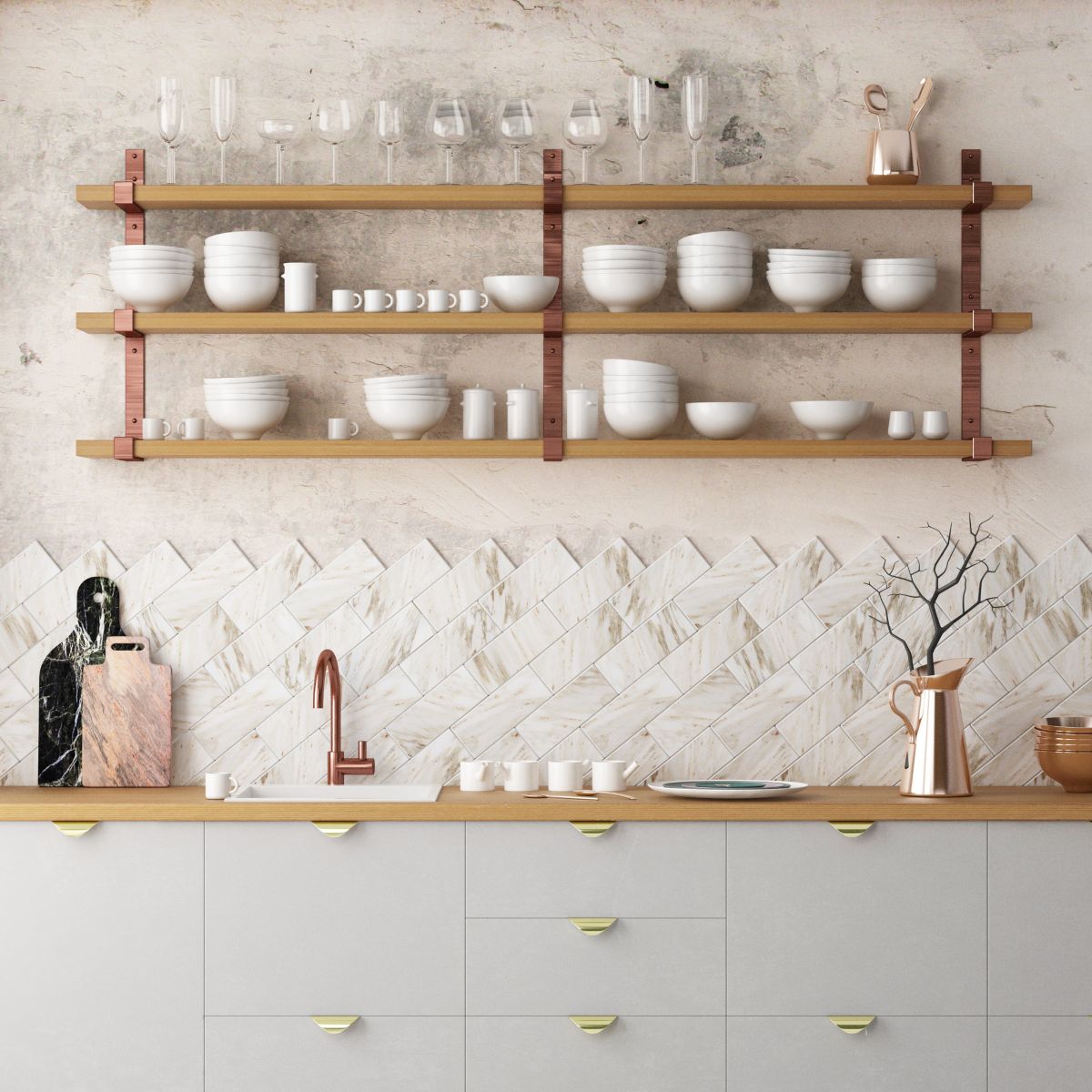
A single pastel-painted wall instantly softens an all-white kitchen, introducing color without heavy contrast. Pale blues, mint greens, or warm blush tones add a gentle focal point that feels fresh and sophisticated. Painting only one wall preserves brightness while disguising imperfections and creating depth. Pair with natural wood accents and simple hardware to keep the aesthetic calm, or add a patterned rug and metallic touches for subtle warmth and personality.
Key Design Elements
- Soft, single-wall color accent
- Pairs well with wood and simple hardware
Pro Tip: Test paint swatches at different times of day to see how the pastel shifts in natural light before committing to a full wall.
7. Boho Dreamcatcher Accent
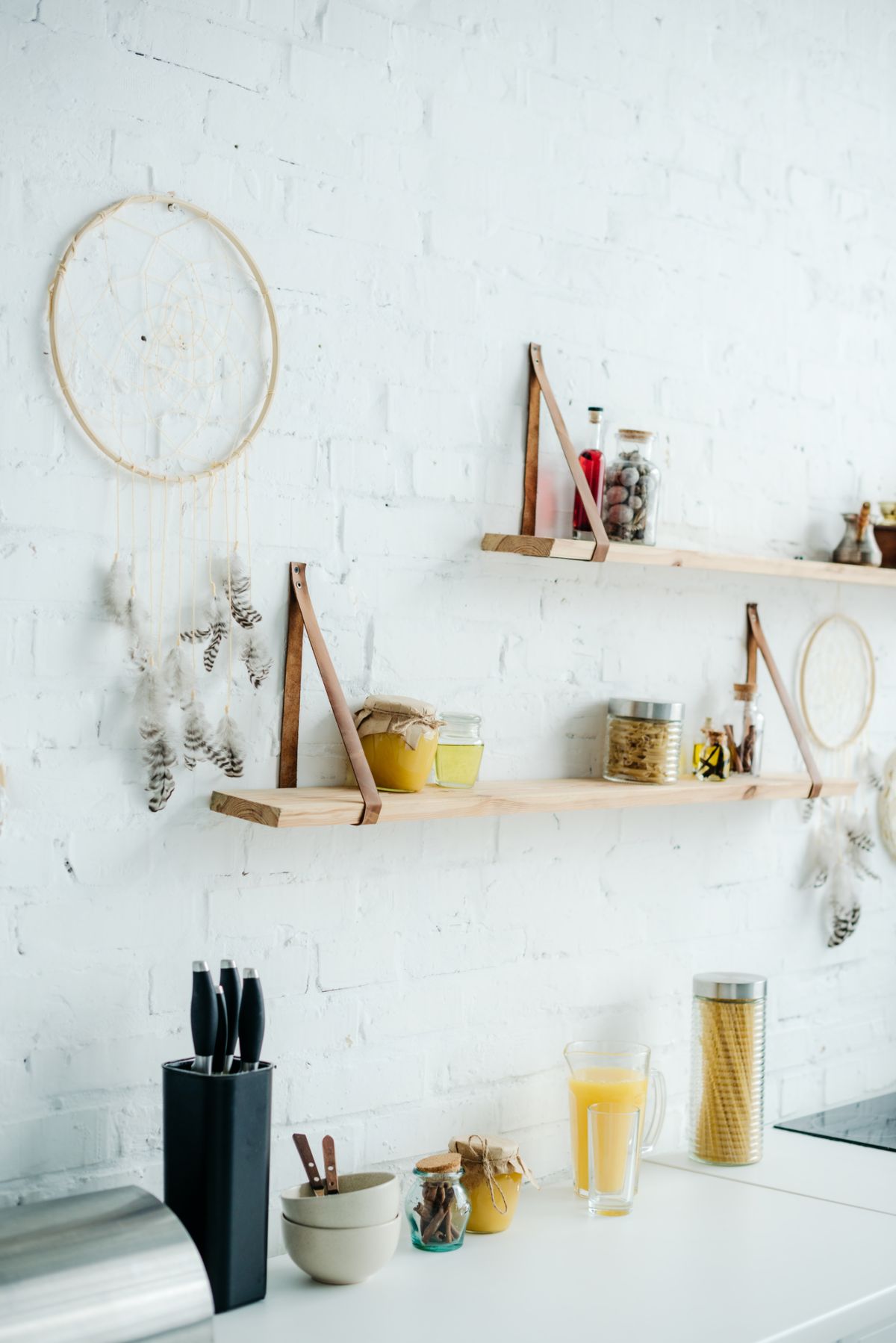
A delicate dreamcatcher can be a whimsical, unexpected accent in a kitchen, especially with minimalist or boho decor. Lightweight and often handmade, it introduces texture and subtle movement when hung near a window, breakfast nook, or above open shelving. Choose neutral materials or a color that complements your palette to keep the look cohesive. Smaller sizes add charm without clutter; larger ones become a focal decorative piece.
Key Design Elements
- Textured, lightweight accent
- Works with minimalist or boho palettes
Pro Tip: Hang a dreamcatcher away from heat sources and high-traffic zones; place it near a window so natural light highlights its details.
8. Utility Metal Rod for Hanging
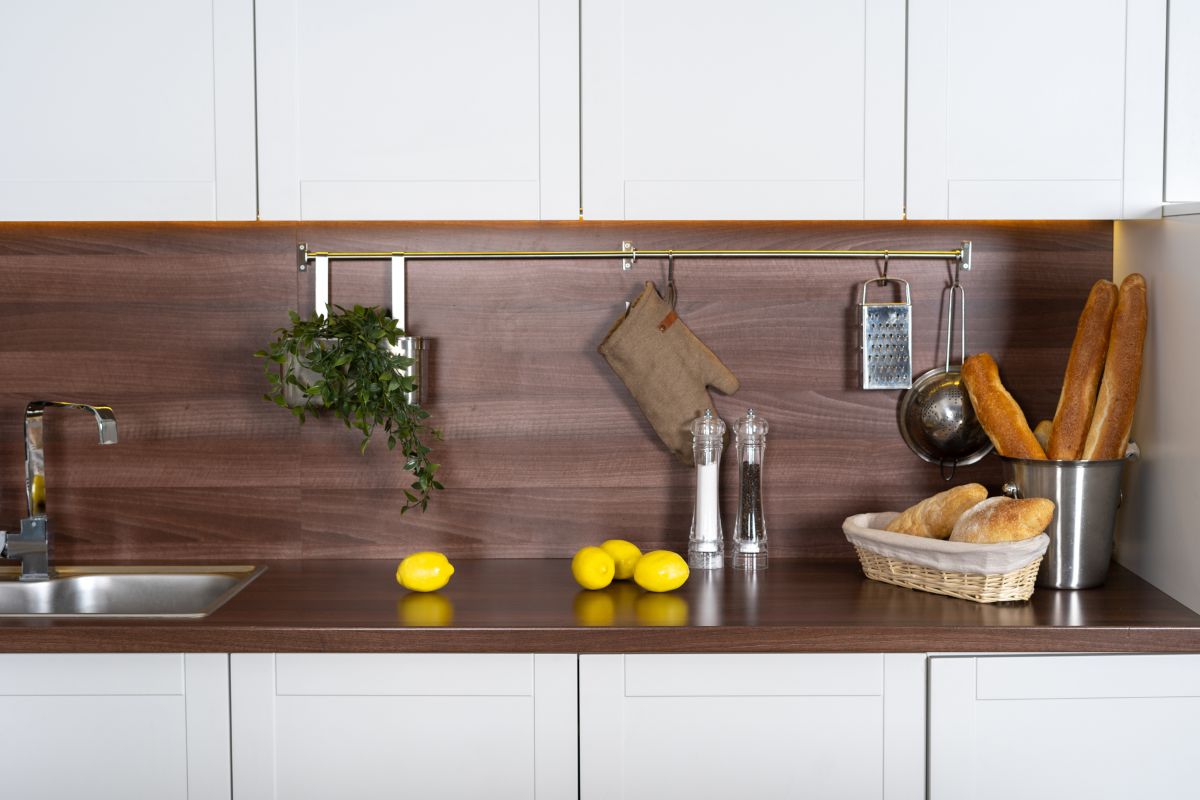
A sturdy metal rod is a versatile, space-saving addition to any kitchen, ideal for hanging pots, pans, utensils, and small planters. Installed under cabinets or along a backsplash, it frees up cabinet space and keeps frequently used tools within reach. Use S-hooks or specialized hangers for easy rearranging. Choose a finish that coordinates with your hardware—brushed steel, black matte, or brass—to make the rod feel intentional rather than afterthought.
Key Design Elements
- Hangs pots, utensils, and planters
- Choose finish to match hardware
Pro Tip: Mount the rod into studs or use heavy-duty anchors and space hooks to avoid sagging under weight.
9. Warm Rustic Display

Rustic display elements bring warmth and tactile charm to a kitchen through natural materials and muted colors. Think clay pots, wooden cutting boards, exposed beams, and hand-thrown ceramics arranged in purposeful groupings. These pieces add history and character while staying practical—wooden shelves can hold frequently used bowls, and clay crocks double as utensil holders. Balance rustic accents with simpler modern finishes so the space reads intentional rather than cluttered, and focus on durable, functional items that still look beautiful.
Key Design Elements
- Natural materials like clay and wood
- Functional decor that doubles as storage
Pro Tip: Group rustic items in odd numbers and vary heights to create a lived-in vignette that still feels arranged.
10. Colorful Kitchenware Displays

Introducing colored kitchenware onto open shelves is an effortless way to inject personality into a neutral kitchen. Display vibrant bowls, teapots, or enamelware to create playful pops that lift a white or cream backdrop. Repeating one or two accent colors across several pieces ties the look together and keeps it from feeling chaotic. This approach lets you refresh the palette seasonally without painting or major renovations.
Key Design Elements
- Vibrant pieces as accents
- Repeat one or two colors for cohesion
Pro Tip: Limit display to a few colorful groups and balance with neutral items to avoid a cluttered look.
11. Patterned Tile Backsplash

A patterned tile backsplash instantly elevates a kitchen with graphic interest and depth. Whether you choose bold encaustic-style motifs or subtle geometric repeats, tiles protect walls and create a design focal point. Peel-and-stick or adhesive-backed tiles offer renter-friendly options, while ceramic or porcelain provides long-term durability. Plan layout and grout color ahead of time to ensure patterns align, then install a row behind the stove or sink to maximize visual impact.
Key Design Elements
- Graphic backsplash for protection and interest
- Peel-and-stick or ceramic options
Pro Tip: Dry-lay a section of patterned tiles to see full repeats before committing to placement and choose grout to either blend or emphasize the pattern.
12. Framed Botanical Artwork

Botanical art brings the freshness of plants to walls without the upkeep of live greenery. Framed prints, pressed leaves, or hand-painted florals introduce color, pattern, and organic shapes that soften hard kitchen surfaces. Use a series of matching frames or mix sizes for an eclectic gallery wall that conceals minor blemishes. Affordable prints and DIY pieces make this a budget-friendly way to add nature-inspired calm to the space.
Key Design Elements
- Framed prints or pressed botanicals
- Masks wall blemishes with gallery arrangements
Pro Tip: Group botanical prints with consistent matting and spacing for a cohesive gallery that reads more intentional than random.
13. Rustic-Style Peel-and-Stick Wallpaper

If you can’t drill or install shelving, rustic wallpaper offers a fast, low-impact way to warm a kitchen. Textures that mimic reclaimed wood, plaster, or stone add depth and character without structural changes. Apply a single accent wall or line the backs of open shelves for a subtle effect. Pair rustic patterns with clean cabinetry to prevent the room from feeling heavy and choose washable wallpapers for easy kitchen maintenance.
Key Design Elements
- Textured reclaimed wood or stone look
- Washable, low-impact installation
Pro Tip: Opt for peel-and-stick, washable wallpaper that can be removed cleanly—ideal for renters or short-term updates.
14. Coordinated Patterned Wallpaper

Covering a kitchen with patterned wallpaper creates instant visual cohesion and personality. Light, modern motifs help reflect light and make small kitchens feel larger, while bolder patterns add drama to spacious layouts. Keep scale in mind—a small repeating print suits tight spaces; larger motifs suit open walls. Pair patterned walls with simple cabinetry and minimal hardware to avoid visual overload and preserve a tidy, edited look.
Key Design Elements
- Light motifs to enlarge small spaces
- Match scale of pattern to wall size
Pro Tip: Sample a large swath on the wall before applying to see how the repeat behaves across cabinets and corners.
15. Scandi Hanging Pot Plants

Hanging pot plants on a wall-mounted rod introduces greenery and soft Scandinavian simplicity to the kitchen. Choose compact, low-maintenance varieties in white or neutral-planters to keep the look crisp and cohesive. A horizontal rod with uniform hangers creates a tidy, linear display that livens the room and improves air quality. Rotate plants seasonally and position them where they receive natural light without blocking workflow.
Key Design Elements
- Compact plants in neutral pots
- Horizontal rod with uniform hangers
Pro Tip: Use plants that tolerate kitchen humidity like pothos or herbs and attach drip trays to pots to protect cabinet finishes.
16. Tile Backsplash Makeover

A tiled backsplash or full tile wall can instantly refresh a tired kitchen with color, texture, and easy-to-clean durability. Peel-and-stick or adhesive tiles let you complete a dramatic makeover in a single weekend without specialized tools, while ceramic or subway tiles create a classic, long-lasting finish. Mix patterns, gloss levels, or contrasting grout to add personality. Tiling focuses attention on prep areas and protects surfaces from splashes and stains in a stylish way.
Key Design Elements
- glossy subway tiles
- contrasting grout lines
Pro Tip: Prepare and prime the wall, use spacers for even grout lines, and start with a small test area when trying peel-and-stick tiles.
17. Leaning Ladder Shelves

A leaning ladder shelf gives vertical storage with minimal installation and no new wall holes. It fits narrow spaces beside counters or appliances, holding jars, potted herbs, and cookbooks while keeping countertops uncluttered. Choose finishes that complement cabinetry—white for bright cohesion or natural wood for warmth. Open rungs make styling easy and accessible, turning a functional organizer into a layered display that enhances kitchen personality without permanent changes.
Key Design Elements
- leaning freestanding storage
- white finish for versatility
Pro Tip: Place heavier items on lower rungs and secure the top to the wall with a safety strap if you have kids or pets.
18. Monochrome Kitchen Wall

A monochrome black-and-white scheme brings crisp modern energy to kitchen walls. Paint bold black stripes, create a checkerboard accent, or arrange a gallery of black frames against pale paint for high-contrast interest. Monochrome allows graphic statement without overwhelming small spaces, and it pairs effortlessly with stainless steel or natural wood accents. Use matte black for subtlety or glossy black for drama, balancing contrast with soft textiles and warm lighting.
Key Design Elements
- bold stripes or gallery wall
- matte or glossy black accents
Pro Tip: Opt for washable paint on kitchen walls so high-contrast areas stay easy to clean and maintain.
19. Blue Accent Wall

An accent wall in a rich blue instantly anchors kitchen design and adds depth without overwhelming the room. Blue pairs beautifully with white or gray cabinetry, creating a calming backdrop for art, open shelving, or brass hardware. Lighter blues bring airiness, while deeper navy reads sophisticated; both highlight metallics and natural wood. Keep surrounding walls neutral and pull blue tones into textiles for a cohesive, layered look that feels intentional and fresh.
Key Design Elements
- navy or sky blue focal wall
- pairs with brass and wood
Pro Tip: Test large paint swatches at different times of day to see how your chosen blue reads in natural and artificial light.
20. Kitchen Greenery

Adding greenery brings instant life and color to the kitchen while improving air quality. Select humidity-loving varieties like pothos, English ivy, and aloe, which tolerate warm, steamy conditions and low light. Small potted herbs—basil, rosemary, or thyme—double as decor and fresh ingredients. Group plants in varied heights and textured pots to create a natural vignette on shelves or windowsills, keeping them trimmed and rotated for even growth.
Key Design Elements
- pothos, aloe, English ivy
- herb pots on windowsill
Pro Tip: Use well-draining, moisture-retaining soil and rotate plants regularly so all sides receive even light.
21. Floating Wall Shelves

Floating shelves maximize vertical storage and display without bulky cabinetry, ideal for compact kitchens. Place them at eye level to keep frequently used spices, mugs, and cookbooks within reach while maintaining an airy visual line. Mix wood or painted shelves with coordinated containers and plants to balance function and style. Leave breathing room between items to avoid clutter; the result is accessible storage that doubles as a curated backsplash or focal point.
Key Design Elements
- open display storage
- mix wood and white finishes
Pro Tip: Anchor floating shelves into studs or use heavy-duty anchors for heavier items to prevent sagging.
22. String Light Accents

String lights add soft, warm illumination that transforms a kitchen into a cozy, inviting space without major expense. Drape them along cabinets, windows, or open shelving to create gentle accent lighting for evenings and small gatherings. Choose warm white LEDs for a subtle glow or colored strands for playful moods. Keep wiring tidy with adhesive clips and combine lights with reflective surfaces to amplify the atmosphere without overpowering task lighting.
Key Design Elements
- warm white LED strands
- attach with adhesive clips
Pro Tip: Use plug-in dimmers or smart bulbs to control brightness and avoid interfering with primary task lighting.
23. Decorative Vases

Vases are an effortless way to introduce color, height, and texture to kitchen walls or countertops. Cluster a few in varying sizes and finishes—glass, ceramic, or matte clay—and fill them with fresh flowers, dried stems, or faux botanicals for low-maintenance impact. Single-stem arrangements can read sculptural, while mixed bunches add softness. Position vases near a window or on an open shelf to create an eye-catching focal point that refreshes the room.
Key Design Elements
- group varied vase sizes
- use fresh or dried stems
Pro Tip: Match vase neck width to stem type for easier arranging and better visual balance.
24. Wooden Wall Planks

Wooden wall shelves deliver warmth and practical storage, ideal for small kitchens needing smarter organization. Arrange open wooden planks above countertops to display clear jars of grains, colorful condiments, and a few cookbooks, turning pantry items into decor. Stagger shelf depths for visual interest and keep heavier items on lower shelves. A natural finish complements modern or farmhouse styles, while painted wood can tie into existing cabinetry hues.
Key Design Elements
- natural wood planks
- display clear storage jars
Pro Tip: Seal shelves near cooking areas to protect the wood from grease and humidity.
25. Corner Storage Shelves

Corner shelves make use of overlooked triangular spaces, adding practical storage and visual charm to busy kitchens. Floating corner units or tiered stands fit snugly between cabinets and appliances, holding spice racks, small plants, or decorative dishes. Use rounded edges to prevent knocks in tight traffic zones, and coordinate materials with nearby cabinetry for cohesion. Corners become intentional display spots that free counter space and add a subtle rustic or modern accent.
Key Design Elements
- floating triangular units
- rounded edges for safety
Pro Tip: Place frequently used items on mid-level corner shelves for easy access and safer reach.
26. Hanging Pots and Utensils

Hanging pots, pans, and utensils clears crowded counters and keeps essentials within reach. Install a ceiling-mounted pot rack, wall rail with hooks, or magnetic strip for knives to organize tools while making them part of the decor. Group similar items to create an intentional look and balance weight across mounts. Choose corrosion-resistant hardware in finishes that echo faucets or cabinet handles for a cohesive, professional-feeling kitchen.
Key Design Elements
- ceiling pot rack or wall rail
- magnetic knife strip
Pro Tip: Always anchor racks into studs and verify the weight rating before loading heavy cookware.
27. Minimal Wooden Shelves

Modern wooden shelving offers sleek, minimalist storage with an architectural feel. Two simple planks mounted with invisible brackets provide an elegant platform for daily staples—coffee canisters, cereal jars, and spice tins—while keeping counters uncluttered. Choose clean-grain woods or painted boards to match your palette and invest in airtight, uniform jars for a tidy display. The result is functional shelving that emphasizes rhythm and negative space for a contemporary kitchen aesthetic.
Key Design Elements
- invisible brackets
- uniform airtight jars
Pro Tip: When studs aren’t available, use high-quality drywall anchors rated for the expected load to prevent sagging.
28. Framed Poster Accents

A poster frame is an affordable way to personalize a kitchen without permanent changes—ideal for renters. Use adhesive hooks or picture ledges to display posters, botanical prints, or vintage food ads that reflect your style. Swap artwork seasonally to refresh the room, or create a mini gallery of recipe cards and postcards for a lived-in look. Frames protect prints from cooking splatter while adding color and personality to blank walls.
Key Design Elements
- adhesive hooks or ledges
- rotate posters seasonally
Pro Tip: Use lightweight frames and removable hanging strips to avoid wall damage in rental units.
29. Displayed China and Plates

Displaying heirloom china or decorative plates turns everyday dishware into a curated wall installation. Mount plates on a focused wall or arrange a symmetrical gallery above a buffet to introduce pattern, history, and color without major expense. Mixing vintage pieces with a few modern plates creates an eclectic, collected vibe. Use secure plate hangers or shallow shelves to keep items safe while transforming fragile pieces into artful accents.
Key Design Elements
- plate gallery wall
- secure plate hangers
Pro Tip: Use museum putty or non-slip pads on shelf bases to keep plates stable and prevent accidental slips.
30. Kitchen Ornaments & Trinkets

Small ornaments and knick-knacks provide playful charm and instant personality to kitchen walls and open shelves. Hang lightweight ornaments from hooks, display ceramic figurines on ledges, or suspend seasonal pieces from under cabinets to add whimsy. Keep the scale appropriate to avoid visual clutter and group items in odd numbers for pleasing composition. Thoughtful placement of tiny treasures elevates the everyday and invites closer inspection without overwhelming the space.
Key Design Elements
- hang small ornaments
- group in odd numbers
Pro Tip: Rotate ornaments seasonally and dust regularly to keep displays feeling fresh and intentional.
31. Curated Display Cabinets

Showcase treasured china, polished silver, and special glassware with dedicated display cabinets that turn storage into a statement. Glass-front or open-shelf cabinets let light highlight textures and finishes while keeping items organized and dust-free. Choose interior lighting, mirrored backs, or contrasting paint to make pieces pop. Display cabinets work equally well in traditional and modern kitchens, providing both practical storage and an opportunity to personalize the room with heirlooms, seasonal collections, or color-coordinated sets.
Key Design Elements
- Glass-front display with interior lighting
- Mix of open shelving and closed cabinetry
Pro Tip: Install LED strip lighting and adjustable shelves to highlight pieces and adapt displays seasonally.
32. Vibrant Mosaic Accent Tiles

Small, colorful mosaic tiles can transform a tired kitchen wall into a lively focal point without a full remodel. DIY-friendly peel-and-stick or grout-style mosaics let you experiment with patterns, borders, and color gradients, while professional installation ensures longevity behind stoves and sinks. Use mosaics for backsplashes, alcoves, or feature strips to introduce texture and reflect light. They’re a budget-savvy option that adds personality and durable surface protection where splashes and stains are most likely.
Key Design Elements
- Peel-and-stick or traditional grout options
- Use as backsplash or decorative border
Pro Tip: When DIYing, test tile adhesive on a small area and seal grout to resist kitchen moisture and stains.
33. Exposed Brick Accent Wall

An exposed brick wall adds warmth and tactile interest, blending rustic charm with contemporary style. Whether you go for reclaimed bricks, a thin brick veneer, or a faux finish, the rough texture creates visual depth and anchors the kitchen’s palette. Use a brick wall as a backsplash, behind open shelving, or to define a dining nook; seal it to prevent dust and staining. Pair brick with sleek cabinetry and metal accents for a balanced, modern-industrial look.
Key Design Elements
- Thin brick veneer or reclaimed brick
- Sealant for dust/stain protection
Pro Tip: Apply a masonry sealer and use a soft brush for cleaning to preserve the mortar and avoid grit on counters.
34. Hexagonal Shelving Clusters

Hexagon shelves bring geometric flair and modular flexibility to kitchen walls. Arrange honeycomb-inspired units in clusters to display small vases, spice jars, cookbooks, or decorative finds. Their angled lines create visual interest and can be staggered to fit awkward wall spaces. Choose wood for warmth or matte metal for a modern edge, and mix open shelving with a few closed storage pieces to keep clutter under control while showcasing curated items.
Key Design Elements
- Honeycomb arrangement for visual interest
- Mix materials: wood and metal
Pro Tip: Mount shelves to studs or use heavy-duty anchors and limit each hexagon's load to recommended weight to avoid sagging.
35. Wine-Themed Wall Art

Add a touch of whimsy with a wine-themed poster or framed print that reflects your personality while brightening the kitchen. Fun prints like "Wine O’Clock" or vintage vineyard posters create conversation and soften utilitarian spaces. Choose a durable, wipeable frame and position art away from direct grease or steam. Pair with complementary linens or a small wine display to make the theme feel intentional rather than kitschy.
Key Design Elements
- Humorous or vintage vineyard prints
- Durable, wipeable frames
Pro Tip: Protect prints by placing them behind glass with UV filter and hang them where splatters are unlikely.
36. Decorative Dish Displays

Decorative plates and ornate kitchenware can become wall art when thoughtfully arranged. Mount colorful plates on a gallery wall, use plate hangers, or display them on floating shelves or hooks for layered depth. Mix patterns and shapes to create rhythm, or keep a cohesive palette for a more refined effect. This approach introduces cultural flair and texture while keeping pieces accessible for use. Rotate items seasonally to refresh the look without major changes.
Key Design Elements
- Plate hangers or floating shelves
- Mix patterns or keep cohesive palette
Pro Tip: Use museum putty behind heavier pieces and maintain a consistent spacing grid to achieve a polished plate gallery.
37. Wall-Hung Herb Garden

Kitchen walls are ideal for a vertical herb garden that supplies fresh flavors and a lively green accent. Use hanging planters, mounted pots on a rail, or staggered floating shelves to keep herbs within reach of the stove. Choose compact, sun-loving varieties like basil, thyme, and chives, and ensure proper drainage to avoid moisture damage to cabinetry. Group herbs with similar light and watering needs for easier care and trim regularly to encourage healthy growth and continual harvests.
Key Design Elements
- Hanging planters or mounted pots
- Group herbs by light/water needs
Pro Tip: Line trays under pots and use waterproof backing behind mounted planters to protect walls and cabinets from moisture.
38. Sophisticated Gray Marble

Gray marble introduces an elegant, timeless feel to kitchen walls and backsplashes, blending cool neutrals with natural veining. Use full slabs for a seamless statement or smaller tiles for cost-effective accents. Pair marble with matte cabinetry and brushed metal hardware to highlight its luxurious texture without overwhelming the space. Keep thinner grout lines and seal stone regularly to maintain the finish and prevent staining in high-use kitchen zones.
Key Design Elements
- Full-slab or tile applications
- Pair with matte cabinets and brushed metal
Pro Tip: Use a penetrating stone sealer and mild cleaners; avoid acidic cleaners that etch marble surfaces.
39. Floating Jar Organizers

Floating jar holders free up counter space by suspending spice jars and pantry staples beneath cabinets or on walls. These practical systems keep ingredients visible and within easy reach while adding an organized, stylish touch. Choose glass jars with uniform lids for a cohesive look, and mount holders with proper anchors to support full jars. Ideal for tight kitchens, floating jar organizers turn cluttered counters into streamlined, functional workspaces.
Key Design Elements
- Glass jars with uniform lids
- Mount under cabinets or on walls
Pro Tip: Label lids and leave small gaps between jars for airflow; secure mounts into studs for heavy loads.
40. Overhead Hanging Spice Rack

An overhead hanging spice rack keeps frequently used spices at eye level and frees up cabinet space. Whether a rail of magnetic jars, a tiered hanging shelf, or wall-mounted caddies, these racks speed up meal prep and make it easy to spot low supplies. Position the rack near your cooking zone but away from direct heat and steam. Opt for clear containers and consistent labeling to maintain order and speed during busy cooking sessions.
Key Design Elements
- Magnetic jars or tiered shelves
- Keep rack near cooking zone but away from heat
Pro Tip: Mount the rack high enough to avoid splatters and use airtight jars to preserve spice freshness.
41. Bold Red Accent Wall

Painting one wall red energizes the kitchen and creates a striking focal point when balanced with neutral surfaces. Choose a muted crimson or warm terracotta rather than an overly bright red to maintain a sophisticated vibe. Position the accent wall where it receives natural light—near a window or dining area—to enhance depth. Pair with neutral cabinets, brass hardware, or open wood shelving to temper intensity while introducing warmth and visual drama.
Key Design Elements
- Muted crimson or terracotta finish
- Place accent wall near natural light
Pro Tip: Test paint swatches at different times of day and finish with washable paint for easy maintenance.
Conclusion
Thoughtful kitchen wall design does more than look good — it improves flow, elevates everyday moments, and adds lasting value to your home. Whether you choose a subtle texture, a dramatic accent wall, or a practical display of cookware and plants, the right treatment will tie the room together and reflect your personal style.
Start small, pick one idea that excites you, and build from there: a single shelf, a framed print, or a DIY tile accent can set the tone and inspire bigger changes. With these 41 ideas as your starting point, your kitchen walls can become one of the most creative, functional, and photographed corners of your home.


