

There’s something magical about a well-decorated living room—it’s the heart of your home, where comfort meets style and memories are made. But let’s be honest, even the most well-intentioned decor choices can sometimes backfire, leaving your space feeling a little… well, less than fabulous. You might be unknowingly committing some classic decorating blunders that make your living room look cheap or cluttered, despite your best efforts. The good news? These mistakes are usually easy to fix, and you don’t need to break the bank to do it.
Think of this as your friendly heads-up from someone who’s been there—those sneaky decor traps that quietly sabotage your space can be reversed with just a few smart tweaks. Whether it’s an awkward furniture arrangement, confusing color combos, or over-accessorizing, each misstep has a simple, wallet-friendly solution that can instantly elevate your living room from meh to marvelous. Stick around, and you’ll be surprised how little changes can make a big impact, turning your space into the stylish, inviting retreat you’ve always dreamed of.
1. Where’s the Spot You Can Totally Unwind?
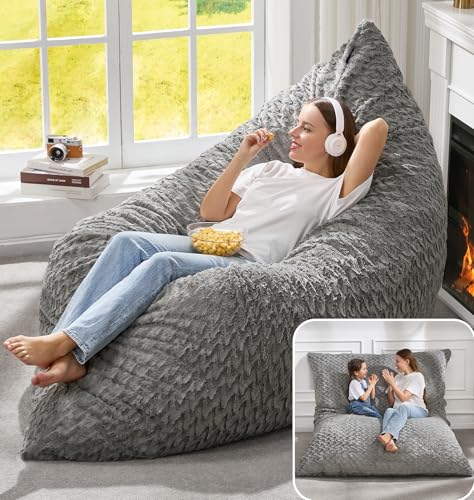
If your living room feels more like a showroom than a sanctuary, you might be missing that all-important cozy corner where you can just flop down and breathe. Having a space that invites you to kick back—whether it’s sinking into a plush chair or sprawling on a soft floor cushion—makes all the difference between a room that’s just for show and one that feels truly lived in. This isn’t about impressing guests with perfect posture; it’s about creating a nook that welcomes you with open arms after a long day. Without that comfy spot, your living room risks becoming a stiff, uninviting place that no one really wants to spend time in.
Key Design Elements
- Add a large, cushioned floor pouf or bean bag that screams, ‘Come on, collapse here!’ and pairs well with your existing decor.
- Invest in a reading chair with generous padding and an inviting shape—think of it as your personal hug in furniture form.
- Incorporate soft throws and a small side table nearby to hold your favorite book or a warm drink, turning the corner into a mini retreat.
Pro Tip: Choose cozy textiles like velvet or chunky knits to amp up the tactile comfort and make that lounge spot impossible to resist.
2. Don’t Let Your Sofa Steal the Spotlight Solo
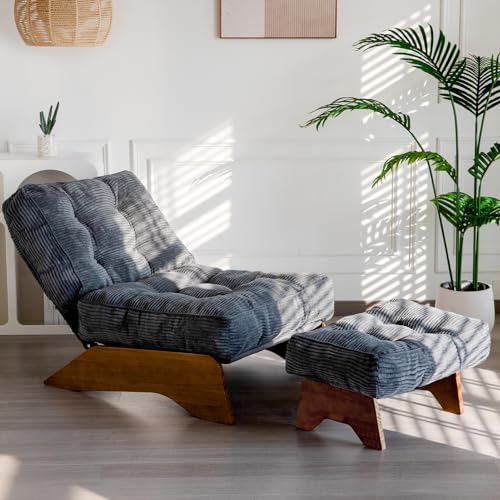
If your living room feels more like a stage with a single actor, it might be time to cast some supporting furniture. Relying on just one couch often leaves the space feeling flat and a bit lonely—like hosting a party where only one guest shows up. A second seating option, such as a charming accent chair, not only invites more conversation but also brings balance and dimension to your layout. Think of it as creating a cozy little social triangle that encourages interaction and gives your space personality.
Plus, a well-chosen chair can introduce a fresh texture or pop of color, breaking up any monotony and adding unexpected flair. It’s like giving your room a fun sidekick that complements the main star without stealing the scene. Trust me, your couch will thank you (and so will your guests).
Key Design Elements
- Add a petite accent chair that fits your style—vintage, modern, or even thrifted treasures work wonders.
- Arrange your seating to form a conversational triangle with your couch and a side or coffee table to make socializing effortless.
- Opt for a chair with a contrasting fabric or bold hue to inject texture and visual interest without overwhelming the space.
Pro Tip: Mixing in a chair with a different shape or pattern than your sofa instantly elevates the vibe and keeps things visually exciting.
3. Elevate Your Curtains, Elevate Your Room
If your curtains look more like awkwardly short skirts than elegant drapes, odds are you’ve hung them a little too close to the window frame. Setting the rod just above the window can unintentionally squash your room’s height and make your entire space feel cramped. And if the curtains end way above the floor, it’s like they’re mid-shrink cycle—leaving your windows looking incomplete and your style a bit off. Curtains have the power to stretch a room visually, so playing with their placement is a small change with a big impact.
Key Design Elements
- Mount the curtain rod 4 to 6 inches below the ceiling to create the illusion of taller windows and higher ceilings.
- Extend the rod at least 4 to 6 inches beyond each side of the window frame to let in more natural light and make your windows feel grander.
- Choose curtain lengths that just graze the floor for that polished, luxe look—no awkward hovering or puddling unless that’s your vibe.
Pro Tip: When in doubt, remember: the higher and wider you hang your curtains, the more expansive and inviting your living room feels.
4. Ditch the Matchy-Matchy: Embrace a Curated Mix
When your sofa, armchair, and coffee table all hail from the same furniture collection, your living room might start to resemble a sleek hotel lobby or a staged showroom—nice, but lacking soul. The charm of a cozy living space lies in its personality, and that comes from layering different styles and textures that somehow speak the same language without being clones. Imagine your space as a gallery of thoughtfully chosen pieces rather than a single showroom display. Subtle variations in wood tones and furniture shapes bring warmth and character, making your room feel inviting and uniquely yours.
Matching sets can feel predictable and a little flat because they’re designed to be uniform. But life is beautifully imperfect, and so should be your decor. Mixing an accent chair that doesn’t exactly match your couch or pairing a round coffee table with square side tables tells a story—you’ve collected your pieces over time, with an eye for style rather than a checklist. This approach breathes life into your space and showcases your personal taste without trying too hard.
Key Design Elements
- Choose a sofa and accent chair in complementary styles or colors instead of identical pieces to add visual interest.
- Mix wood finishes that are in the same warm or cool family but vary slightly in hue or texture for depth.
- Opt for coffee and side tables in different shapes or materials—think a sleek metal table paired with a rustic wooden one.
Pro Tip: Layer your living room like a well-edited outfit—balance cohesion with a playful touch of unexpectedness.
5. Why Your Artwork Might Be Playing Hide and Seek Above Eye Level
Ever glance up at a painting and feel like it’s trying to escape your gaze? Hanging art too high is a surprisingly common decor faux pas that can throw off the balance of your entire room. When artwork floats closer to the ceiling than your line of sight, it disconnects from the space and your furniture, making the whole setup feel awkward and less inviting. Since our eyes naturally rest at a certain height, keeping your art within that comfortable range invites viewers in and creates a harmonious flow.
Key Design Elements
- Aim to position the center of your artwork roughly at eye level, around 57 to 60 inches from the floor, so it feels naturally engaging.
- If your piece is going over a sofa, console, or shelf, leave a cozy 6 to 8 inches of breathing room between the top of the furniture and the bottom of the frame.
- For group hangings or gallery walls, treat the whole cluster as one big piece and find the center point to align at eye level, ensuring a cohesive look.
Pro Tip: Try marking your wall with painter’s tape at the ideal height before hanging to avoid those dreaded “too high” adjustments.
6. When Fake Plants Fake You Out: Avoiding That Plastic Jungle Vibe
We get it—plants bring life to a room without the hassle of watering schedules or sunlight drama. But not all faux foliage is created equal. If your fake plant screams ‘I’m plastic!’ from across the room, it does more harm than good, turning your cozy living space into a tacky showroom. The trick is to channel the vibe of nature, not a craft store clearance bin. It’s all about subtle details: natural colors, textures that mimic the real deal, and arrangements that feel organic rather than too perfect. Remember, one well-chosen faux plant can elevate the whole room, while a cluster of obvious knock-offs just crowds your space with disappointment.
Key Design Elements
- Choose faux plants with matte leaves—shine is a dead giveaway for plastic.
- Look closely at the base: realistic soil or moss adds authenticity and grounds your plant.
- Pick plants with natural, imperfect shapes rather than symmetrical or overly uniform designs.
Pro Tip: If you’re not ready for faux, go for easy-living real plants like a snake or ZZ plant—they thrive on neglect and still look fabulous.
7. Don’t Skip the Senses: Making Your Living Room a Full-Body Experience

A stunning sofa and perfect paint color are great, but if your living room only looks good, you’re missing out on the magic. The best rooms don’t just please the eyes—they invite you to feel, hear, and even smell the vibe. Think about that hotel lobby that instantly relaxes you; it’s not just the style, it’s the gentle hum of music, the subtle scent in the air, and maybe even the soft trickle of water that wraps you in calm. When your space works on multiple senses, it becomes a sanctuary, not just a room. Ignoring these sensory details is like baking a cake without sugar—technically fine, but lacking that unforgettable sweetness.
Key Design Elements
- Introduce soft background music that suits your style—jazz, acoustic, or even nature sounds to create mood without overwhelming conversation.
- Light a beautifully scented candle or use a reed diffuser with natural fragrances like lavender, cedarwood, or fresh linen to make your space inviting and fresh.
- Add a small water feature, like a tabletop fountain, to bring soothing sound and a touch of nature indoors, helping melt away stress.
Pro Tip: Choose scents and sounds that make YOU feel relaxed—your living room should reflect your personal vibe, not a generic one-size-fits-all mood.
8. When Walls Go Silent: Bringing Life to Empty Spaces
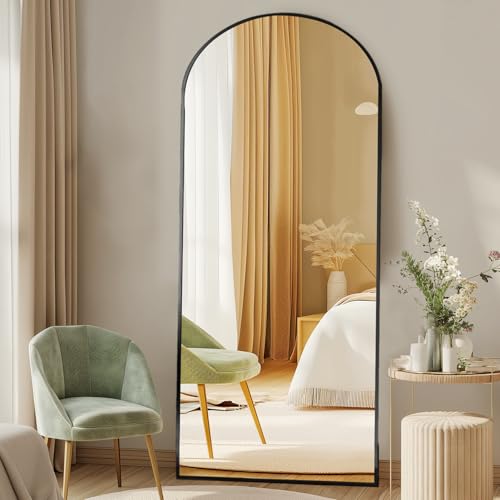
Imagine sitting in a room where the walls are completely bare—it’s like listening to a podcast with awkward, endless pauses. Empty walls can make a living space feel unfinished, cold, or just plain forgotten. Adding something personal, whether it’s art, a mirror, or an unexpected touch, transforms that silence into a conversation starter. And the best part? You don’t need a big budget or fancy gallery pieces to make a statement. Even small, thoughtful touches breathe energy and warmth into your living room.
Key Design Elements
- Scout thrift stores or flea markets for affordable, unique artwork or frames that add character without breaking the bank.
- Consider DIY options like framing a piece of colorful fabric or printing your favorite quote to create meaningful, budget-friendly art.
- Place a large mirror leaning against the wall to instantly add depth, reflect light, and make your space feel brighter and bigger.
Pro Tip: If you’re not quite ready to commit to permanent art, lean into versatile pieces like mirrors or removable decals that you can easily swap out as your style evolves.
9. Don’t Let Your Tiny Rug Shrink Your Living Room
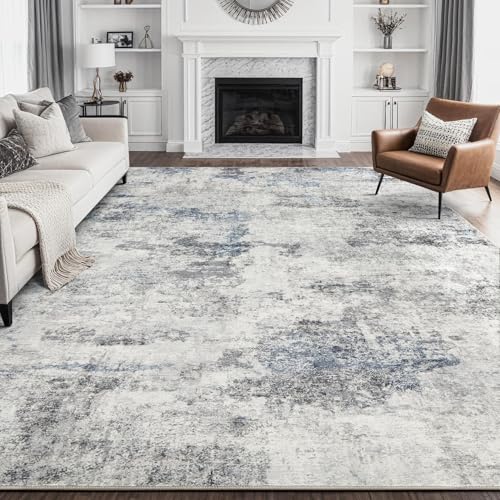
There’s nothing quite like a rug that’s too small to make your spacious living room feel cramped and choppy. When the rug barely peeks out from under your furniture, it creates awkward little islands instead of a cozy, unified seating area. Instead of inviting y