The Ultimate Guide to DIY Garage Organization

Garages can be the true heroes of our homes. They house our vehicles, protect our tools, and frequently serve as a catch-all for items that simply do not have a designated place anywhere else. Over time, this indispensable space can easily transform from a functional parking area into a chaotic dumping ground. Reclaiming your garage does not have to be an expensive or overwhelming endeavor. But I’m here to tell you that you can execute a DIY garage organization project that maximizes your space while looking incredibly stylish.

I’m going to walk you through everything you need to know about organizing your garage. Let’s talk through the initial decluttering process, the importance of establishing functional zones, innovative storage solutions, and how to incorporate trending design elements to elevate the overall look of your space. Whether you are dealing with a compact single-car garage or a sprawling three-bay structure, these strategies will help you create a highly efficient and visually appealing environment.
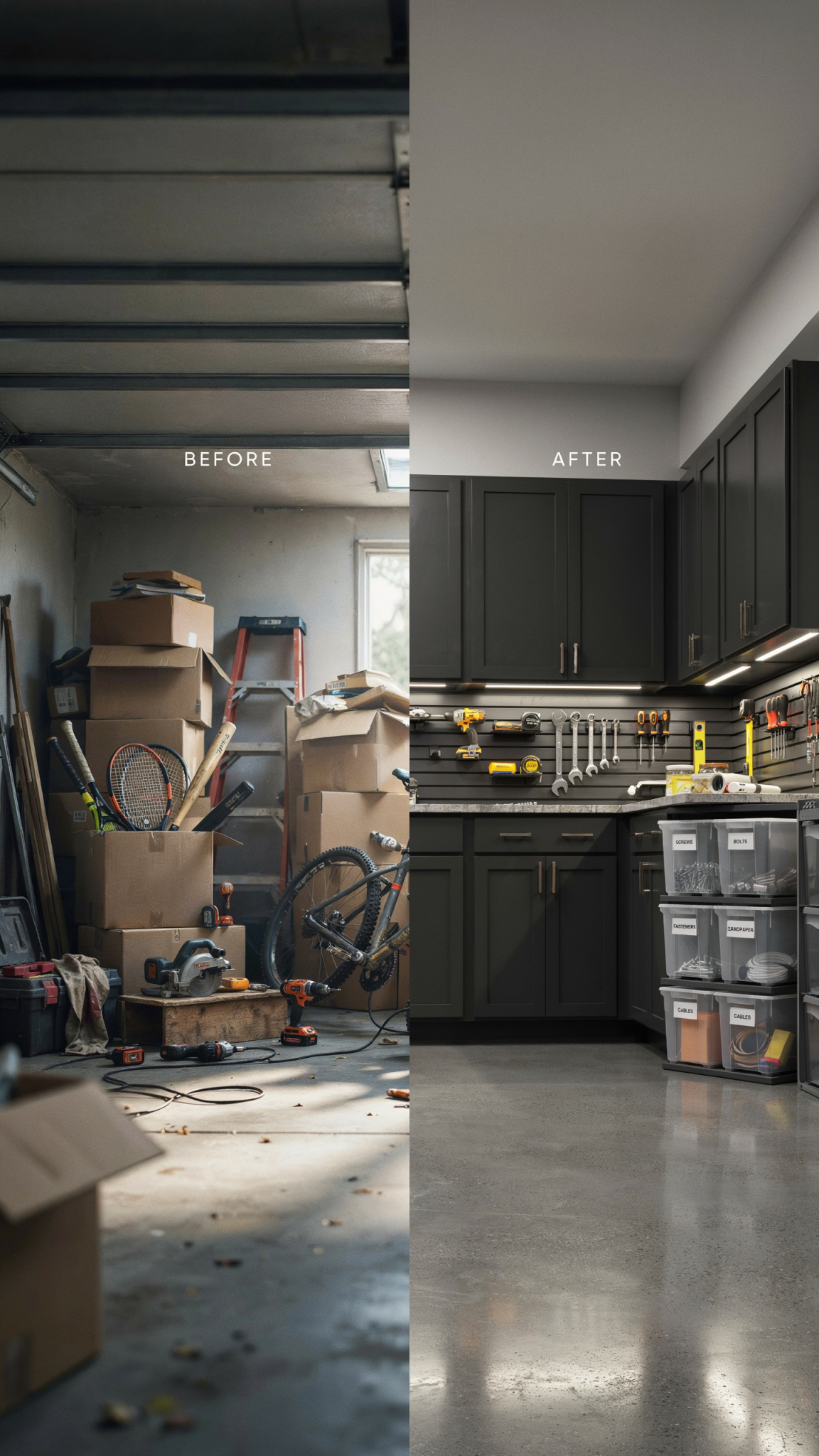
Phase One: The Great Decluttering

Before you can implement any organizational systems or aesthetic upgrades, you must first address the existing clutter. Attempting to organize a space filled with items you no longer need is an exercise in futility. The decluttering phase is arguably the most critical step in any garage organization project.

Emptying the Space

The most effective way to declutter a garage is to start with a blank slate. Choose a weekend with clear weather and pull everything out onto your driveway or lawn. This strategy serves two purposes. First, it forces you to handle every single item, preventing you from simply shifting clutter from one corner to another. Second, it allows you to see the true dimensions of your garage, providing a better understanding of the space you have to work with.

The Sorting Process

As you empty the garage, begin sorting items into distinct categories. A common and highly effective method is the four-box system: Keep, Donate, Sell, and Trash.

The “Keep” pile should only include items that you use regularly or have a clear, functional purpose. Be ruthless in your evaluation. If you have not used an item in over a year, it is highly likely that you no longer need it.

The “Donate” and “Sell” piles are for items that are still in good condition but no longer serve you. Donating to local charities is a great way to give back to your community while clearing space. If you have valuable items, consider hosting a garage sale or selling them online to generate extra funds that can be reinvested into your organization project.

Finally, the “Trash” pile is for items that are broken, expired, or otherwise unusable. Be sure to dispose of hazardous materials, such as old paint or chemicals, according to your local regulations.

Cleaning and Prepping the Canvas

Once the garage is empty and your belongings are sorted, take the time to thoroughly clean the space. Sweep the floors, wipe down the walls, and remove any cobwebs. This is also the ideal time to address any necessary repairs, such as patching holes in the drywall or fixing drafty windows. Starting with a clean, well-maintained space will make the subsequent organization and design phases much more rewarding.

Phase Two: Strategic Zoning for Maximum Efficiency

With a clean and empty garage, it is time to plan your layout. One of the most effective strategies for maintaining an organized space is to establish functional zones. Zoning involves grouping similar items together in designated areas, making it easier to find what you need and ensuring that everything has a specific home.

The Automotive Zone

The primary function of a garage is typically to house vehicles, so this should be your first consideration. Ensure that there is ample space for your cars to park comfortably, with enough clearance to open doors without dinging the walls. The automotive zone should also include items related to car maintenance, such as washing supplies, extra fluids, and tire accessories. Store these items on a designated shelf or in a cabinet near where the car is parked for easy access.

The Workshop and Tool Zone

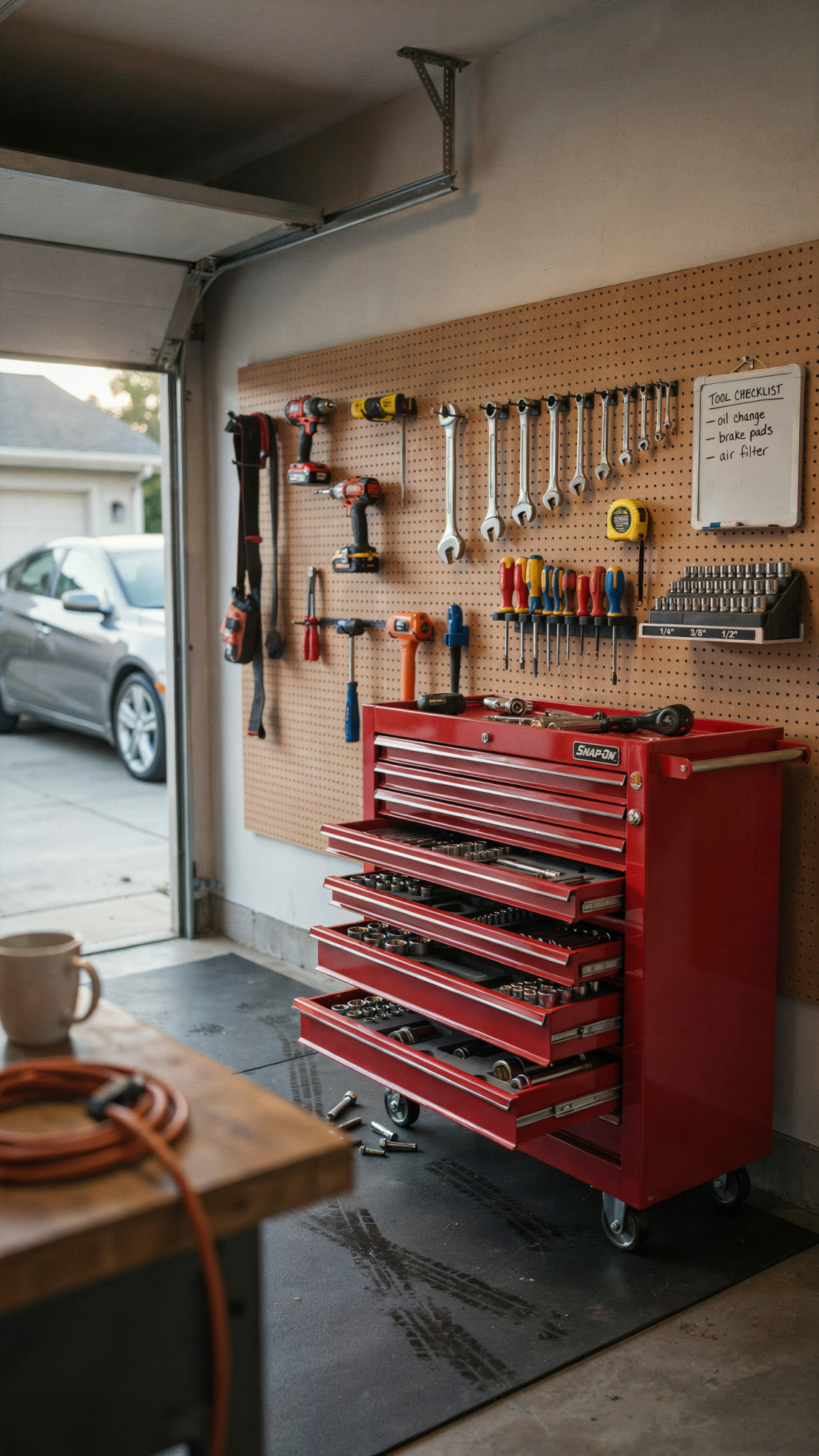
If you are a DIY enthusiast or simply need a place to tackle household repairs, a dedicated workshop zone is essential. This area should include a sturdy workbench, adequate lighting, and comprehensive tool storage. We will cover tool organization later here, but the key is to keep this zone distinct from other storage areas to maintain a focused and efficient workspace.
The Lawn and Garden Zone

Lawnmowers, shovels, rakes, and gardening supplies require a significant amount of space. Designate a zone near the garage door for these items, making it easy to grab what you need before heading out to the yard. Utilizing vertical storage solutions, such as wall-mounted hooks or racks, is highly effective for keeping long-handled tools organized and off the floor.

The Sports and Recreation Zone

Bicycles, camping gear, sports equipment, and outdoor toys can quickly clutter a garage if not properly managed. Create a specific zone for these items, ideally near the entrance for quick access. Specialized storage solutions, such as bike racks or ball bins, can help keep this area tidy and ensure that equipment is ready for your next adventure.

The Seasonal and Bulk Storage Zone

Every home has items that are only used occasionally, such as holiday decorations, seasonal clothing, or bulk household supplies. These items should be stored in a designated zone, typically in harder-to-reach areas like high shelves or overhead storage racks. By keeping these items out of the way, you free up valuable accessible space for things you use more frequently.

Phase Three: Innovative Storage Solutions

Now that you have established your zones, it is time to implement storage solutions that maximize your space and keep your belongings organized. The key to successful garage organization is to utilize every available inch, particularly vertical and overhead space.
Mastering Vertical Storage

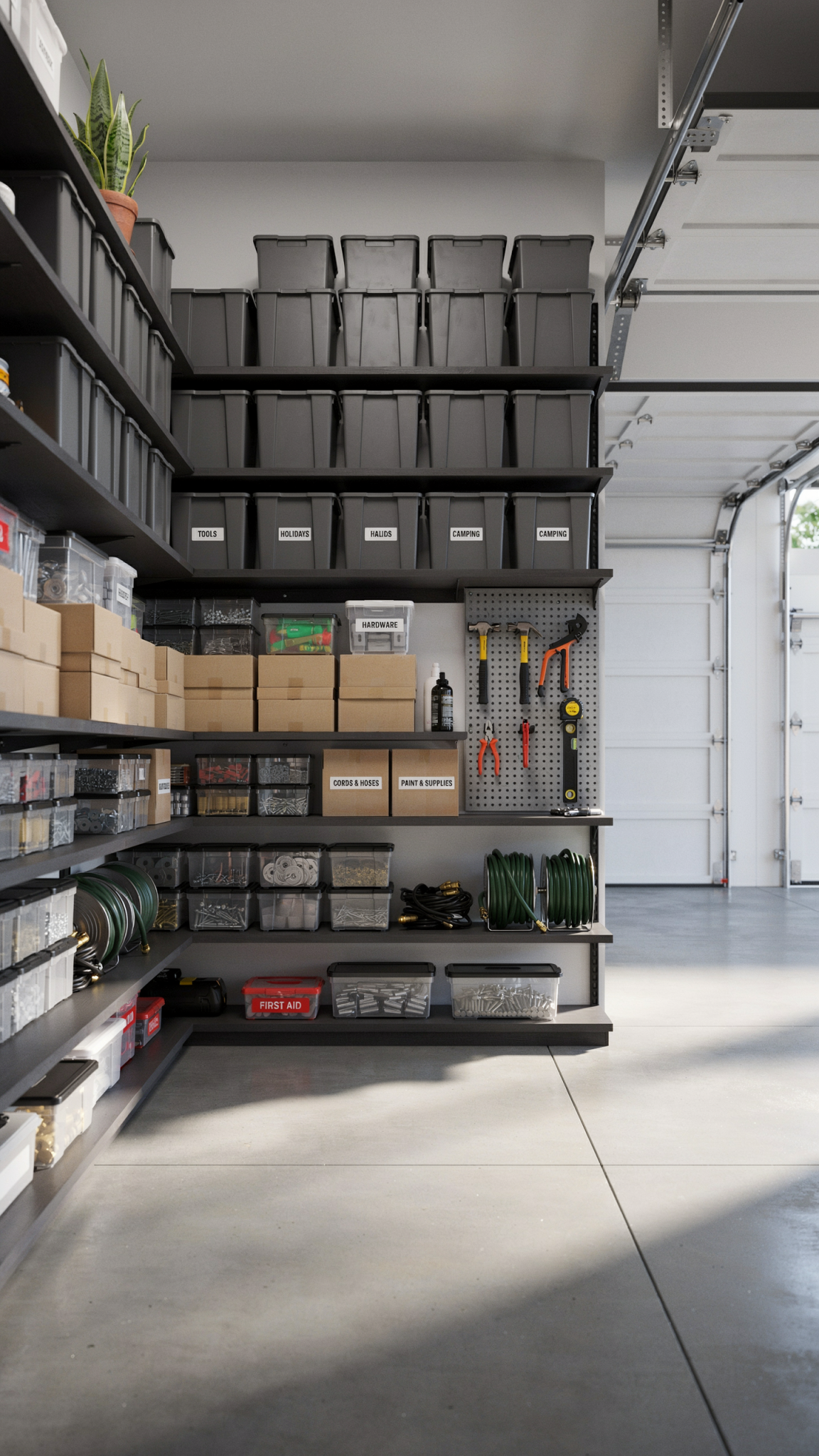
The walls of your garage offer a massive amount of untapped storage potential. By moving items off the floor and onto the walls, you can drastically increase your available square footage and create a much cleaner, more organized aesthetic.

Slatwall Systems

Slatwall panels are a premier choice for vertical storage, offering unparalleled versatility and a sleek, modern look. These panels feature horizontal grooves that can accommodate a wide variety of hooks, baskets, and shelves. The beauty of a slatwall system is its adaptability; you can easily rearrange the configuration as your storage needs change. When selecting slatwall panels, consider trending colors like matte black or deep navy to add a sophisticated touch to your garage design.

Pegboard Organizers

Pegboards are a classic garage storage solution for good reason. They are inexpensive, easy to install, and incredibly functional. Pegboards are particularly effective for organizing hand tools above a workbench. By outlining the shape of each tool on the board, you create a visual inventory that makes it instantly clear when an item is missing. For a more modern aesthetic, consider painting your pegboard a bold accent color or framing it with natural wood trim.

Heavy-Duty Wall Shelving

For items that are too bulky or heavy for slatwalls or pegboards, heavy-duty wall shelving is essential. Look for adjustable shelving systems that allow you to customize the height of each shelf to accommodate different sized items. Wire shelving is a popular and budget-friendly option, but solid wood or metal shelves often provide a cleaner, more substantial look.

The Power of Overhead Storage

When you have exhausted your wall space, look up. The ceiling of your garage is prime real estate for storing items that are used infrequently.

Ceiling-Mounted Racks

Ceiling-mounted storage racks are ideal for bulky items like seasonal decorations, camping gear, or large storage bins. These racks are suspended from the ceiling joists, keeping your belongings completely out of the way. Ensure that you install these racks securely and adhere to the manufacturer’s weight limits to prevent accidents.

Hoist Systems

For heavy or awkwardly shaped items like bicycles, kayaks, or cargo boxes, a hoist system is a game-changer. These systems use a series of pulleys and ropes to easily lift and lower items from the ceiling. This not only saves floor space but also eliminates the need for heavy lifting, making it a safer and more convenient storage solution.

Cabinetry for a Clean Aesthetic

While open shelving and wall organizers are great for accessibility, they can sometimes look cluttered, even when neatly arranged. If you prefer a more streamlined, minimalist aesthetic, incorporating closed cabinetry is the way to go.

Freestanding Cabinets

Freestanding garage cabinets offer substantial storage capacity and can be easily moved if you decide to change your layout. Look for cabinets made from durable materials like steel or heavy-duty resin that can withstand the fluctuating temperatures and humidity often found in garages.

Custom Built-Ins

For a truly high-end look, consider installing custom built-in cabinetry. This allows you to design a storage system that perfectly fits your space and meets your specific needs. You can incorporate features like pull-out drawers, integrated lighting, and specialized compartments for specific tools or equipment. While this is a more significant investment, the result is a highly functional and visually stunning garage.

Specialized Storage Solutions

In addition to general storage systems, there are several specialized solutions designed to tackle specific organizational challenges.

Tool Organization

Keeping your tools organized is essential for an efficient workspace. In addition to pegboards, consider investing in a high-quality rolling tool chest. These chests provide numerous drawers of varying sizes, allowing you to categorize and store tools securely. Drawer liners and organizers can further enhance this system, ensuring that every wrench and socket has a specific place.

Sports Equipment

Sports gear can be particularly difficult to organize due to its varied shapes and sizes. Utilize specialized racks for items like golf bags, fishing rods, and skis. For smaller items like baseballs or tennis gloves, wire baskets or clear plastic bins are highly effective.

Gardening Supplies

Long-handled tools like rakes and shovels are best stored on wall-mounted hooks or specialized racks. For smaller gardening supplies like trowels, gloves, and pruners, a dedicated potting bench or a small cabinet is ideal. This keeps everything you need for yard work in one convenient location.

Phase Four: Elevating the Aesthetic

A functional garage is wonderful, but a garage that is both functional and aesthetically pleasing is truly exceptional. By incorporating trending design elements, you can transform your garage from a utilitarian storage space into a stylish extension of your home.

The Foundation: Flooring

The floor is the largest surface area in your garage, and upgrading it can have a dramatic impact on the overall look and feel of the space.

Epoxy Coatings

Epoxy flooring is currently one of the most popular trends in garage design. An epoxy coating provides a durable, stain-resistant, and easy-to-clean surface that looks incredibly sleek and professional. Available in a wide range of colors and finishes, including metallic and flake options, epoxy allows you to customize the look of your floor to match your personal style.

Interlocking Tiles

If you prefer a DIY-friendly flooring option, interlocking garage tiles are an excellent choice. These tiles are typically made from durable PVC or rubber and simply snap together over your existing concrete floor. They are available in various colors and patterns, allowing you to create custom designs, such as a classic checkerboard or a modern geometric layout.

Painting and Finishing

Never underestimate the power of a fresh coat of paint. Most garages are finished with basic white drywall, which can quickly look dingy and unfinished.

Wall Colors

Painting your garage walls can instantly elevate the space. While white is a safe choice for maximizing brightness, consider incorporating trending colors for a more sophisticated look. Soft grays, muted blues, or even a bold accent wall can add depth and character to your garage. Ensure you use a high-quality, durable paint that can withstand the demands of the environment.

Upgrading Lighting

Proper lighting is crucial for both functionality and aesthetics. Most garages are equipped with a single, dim overhead bulb, which is insufficient for detailed work or creating a welcoming atmosphere. Upgrade your lighting by installing bright, energy-efficient LED fixtures. Consider adding task lighting over your workbench and accent lighting to highlight specific features or storage areas.

Cohesive Design Elements

To achieve a truly high-end look, pay attention to the details and ensure that your design elements are cohesive.

Matching Storage Containers

If you utilize plastic storage bins, opt for opaque containers in a single, coordinating color. This creates a uniform look and hides the visual clutter of the items inside. Label each bin clearly using a label maker or custom vinyl decals for a polished finish.

Consistent Hardware

When installing hooks, handles, or other hardware, choose a consistent finish, such as brushed nickel or matte black. This small detail helps tie the entire space together and contributes to a more intentional and professional design.

Maintaining Your Organized Garage

Organizing your garage is a significant accomplishment, but maintaining that organization requires ongoing effort. Implement these strategies to ensure your space remains tidy and functional.

The “One In, One Out” Rule

To prevent clutter from accumulating again, adopt the “one in, one out” rule. For every new item you bring into the garage, you must remove an existing item. This simple practice helps keep your inventory manageable and ensures that you only retain items that you truly need and use.

Regular Sweeps

Schedule regular maintenance sessions to tidy up your garage. This could be a quick 15-minute sweep each weekend or a more thorough cleaning once a month. Use this time to put items back in their designated zones, sweep the floor, and address any new clutter that may have found its way into the space.

Seasonal Reassessments

Your storage needs will likely change with the seasons. In the spring, you may need easier access to gardening tools and bicycles, while in the winter, snow shovels and holiday decorations take precedence. Take time at the beginning of each season to reassess your layout and make any necessary adjustments to ensure your garage remains highly functional year-round.

Transforming your garage from a cluttered catch-all into a stylish, organized space is a highly rewarding DIY project. You got this!


Leave a Reply

Your email address will not be published. Required fields are marked *