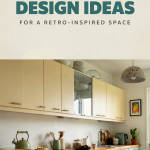
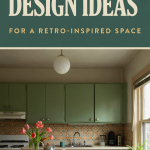
The 1960s brought a bold, optimistic approach to kitchen design—where vibrant colors, playful patterns, and futuristic details turned everyday spaces into lively hubs of the home. From pastel cabinetry to chrome finishes, this era balanced charm and practicality in a way that still feels relevant today.
If you’re looking to recreate that nostalgic mid-century vibe, these thoughtfully reorganized ideas will help you design a 1960s-inspired kitchen that feels both authentic and refreshingly modern.
1. Pastel Cabinetry for a Cheerful Base
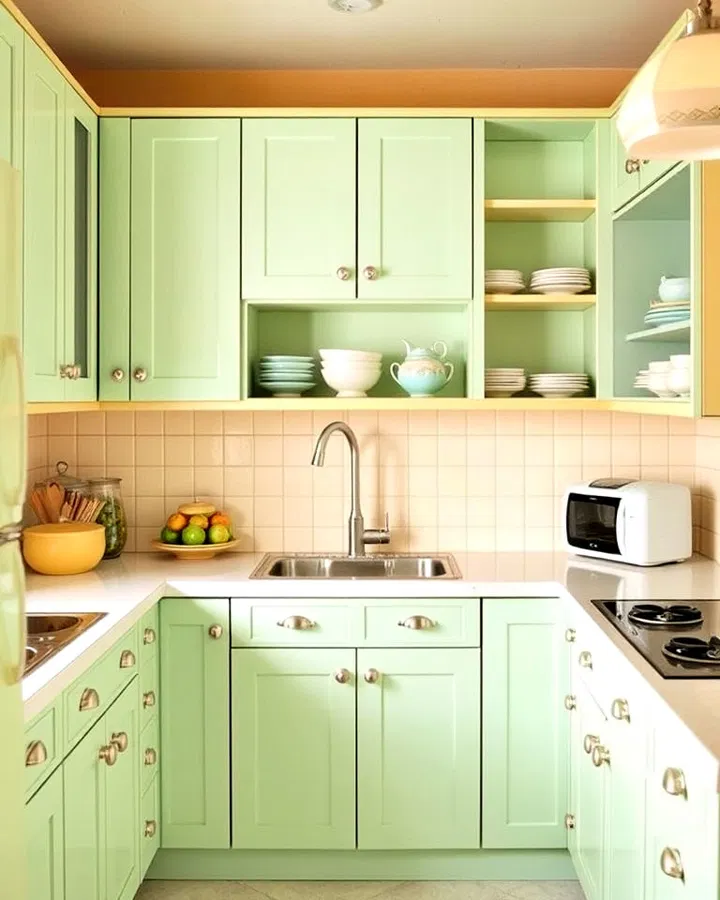
Soft hues like mint green, baby blue, and buttery yellow defined 1960s kitchens. These light, uplifting tones instantly brighten the room and pair beautifully with white countertops or subtle metallic accents. For a modern twist, combine pastel cabinets with minimalist hardware or open shelving.
2. Formica Countertops with Retro Flair
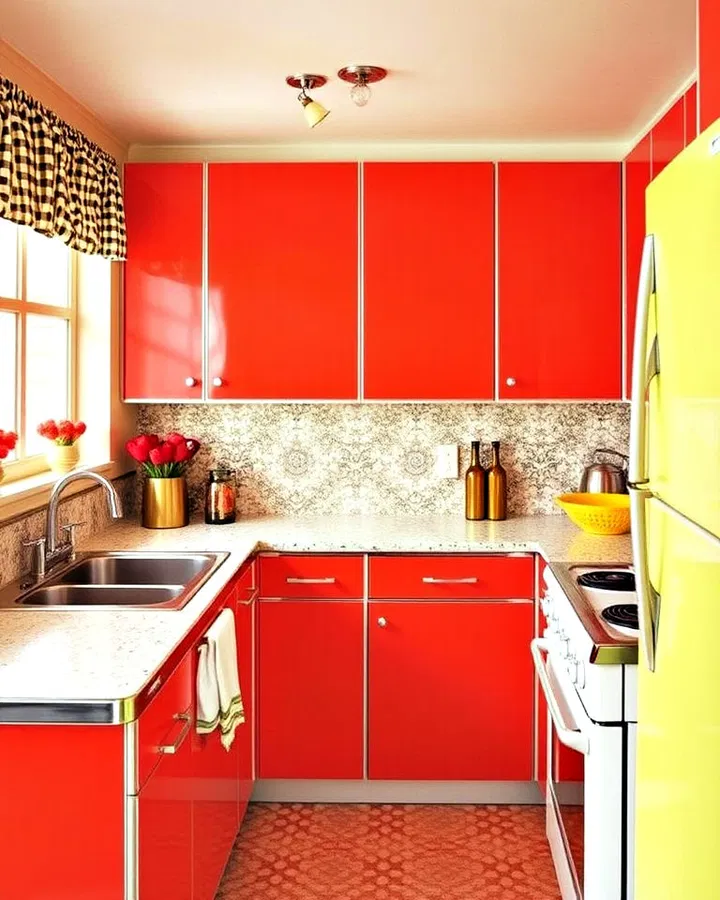
Affordable, durable, and full of personality, Formica countertops were a hallmark of the era. Available in bold colors, speckles, and patterns, they bring both function and vintage charm. Pair them with chrome edging for an authentic mid-century finish.
3. Wood Paneling for Warmth and Texture
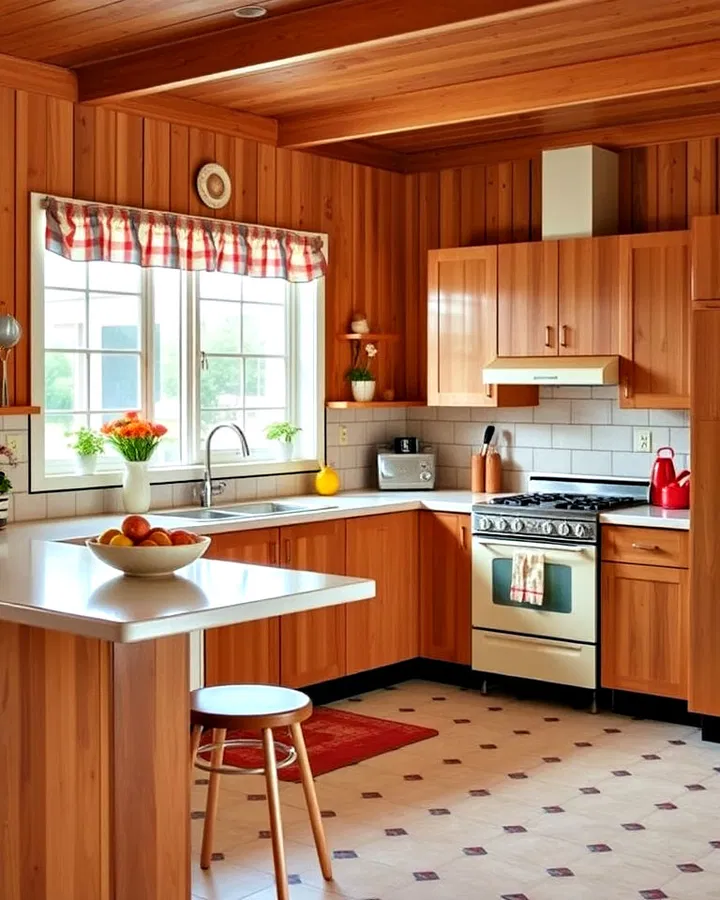
Natural wood paneling adds depth and contrast to colorful kitchens. Whether used on walls or cabinetry, it introduces an organic element that balances brighter tones. Lighter stains can modernize the look while keeping its retro roots.
4. Classic Checkerboard Floors
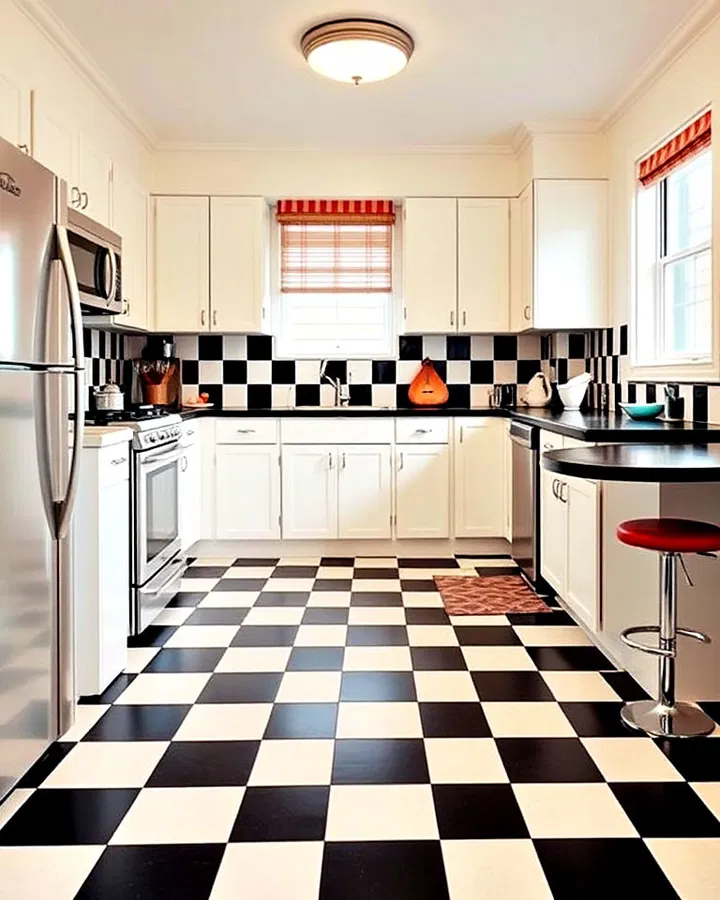
Nothing says retro like a black-and-white checkerboard floor. This high-contrast design creates visual energy and works especially well with simple cabinetry. It’s a timeless feature that instantly anchors a 1960s-inspired kitchen.
5. Bright Linoleum Flooring
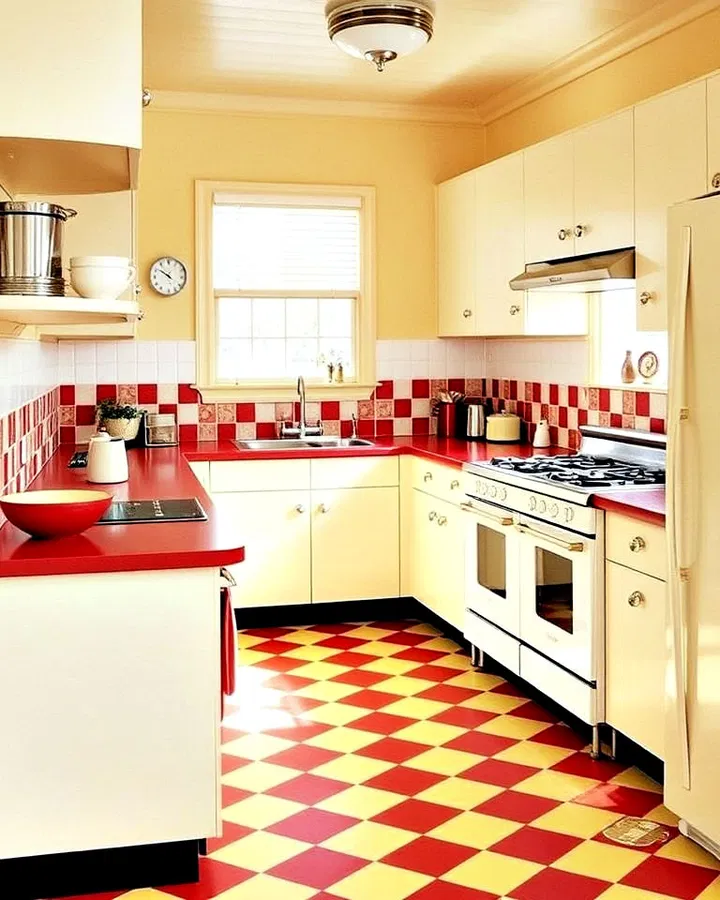
Linoleum was a go-to material thanks to its affordability and easy maintenance. Opt for bold shades like red, yellow, or patterned designs to inject personality into your space while staying true to the era.
6. Cozy Breakfast Nooks
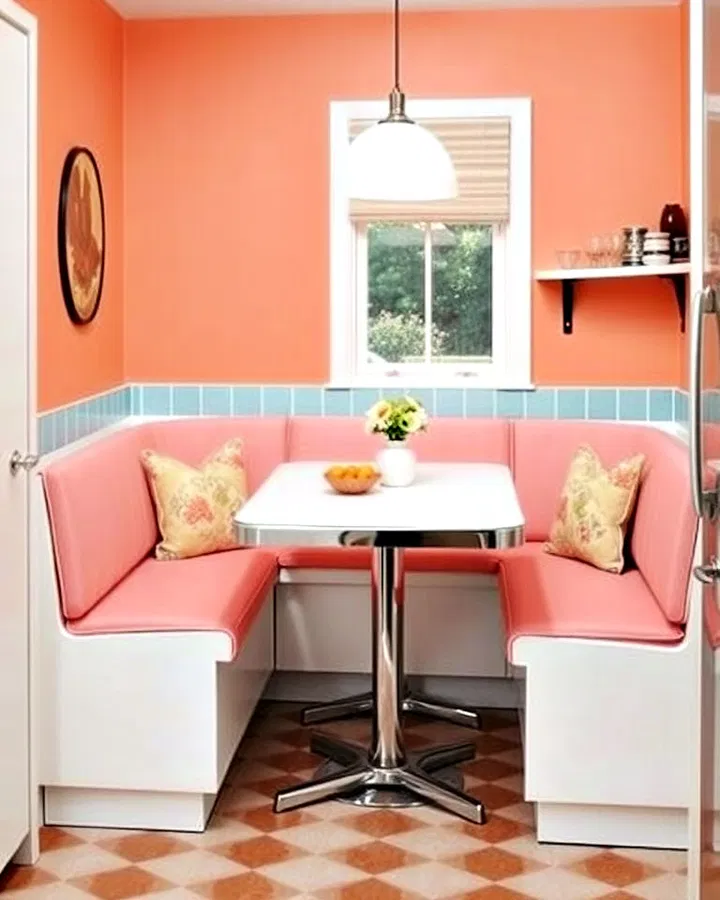
Small dining corners with built-in seating were a staple in 1960s homes. Add vinyl cushions in bright or pastel tones and a compact table to create a welcoming, space-efficient spot for meals or coffee.
7. Built-In Banquettes for Smart Seating
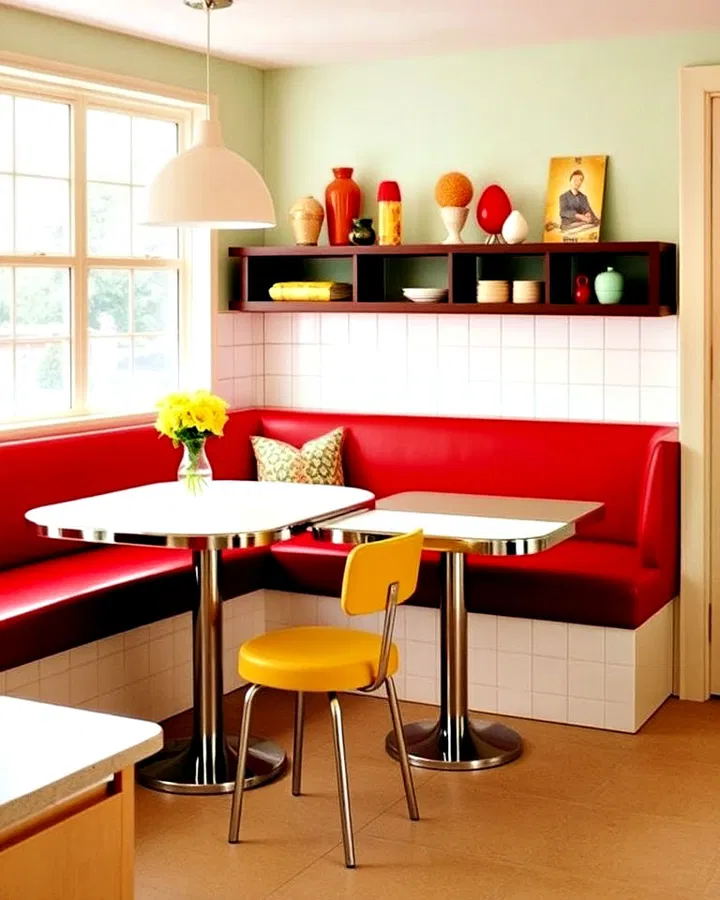
Banquettes take the breakfast nook concept further by maximizing seating in tight spaces. Upholster them in bold prints or classic vinyl to achieve that diner-inspired aesthetic.
8. Curved Furniture for Soft Appeal
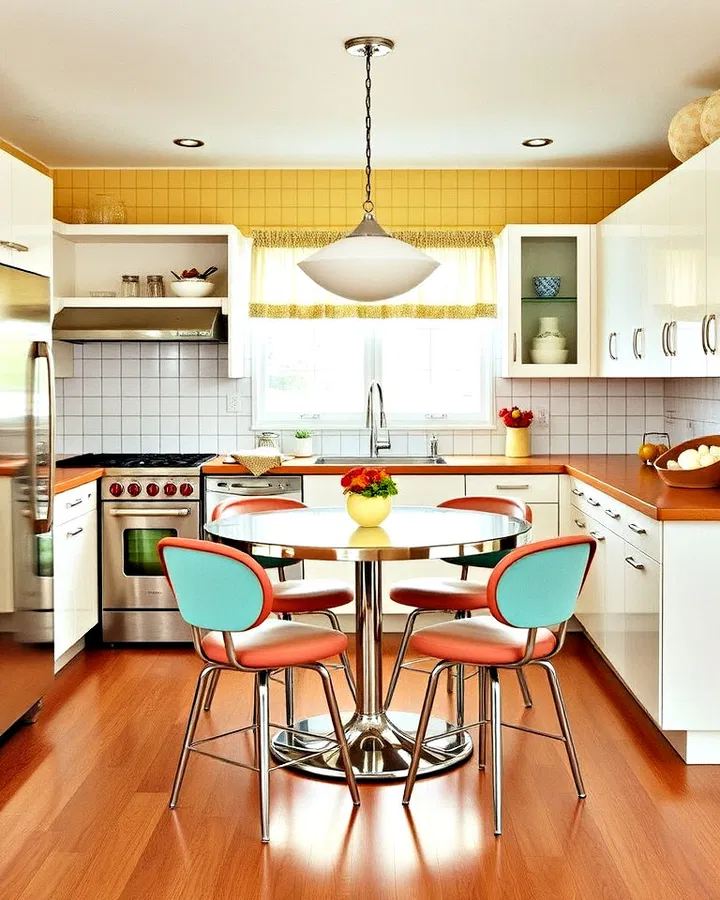
Rounded edges on chairs, tables, and stools reflect the smooth, futuristic style of the decade. These shapes soften the overall look and pair beautifully with both chrome and colorful finishes.
9. Retro Vinyl Dining Chairs
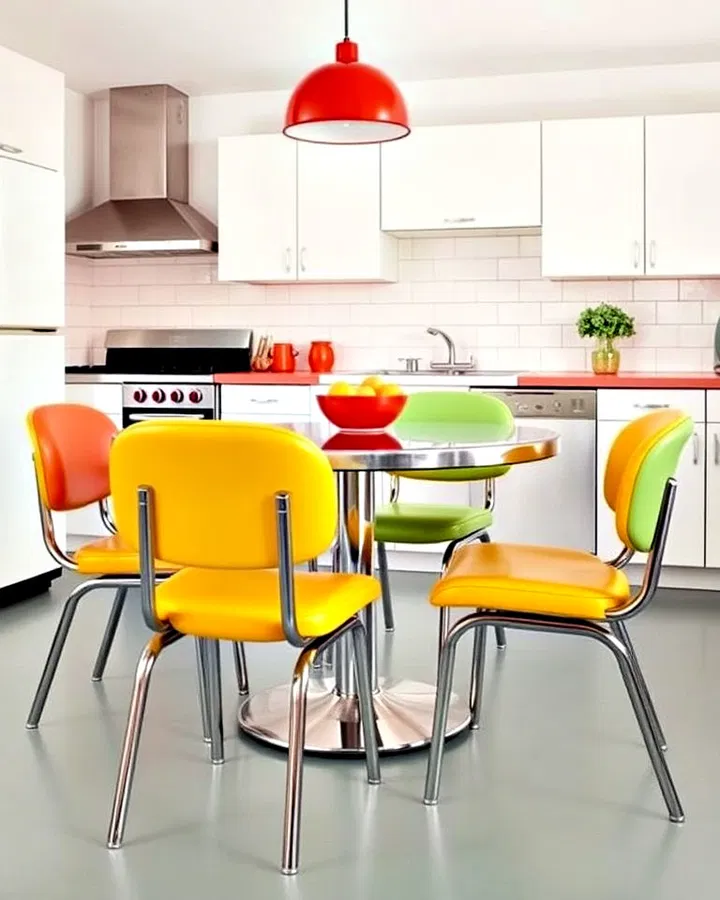
Vinyl-covered chairs in vibrant shades add both durability and nostalgia. When paired with chrome legs and a Formica table, they complete the quintessential 1960s dining setup.
10. Chrome Accents for a Futuristic Touch
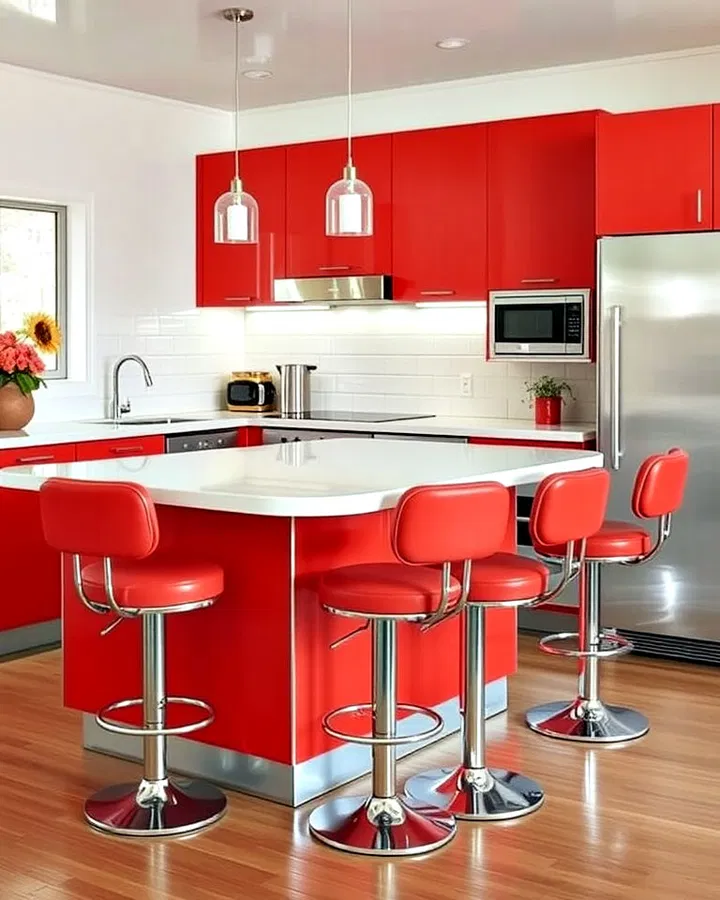
Chrome details—on barstools, table legs, or appliances—gave kitchens a sleek, modern feel. These reflective surfaces contrast beautifully with pastel tones and bold patterns.
11. Open Shelving for Display
Open shelves were both practical and decorative, allowing homeowners to showcase colorful dishes, glassware, or vintage accessories. This feature adds an airy, lived-in charm to the kitchen.
12. Statement Pendant Lighting
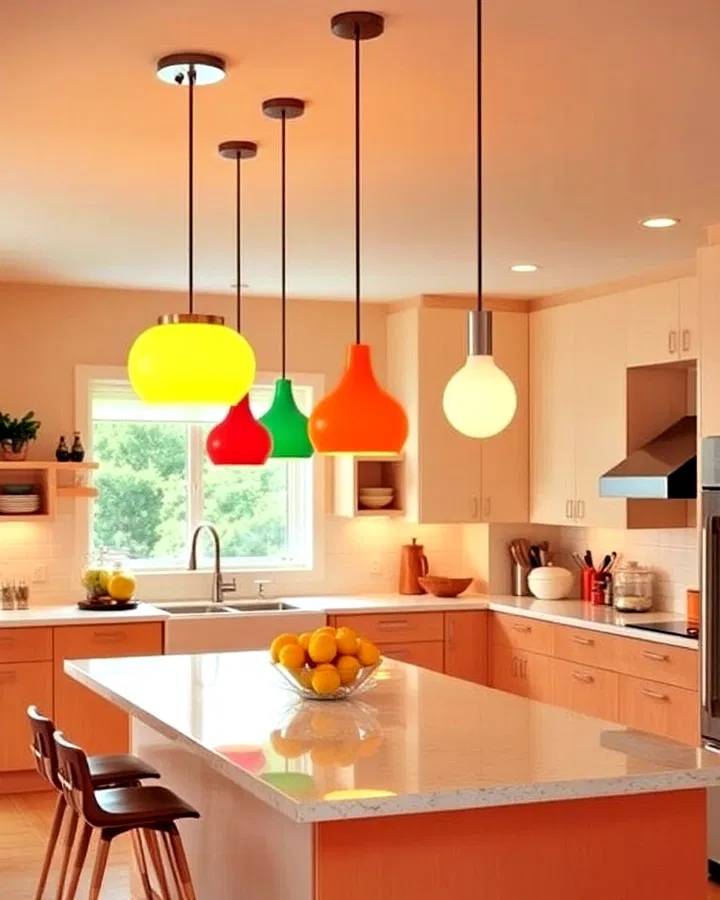
Pendant lights with globe or geometric shapes were a signature element of the era. Use them over dining areas or islands to create both functional lighting and a striking focal point.
13. Retro-Inspired Appliances
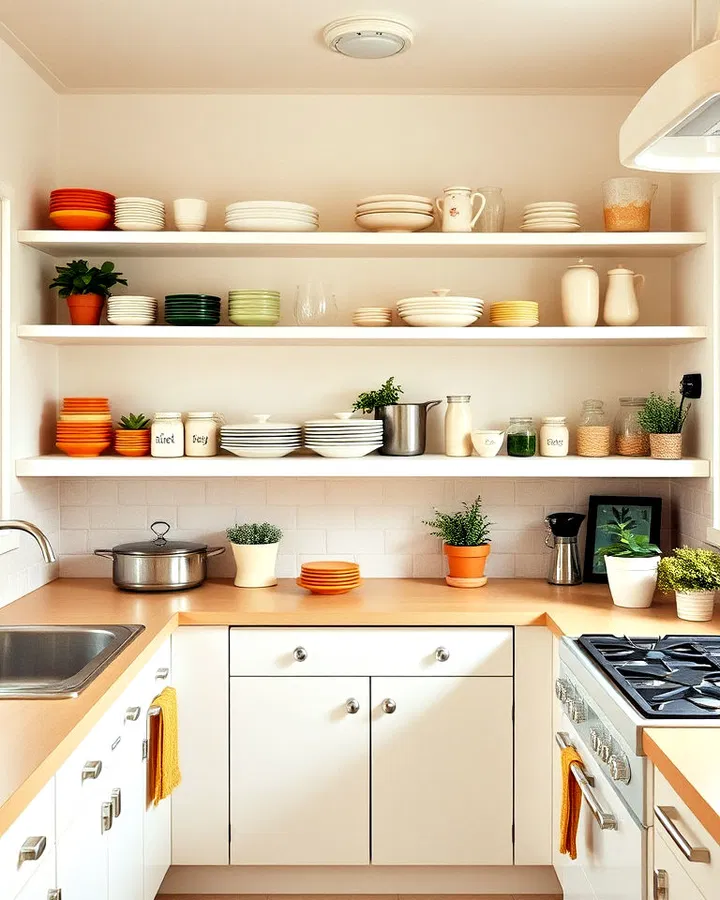
Appliances with rounded edges and colorful finishes defined 1960s kitchens. Today’s retro-style models combine that nostalgic look with modern efficiency, making them a perfect upgrade.
14. Bold Wallpaper Designs
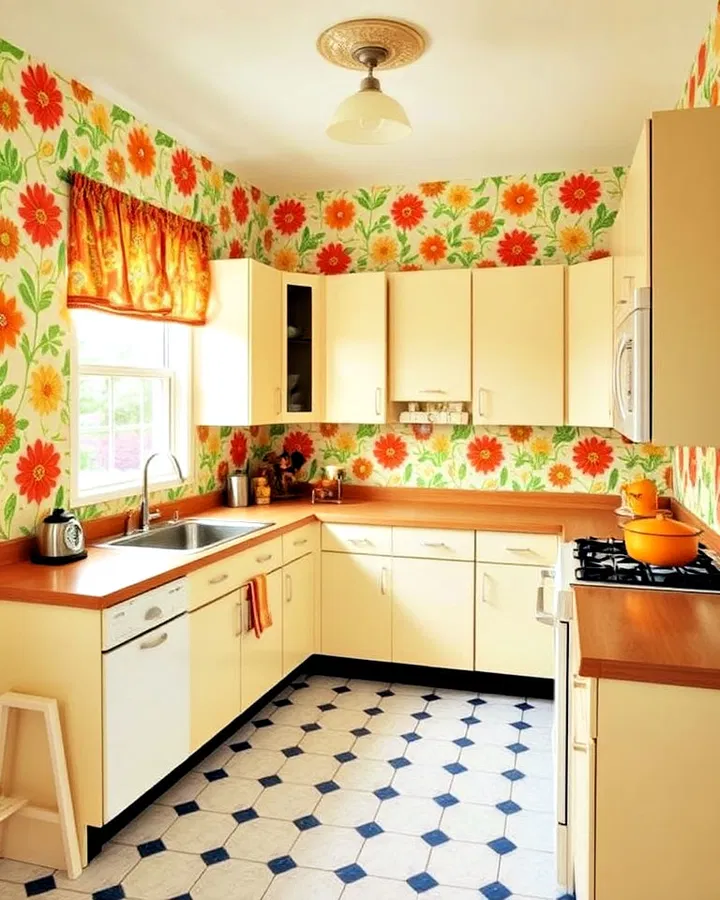
Geometric prints, florals, and vibrant color combinations were widely used to bring personality into kitchens. Use wallpaper as an accent wall to avoid overwhelming the space while still capturing the retro vibe.
15. Pop Art-Inspired Decor
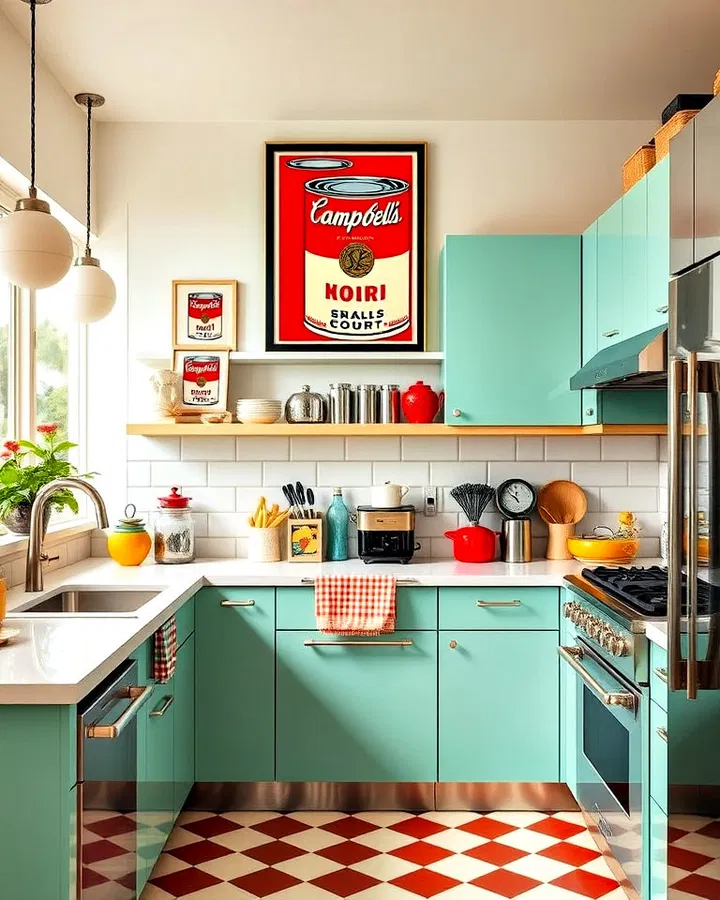
Channel the playful spirit of the 1960s with pop art prints, graphic posters, or colorful accessories. These elements add energy and individuality, tying the entire look together.