

Kitchen backsplashes are no longer just protective surfaces—they’ve become one of the most powerful design features in modern homes. In 2026, the trend shifts toward personalization, texture, and bold visual impact. From earthy materials to statement patterns and seamless designs, these ideas will help you transform your kitchen into a space that feels both stylish and intentional.
1. Embrace Natural Materials for a Warm, Organic Feel
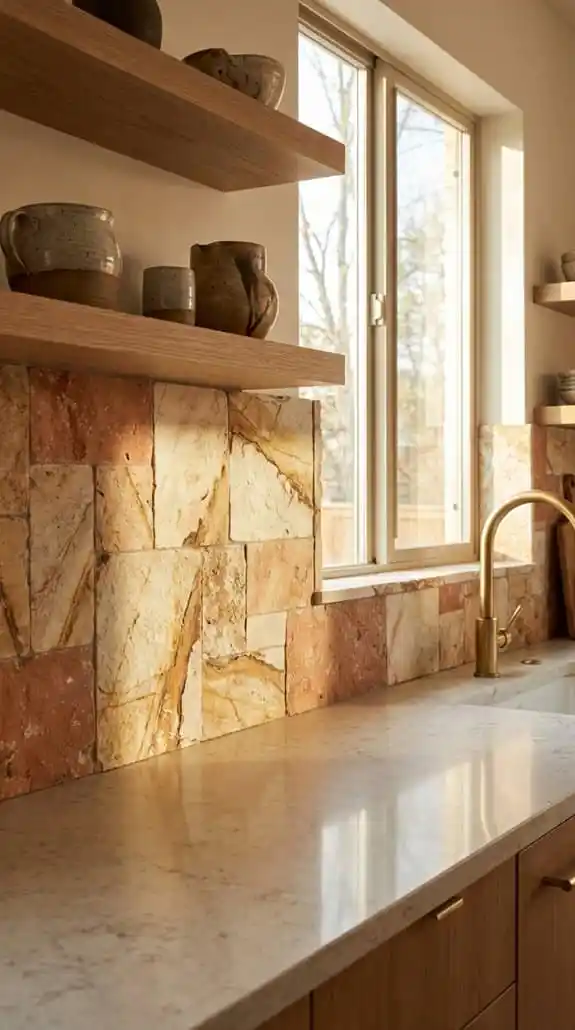
One of the biggest shifts in kitchen design is the move toward nature-inspired materials. Instead of cold, sterile finishes, homeowners are choosing surfaces that feel grounded and tactile.
Think stone, terracotta, and tiles with botanical patterns. These materials bring warmth and texture, instantly making your kitchen feel more inviting. Soft neutral tones like cream, sand, and taupe also help reflect light while maintaining a calm, earthy palette.
To elevate the look even further, extend these materials vertically toward the ceiling. This creates a more architectural and high-end appearance while drawing the eye upward, making your kitchen feel taller and more spacious.
2. Go Monochromatic for a Clean, Modern Look
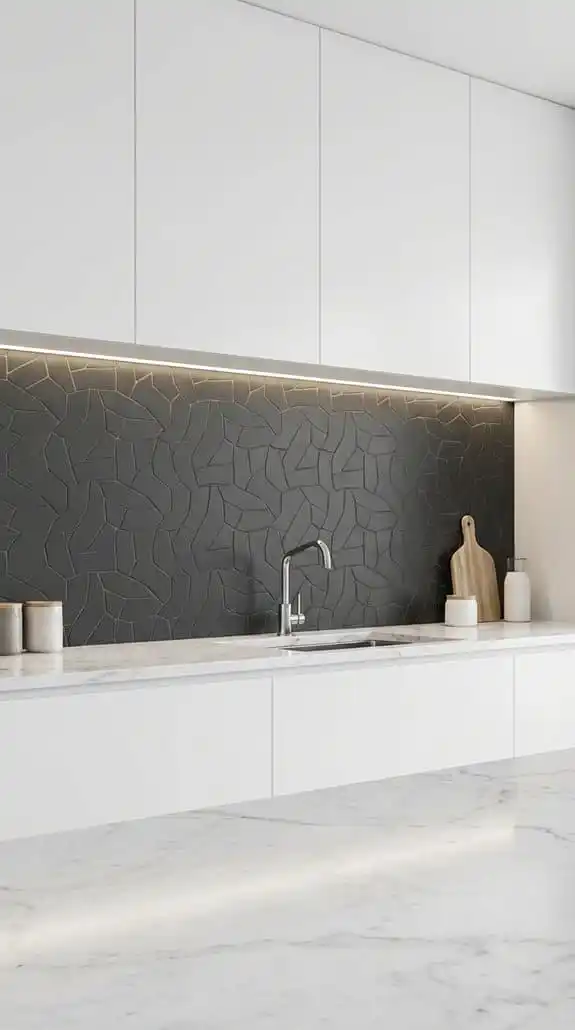
If you prefer a sleek and minimal aesthetic, monochromatic backsplashes are the way to go. Matching your backsplash color with your cabinetry creates a seamless, cohesive design that feels polished and intentional.
But simplicity doesn’t have to mean boring. Modern tile shapes—like elongated hexagons or unique coffin-style tiles—add subtle visual interest without disrupting the clean look.
To take it up a notch, use contrasting grout. A bold grout color like black or deep red against neutral tiles can define patterns and add depth while keeping the overall palette refined.
3. Create Seamless Flow by Matching Surfaces
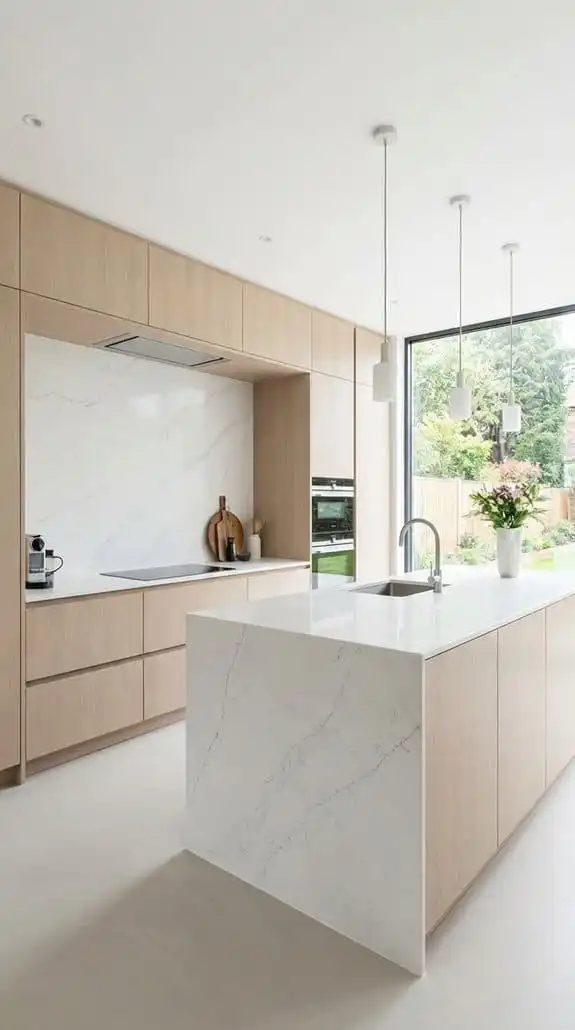
For a truly high-end kitchen design, continuity is key. Matching your backsplash material with your countertops—or even your kitchen island—creates a seamless flow that feels luxurious and cohesive.
Marble, quartzite, or soapstone can be extended from horizontal surfaces up onto the walls, eliminating visual breaks. This approach works especially well in modern kitchens where simplicity and clean lines are essential.
You can also apply this concept selectively. For example, matching only the island backsplash can create a focal point without overwhelming the entire space.
4. Make a Statement with Bold Colors and Patterns
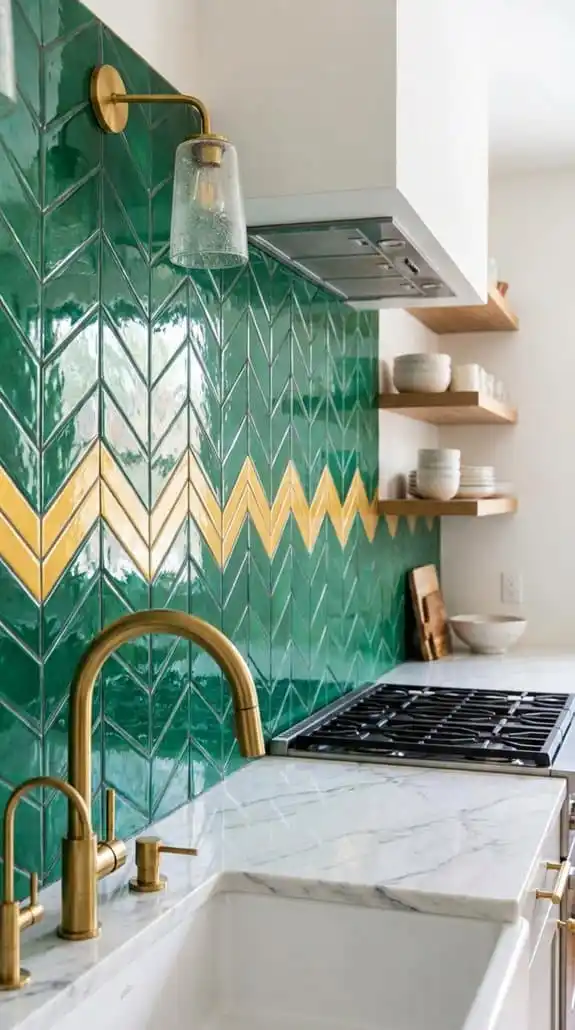
If you want your kitchen to stand out, bold backsplashes are making a huge comeback. Vibrant colors like deep blue, forest green, burnt orange, and even bright yellow are being used to create eye-catching focal points.
Geometric patterns add another layer of visual interest. Triangles, checkerboards, and abstract layouts introduce movement and personality into the space.
The key here is balance—pair bold backsplashes with simple cabinetry and neutral appliances so the design feels intentional rather than overwhelming.
5. Use Glossy Finishes to Brighten and Expand the Space
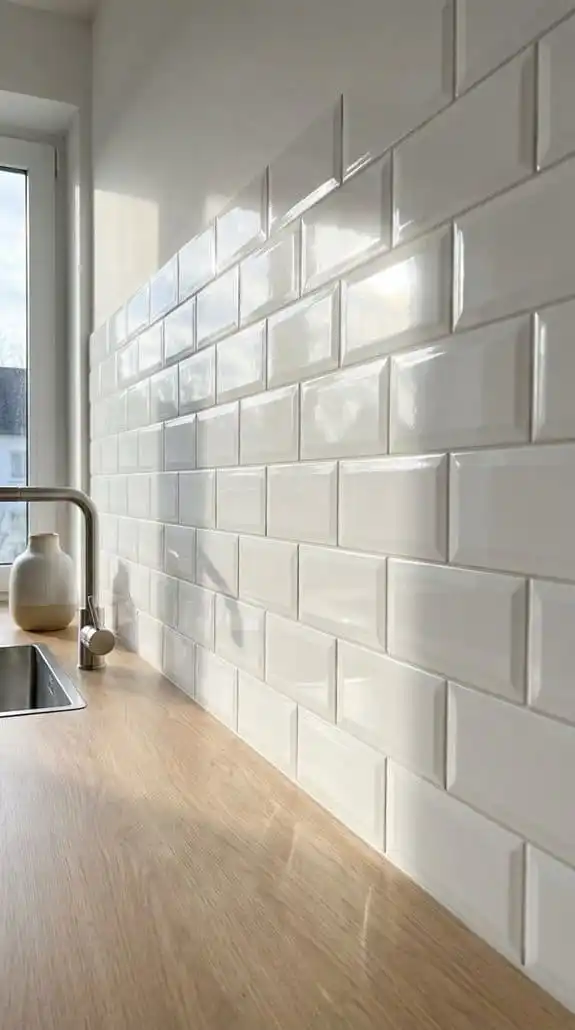
Glossy backsplashes are more than just stylish—they’re highly functional. Reflective surfaces bounce light around the room, making your kitchen feel brighter and more open.
Materials like glass panels, high-gloss ceramic tiles, and handcrafted zellige tiles create a luminous effect that enhances both natural and artificial lighting.
For smaller kitchens, this is especially effective. A glossy or even mirrored backsplash can visually double the space, giving the illusion of a larger, airier room.
6. Extend Your Backsplash All the Way to the Ceiling
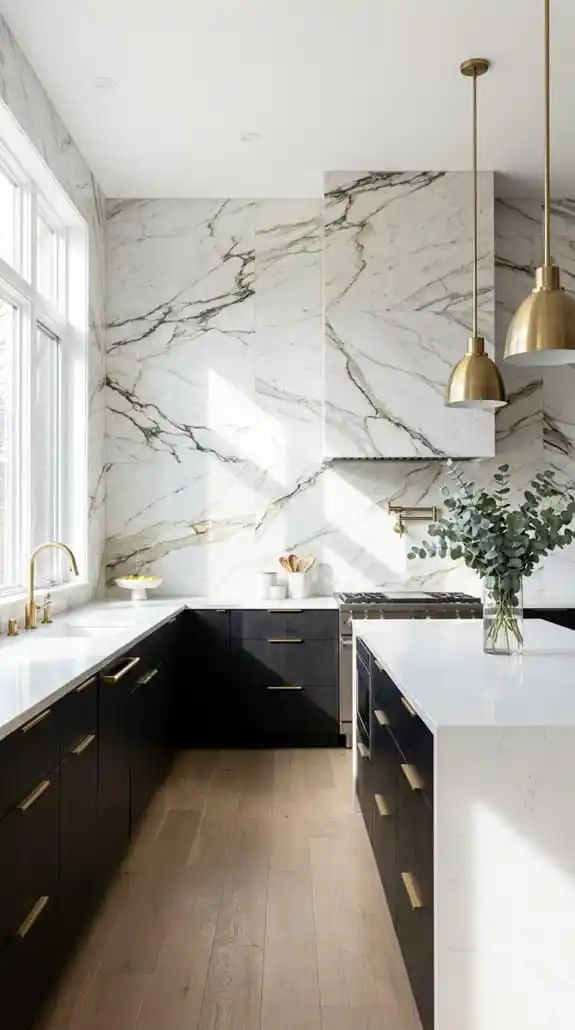
One of the most impactful design upgrades you can make is extending your backsplash beyond the traditional height.
Running your backsplash from the countertop all the way to the ceiling creates a dramatic, continuous surface that feels luxurious and modern. It also eliminates awkward gaps between cabinets and walls, resulting in a cleaner overall look.
This technique works beautifully with statement materials like marble or bold tiles, turning your backsplash into a true centerpiece.
7. Ditch Traditional Subway Tiles for Fresh Alternatives
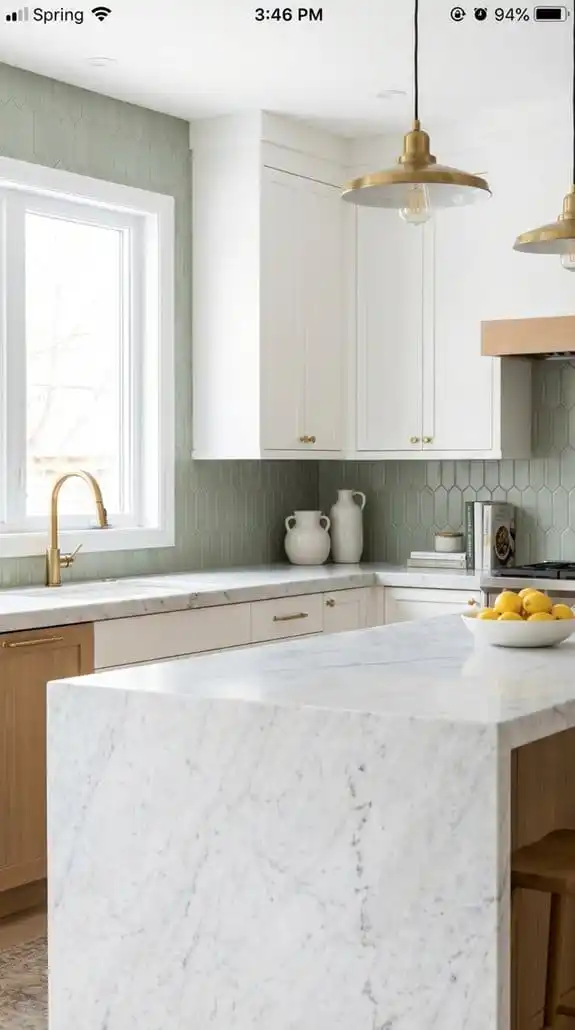
Classic subway tiles are no longer the default choice for modern kitchens. While they’re still timeless, newer shapes and layouts are taking center stage.
Hexagonal tiles, elongated formats, and unique geometric designs offer a fresh take while maintaining a clean and versatile aesthetic—especially in white kitchens.
These updated styles allow you to keep a neutral color palette while adding depth, texture, and a more contemporary feel.
8. Elevate Your Design with High-Contrast Grout
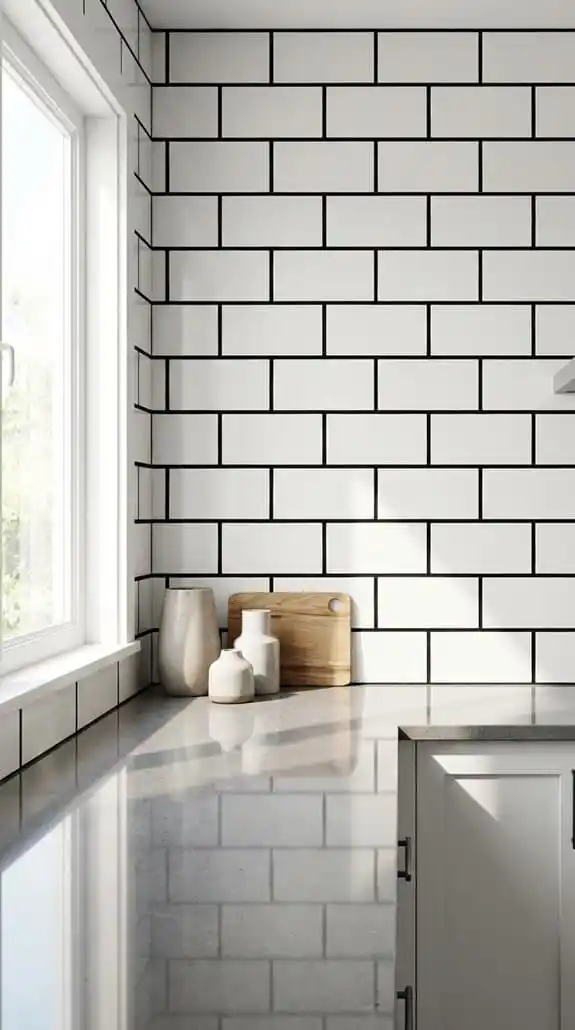
Grout is often overlooked, but in 2026, it’s becoming a key design feature.
Instead of blending in, grout is now used to highlight patterns and create contrast. Dark grout against light tiles can produce a striking grid effect, while colored grout adds personality and warmth.
Even subtle changes—like switching from white to charcoal grout—can dramatically transform the look of your backsplash without changing the tiles themselves.
Conclusion
Backsplash design in 2026 is all about intention and impact. Whether you lean toward natural textures, bold statements, or seamless minimalism, the goal is to create a space that reflects your personal style while enhancing functionality.
By rethinking materials, extending boundaries, and paying attention to details like grout and finish, you can turn a simple backsplash into one of the most defining features of your kitchen.