

A better backyard does not have to begin with a major construction project. The most satisfying changes often come from taking care of overlooked details: defining a path, refreshing a surface, adding one comfortable place to sit, or making a small garden task easier to enjoy.
These ideas focus on practical projects that can be introduced gradually. Pick the one that solves the most immediate problem in your space, whether that is poor lighting, a bare corner, a lack of privacy, or no place to gather. A few well-chosen improvements can make an ordinary summer yard feel much more considered.
1. Make the Walk Home Easier to Follow
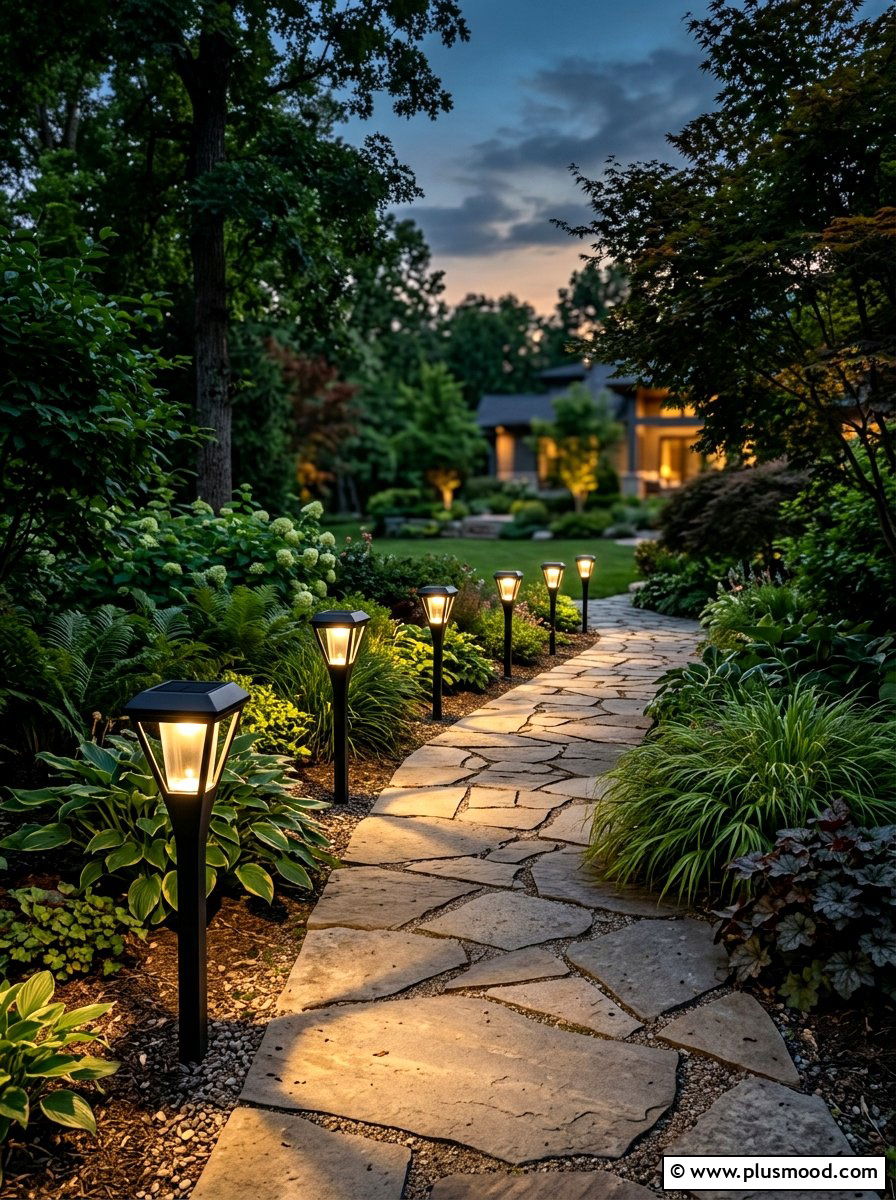
Small solar lights can give a garden path or patio edge more definition after sunset without a wiring project. A repeating pattern of low fixtures feels cleaner than scattered lights and helps visitors see where to step.
Key Details
- Place panels where they receive enough daylight.
- Keep fixtures outside mowing and trimming lines.
Pro Tip: Use a few extra lights where a path turns or changes level.
2. Create a Clear Route Through the Garden
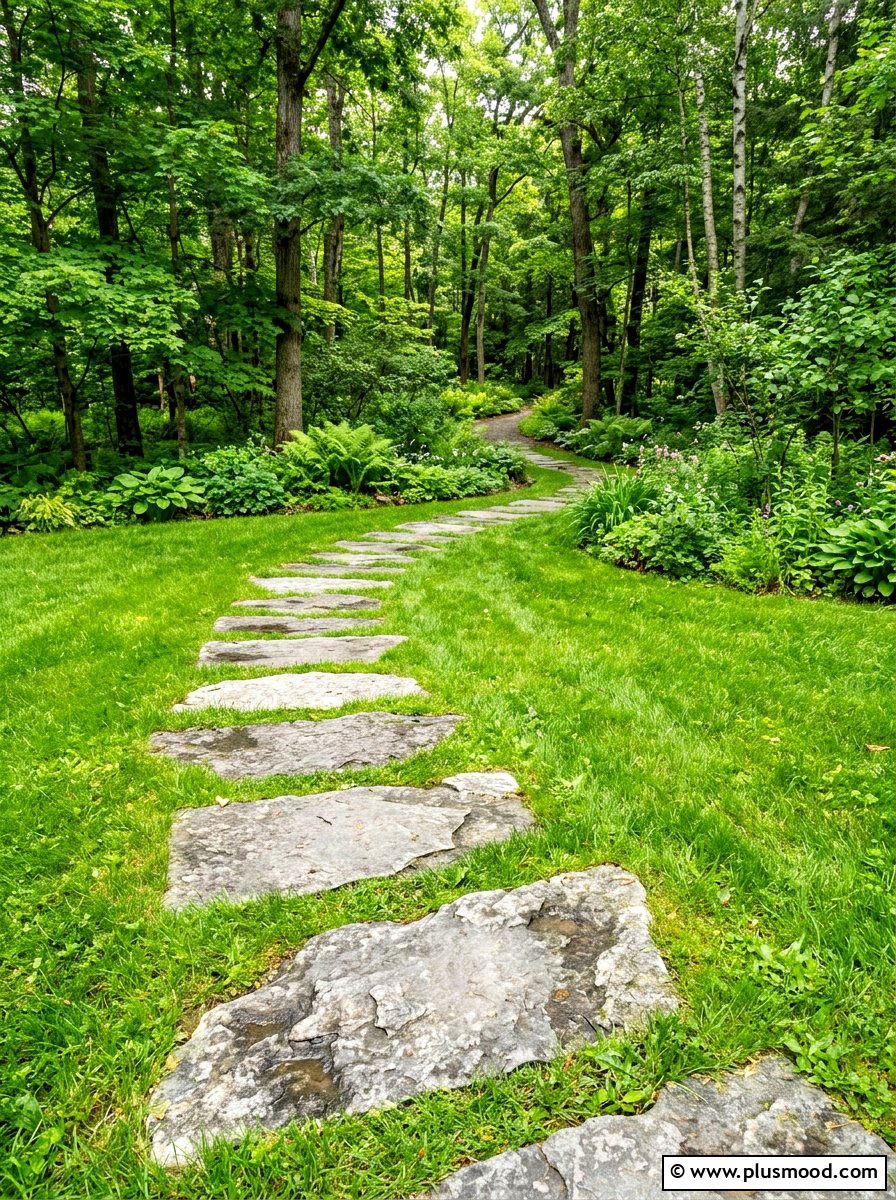
A modest stepping-stone path keeps feet out of planted areas and turns a simple trip across the yard into a more intentional experience. It can connect a door, a bench, a shed, or a favorite garden view.
Key Details
- Lay out the route before digging any bases.
- Set stones solidly so they do not shift underfoot.
Pro Tip: Use a garden hose or rope to test a curving route before committing to the final shape.
3. Give Castoffs a Second Life as Planters
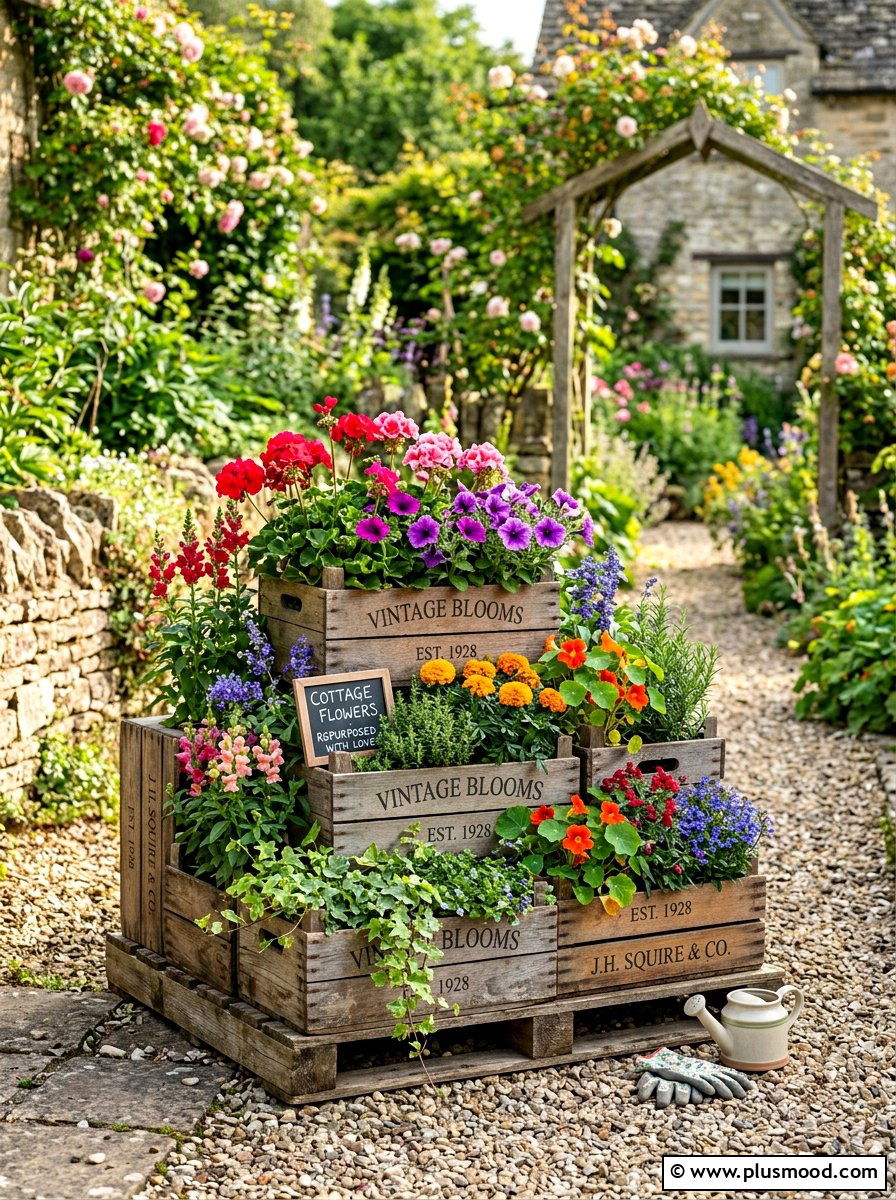
An old crate, tub, bucket, or wooden box can become a distinctive planter when it has proper drainage and weather protection. A repurposed piece gives a backyard character while providing a low-cost way to display seasonal color.
Key Details
- Drill drainage holes before adding soil.
- Avoid containers that may contain unsafe residues.
Pro Tip: Line wood containers with landscape fabric so soil stays contained while excess water can escape.
4. Freshen Beds With a Simple Mulch Reset
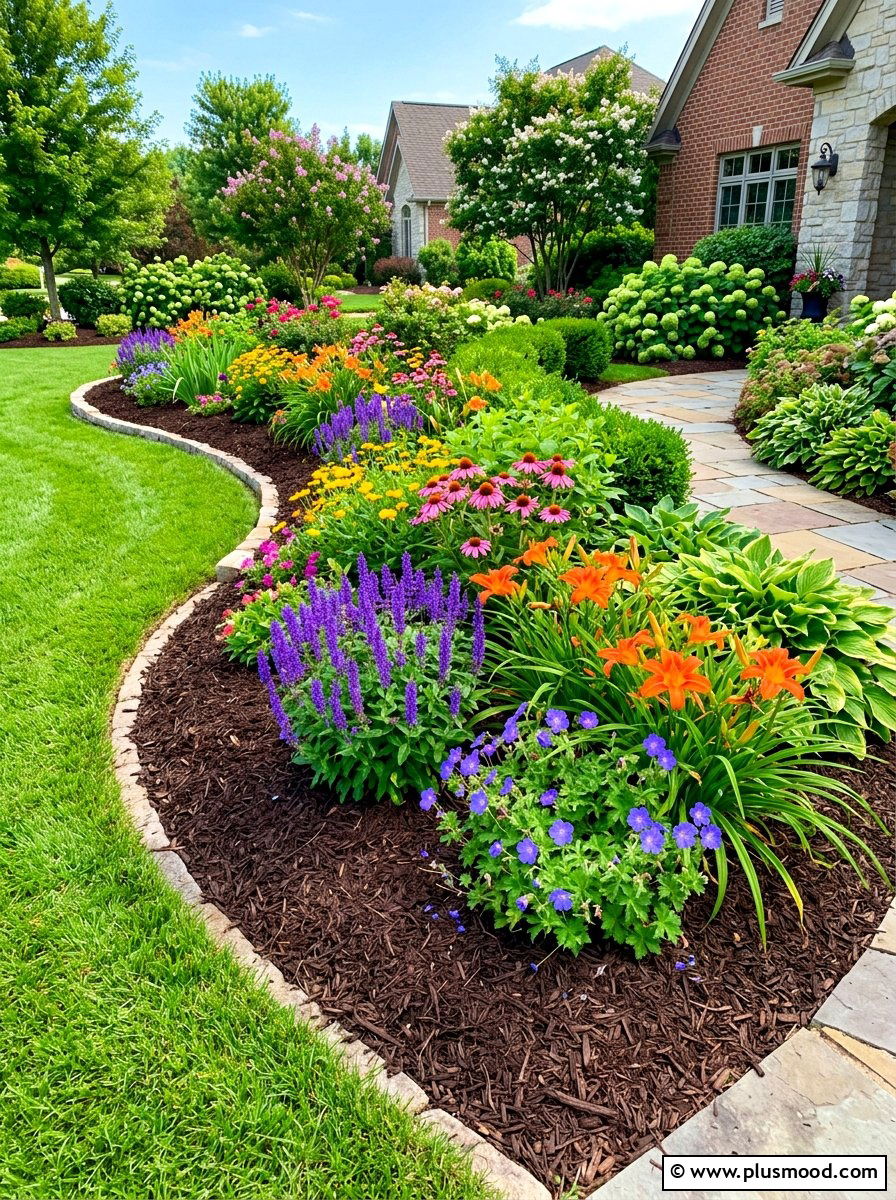
A uniform layer of mulch can make existing plantings look newly cared for without buying more plants. It also gives the eye a calmer background, making leaves and blooms stand out more clearly throughout the season.
Key Details
- Remove weeds and water first.
- Keep mulch clear of trunks and plant crowns.
Pro Tip: Use one mulch color throughout the backyard to connect separate planting beds.
5. Refresh the Border With a Picket Fence
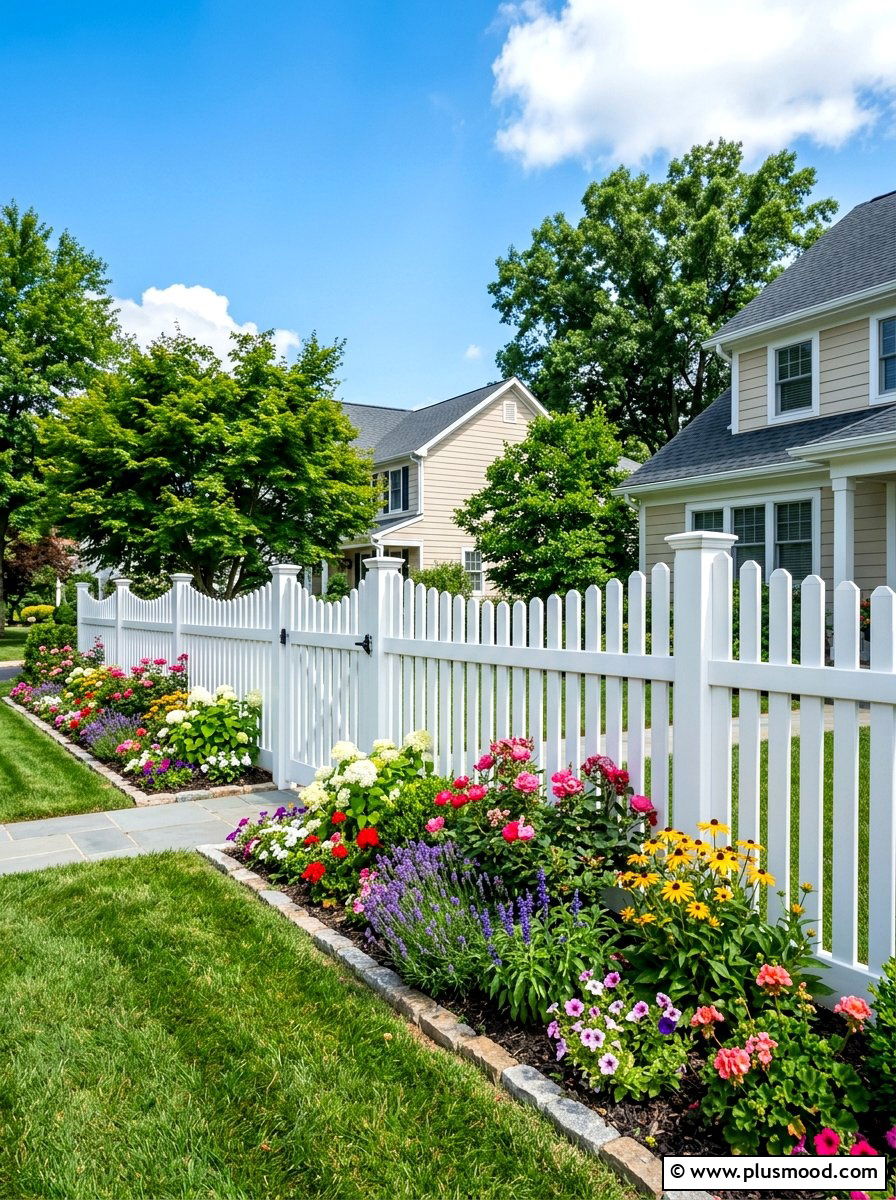
A short picket fence can define a flower bed, garden entrance, or play area without closing off the yard. A fresh coat of exterior paint turns a familiar material into a cheerful architectural detail.
Key Details
- Use rot-resistant materials or seal raw wood.
- Set posts securely if the fence will divide a larger space.
Pro Tip: Choose a height that frames planting rather than blocking the view across it.
6. Give Climbing Plants a Place to Go
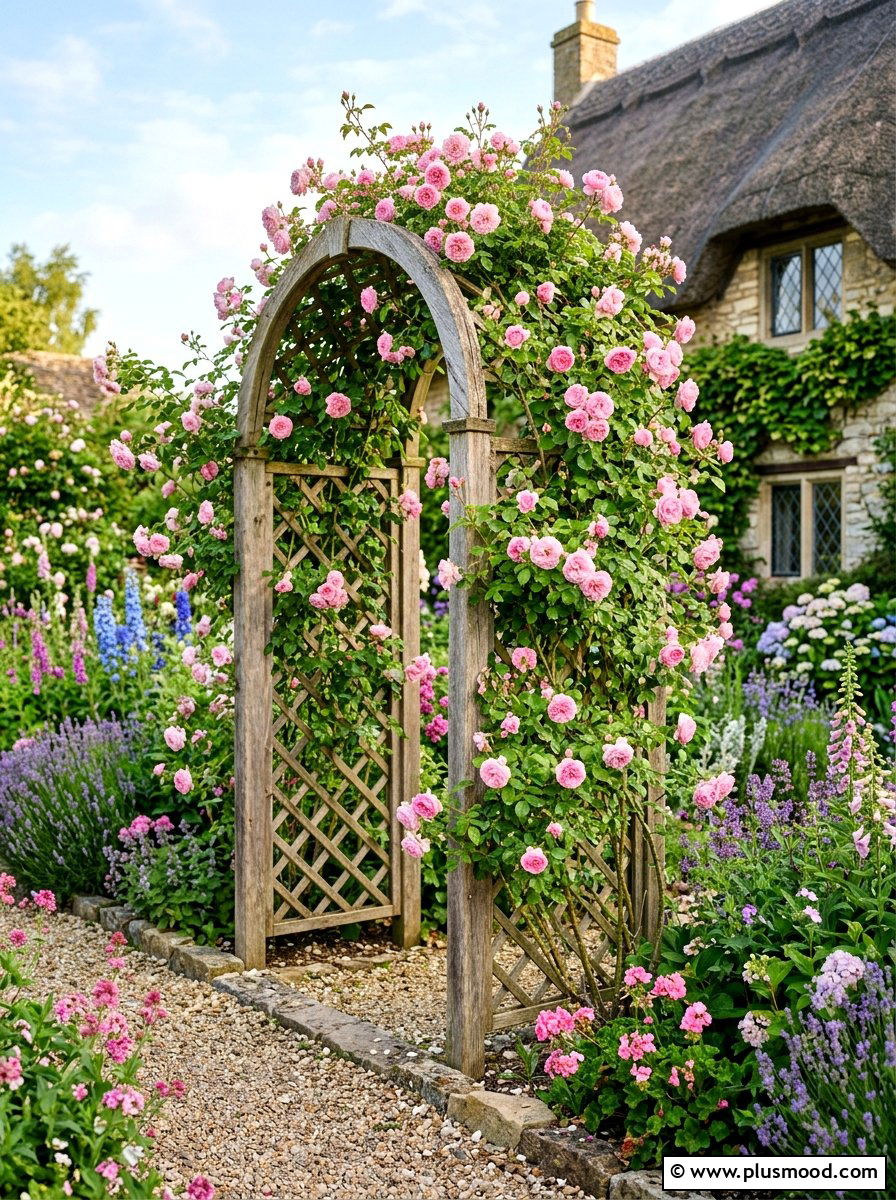
A simple trellis can turn a blank wall or fence into a vertical garden without taking up much ground space. It also creates useful height behind a bench, bistro set, or planting bed.
Key Details
- Use sturdy exterior hardware and materials.
- Choose climbers suited to the amount of sun available.
Pro Tip: Leave a small gap behind the trellis to support airflow and make future maintenance easier.
7. Add a Small Water Stop for Birds
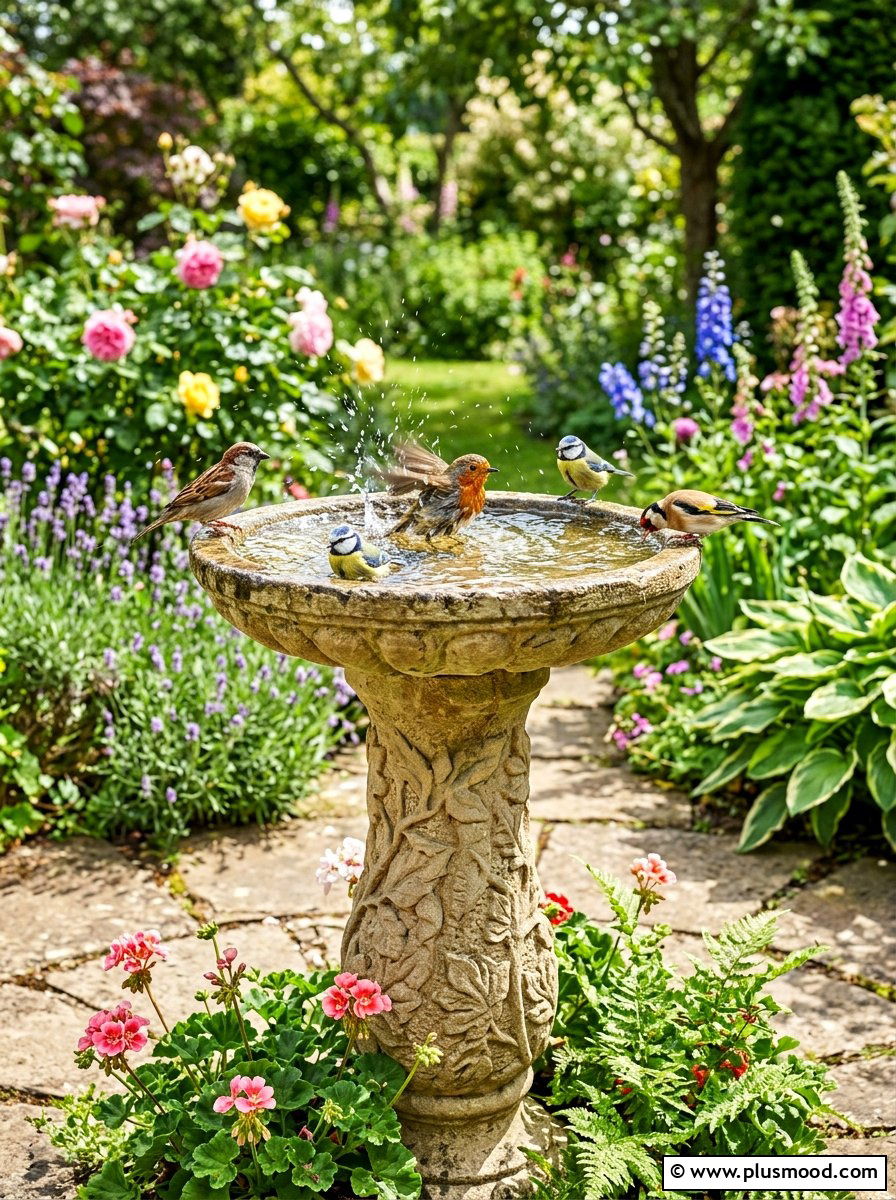
A simple bird bath can bring movement and interest to a quiet section of the yard. Place it where you can see it from indoors or from a favorite chair, and keep cleaning and refilling within easy reach.
Key Details
- Refresh the water regularly.
- Set the basin on a stable, level base.
Pro Tip: Position it near planting for cover, but not so close that predators can hide immediately beside it.
8. Bring a Gentle Sound to the Porch
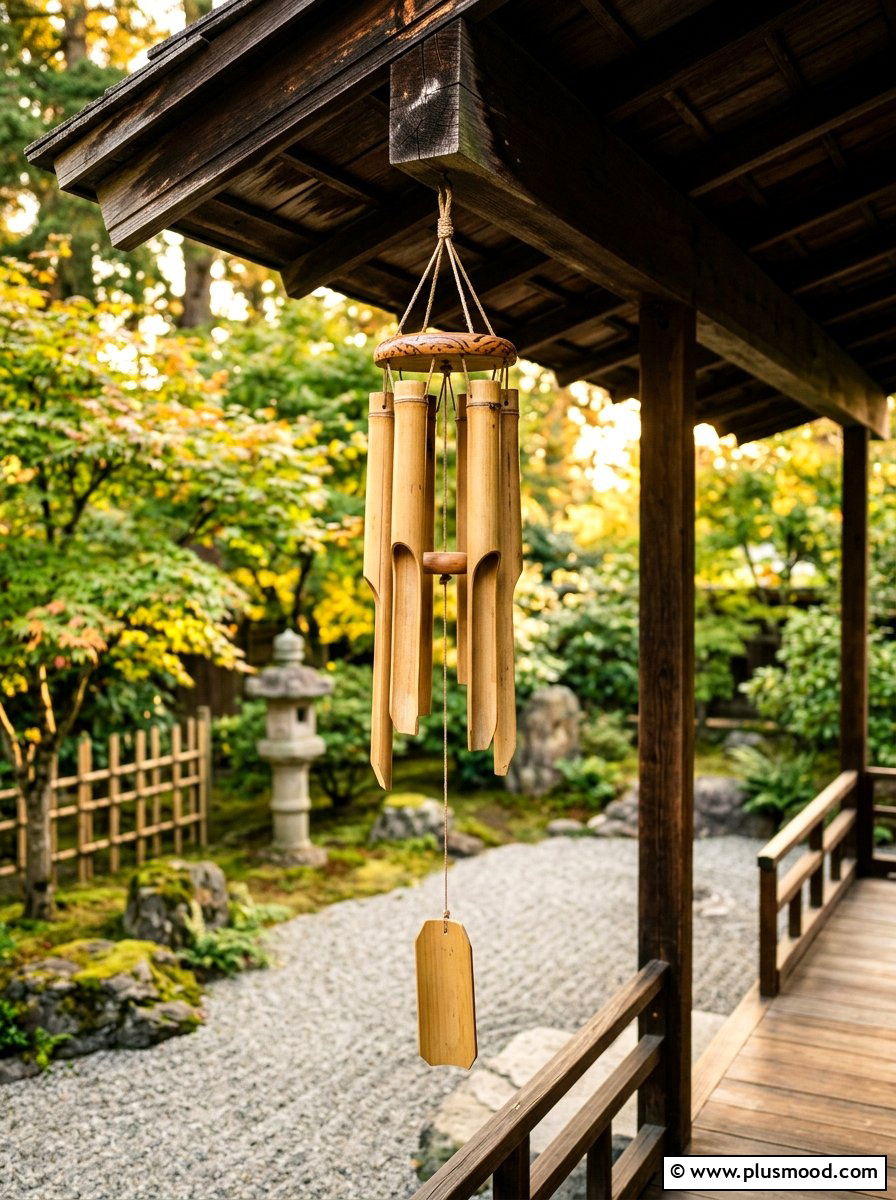
Wind chimes can add a delicate audio layer to a porch, pergola, or tree branch when their scale and placement suit the space. A single well-chosen piece feels intentional and does not compete with everyday conversation.
Key Details
- Use an outdoor-rated hanging point.
- Keep chimes clear of doors and windows.
Pro Tip: Choose a location that catches a mild cross-breeze rather than the strongest wind on the property.
9. String Up a Little Evening Glow
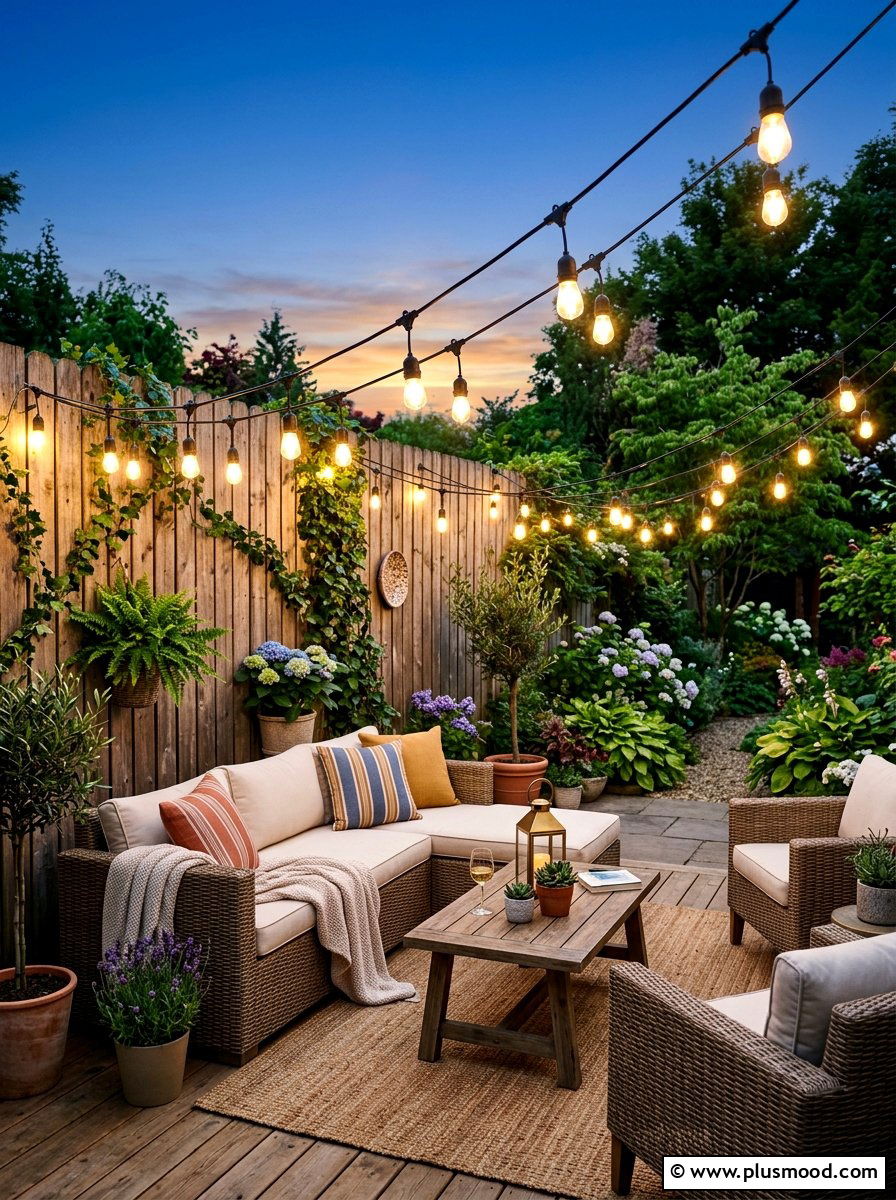
A strand of exterior lights is one of the quickest ways to make a patio or dining corner feel more usable after dusk. Strong anchor points and a restrained layout matter more than adding multiple overlapping strands.
Key Details
- Use weather-rated strings and connections.
- Keep cords away from walking routes.
Pro Tip: Start with one span above the main seating area, then add more only if the space still feels too dark.
10. Define a Seating Area With a Rug
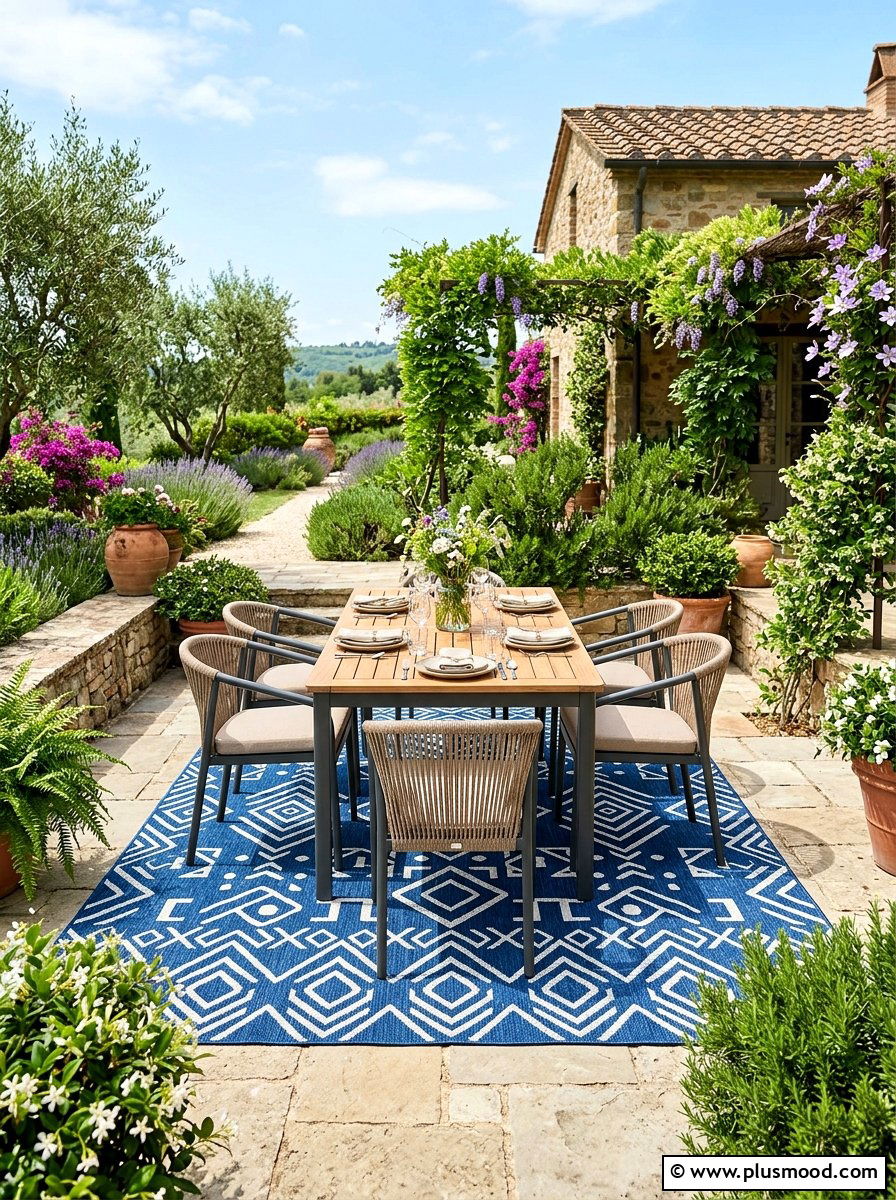
An exterior rug helps a few inexpensive chairs look like a cohesive lounge rather than furniture placed at random. It is a simple way to add color and give bare feet a softer surface on a deck or slab.
Key Details
- Use a quick-drying material made for outdoor conditions.
- Choose a size that connects the main furniture pieces.
Pro Tip: Pick a pattern with a little visual variation so normal dust and pollen are less noticeable.
11. Borrow Privacy From a Few Outdoor Curtains

Fabric panels can make a pergola, covered porch, or small patio feel more sheltered without a permanent wall. When tied back, they soften the structure; when closed, they help control a low sun angle or close neighbor view.
Key Details
- Choose mildew-resistant material rated for exterior use.
- Secure curtains before windy weather.
Pro Tip: Install simple tiebacks at two heights so the panels can be arranged differently during the day and evening.
12. Set Up a Useful Potting Station
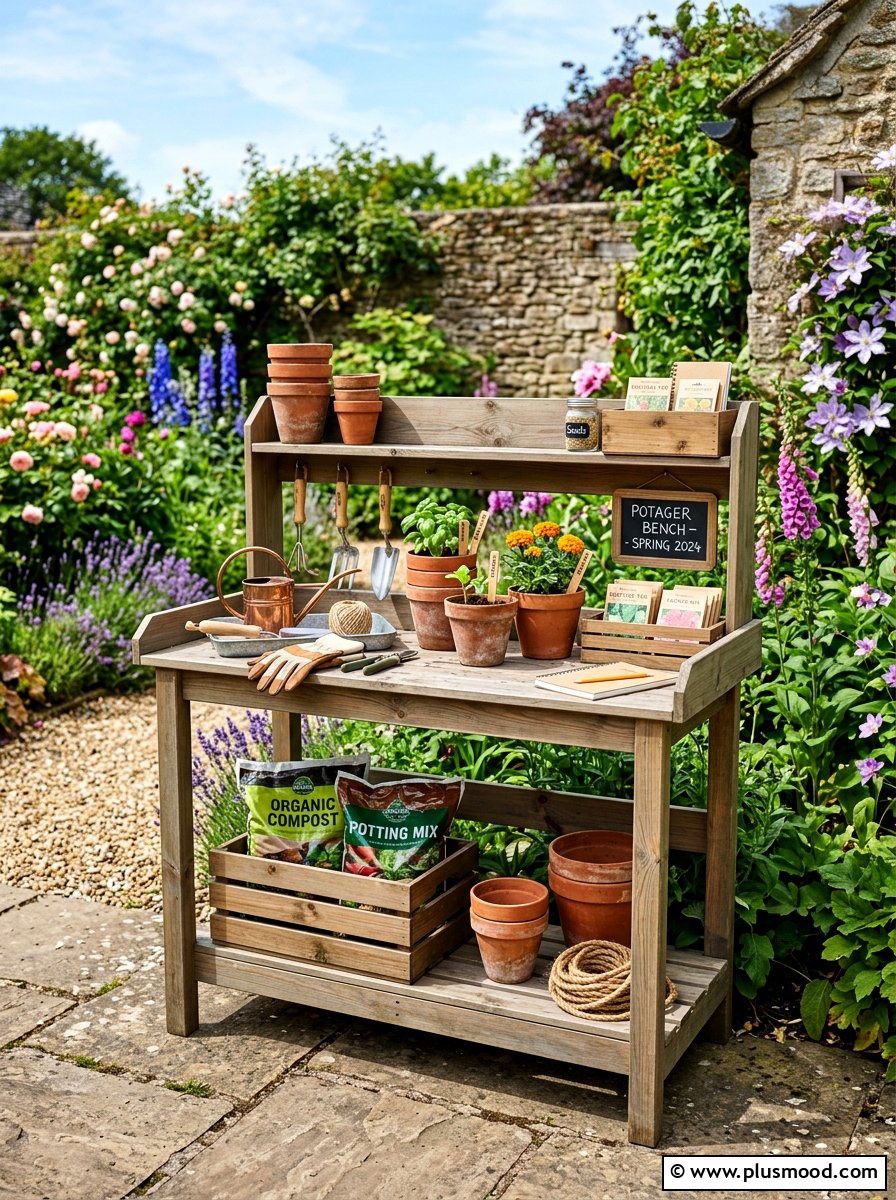
A basic bench or work surface can make routine planting tasks feel less scattered. Keep soil, hand tools, spare pots, and a watering can in one location so container projects no longer take over the patio table.
Key Details
- Use a surface that tolerates moisture and soil spills.
- Store sharp tools safely but within reach.
Pro Tip: Add a shallow tray on the worktop to contain potting mix and make clean-up quick.
13. Start a Compact Raised Bed
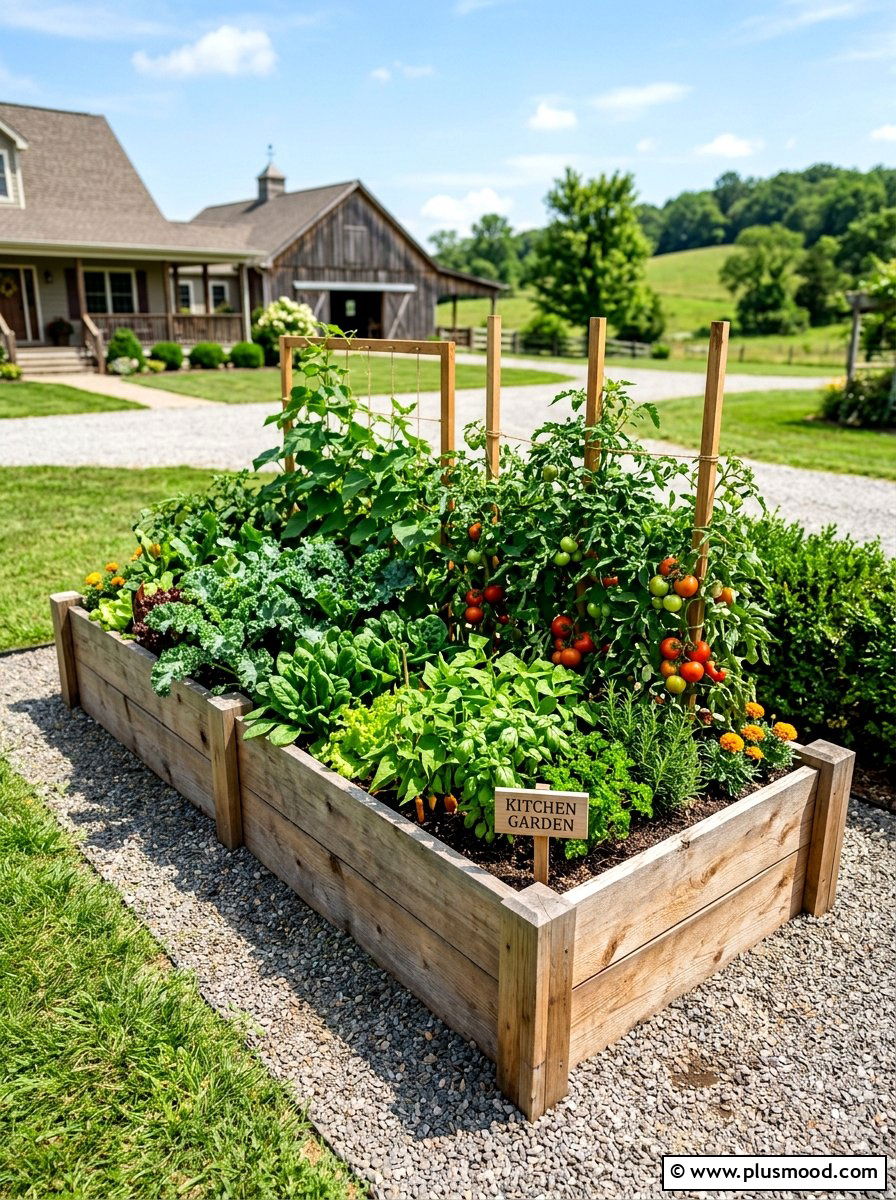
A single raised garden bed can provide a manageable place to grow herbs, flowers, or a few vegetables. Its clean outline gives a backyard more structure while making planting and harvesting easier to access.
Key Details
- Place it where the selected plants receive suitable light.
- Leave enough path space around the bed for maintenance.
Pro Tip: Begin with a bed small enough to keep up with, then expand only after you know what you enjoy growing.
14. Bring Cooking Herbs Up Off the Ground
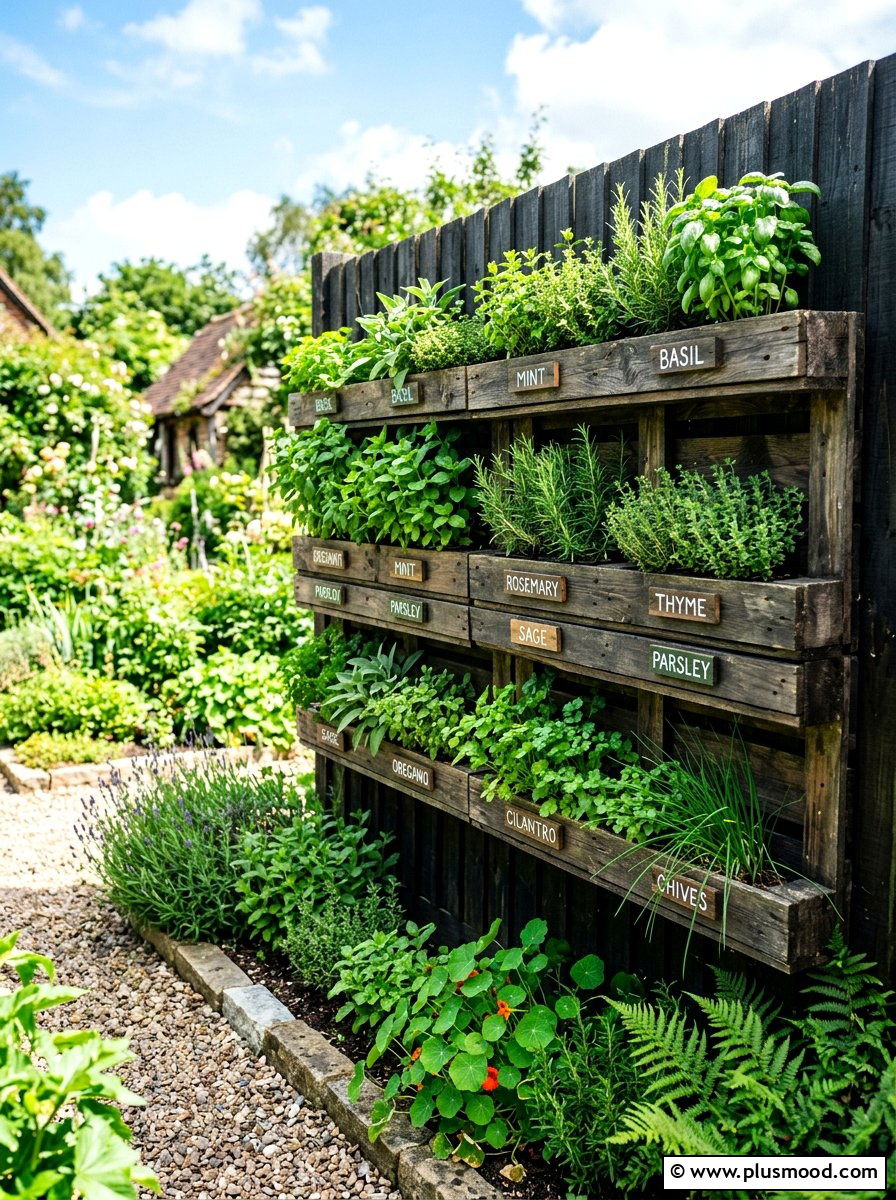
A vertical herb garden makes a bare fence productive and keeps favorite ingredients easy to reach. It can be built from simple containers, a small ladder, or mounted planters, depending on the available space.
Key Details
- Use containers with drainage.
- Group herbs with similar water needs together.
Pro Tip: Place the garden near the grill or kitchen door so harvesting becomes part of everyday cooking.
15. Build Seating That Fits the Space You Have
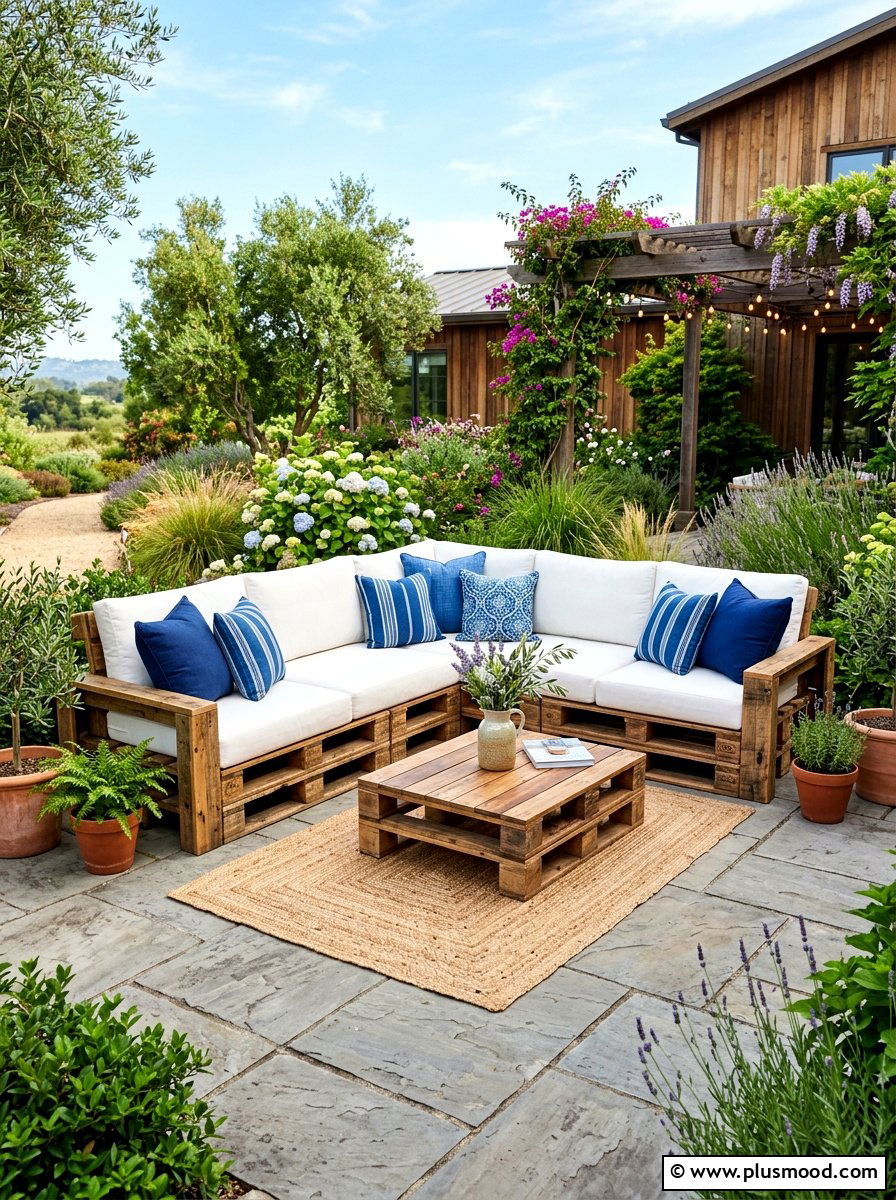
A reclaimed-wood seating project can be a low-cost way to create a sofa or bench sized for an awkward patio corner. Careful sanding, weather protection, and comfortable outdoor cushions make the difference between a rough idea and usable furniture.
Key Details
- Inspect reclaimed wood for damage and suitability before use.
- Elevate the base so it can dry after rain.
Pro Tip: Keep the first design modular so it can be rearranged or expanded later.
16. Change the Mood of a Plain Concrete Slab
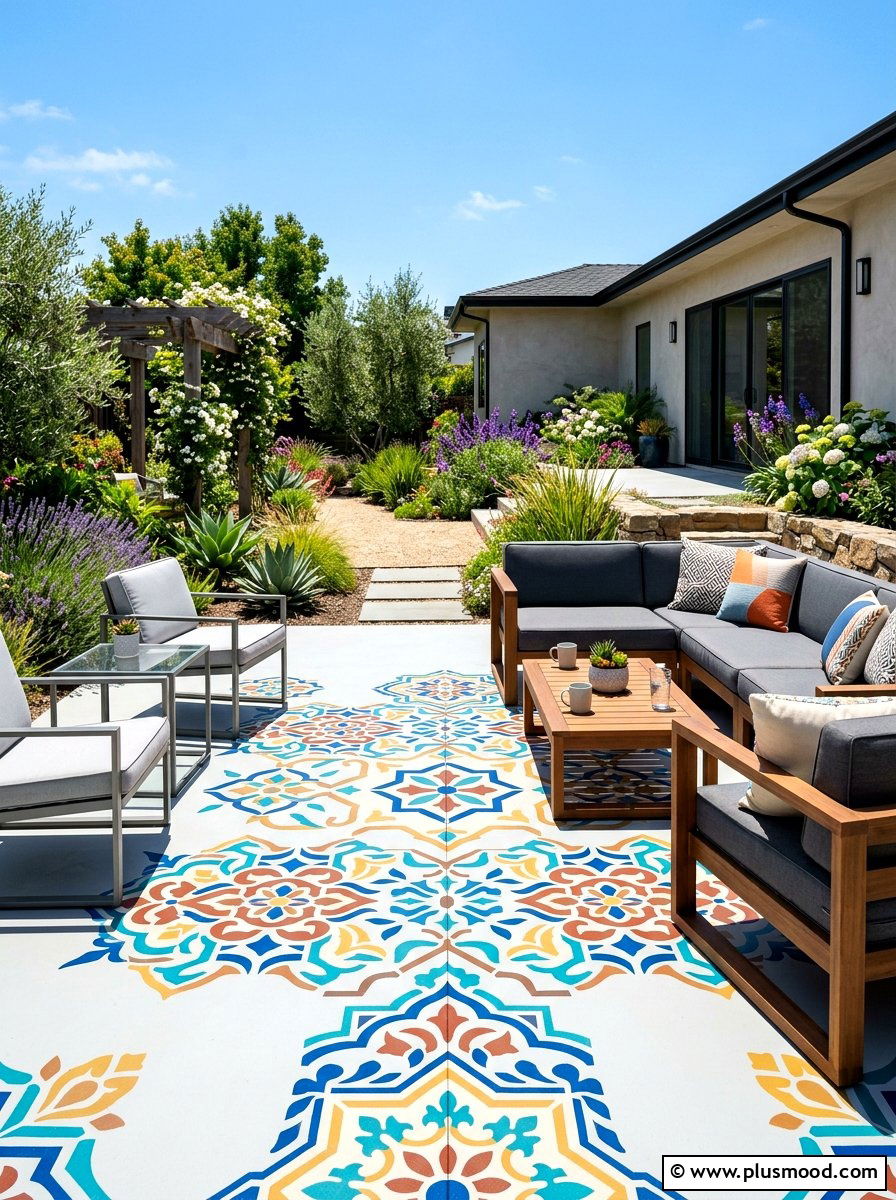
A carefully applied exterior coating can make an old patio look cleaner and more personal without a complete rebuild. Preparation is the important part: clean the surface, repair obvious damage, and use products meant for the conditions it faces.
Key Details
- Follow product instructions for cleaning, priming, and cure time.
- Choose a finish appropriate for wet exterior surfaces.
Pro Tip: Test a small area first because the color will look different in direct sun than it does indoors.
17. Claim an Unused Patch With Gravel
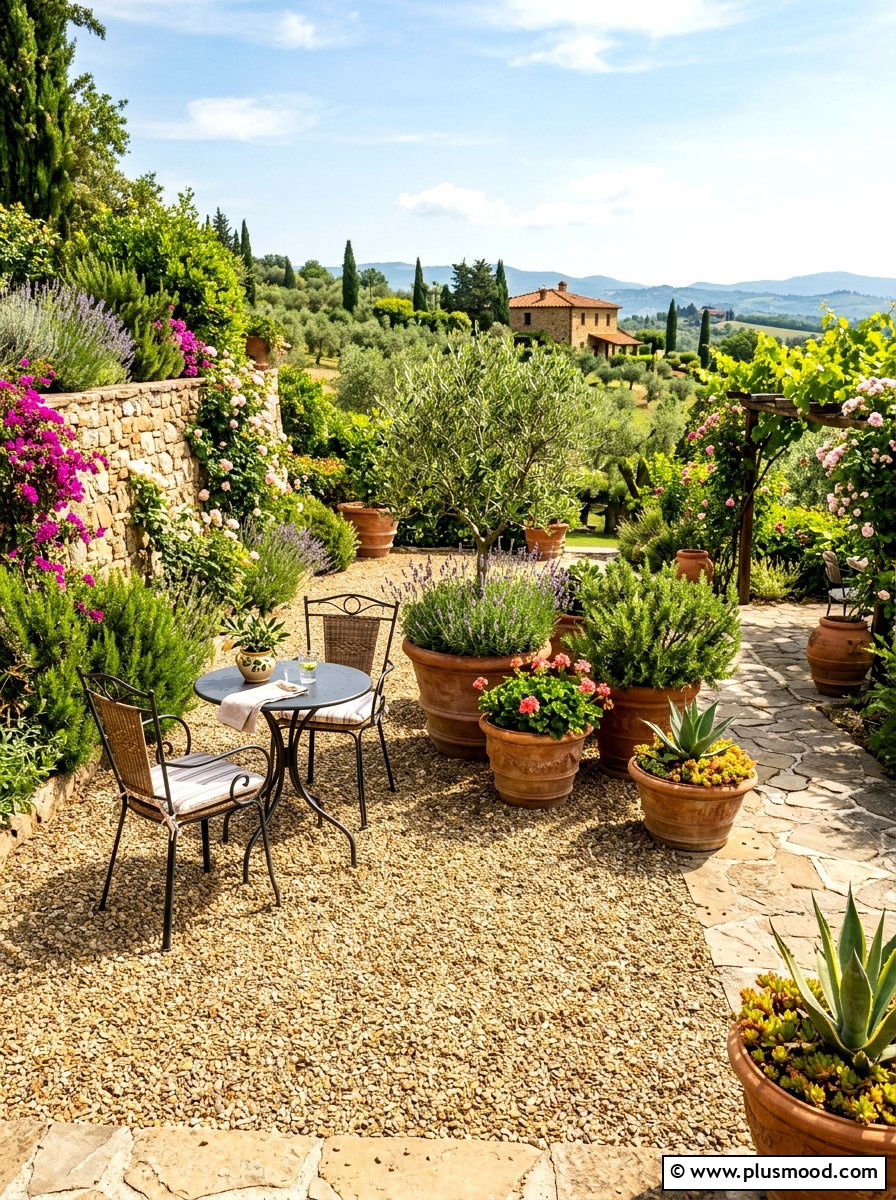
Gravel can give a neglected stretch of lawn a clear new purpose as a dining nook, fire circle, or bistro corner. With basic edging and a stable base, it is an adaptable surface that can be adjusted as your furniture changes.
Key Details
- Use edging to contain the material.
- Prepare and level the base before spreading gravel.
Pro Tip: Choose furniture with broader feet or use small pads beneath legs to avoid sinking into loose stone.